Tag Archives: wool

Indigofera Australis crop of 2014

Last year, I tried a cold vinegar process on some indigofera australis. The result was very pale blue, but just the same, blue, especially on silk and linen.  I thought this time I’d stick to silk.  I also found a direct dyeing method described online and decided to try it out on my indigofera australis.

IMAG4610

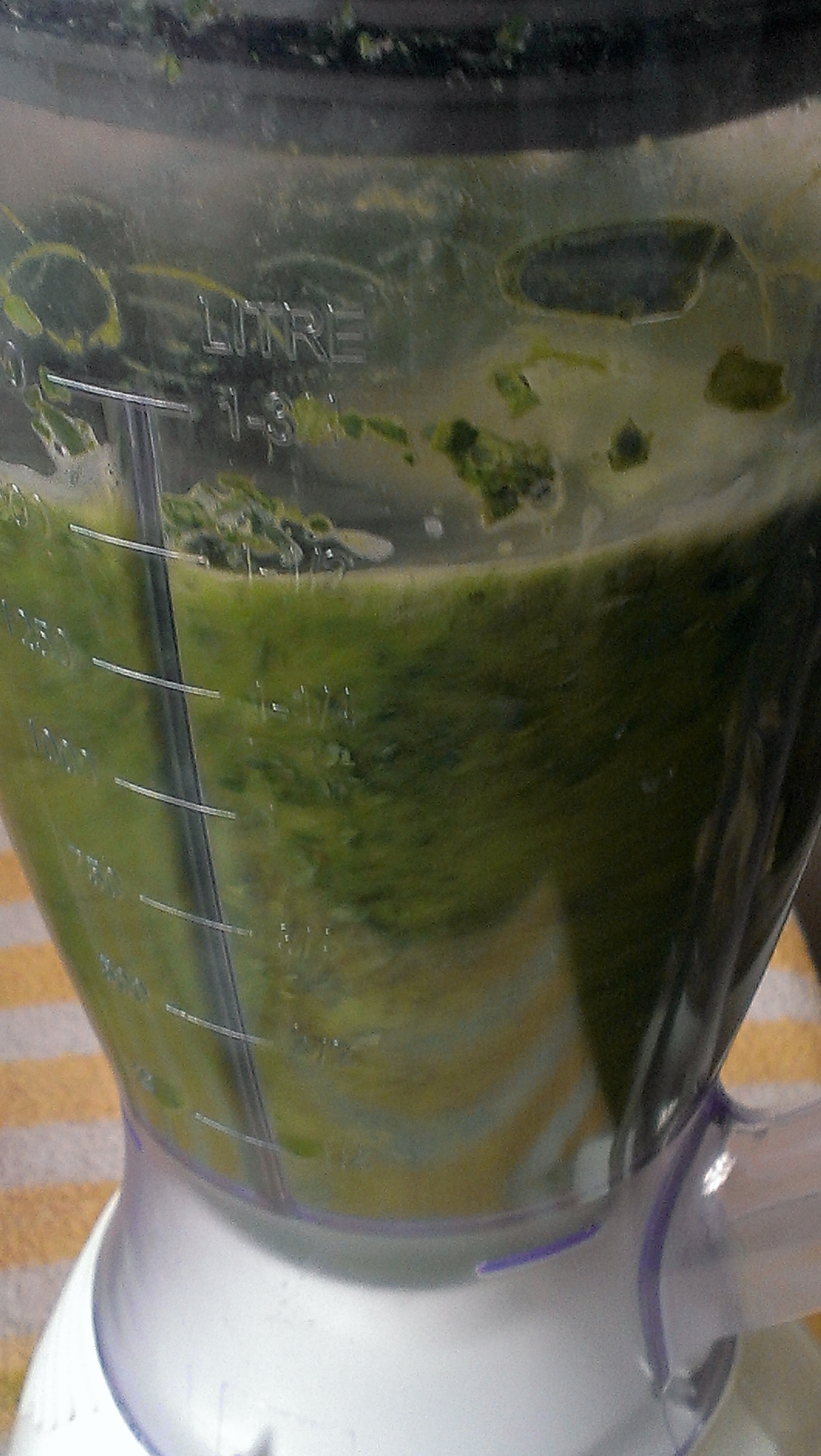
My friend and I stripped the leaves from the stems and into the blender they went.

IMAG4622

Pretty soon we had finely mushed leaves.

IMAG4624

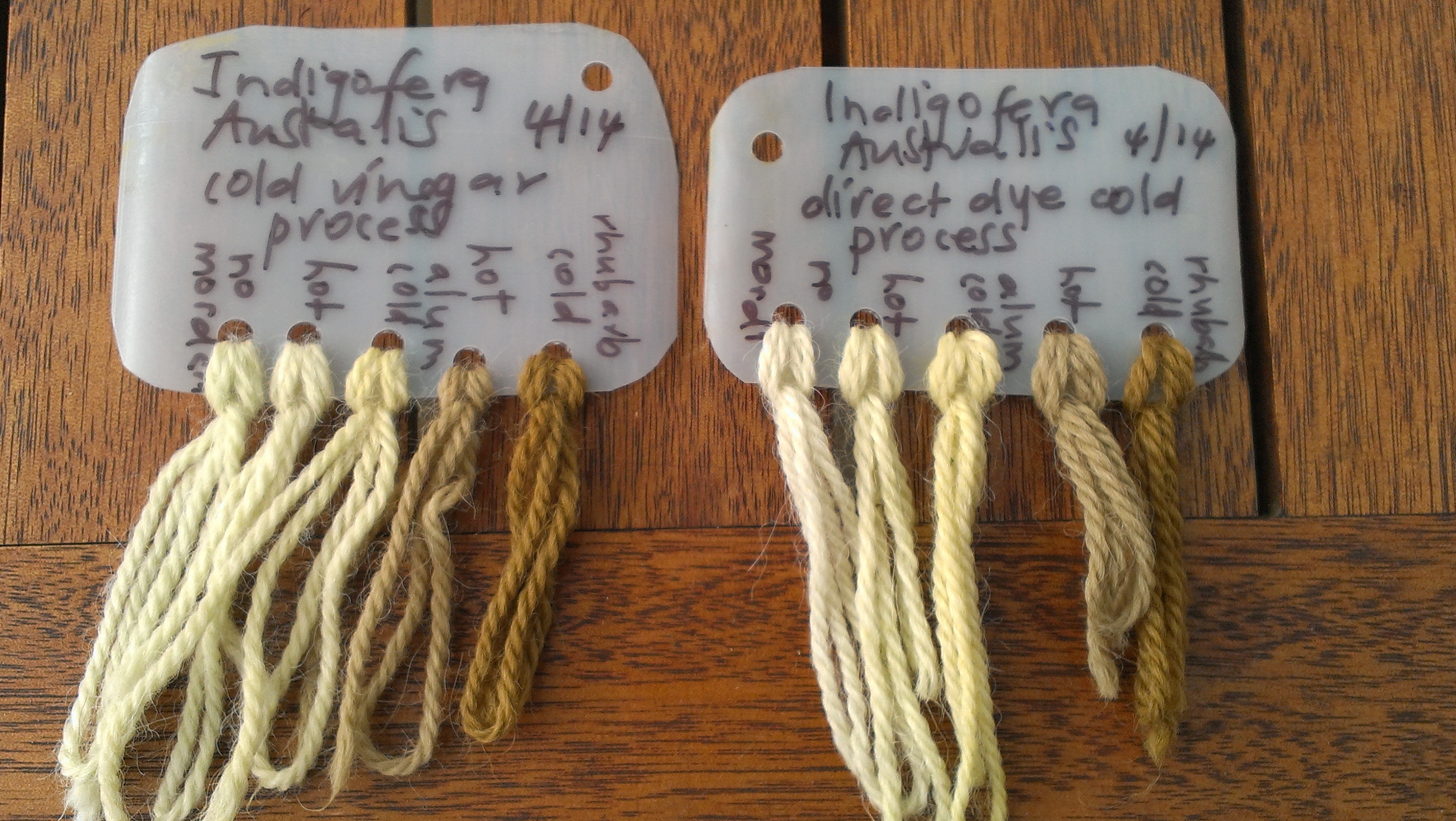
I tried both the  vinegar method and the direct dye method with no success to speak of, even after repeated dippings.

IMAG4627

Remember that the wool on the right of each sample card has been mordanted with rhubarb leaf, so wasn’t white to begin with.

IMAG4648

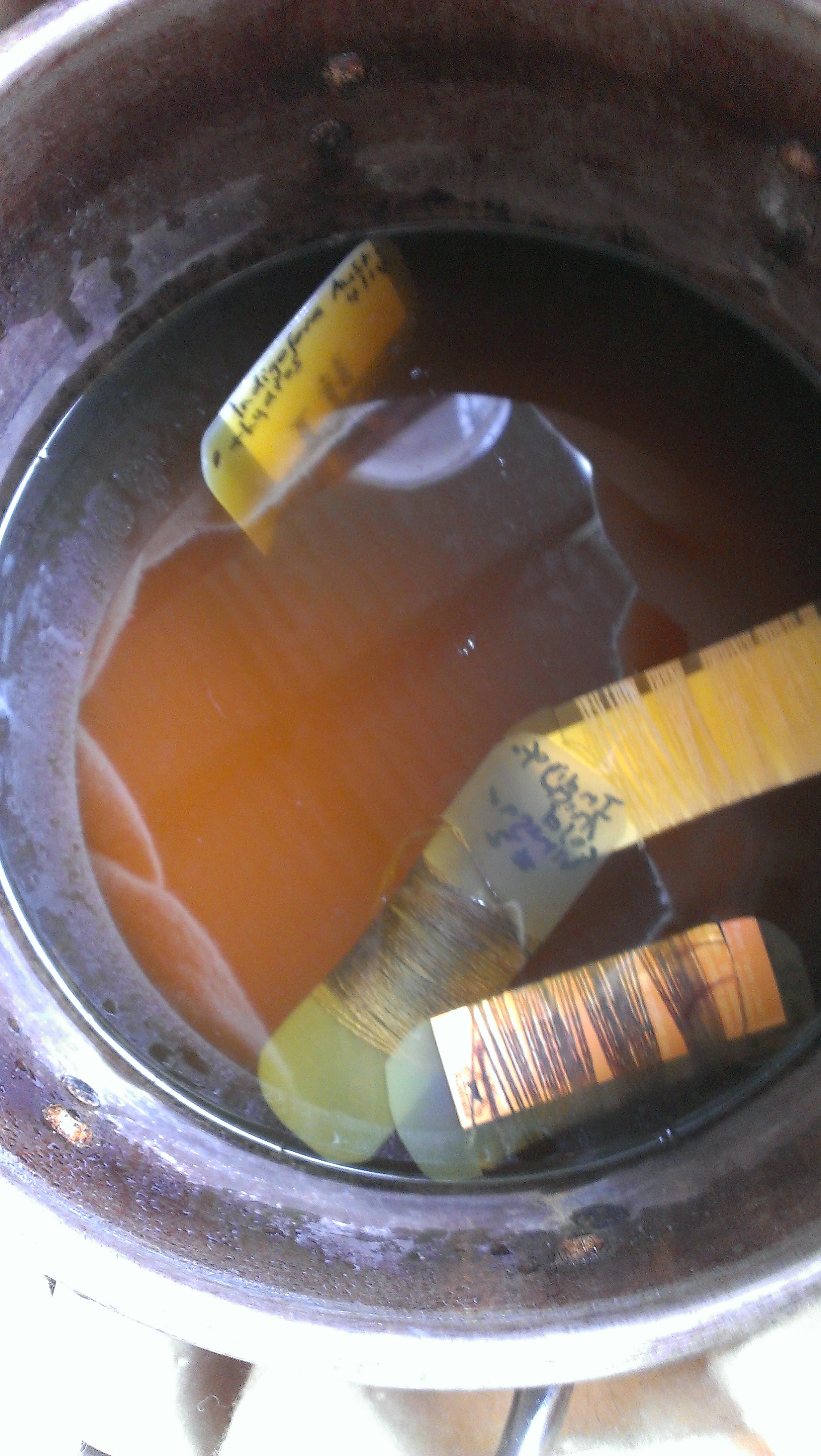
Well, I thought I had nothing to lose by leaving the leaves and the liquid to sit for a few days and trying again, so I reunited the pulverised leaves and the two dye baths.

IMAG4651

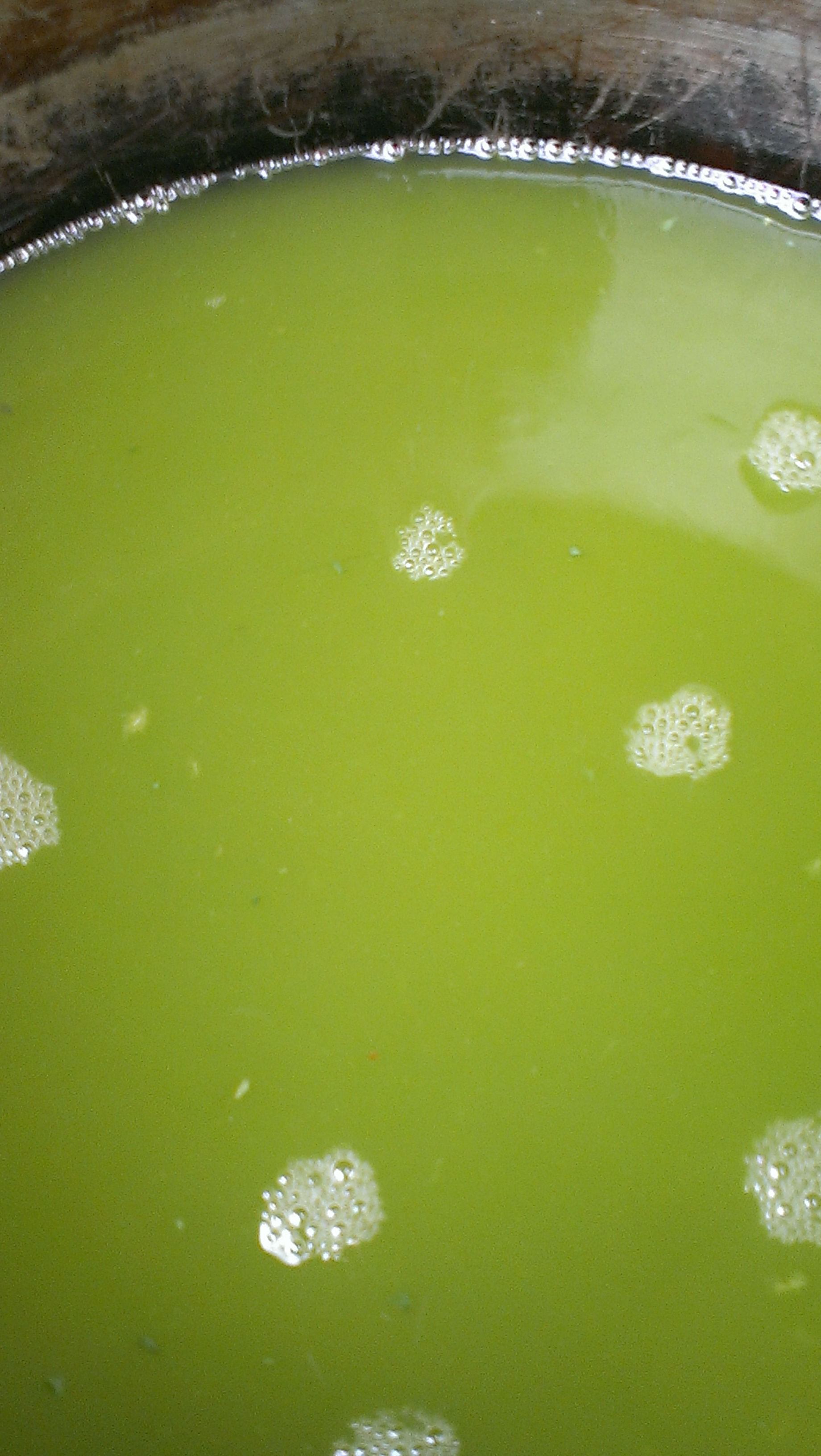
I thought I’d try hydrosulphite, the last resort in case of indigo failure, in my case.  I warmed the liquid and strained out the leaves.

IMAG4654

I have recently received a Ph meter as a gift, so I aimed for 10.5 and added washing soda in solution until I reached it.  The result was a striking yellow.

IMAG4657

However… absolutely no blue whatsoever, not even an improvement on samples I thought I might overdye for improved colour.

IMAG4659

Time of harvest?    User error in the process?  The Ph meter isn’t properly calibrated?  The thermometer is out of whack (it certainly didn’t agree with the one on the Ph meter, so I knew one of them must be wrong–and I now know it was the thermometer)?  I have no idea, honestly.  I’ve decided to leave my one Japanese indigo plant to keep for seed…

10 Comments

Filed under Dye Plants, Natural dyeing

The unbearable cuteness of stranded colour knitting

IMAG0009

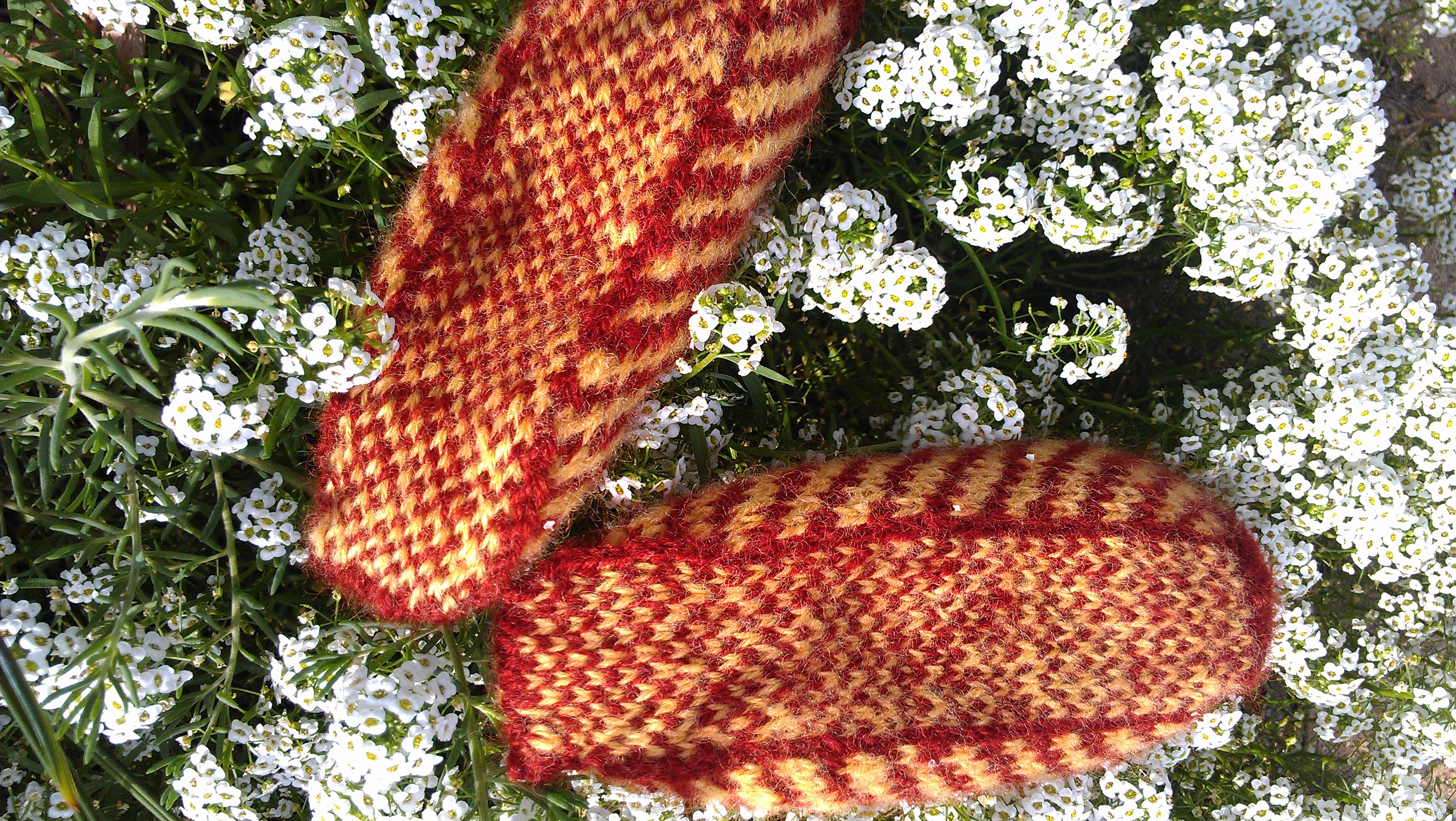
After all the three-ply colour spinning there has been around here, I started to itch to use those colours in knitting. I settled on these, the Tingvoll slippers by Kristin Spurkland. I began them before I went to Melbourne in March.  I found that knitting them over breakfast in  a cafe in Melbourne triggered a conversation every single day, and usually with another keen knitter.  It made me feel right at home, even though I was far from home and essentially, I was in the cafe because there was nothing for breakfast in the cupboard where I was staying!

Even the soles are cute.

IMAG0013

I knit these in Corriedale.  Yes, Malcolm the Corriedale.  The orange is dyed with eucalyptus, and the yellow with my mother’s coreopsis flowers.  While I was in Melbourne, I found myself frustrated by how slowly it was all going and how hard I was finding it to read the charts.  In the learning zone I was in spending my whole day at a workshop–I started to explore.  By the time I was flying home I had found that I could knit withe one colour in each hand–picking the yellow (‘European style’ as some call it here–yarn in the left hand) and throwing the orange (‘English style’, as some call it here–yarn in the right hand).  Best of both worlds!  I love that phenomenon: learning one new thing opens the doors to learning others.  Delightful.

IMAG0010

They are smaller than I had hoped, which just shows I settled on this wool and this pattern with no real thought for sizing and not much attention to the instructions.  Clearly it would be a good idea for me to quit spinning finer than I like to knit!  I think they are destined for a small child of my acquaintance.  She is a fine appreciator of hand knits.  Her Dad says when he told her I might be knitting her slippers, she was ‘beside herself!’ Apparently she likes the felted clogs I knit him so much she tries them on a lot, even though he has some of the largest feet I’ve ever knit for…

15 Comments

Filed under Knitting, Natural dyeing

Unidentified Eucalypt sample of the week

My attention was caught by another eucalypt in the parklands.  It was the colour of the flowers that attracted my interest.  I don’t remember seeing it in flower before.  Something about this purplish shade of pink caught my eye.

IMAG4635

The tree itself was rather unprepossessing at a distance.

IMAG4634


It seems to be managing to grow despite having survived multiple insults and lost limbs if not its entire primary trunk at some point in the past.


IMAG4636


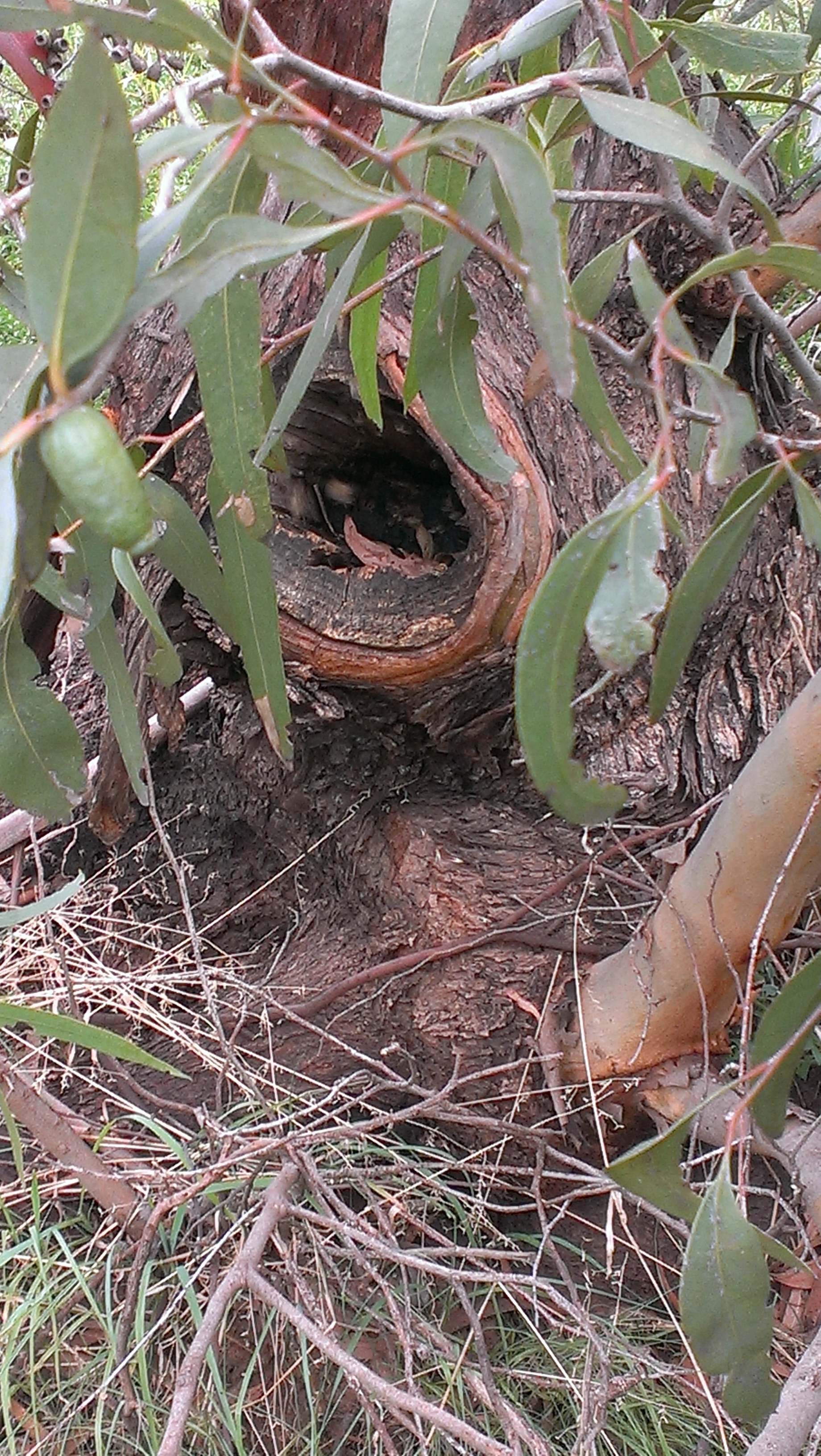
On the other hand, this had clearly created an opportunity: the hollow at the base of the trunk had been chosen as home by bees, who were flying in and out the whole time I was watching (they would be the small blurs in the photo).

IMAG4639

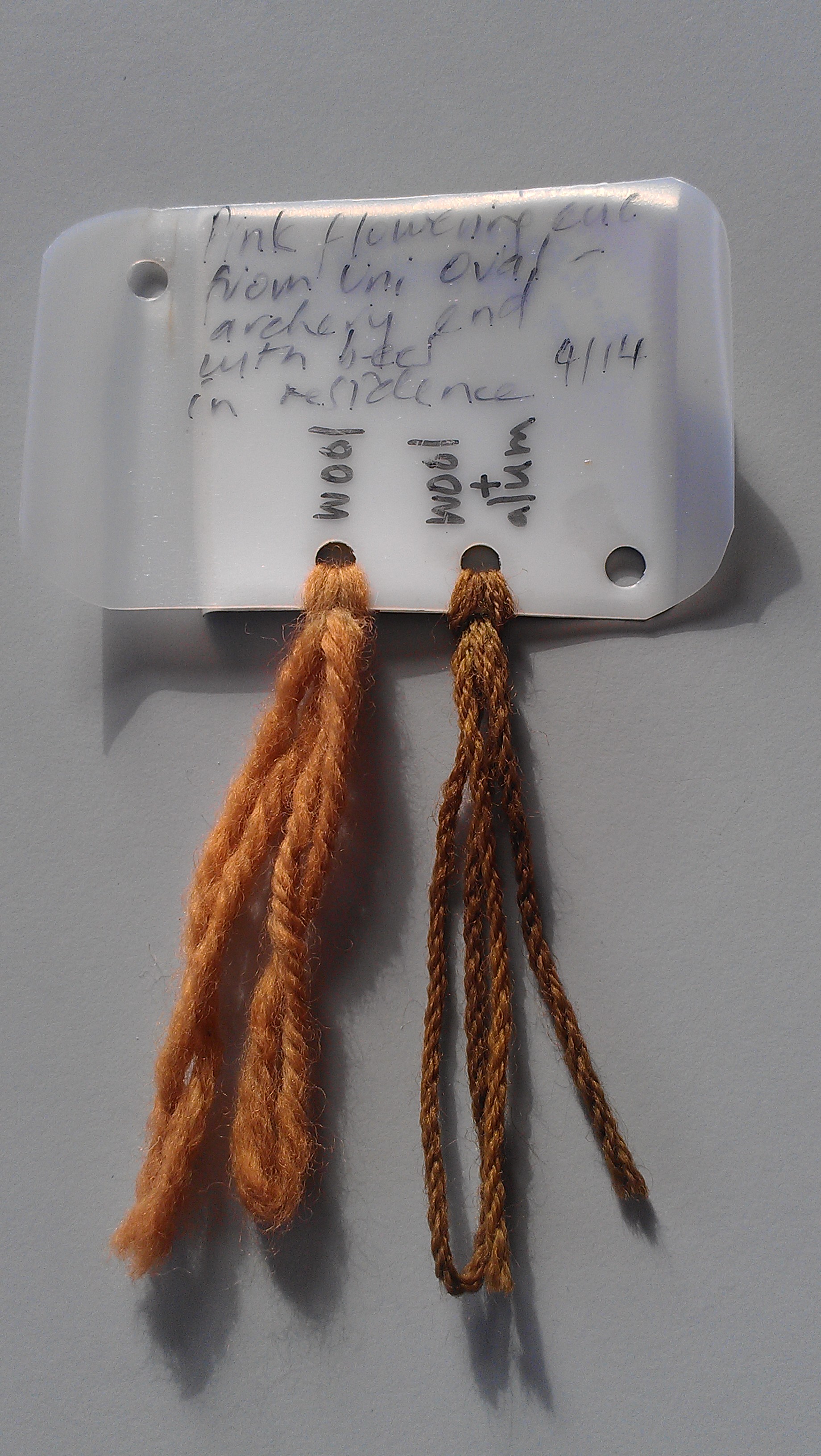
I took a small sample and really…  this tree is safe from me.  The alum mordanted sample gave a good brown and the no mordant sample, a pinkish shade of tan.

IMAG0001

Leave a comment

Filed under Dye Plants, Eucalypts, Natural dyeing

Dyeing red with dandelion… or not!

It was a day for harvesting…

IMAG4569

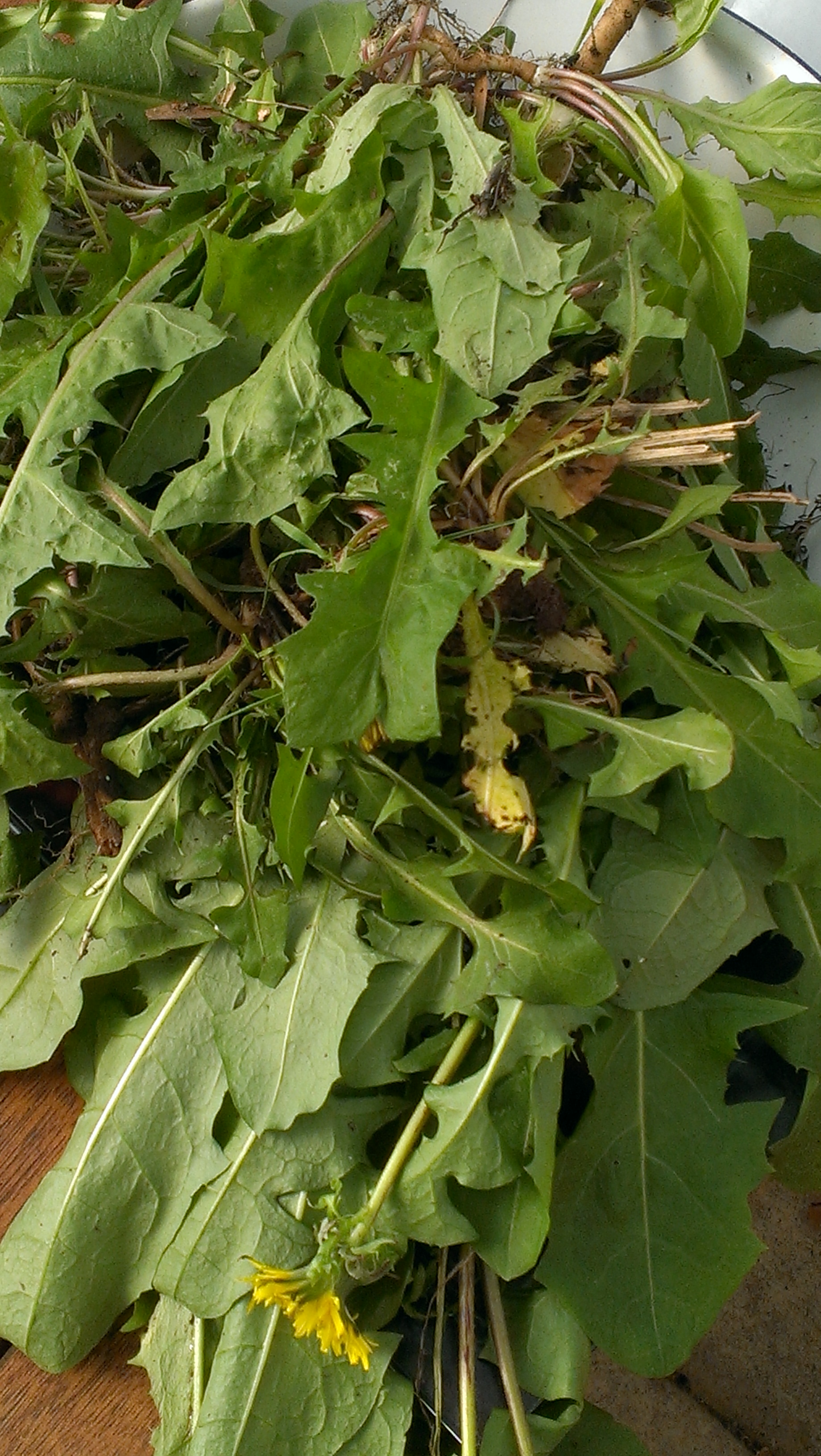
…and a friend from the Guild had given me a booklet from the Brooklyn Botanical Gardens which described a method for achieving magenta with dandelion (taraxacum 0fficinale).  As I’ve said before, rumours on this subject are many but claims of a result are few, and better dyers than myself have been defeated (at least temporarily) by the challenge of obtaining any shade of red from dandelion.  The booklet came from the stash of an older woman who was giving things away, and dates to the 1960s.  I have to say the method sounded improbable to me, but I love to use my weeds, and magenta is promising!  I am happy feeding weeds to my hens or my friends or even my compost, and dyeing is another good use.  I gathered up all I could find with roots attached, since the recipe called for cooking the whole plant for two hours.

IMAG4568

Well, my friends, the mystery of how red was ever obtained from dandelion was not ended by this experiment.  It wasn’t much of a try-out for my rhubarb-leaf mordanted yarns, either!  I don’t see any change from the pre-dyeing colour of any yarn on my sample card.  Has a crucial step (like a mordant) been left out of the process?  Is this yet another case of user error on my part?  I simply don’t know.  But if any reader does know–I am all ears!

IMAG4607


16 Comments

Filed under Natural dyeing

Rhubarb leaf and alum mordants, hot and cold processes

Way back in December I was thinking about hot and cold mordanting processes.  I decided on an experiment inspired by a post by Leena at Riihivilla which led in turn to a blog called From Silk Road.  There, Jarek shows experiments with solar mordanting over 28 days, and one of the mordants he is using is Himalayan Rhubarb. Mine is the good old fashioned European eating kind… but perhaps the same principles could be applied?  Jenny Dean certainly describes cold mordanting with alum and I have tried that previously with success.    I was also curious about the findings of Pia at Colour Cottage.  She has undertaken some experiments with rhubarb leaf mordant here and here and found it made no difference to dye uptake or lightfastness.  So disappointing!

I started with 1100g rhubarb leaves (and stewed the rhubarb with orange juice to go with waffles… mmmm).  Way more rhubarb leaf than necessary for the job, I think.    I have no way to know if I am even using the same rhubarb as Pia… but I decided to err on the side of plenty of rhubarb leaf and not committing a huge quantity of yarn. I created two, 25g skeins of Bendigo Woolllen Mills alpaca rich ‘magnolia’, left over from some past workshop I ran.  One was subjected to the classic heat treatment in rhubarb leaf solution (45 minutes on a bare simmer), left overnight to cool down and rinsed out.

IMG_0013

The other went into a glass jar for a solar treatment, which was quite hot at times.  It went into the jar on 16 December and our first 40C day of the year was scheduled for the 18th. I created two more skeins and mordanted them in alum, one using the hot process and the other packed into a bucket with a lid in the sun.  Here is the solar mordant rhubarb jar (and some iron soaking in vinegar water on the left), in December.  They’re sitting on a concrete surface with a concrete wall behind them.  I’m trying for thermal mass in a sunny spot.

IMG_0008

Things being what they are (by which I mean I have been too busy to think much about this experiment), I took the yarn out on 13 April 2014. Here it is before removal.  There was a little layer of mould stuck to the lid, for those who are wondering.  In retrospect, this would have been a great application for Stuff Steep and Store.

IMAG4571

Here is the yarn after removal from the rhubarb leaf solution.  I’d call that a dye and not only a mordant!

IMAG4573

Here is my solar process alum-mordanted yarn after similar neglect for the same period of time.

IMAG4572

Finally: my full selection dry and ready for use: no mordant, alum applied with heat, alum applied through solar process, rhubarb leaf applied with heat, rhubarb leaf applied through a solar process.

IMAG4590

2 Comments

Filed under Fibre preparation, Natural dyeing

Craftivist pennants and another handspun hat

There have been some small moments of crafty completion in the recent period of day job overwork. The ‘thanks for cycling!’ bunting, which had been ripped down, was replaced after mending by a group of friends one sunny afternoon.

IMAG4425

Proper attention was paid to all its hanging particulars by willing fingers….

IMAG4426

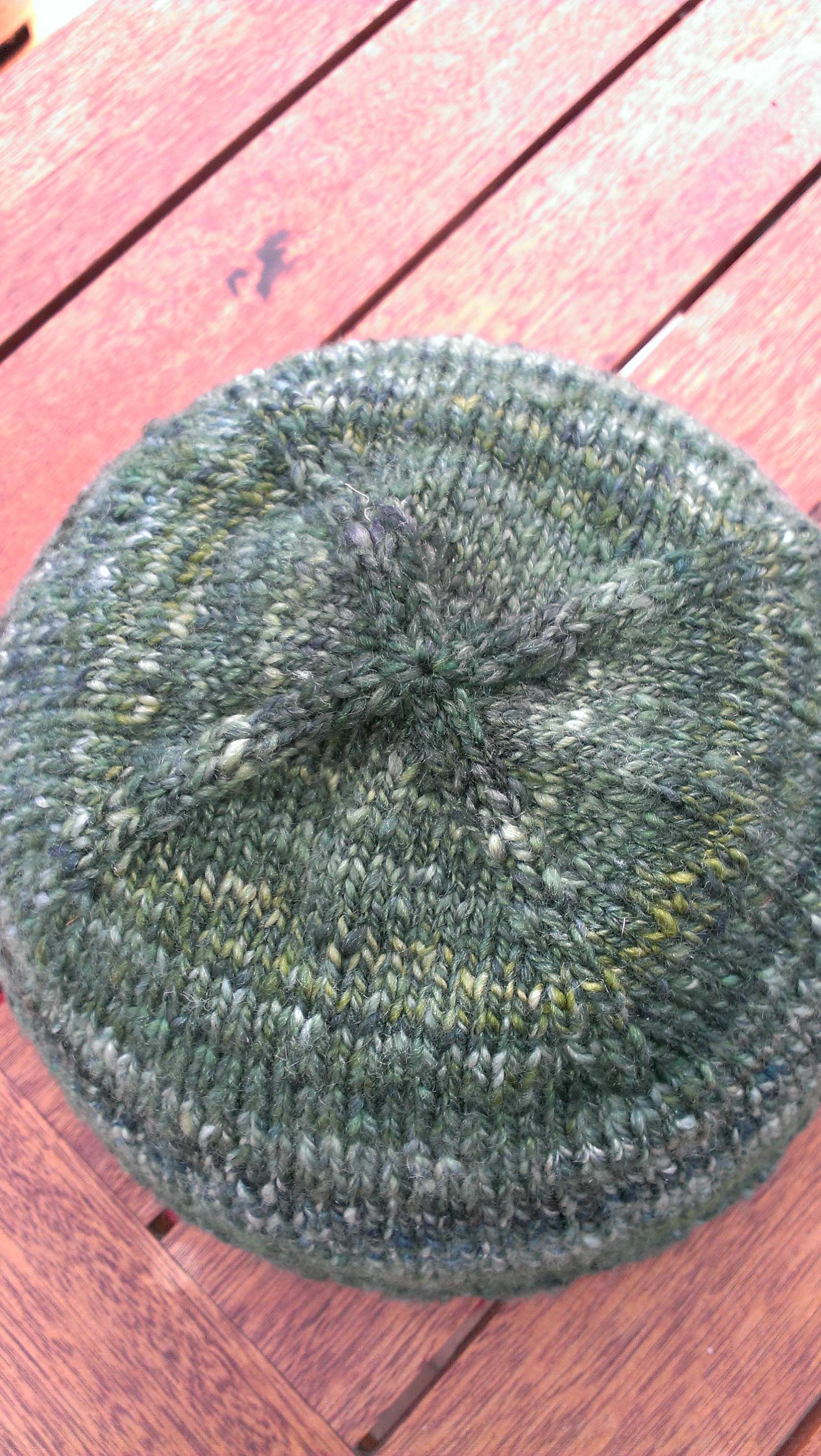
And there has been still another Turn A Square made from the remainder of a skein of luscious handspun yarn.  Here it is, modelled by a particularly willing bowl.

IMAG4414

The distinctive crown shaping of this pattern is so simple, yet so effective. 

IMAG4411

Upcoming public holidays may prove more viable crafting time than recent weeks have done… and I am looking forward to it!  I have plans!


Leave a comment

Filed under Book Review, Knitting, Neighbourhood pleasures, Sewing

Unloved fibres of yesteryear and some eucalyptus dyeing

Some time ago I received a lot of fibres that even the felt group at my Guild didn’t want anymore.  I think this was because I taught a class on ‘novelty yarns’, known to online spinners as ‘art yarns’ or ‘textured spinning’.  It is true, people like Pluckyfluff have been known to spin semi-felted wool and all manner of inexplicable (yet ultimately gorgeous) things–and I’ve done some fairly inexplicable, or at least hard-to-explain, spinning,  myself.  But there are limits!  It seems some people equate artyarn with awful yarns made from awful fibres.  I wasn’t about to inflict most of this fibre on beginners.  What I felt was readily useable, I carded into batts for people to experiment on some time ago,.  Some I turned into trash batts.  Some I re-washed and turned into yarn.  But just recently I found there was still some in my stash.  Some was simply suffering from poor washing.  Sticky and unpleasant to touch.  I washed it.

IMAG4022

The amount of mohair the felting group handed over makes me think mohair isn’t favoured as a felting fibre.  So some was just mohair.  I carded it up and found it was neppy mohair, but still.

IMAG4025

Some was extremely short and rather matted. I would rate this trash batt standard, so carded it up with some longer wool to hold it together.

IMAG4024

Some was low quality alpaca in small quantities.  I carded that with some longer fine wool too.

IMAG4023

I would rate almost all the resulting yarns basically suitable for yarnbombing… or perhaps I should offer them back to the felters!

IMAG4562


Only the mohair really became a yarn of any quality… not too surprising given what went in to the others!

IMAG4584


I also had some small amounts of fibre from an exchange.  One was some kind of ruggy (coarse) wool with lots of contrasting nepps in it, and the other a quantity of a lustre longwool, something like English Leicester.  I checked my perceptions with two spinners of much experience at the Guild and we all agreed on these conclusions, which was a happy thing, suggesting I am learning about identifying wools.  I decided on eucalypt dyes.  In each case I divided the fibre in half, and dyed one half in the first dyebath and the other half in an exhaust dyebath of the same leaves, to get two different tones.  Then I spun the fibres up to retain the colours as distinct stripes.

IMAG4567

And now, back to spinning a large quantity of alpaca…

4 Comments

Filed under Fibre preparation, Natural dyeing, Spinning

Things learned 4

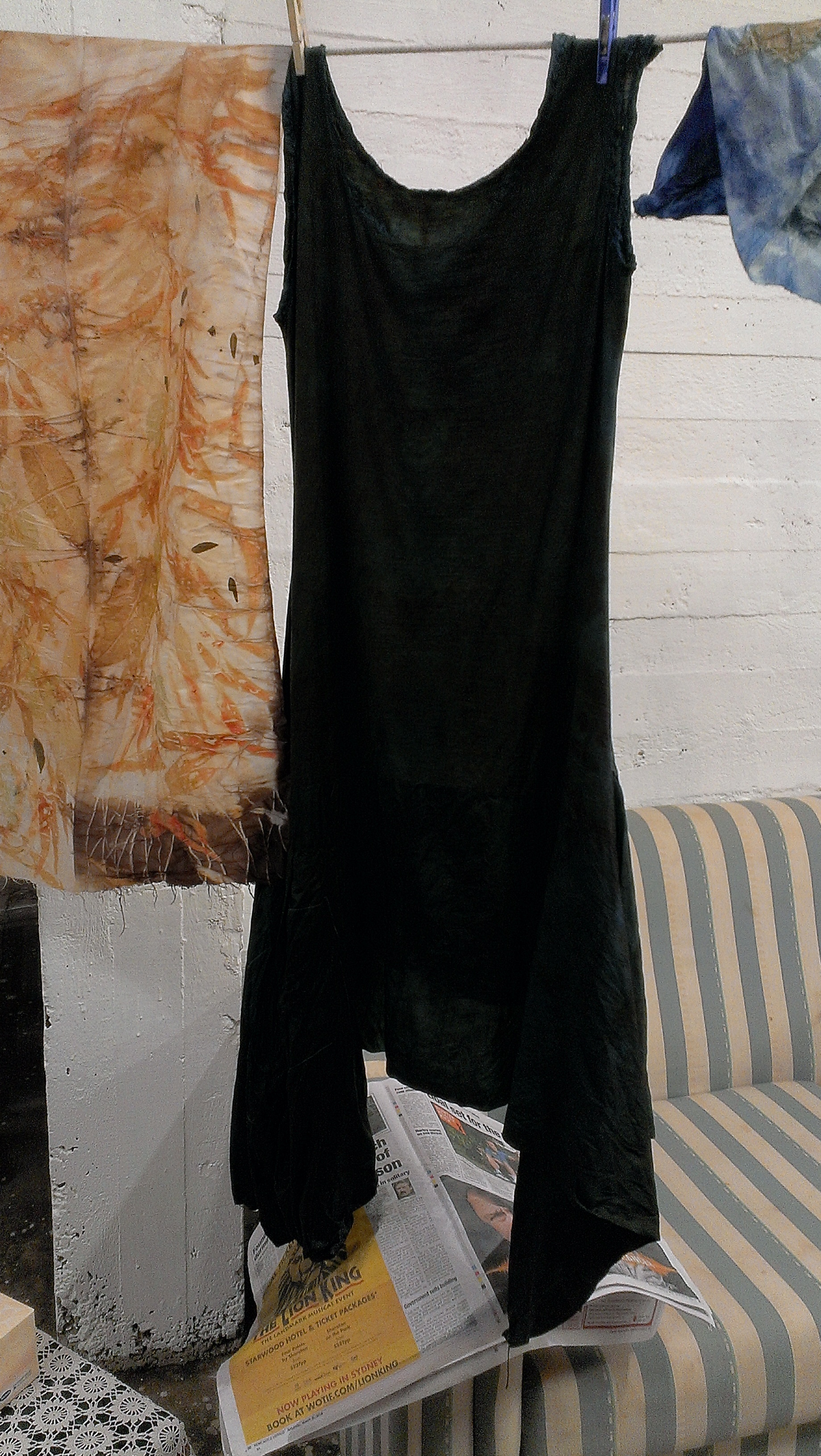
Second Skin offered lots of possibilities for learning-by-looking through the admiration of plant-dyed clothing.  India Flint was wearing her own creations every day and it was a delight to have that opportunity to see them in use and to think about their construction/reconstruction/dyeing. Other participants wore clothing they had dyed sometimes too–also a pleasure to admire.  And India brought along some garments to show. She gave permission for me to show images of this dress.   The upper part (bodice?) is a knit fabric–I am assuming it’s silky merino.  The neckline and armscyes have been bound with a different fabric: a sheeny silk that has taken up dye differently. There’s a lovely leafy detail heading toward one shoulder.

IMAG4311

The skirt of the dress is asymmetrical, and composed of a variety of fabrics, some repurposed.  There is a large pocket in the skirt that might once have been the neckline and part of the front of a shirt, replete with buttons.  I found that a delectable detail.

IMAG4310

This view shows how lush the skirt is.  I loved the generous, undulating hemline and skirt.  India gave a demonstration of how it had been created.  I loved the idea of using a variety of fabrics and textures in a single garment. I’m a plain sewer, as you may have detected, and my mind was abuzz with ideas for using some of the lovely pieces of fabric in my stash of eco-printed fabrics in this way.  Hand-stitching clearly has advantages in creating this kind of garment and coaxing all its component parts into a sweet relationship with one another.

IMAG4304

I found it really interesting to observe this use of eco-printing as a way of creating a series of colour and texture effects, rather than the way I tend to use it, in which I am aiming for images of leaves as a predominating motif.  Here is the same dress again, drying after a dip in indigo!

IMAG4359

5 Comments

Filed under Leaf prints, Sewing

Things learned 3

Have I made it sound as though there was no real making at Second Skin, and it was all about the thinking?  Well, I was surprised by how pleasurable hand stitching and the odd spot of thinking were, but of course, there was making.

It began with string. This was part of an extremely cunning method of having all your measurements to hand without any numbers attached to them.  Hand twined string is further evidence of human genius, from my point of view.  I first learned how to make it from a basket weaver and was delighted and intrigued from that point forward.  Usually I make it from daylily leaves.  But this application of it struck me as further genius.  I know I always hate the part of pattern using where I have to compare my measurements to those contemplated by the pattern drafter.  Let me tell you, “The Vogue Body” and the one I am getting around in have little in common!  So many women’s feelings about clothing are really just feelings about our own bodies in the context of an environment where very few of us have the idealised shape and there is a lot of unwanted critique of female bodies.  What genius to sidestep a large part of that drama and along with it, simplify the process of design.  My string is made from tired old cotton that didn’t improve in some dye bath or other, but there were glorious examples of silk string, beautifully crafted by my fellow workshop participants.

IMAG4246

Then there was the infinity scarf.  I made two, because when I modelled a plain cream version for my daughter she liked it so much I stitched all evening to hem hers and bundled it next day along with the frocks… and promptly forgot to take a picture.  Mine, of course, still needs one hem!  But it has been touched by indigo as well as leafy goodness of other kinds:

IMAG4487

I like it very much!  I’d better finish the hem…

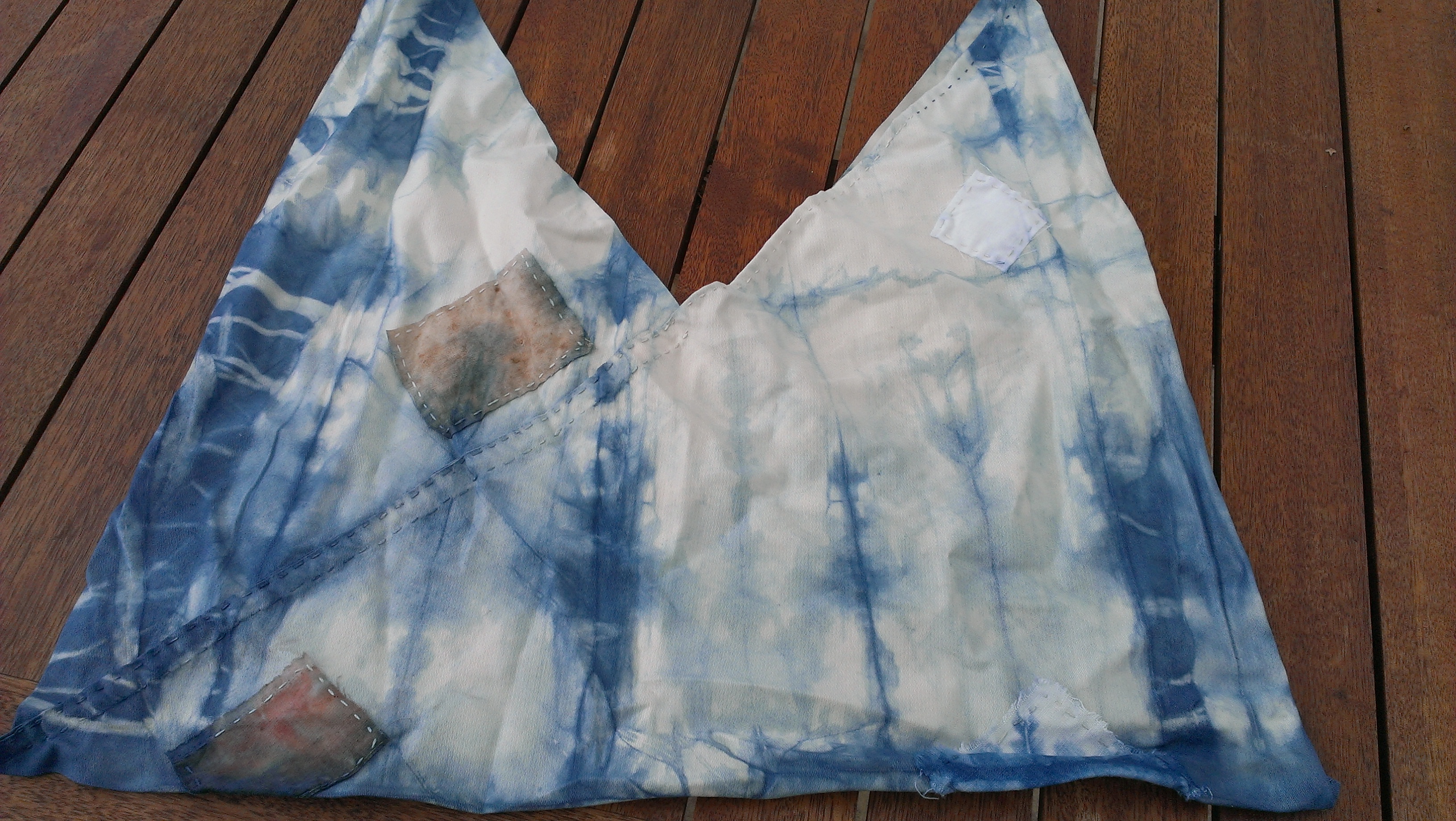
We had the good luck to be at Beautiful Silks in the aftermath of workshops on Indigo.  The bag below has also been dipped…  India said that this style of bag revels in the name tsunobukuro (I hope I have that right), which evidently translates as ‘horn bag’, because, of course, it has horns, which you tie together to create a handle.  Japanese design is so often beautifully economical–I did not fully grasp the geometry of this bag, but made it anyway and finished it a few nights ago.

I am not sure I can explain the feeling I have about ‘hornbag’ as an Australian…  and perhaps people who haven’t encountered Kath and Kim won’t be able to understand even if I try to explain this Australian phenomenon.  Those want to try could start with Wikiquote’s take on it.  I won’t trouble you with a critique of Kath and Kim right now, after all, we’re talking about things learned and things made!  Anyone in Melbourne could still take advantage of the fermentation indigo vats at afternoon sessions using them at Beautiful Silks.  The vats were set up when master indigo dyer Aboubakar Fofana was there recently.  Our getting to use them was an unexpected bonus.
IMAG4485

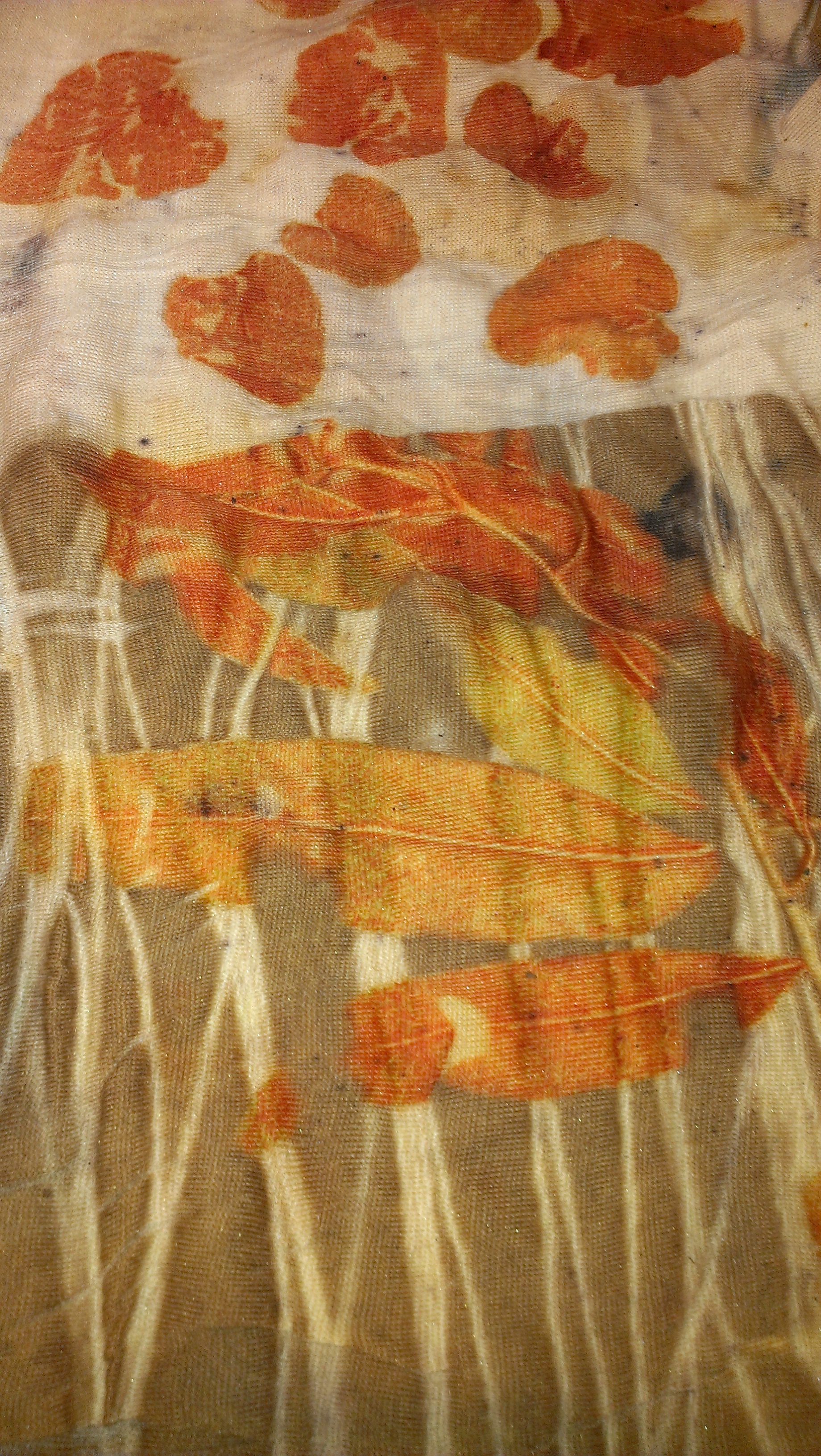
And finally, there was a dress.  It features E Crenulata leaves, happily found in a park near where I was staying.  India said: ‘everything will be beautiful in the end.  And if it isn’t beautiful, it isn’t the end.’  I think this is a beautiful piece of fabric, and I learned a lot from turning it into a dress.  Partly because of my feelings on the subject of myself in a dress, and partly because of the inevitable features of a first attempt (in my case), I think this isn’t finished.  Or perhaps it is finished, but I haven’t found its true owner yet.  But I am still glad to have made it and learned from it.  That’s enough for me.

IMAG4349

My eyes popped out when I saw the number of hits on this blog for today, (it’s usually a friendly but low traffic part of the glorious online universe) and then I realised there was a link in from India’s blog.  Thanks for stopping by if that is what brought you here.  If it wasn’t, and this workshop sounds like it’s for you, India Flint is running this workshop in Victoria later in the year, and there may still be places if that sounds like the holiday for you!

35 Comments

Filed under Natural dyeing, Neighbourhood pleasures, Sewing

Things learned 1

I finally went to a workshop with India Flint: Second Skin, at Beautiful Silks in Melbourne.  It’s an extravagant thing to go to another city and spend three days doing things you enjoy for the sheer pleasure of doing them and learning more–and what a treat it was!

India began each day with a stretch and a lovely metaphorical invitation to focus on the here and now of our time together.  Each time we did it, I thought some more about how I don’t do this at the beginning of my days, but that they would probably go a lot better if I did.  I loved spending that little piece of time with my mind on an image, before leaping into the excitement or the sheer tasks of the day.  I managed to remember to do it again at work once this week so far…

IMAG4275

I thought a lot about being a teacher at this workshop.  I make my living teaching.  One of the reasons I spend a lot of time learning is that I love learning and I think human beings are one of the few creatures who must, of necessity, learn for the entirety of our lives.  I think it is a skill for life as well as a delight.  But another reason is that as a teacher, it is immensely helpful to be a learner over and over again and be reminded constantly of the joys, frustrations, excitements and fears that attend learning for most of us.  To be confronted by places you thought you understood and suddenly realise you didn’t.  To see the bigger picture open up.  To feel fear of failure.  To find some things work for you and some don’t.  To notice you learn differently than others.

IMAG4267

I always find it very interesting to be in the presence of a teacher whose approach is really different to mine.  I think that great teaching draws on the whole of who you are as a person, and it is only right and appropriate that there are many great teachers whose styles and approaches are exquisitely different.  India is unquestionably a deeply different teacher than I am. I have often thought that Eco-Colour and Second Skin are more inspirational than instructional.  That they invite experimentation rather than providing a step by step guide to anything.  I don’t mean there are no instructions in these books.  Of course, there are.  But I think the weight of India’s teaching strategy is on inspiring and challenging people to make techniques their own and to discover what is local and useful to them in their own lives and environments.  I am much more of an instructor, and this is, in part, because I’m a structured and linear thinker, comparatively speaking.  Freeform creativity… not so much!  I have spent quite a bit of time in the last few years honing my capacity to deliver a short, inspirational speech, because I notice that while I see usefulness in a technique or skill and set about practicing it until I’ve mastered enough of it to satisfy myself, many others do not feel moved in this way (at least, in my current context).  I love to be inspired, but I can accept less and still feel motivated and act on that motivation.  I notice a lot of other people can’t.

IMAG4268

I was so impressed by India’s capacity to inspire.  Understand that I don’t wear frocks and went to a class where you make (among other things, but principally) a dress.  Understand that when I make a garment I usually start from a pattern or draft one from a garment because I don’t believe I have much capacity for design.  Also, understand that the expression “measure twice and cut once” was liberally applied in my childhood.  This is the base from which I watched India demonstrate zero waste drafting of a dress and then freehand cutting the design, with many examples of how this might be adapted or modified or experimented with.  I eventually found myself thinking that this was so exciting it was a shame I couldn’t just play with these ideas every day for the foreseeable future… I could picture all manner of things taking shape in my mind.  Curiosity, play, particular fabrics I have at home, shapes… then, a short while later, I was standing in front of a length of rather expensive and lovely fabric, with a pair of scissors and a hand-twined string.  Terrified!

IMAG4269

It was pretty funny, and partly because I have watched people I teach having that sense of possibility and capacity, and then watched them attempt something new and feel their fear return and their doubts re-enter.  If you’re lucky, courage and inspiration win out until the first hurdle has been mounted, a sense of possibility begins to solidify and the hard work begins…

IMAG4273


13 Comments

Filed under Natural dyeing, Sewing