Indigo dyeing

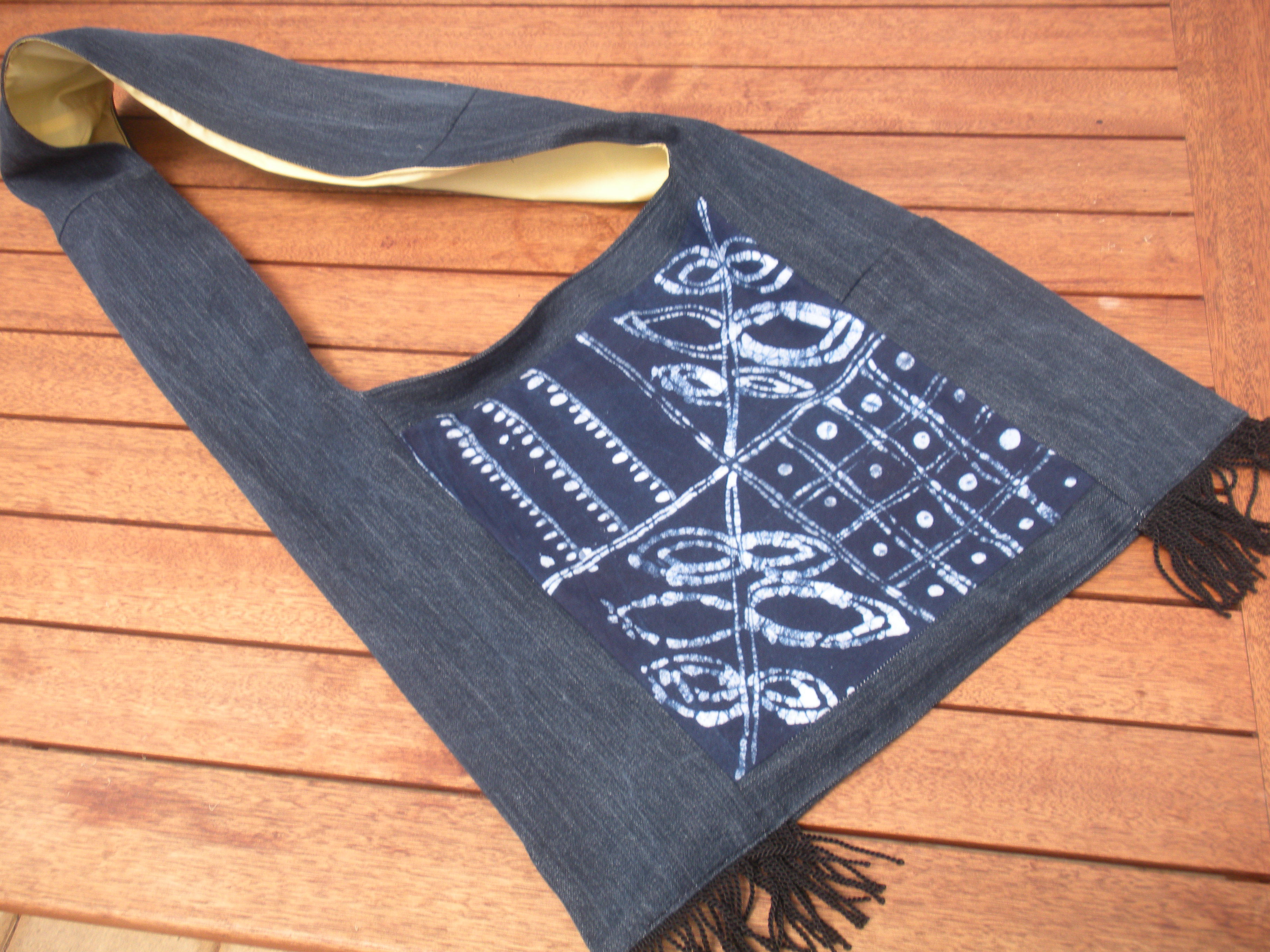
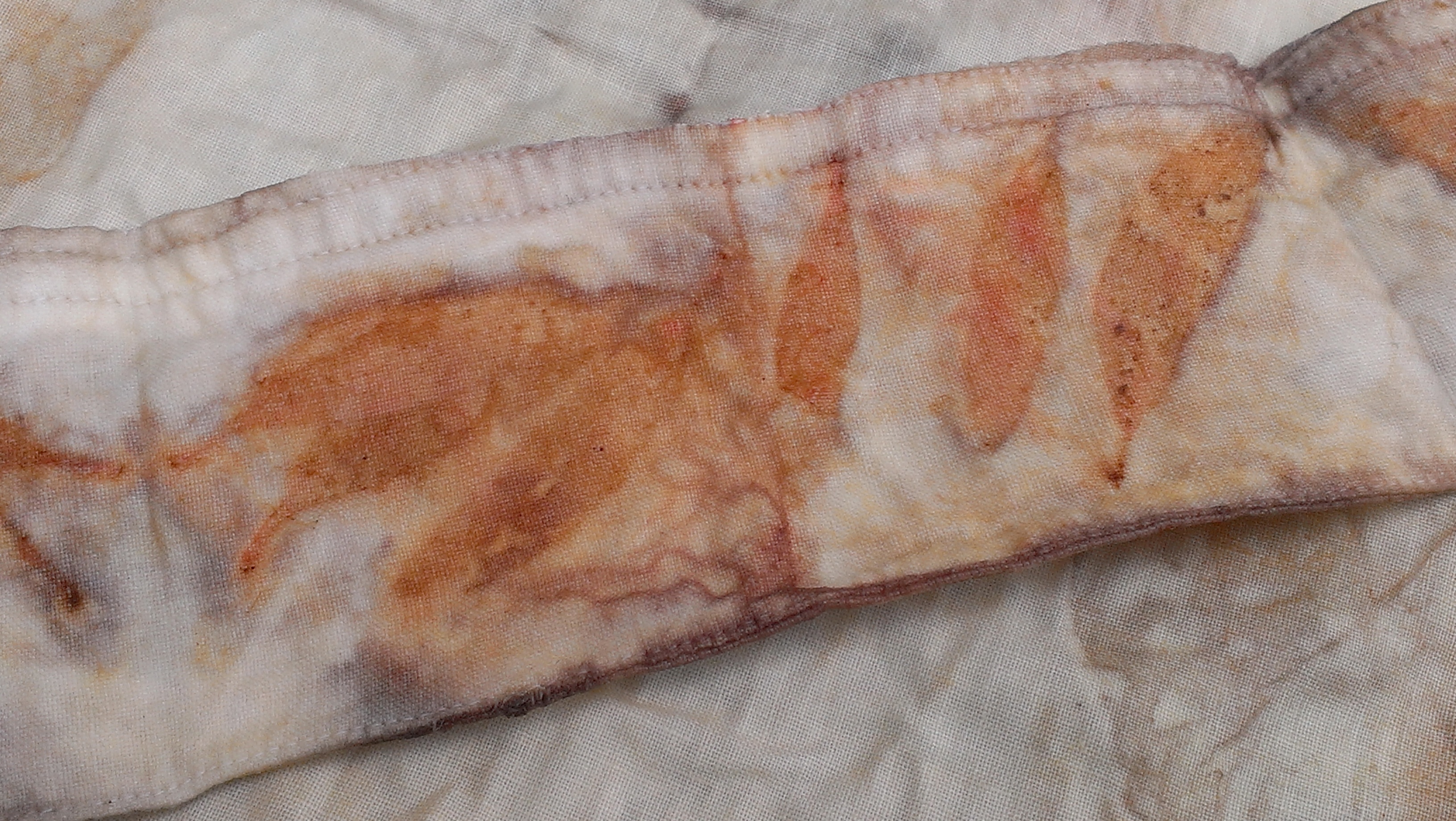
A while back, I did a workshop on Nigerian Indigo dyeing with CraftSouth.  The tutor was the fabulous Oluwole Oginni.  I highly recommend this workshop, part of a series of Traditional Craft Workshops.  Indigo dyeing wasn’t offered in 2012 but hopefully there will be another opportunity.

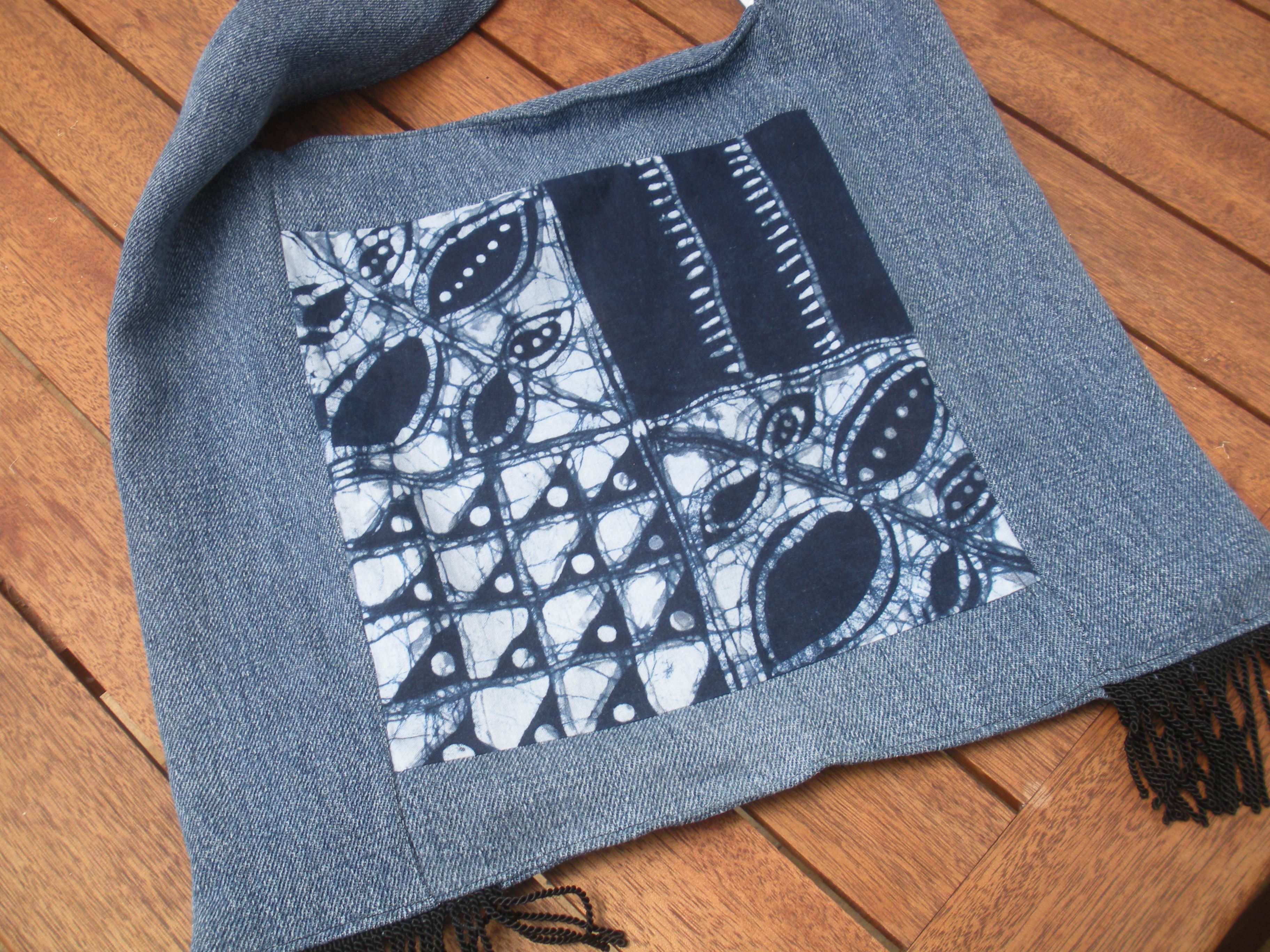
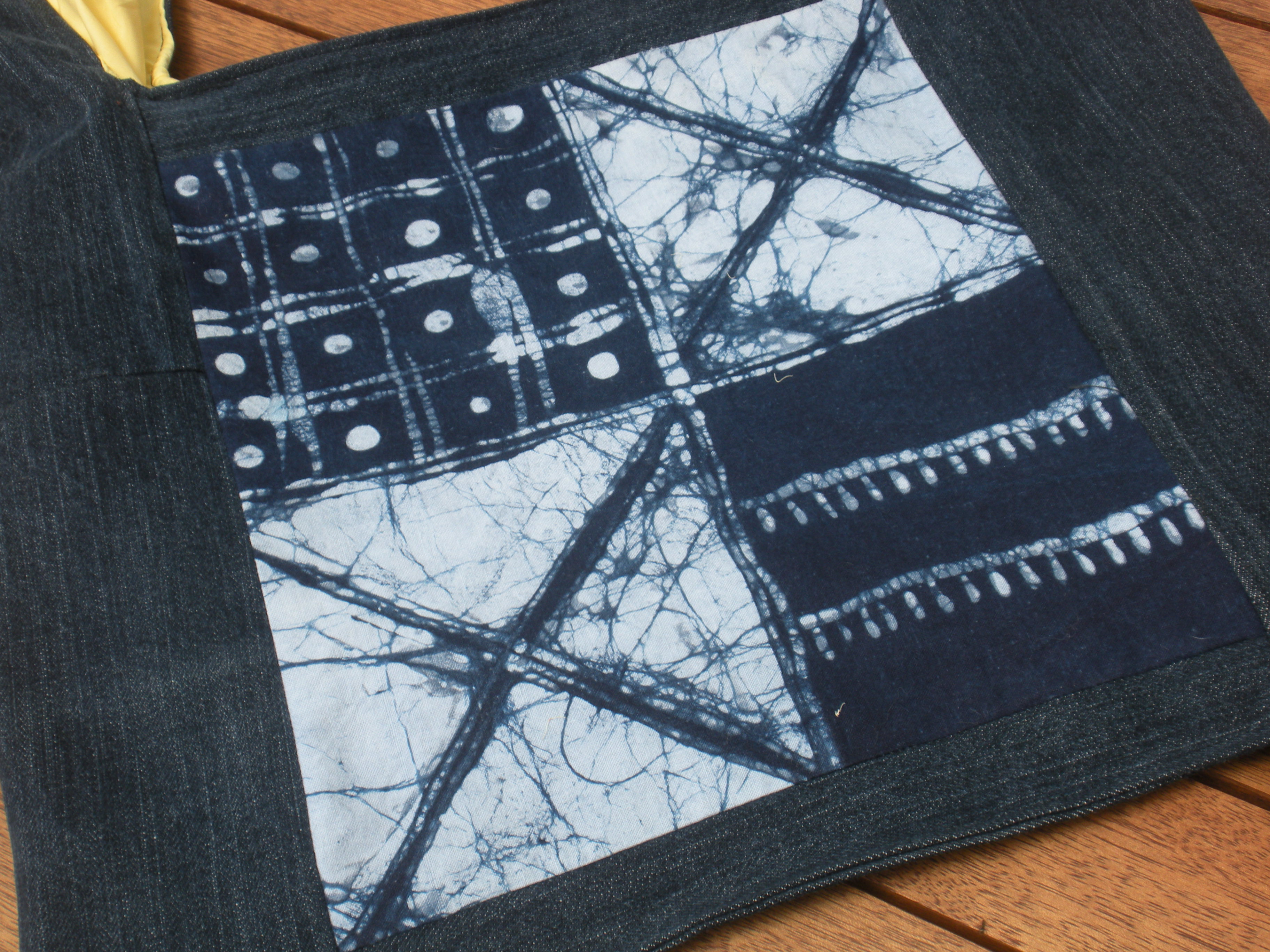
We used wax resists and then dyed with indigo, using several dips.

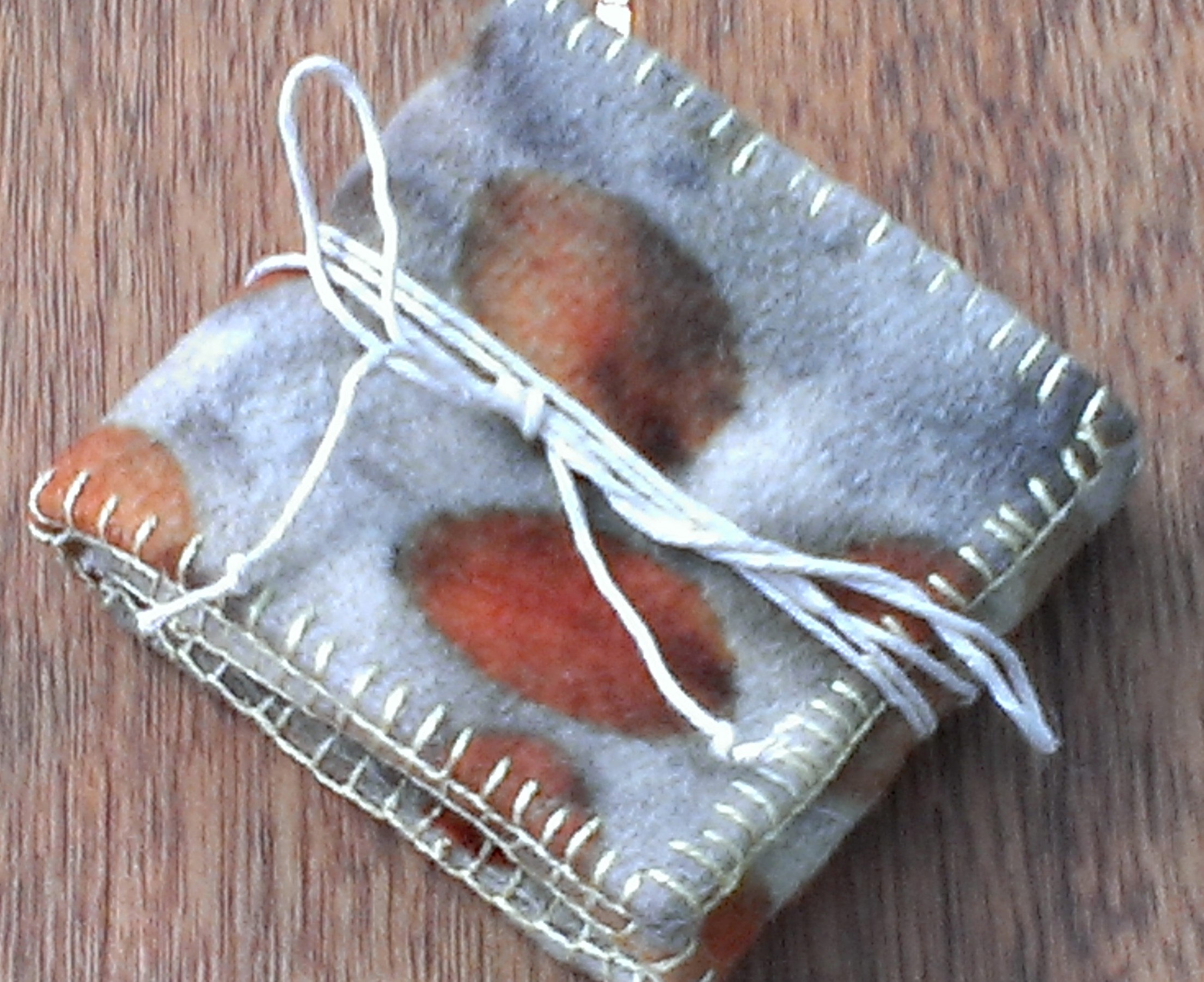
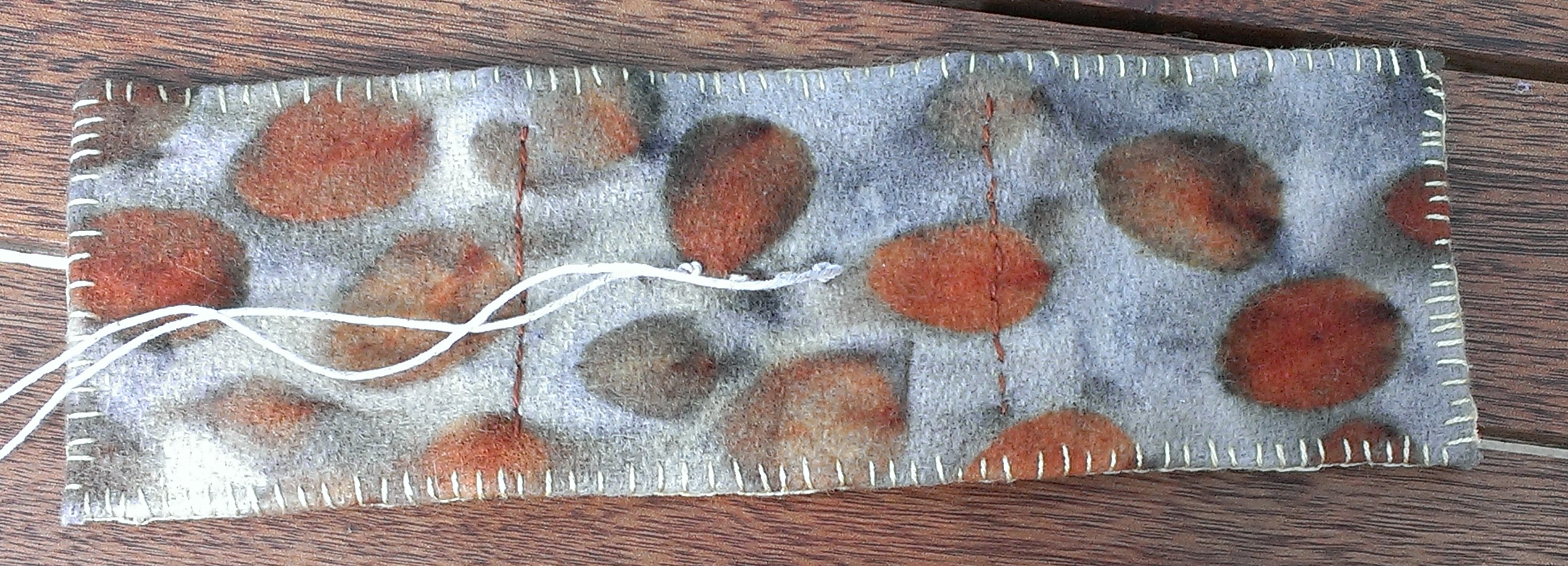
I turned some of the fabric I worked on into these fully lined bags.

The denim is from recycled jeans, one pair to each bag!  This pair are a hemp blend.

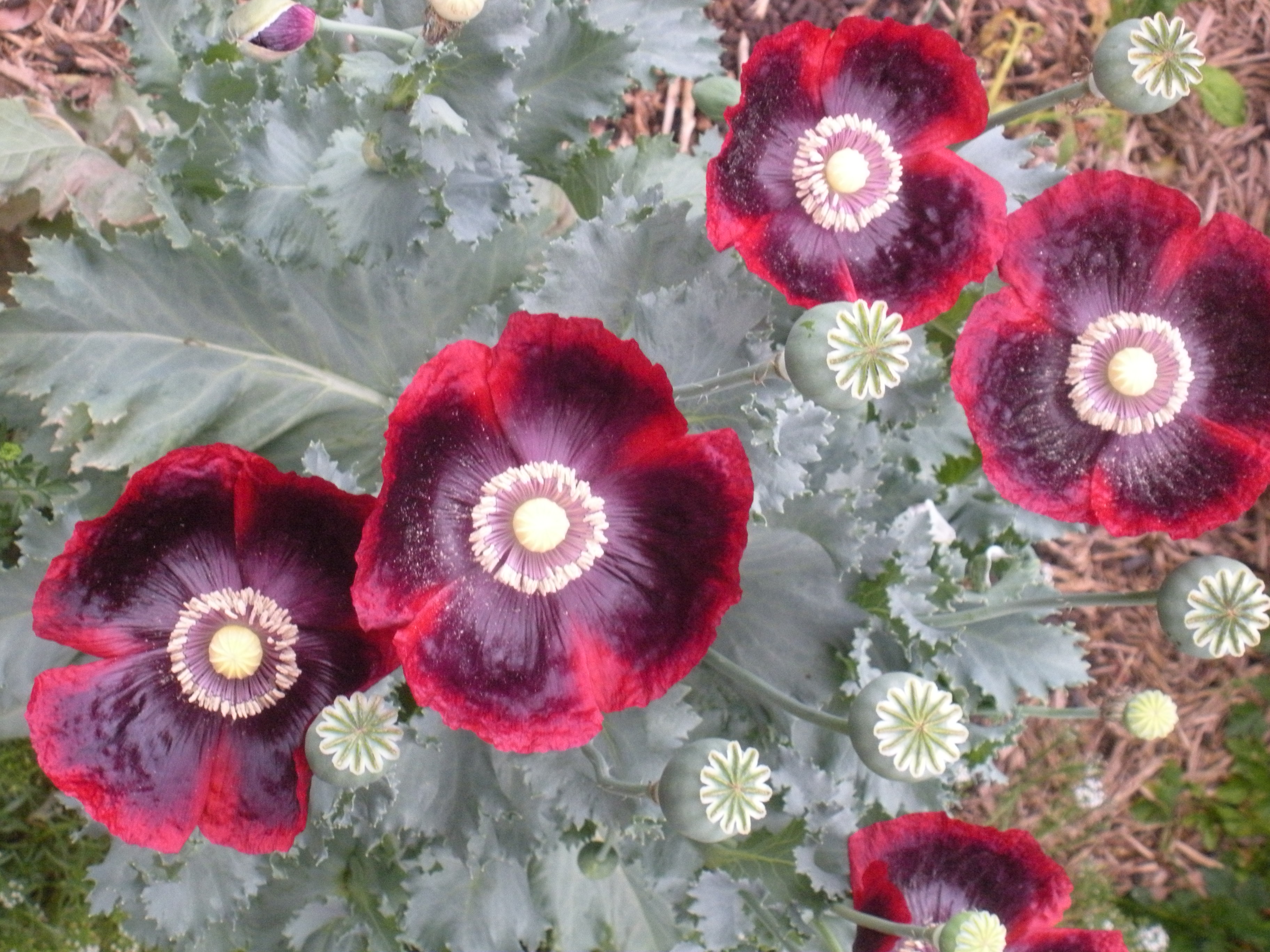
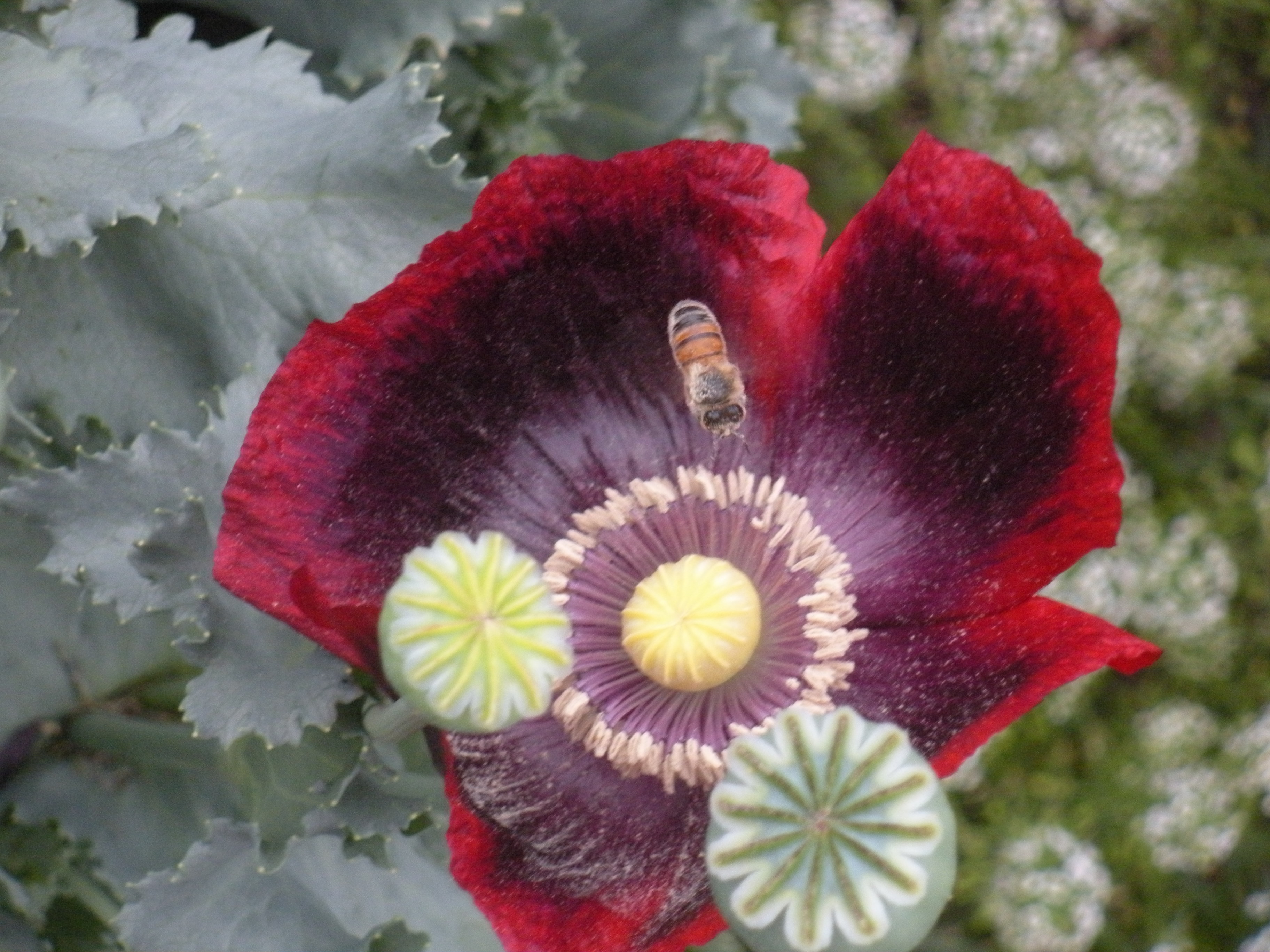
And since we’re here… a couple of gratuitous pictures of a poppy that came up in my garden.  I can’t really claim to have planted it, though it bears a strong resemblance to some blood poppies I grew years back from a gift of seed.  But it was beautiful, and the bees love these flowers.  It is winter here now and I have just a few of these poppies beginning life in the garden, which have escaped the caterpillars.  So here’s hoping for more flowers later in the year!

2 Comments

Filed under Sewing

Embroidery for the heart, from the heart

One of my friends is a poet, and a social worker.  She has spent years dedicating herself to the wellbeing of the people in the locality where she works, a place where poverty and violence have taken their toll, creating tough lives.  She witnesses people’s skills and talents in the face of difficulty and enables the bringing into existence of new connections, new skills, new capacities and new lives.  She helps those who must escape violence to make that difficult, vital journey into new lives without abuse.  I am full of admiration for all that she can do and all that she is.

IMAG1901

She has been facing some powerful challenges of her own in the face of government budget cuts and policy changes.  I have been thinking of her a great deal.  There is one poem in particular that brings her solace.  I decided to embroider it for her.  It has been a pleasure to spend so many hours thinking of her, holding her in my heart and wishing her well.  I’ve stitched the words on hemp dyed with indigofera australis and thread dyed with indigofera for blue and silky oak for yellow.

Leave a comment

Filed under Natural dyeing, Sewing

Small things…

They say ‘small things amuse small minds’. I think that if you can be amused by small things, you can be amused and delighted on a regular basis.  And that small things are often delightful.  Moss, for instance.

IMAG1909

This is such a small thing. I loved Cossack Design’s needle safe, and what with all the embroidery going on round here, I decided to make my own needle case.  I think the last one I made was created in my primary school years–both long gone. 
IMAG1919 (1)

I decided on golden stitching for the edges, so dyed some silk with Silky Oak (Grevillea Robusta) leaves.  A nod to Ida Grae of Nature’s Colors fame for the recipe, wherever she may now be.  Hopefully hale and hearty and dyeing away though apparently no longer publishing.  How wonderful that she figured out this dye plant–which is native to Australia–from California!

IMAG1882

Here is the thread…

IMAG1914

And the inside of the needle case. These two fine scraps of recycled woolen blanket and that lovely piece of cotton string saved for just such a special occasion have found happy homes at last.

IMAG1917

7 Comments

Filed under Dye Plants, Eucalypts, Leaf prints, Sewing

Plum Pine 5: Lightfastness

Having discovered that plum pine had so much potential for colour, I felt obliged to test for lightfastness and washfastness. This is my lightfastness testing apparatus on the day I set it up: it is a none too sophisticated set of threads wrapped around card, inside a heavy card envelope with a window cut out of it, which has been sitting in the front window since 23 June 2013.

IMAG1602

At the top, 3 silk thread samples, handspun Wensleydale, handspun Polwarth, two shades dyed on BWM alpaca rich and finally, two shades dyed on Patonyle (superwash woool+nylon blend).

After over a month in the (winter) sun, fading is quite evident.  I realise now that I could have made a lightfastness test which made the results clearer, but you’re stuck with my limitations on this learning curve. If you squint, you can see the original colour at the sides.  The fibre that performed best was the handspun wensleydale with alum.  It was also the winner on the washfastness test.

IMAG1890

I have to say that I think I have chosen well in using the bulk of the yarn I dyed for some slippers (they are Fibertrends Clogs), which might spend their lives tucked under a bed and come out only at night!  Here they are awaiting felting…

IMAG1889

And here they are after a wash at 40C, with some commercially dyed companions.

IMAG1906

5 Comments

Filed under Dye Plants, Dyefastness, Natural dyeing

Plum Pine 4: Washfastness

I decided the obvious way to test for washfastness was to wash.  So I embroidered with the plum pine fruit–no mordant–silk thread, and with the plum pine fruit-with alum and cream of tartar on a piece of cotton… and added a little eucalyptus dyed silk thread for good measure.  Not the best example of embroidery ever seen, but it will do the job.  The two upper examples were purple (like the thread on the cards) when they went into a normal wash–30C with eco-detergent.  One wash later, the no-alum sample is grey and the with-alum sample is green-grey.  Eucalyptus shows its true colours yet again.

IMAG1655

Yesterday I tried washing my sample cards at 40C with eco-balls (we have laundry variety here, as you will shortly understand) and they were still purple when they came out of the wash.  Interesting… this made me wonder if part of what is going on here about Ph.  Detergent would be more alkaline than eco-balls.

After 4 more washes:

IMAG1892

You might remember that I did some darning with my early silk samples.  They have not fared well either–but the mending is still doing the job!  The pink is still pink, but much faded after what I would guess as being about 8-10 washes.  The purple is blue, and paler.

IMAG1894

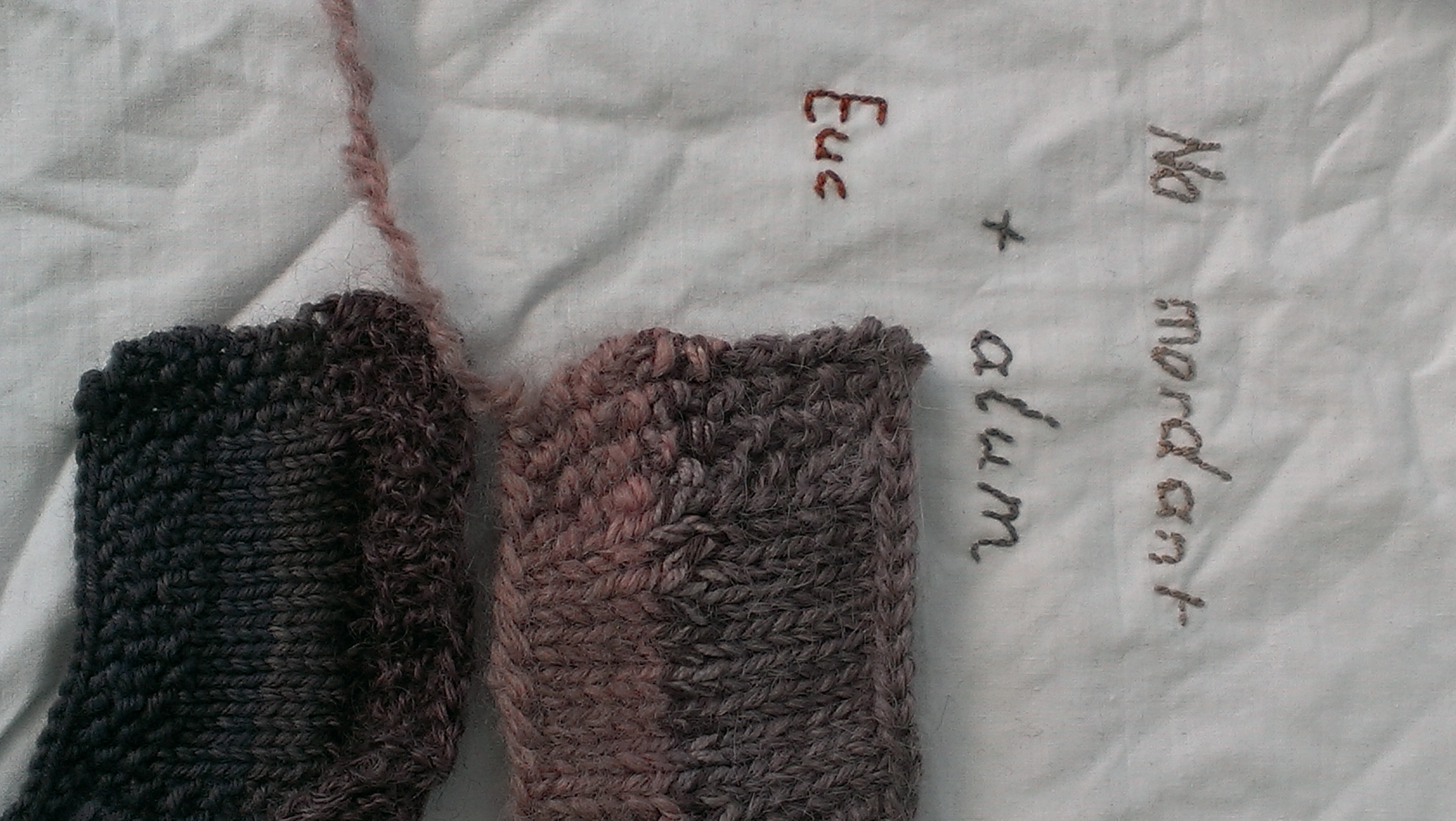
I knit some test samples from my yarns.  They fared better, washed with other woollens, cold with soapnuts rather than detergent (if anything, a slightly acidic wash).  The sample on the right has two shades of plum pine with alum and CoT on BWM alpaca rich, with a band of cotton used to tie the skeins in between because this yarn took so much colour during the dyeing I was curious.  The sample on the left has two shades of plum pine on patonyle (wool and nylon superwash sock yarn and a sample of handspun Wensleydale).  One has gone from purple to grey and the other from purple to blue.  Blue?  Before:

IMAG1661

After, with unwashed BWM Alpaca Rich in the background for comparison.

IMAG1893

Well then.  Not what you’d call really excellent washfastness. And some new mysteries to ponder, as usual.

3 Comments

Filed under Dye Plants, Dyefastness, Natural dyeing

Unknown Eucalypts

IMAG1422

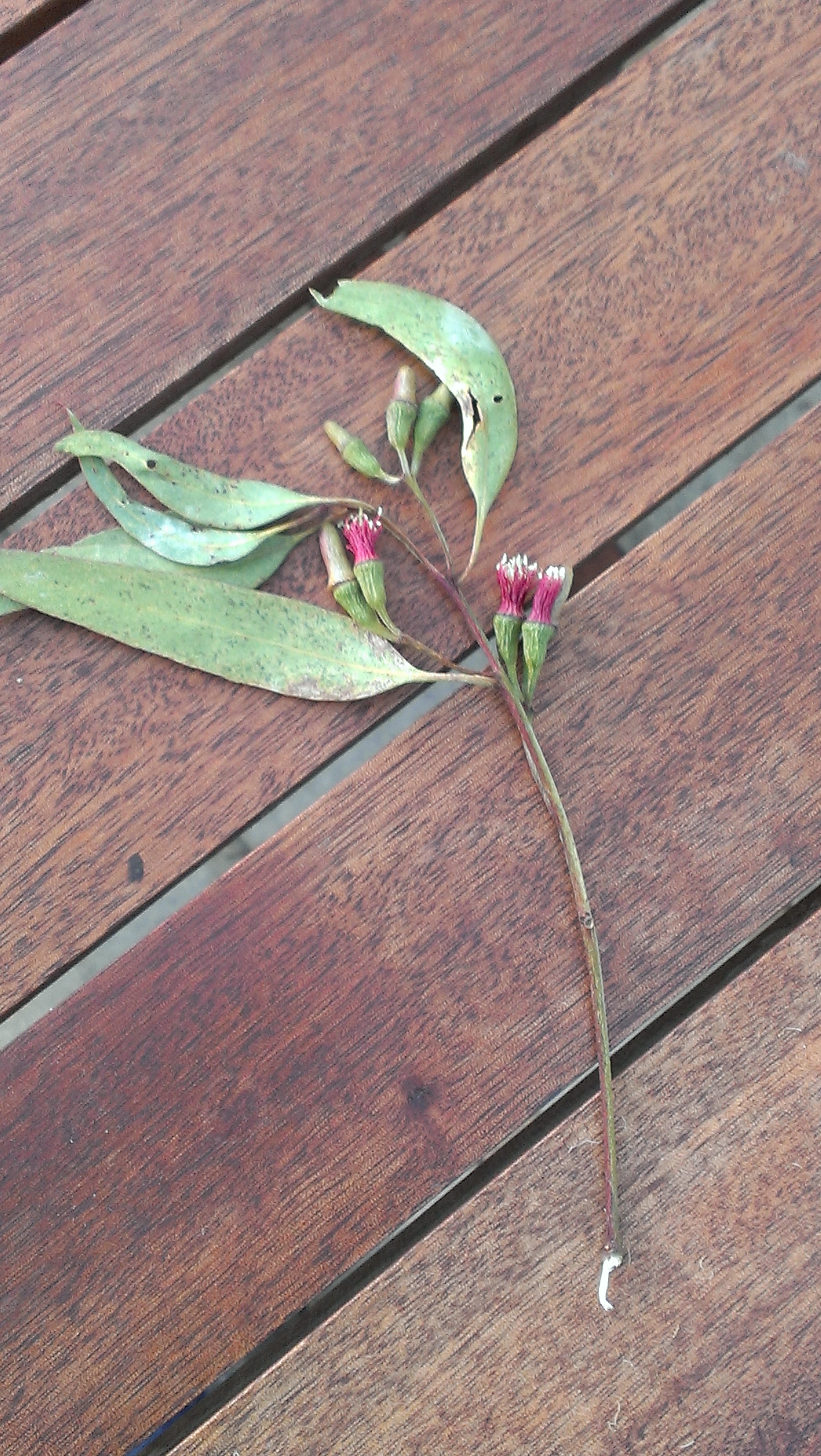
I found an unusual looking eucalypt in bloom on my favourite running track. Which means I had no camera and no bag with me.  This is a small dried sample… The tree has a lovely bronze, smooth trunk, with bark peeling in strips.  Euclid isn’t speaking to me at present but perhaps later identification will be possible with those wonderful red flowers!

IMAG1419

There is a smudge of red among the orange leaf prints these leaves gave…

This is my second unidentified eucalypt.  It was growing in Botanic Park when I rode through recently.  It had been raining and this extremely tall tree had lost some twigs, leaves, buds and flowers.  Sadly, no one had given it a name tag for my edification… but it seemed an opportunity too good to miss.

IMAG1427

Or on the other hand… further evidence that there are Eucalypts which give very little colour!

IMAG1434

4 Comments

Filed under Dye Plants, Eucalypts, Leaf prints

Guess what I saw in Sydney…

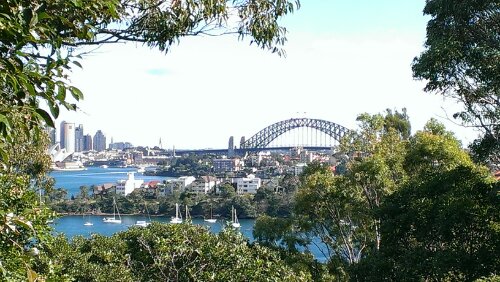
I’m in Sydney on holiday and today I went to Taronga zoo, which is on Sydney Harbour. The views are spectacular.

image

So are the animals. I especially loved seeing some of the nocturnal native animals like quolls and bilbies, but there wasn’t a lot of point in trying to take pictures. Likewise for the spectacular but small corroboree frog. However, one of our national emblems was entirely obliging.

image

And… There were so many beautiful plants. Including Austral Indigo. Here it is in between some trees, growing in grass. Can you pick it out? This plant is about waist high. It is not a dense shrub by anyone’s measure.

image

And while we’re looking at native plants… Sydney is a great place for banksias. Here is one lovely specimen.

image

Leave a comment

Filed under Dye Plants

Who knew embroidery could be so much fun?

IMAG1378

I have been so inspired by other dyers’ work with naturally dyed embroidery thread that I decided a while back that perhaps I could include some silk thread in my many dye pots.  I dyed a large quantity of wool in small batches over the last few months, so there have been quite a few opportunities.  Really, I had friends who like to embroider in mind at the time.  I thought I could gift them my little lengths of dyed thread.  However, a vast new plan has sprung into my mind.  I dug out the embroidery hoop I brought home from an op shop years back, but have never used.  It helps enormously but also makes embroidery rather louder than I had anticipated, as if the fabric were a drumhead!  I did not expect to find embroidery so thrilling, or so noisy.

This new project has had me out and about in the neighbourhood visiting species of eucalypt I use less.  There have been some  surprises.  The two spindly E Websterianas with their minnirichi bark and their heart-shaped leaves are gone!  They were not thriving in that location just a few blocks away, I admit.  But I am sorry to have lost them (let alone that someone probably took all that leafage to the dump).

Another day I went to two different E Scoparias, walking further to get to the one which dependably hangs low when I couldn’t reach the leaves of the closest.  Gone was the lush straggly undergrowth that used to surround it, and gone was the low hanging branch.  I am not sure whom it had offended.
IMAG1384

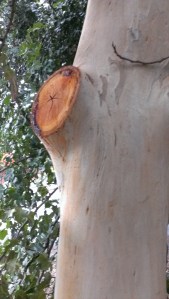
At least the tree is still there, snuggled up to an equally large carob tree.  Since major infrastructure came to my neighbourhood and trucks became a constant form of traffic through streets large, medium and small, the low hanging branches of many of my favourite trees have been removed.  Apparently no one was considering the suburban gleaner at the time…

On a subsequent trip, I discovered that the largest, most luxurious E Scoparia in my neighbourhood, whose tree hating neighbour had me worried when I was collecting bark, has been pruned with a chain saw so that no longer do its lovely leaves hang anywhere I will be able to reach them without a ladder.  Luckily, the bark will fall where I can reach it, and the tree is still there despite having such a determined human enemy.

12 Comments

Filed under Dye Plants, Eucalypts, Leaf prints, Natural dyeing, Sewing

Davidson’s Plum

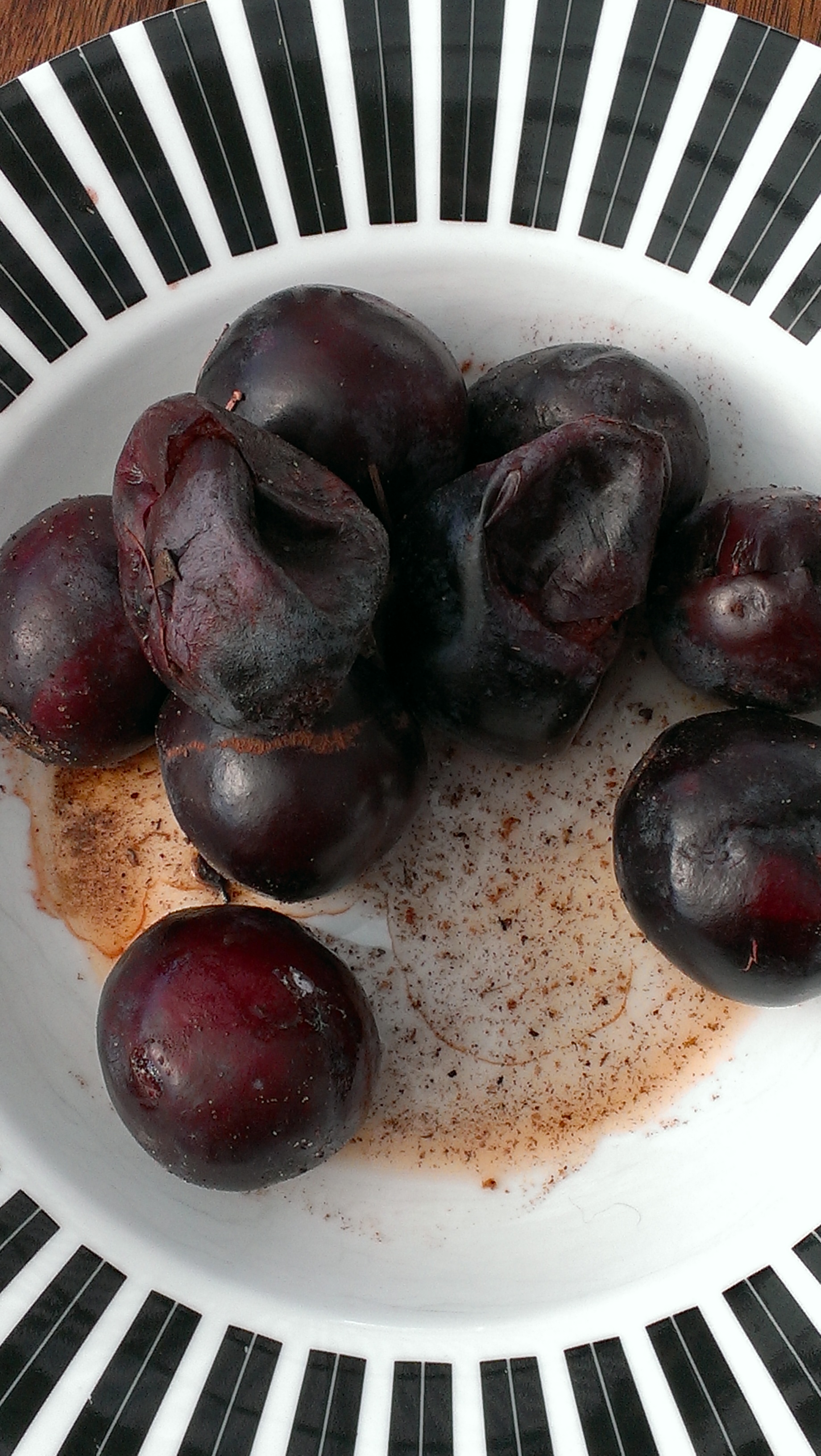
In the interests of experimentation, when I came across some fallen Davidson’s Plums recently, I picked them up and carried them home.  As you do!

IMAG1754

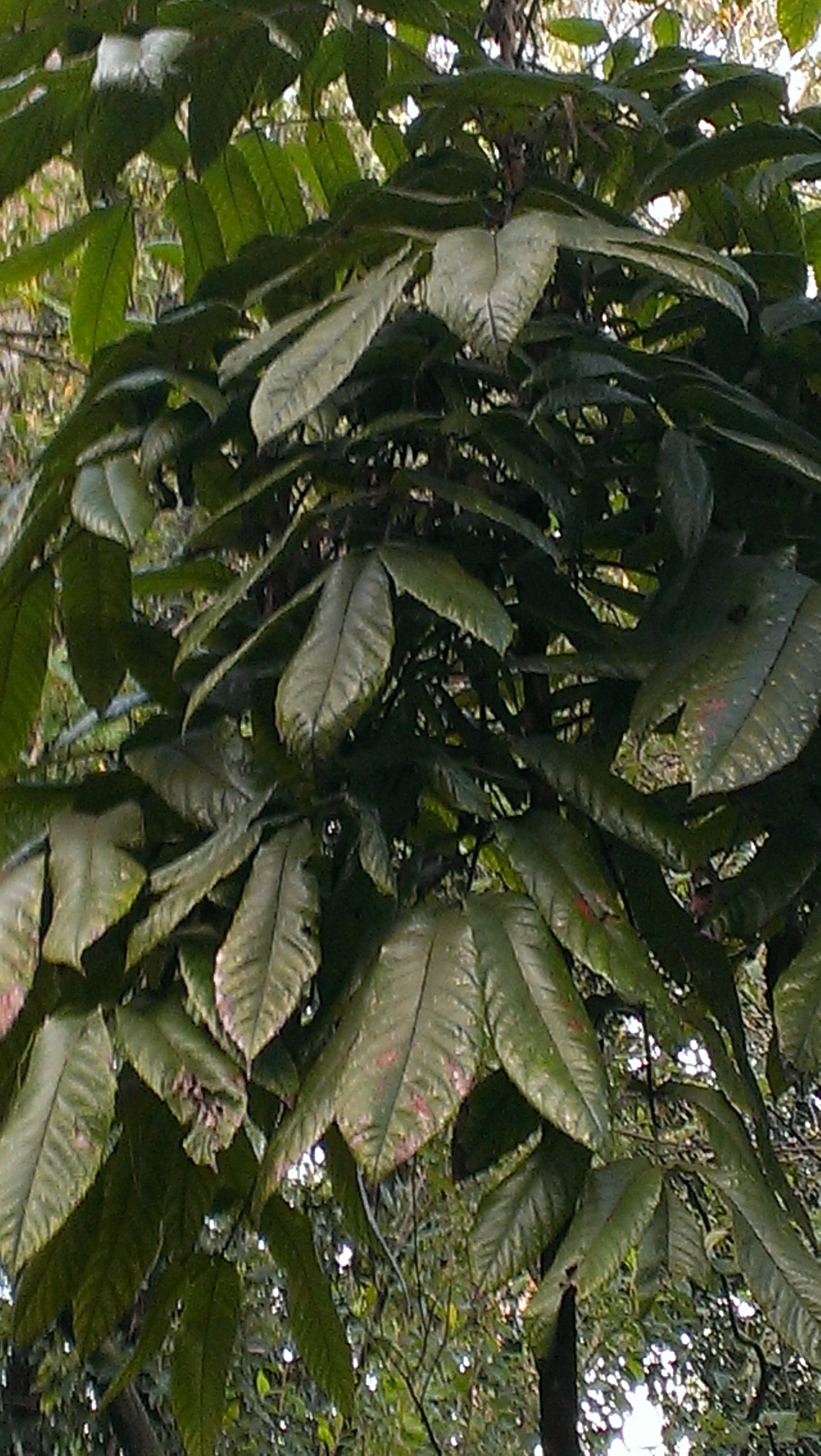
This is a rainforest tree, native to Queensland: Davidsonia Pruriens.

IMAG1743

It’s narrow and tall and the fruit are surprisingly large (many native fruits are small by comparison with the European cultivated fruits they reminded colonists about).

IMAG1744

There might be a way to get colour from these fruits.  But the way I chose (cooking the fruit and applying to alum mordanted fibre) is not really one of them.  The alum mordanted wool turned a pale tan–and this may be a generous interpretatio– and the alum mordanted silk became ever such a pastel shade of apricot.

IMAG1775 (1)

5 Comments

Filed under Dye Plants, Natural dyeing

Tour de Fleece continues…

Have I mentioned that I’m participating in the Tour de Fleece, spinning each day during the Tour de France?  Clearly this strikes a lot of people as a truly bizarre and quaint pastime. I am not an especially sports loving person, so from my point of view, this is great sport!

I have been spinning more of my eucalyptus dyed grey corriedale.  I loved the 3 ply yarn I made from it, but it isn’t going to make gauge for the cardigan I now have in mind and will stripe in a way that won’t work for it either.  This may be a clue that I should make the cardigan from some other fibre, of course, but I decided to try 2 ply, which raises entirely different issues about colour blending.

IMAG1776

I’m struggling to get the colours to show right in photos… but this approach clearly will even out the colour variations without making them disappear.  And perhaps it is time to try a swatch to discover how I am doing on gauge.  I have been feeling squeamish since plying… two plies of different colours is not something I would usually be aiming to achieve.  My beloved has offered the view that the yarn is lovely and will look ‘tweedy’, which sounds good to me…

5 Comments

Filed under Eucalypts, Natural dyeing, Spinning