Tag Archives: alpaca

Spinning, mending and a gift of hand-knit eucalyptus-dyed socks

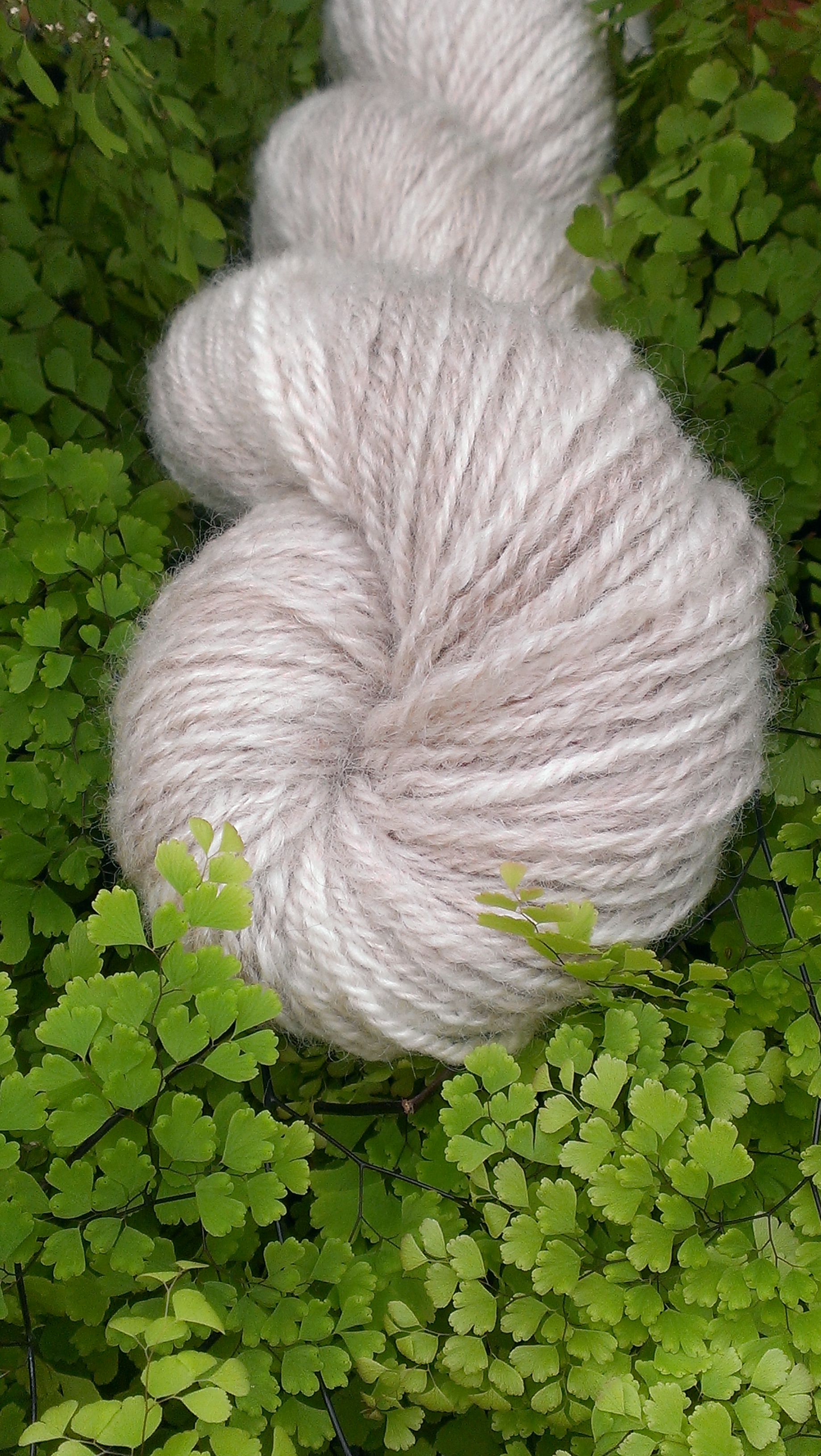
I keep thinking I’ll get knitting on some big project or other… but I seem to keep spinning instead. Alpaca dyed with eucalyptus keeps happening…

2014-06-15 13.07.19

There has been some random polwarth spinning from batts I prepared some time ago (and full of nepps they are too!) Love that maidenhair fern, a gift from my mother that is really thriving at present.
2014-06-15 13.05.15

There has been dull mending that doesn’t warrant a picture, but I seem to have had a small release from my usual functional approach.  This extremely utilitarian apron must date back almost 20 years… it is that long since I made my living baking and kitchen-handing.  I think I bought it second hand.  It had been discarded because one of the tapes was missing.  I long ago replaced it with some bias binding sewed in half, which I assume was on hand at the time.  It certainly isn’t a match for the other tape!  And the apron itself has had a hole for a very long time.

2014-06-21 15.02.27

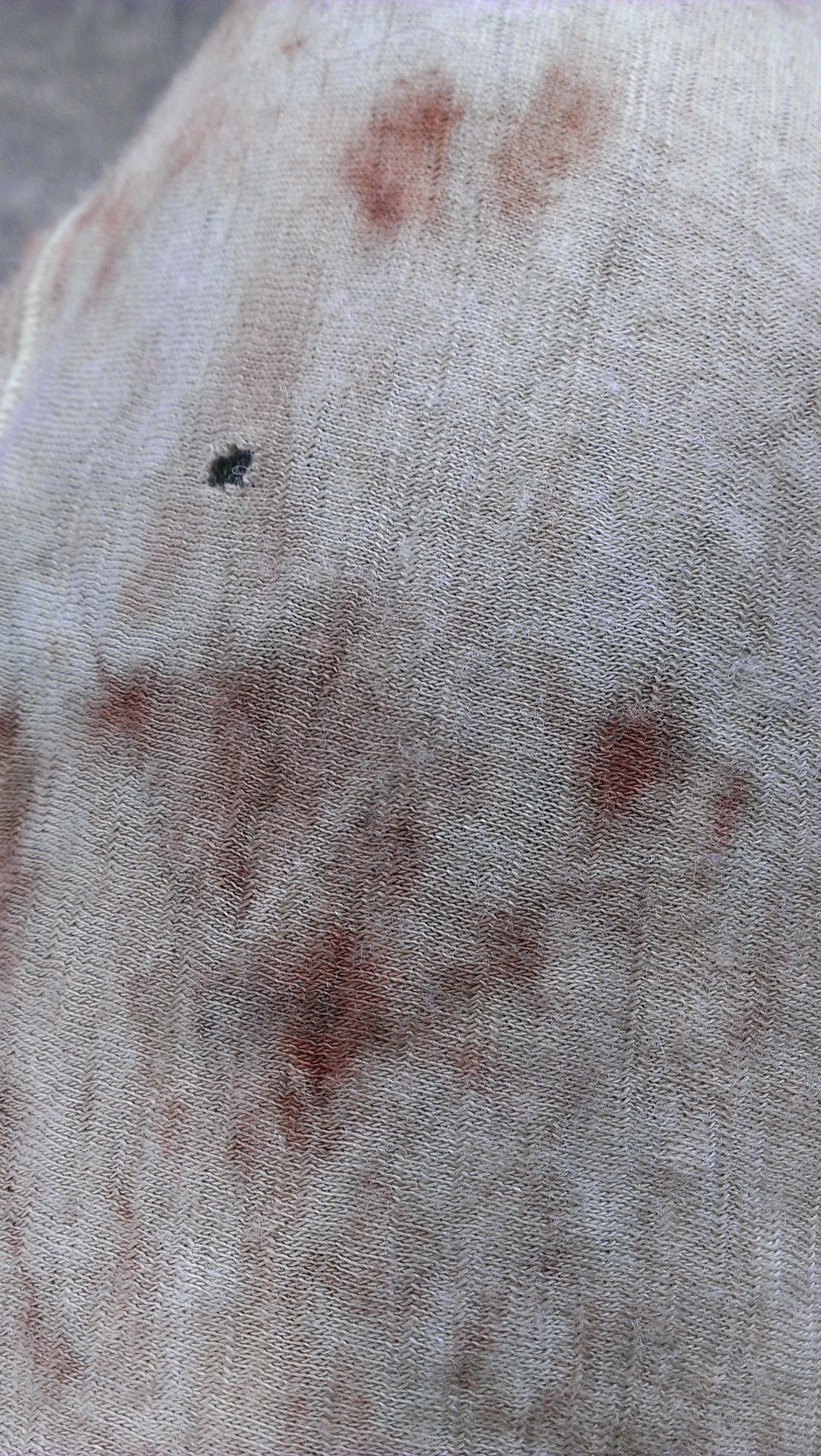
Not any more.  I now use it for spinning–to catch all the random fibres and dirt and little bits of dried plant that drop from any fleece I have prepared myself, no matter how many rinses.  I also mended this wool knit on the train one morning, beginning as I waited at the station.  Just a little hole up by the neckline.
2014-06-21 07.59.39

I bought this garment years ago from Soewn Earth.  It has faded quite a bit, but I am still enjoying it… and considering whether it might be time for a re-bundle. First–across (with eucalyptus dyed silk thread)…

2014-06-21 08.06.26

Then in the other direction…

2014-06-21 08.21.33

Maybe later some embroidery for sheer decoration?  And finally, some socks for a friend with several new jobs and rather small feet.  She hasn’t had a pair from me in ages.  I put these in the mail to be a surprise parcel.  Sorry about the office desk pictures on an overcast day.  Once I finish a gift I get impatient to have it meet its intended recipient.

2014-06-16 10.09.26

They succeeded in being a surprise and she sounded delighted.  It’s midwinter here and they arrived in the week prior to the longest night of the year.  Perfect for chilly nights.

2014-06-16 10.09.36


Leave a comment

Filed under Knitting, Sewing, Spinning

Happily spinning alpaca

2014-06-05 11.36.43

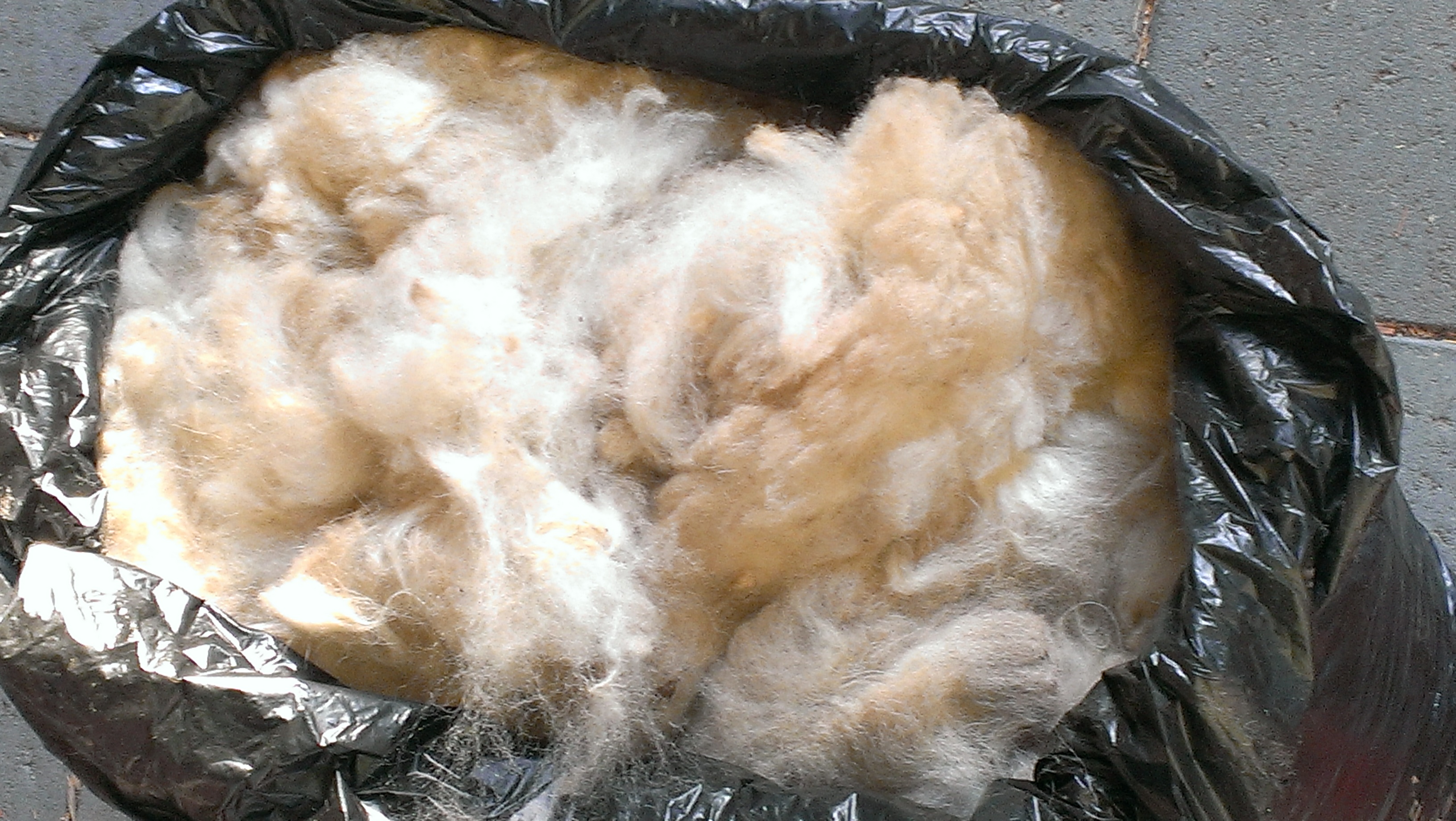
I have been happily but slowly dyeing an entire white alpaca fleece with eucalypts. I’ve been dyeing it without washing it, what’s more! The washing stage comes after dyeing instead, treating the dye bath as stage 1 of the cleaning process. I love the way muddy tips create a resist which will produce a sunny yellow which shows wonderfully among all that flame orange.
IMAG1727

I have a lot of black alpaca too… this I have already washed.

IMAG1686

On weekends sometimes there is fibre processing and vegetable harvesting–this is one of the last of the capsicums.

IMAG1730

Then, of course, carding.

2014-06-05 13.47.18

Out in the back yard when the weather is sunny.

IMAG1764

I’ve been spinning up more colour changing yarns and including some of the black alpaca… and that is the entirety of the lemon crop beside the skein.  Can’t wait until the fruit trees grow up a bit…

IMAG1697

4 Comments

Filed under Natural dyeing, Spinning

Dyes of antiquity: Eucalyptus leaves

My friends, there is going to be a little series on dyes of antiquity here on this blog. It arises from plant dyestuffs that have been donated anonymously to my Guild, which have come to me as the person currently teaching natural dyeing at the Guild.  Needless to say, there are women at the Guild who know more about natural dyeing than I do and have decades of experience.  Some are dyes used in antiquity (cochineal, indigo, kermes).  Others are in packaging that predates metric weights  in Australia, which came in in 1977.  Certainly, safe disposal of mordants that are now regarded as toxic has had to be arranged.  So I am using the word ‘antiquity’ both literally and figuratively–but I have a trove of dyestuffs which I would usually not have come across, and some of which I would not be prepared to buy if they were available.  Some require identification.  Some require research, so I can figure out how to dye with them.  I decided to start with what I know.

2014-06-05 13.47.06

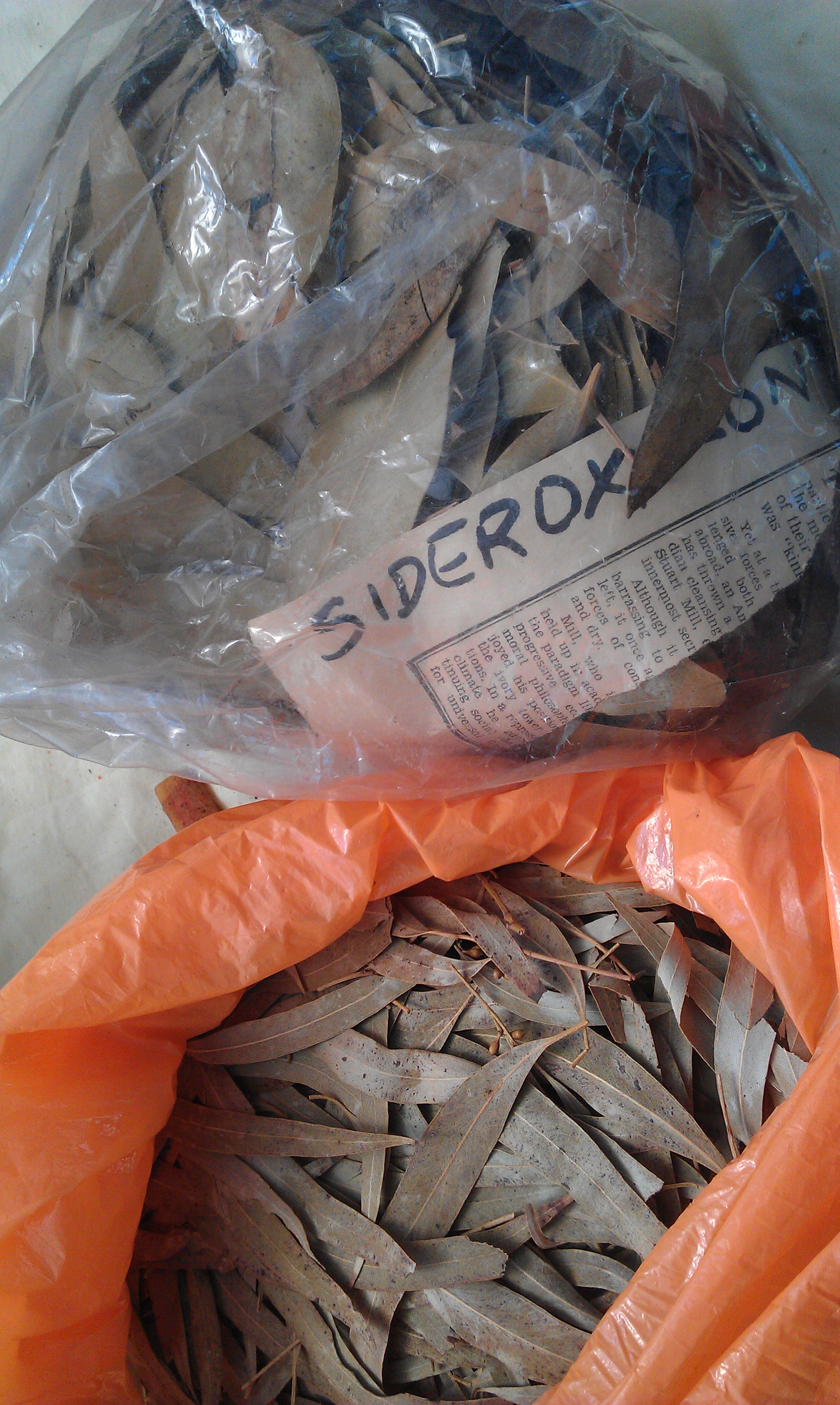
There were bags of varying sizes containing eucalypt leaves.  One was clearly E Sideroxylon leaves.  Then there was the orange bag of unidentified leaves–possibly E Nicholii (which has clearly been in widespread use at the Guild in the past).

IMAG1772

Then there was a lovingly stored and labelled small pack of E Crenulata leaves.

IMAG1773

From time to time, people online ask whether you can store Eucalyptus leaves for too long.  I don’t know.  I tend to use what I have on a rotating basis, partly because I have seen what insects can do to stored vegetable matter!  These leaves appeared to have been stored for a long time, but under good conditions.  No signs of insect damage.  They had clearly been dried prior to being bagged for storage.  They retained some green colour. They were sitting on top of a stack of newspapers dated 1991.  Was that a clue?  I don’t know!  A fellow Guild member who helped me clean out the cupboards thought they were probably older!

2014-05-31 11.57.29

The E Sideroxylon leaves gave far more intense colour, partly because there were more of them.  And possibly because the small fine leaves were not from an exciting dye species and the second dyepot was mostly relying on the small quantity of E Crenulata.  Just the same, more of my white alpaca fleece is getting dyed, spun and ready to be knit all the time…

Meanwhile, I am preparing for a dyeing workshop at the Guild and deciding which of the dyes that have come to me are suitable for use there… I’m thinking madder, walnut, cochineal and logwood!!

4 Comments

Filed under Eucalypts, Natural dyeing

Rhubarb leaf and alum mordants, hot and cold processes

Way back in December I was thinking about hot and cold mordanting processes.  I decided on an experiment inspired by a post by Leena at Riihivilla which led in turn to a blog called From Silk Road.  There, Jarek shows experiments with solar mordanting over 28 days, and one of the mordants he is using is Himalayan Rhubarb. Mine is the good old fashioned European eating kind… but perhaps the same principles could be applied?  Jenny Dean certainly describes cold mordanting with alum and I have tried that previously with success.    I was also curious about the findings of Pia at Colour Cottage.  She has undertaken some experiments with rhubarb leaf mordant here and here and found it made no difference to dye uptake or lightfastness.  So disappointing!

I started with 1100g rhubarb leaves (and stewed the rhubarb with orange juice to go with waffles… mmmm).  Way more rhubarb leaf than necessary for the job, I think.    I have no way to know if I am even using the same rhubarb as Pia… but I decided to err on the side of plenty of rhubarb leaf and not committing a huge quantity of yarn. I created two, 25g skeins of Bendigo Woolllen Mills alpaca rich ‘magnolia’, left over from some past workshop I ran.  One was subjected to the classic heat treatment in rhubarb leaf solution (45 minutes on a bare simmer), left overnight to cool down and rinsed out.

IMG_0013

The other went into a glass jar for a solar treatment, which was quite hot at times.  It went into the jar on 16 December and our first 40C day of the year was scheduled for the 18th. I created two more skeins and mordanted them in alum, one using the hot process and the other packed into a bucket with a lid in the sun.  Here is the solar mordant rhubarb jar (and some iron soaking in vinegar water on the left), in December.  They’re sitting on a concrete surface with a concrete wall behind them.  I’m trying for thermal mass in a sunny spot.

IMG_0008

Things being what they are (by which I mean I have been too busy to think much about this experiment), I took the yarn out on 13 April 2014. Here it is before removal.  There was a little layer of mould stuck to the lid, for those who are wondering.  In retrospect, this would have been a great application for Stuff Steep and Store.

IMAG4571

Here is the yarn after removal from the rhubarb leaf solution.  I’d call that a dye and not only a mordant!

IMAG4573

Here is my solar process alum-mordanted yarn after similar neglect for the same period of time.

IMAG4572

Finally: my full selection dry and ready for use: no mordant, alum applied with heat, alum applied through solar process, rhubarb leaf applied with heat, rhubarb leaf applied through a solar process.

IMAG4590

2 Comments

Filed under Fibre preparation, Natural dyeing

Unloved fibres of yesteryear and some eucalyptus dyeing

Some time ago I received a lot of fibres that even the felt group at my Guild didn’t want anymore.  I think this was because I taught a class on ‘novelty yarns’, known to online spinners as ‘art yarns’ or ‘textured spinning’.  It is true, people like Pluckyfluff have been known to spin semi-felted wool and all manner of inexplicable (yet ultimately gorgeous) things–and I’ve done some fairly inexplicable, or at least hard-to-explain, spinning,  myself.  But there are limits!  It seems some people equate artyarn with awful yarns made from awful fibres.  I wasn’t about to inflict most of this fibre on beginners.  What I felt was readily useable, I carded into batts for people to experiment on some time ago,.  Some I turned into trash batts.  Some I re-washed and turned into yarn.  But just recently I found there was still some in my stash.  Some was simply suffering from poor washing.  Sticky and unpleasant to touch.  I washed it.

IMAG4022

The amount of mohair the felting group handed over makes me think mohair isn’t favoured as a felting fibre.  So some was just mohair.  I carded it up and found it was neppy mohair, but still.

IMAG4025

Some was extremely short and rather matted. I would rate this trash batt standard, so carded it up with some longer wool to hold it together.

IMAG4024

Some was low quality alpaca in small quantities.  I carded that with some longer fine wool too.

IMAG4023

I would rate almost all the resulting yarns basically suitable for yarnbombing… or perhaps I should offer them back to the felters!

IMAG4562


Only the mohair really became a yarn of any quality… not too surprising given what went in to the others!

IMAG4584


I also had some small amounts of fibre from an exchange.  One was some kind of ruggy (coarse) wool with lots of contrasting nepps in it, and the other a quantity of a lustre longwool, something like English Leicester.  I checked my perceptions with two spinners of much experience at the Guild and we all agreed on these conclusions, which was a happy thing, suggesting I am learning about identifying wools.  I decided on eucalypt dyes.  In each case I divided the fibre in half, and dyed one half in the first dyebath and the other half in an exhaust dyebath of the same leaves, to get two different tones.  Then I spun the fibres up to retain the colours as distinct stripes.

IMAG4567

And now, back to spinning a large quantity of alpaca…

4 Comments

Filed under Fibre preparation, Natural dyeing, Spinning

Sampling eucalypts

IMAG4429

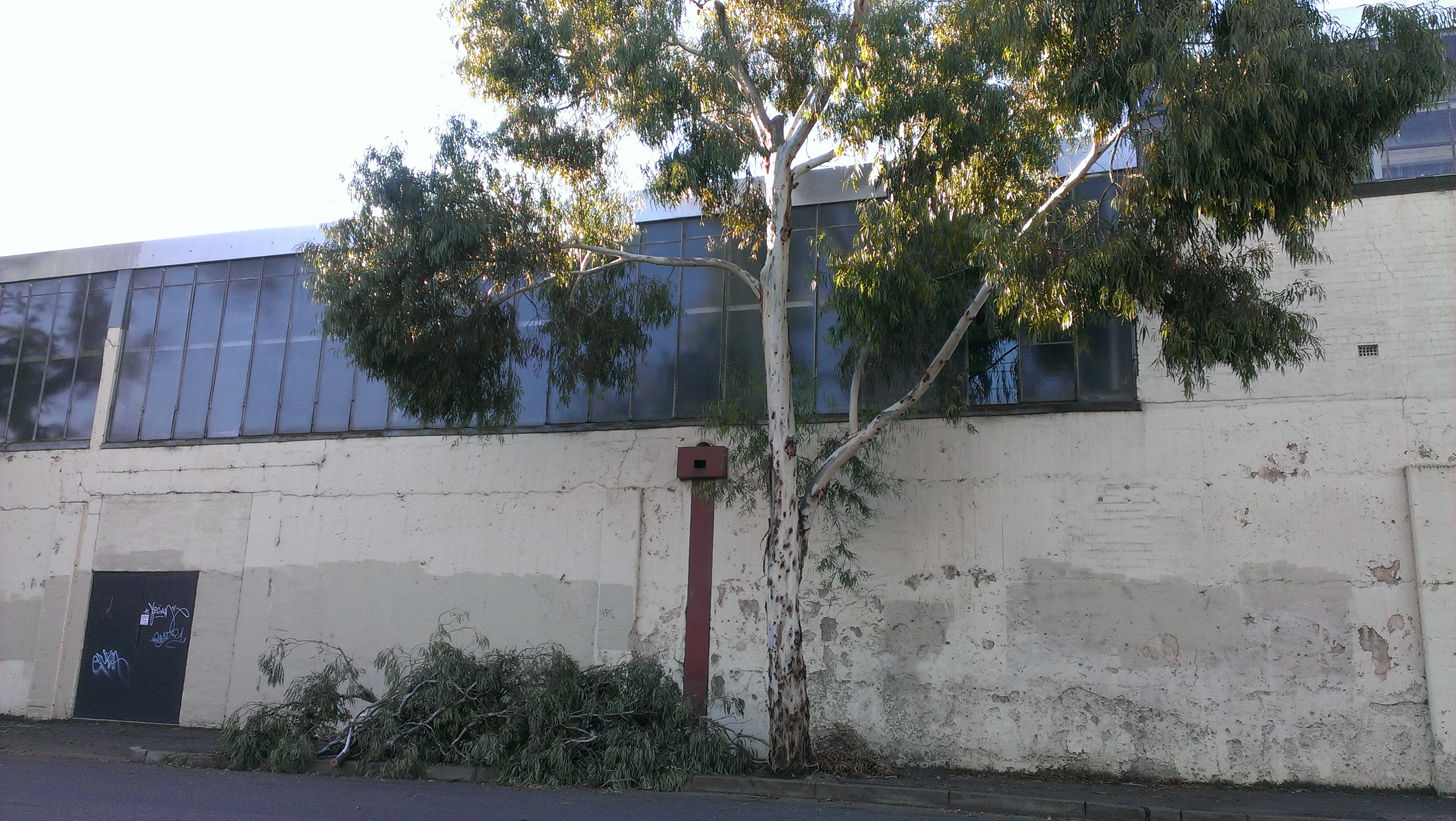
As we drove home from exercise group last Saturday morning, it became clear that a big part of a tree had been cut down beside a warehouse-style business near home.  A big chunk of tree canopy was lying on the footpath.  I didn’t think I had sampled the tree in question, but there are several in that area that look like E Scoparia, but have been pruned to branch very high–out of reach.  There isn’t much hope of my identifying this one–it has no fruit, flowers or buds on it right now, though it does have red twigs and white-barked branches and leaves the right shape for E Scoparia.   I have had some success with leaves from the gutters on that street, but not right where these branches were lying.  I went back and applied my secateurs.

IMAG4432

To my sadness when I actually stopped I could see that a tree had been felled and that its trunk had been taken away.  The very base of it was all that was left, and it was clear that a large section of the root mass had rotted away or become diseased.  Just the same… the continuing loss of trees around our way feels relentless. This week someone else aggrieved by the felling of three massive trees on one block which I posted about recently took a spray can to the fence of the block in question.  One fence had something I can’t fully reprint here: ‘What the f*** have you done?’, and the other fence said the neighbourhood was in mourning for the loss of the trees and that planning laws should be changed.  I thought I would take a photo but this morning there was a chap with a paintbrush taking it out less than 48 hours after it went up.

But this is no reason to allow all the leaves of this felled tree to go to commercial composting if I could dye with them and then compost them.  Needless to say, after this flame orange result, I went back and cut all I could get into a chaff bag (that’s a very big sack, in my terms). As a bonus to my visit, the tree had been felled beside an E Cinerea, so I picked up every last leaf that had fallen from the E Cinerea too.  I’ll be running a workshop at my Guild in June and I’ll need to bring a goodly amount of dye material.

IMAG4483

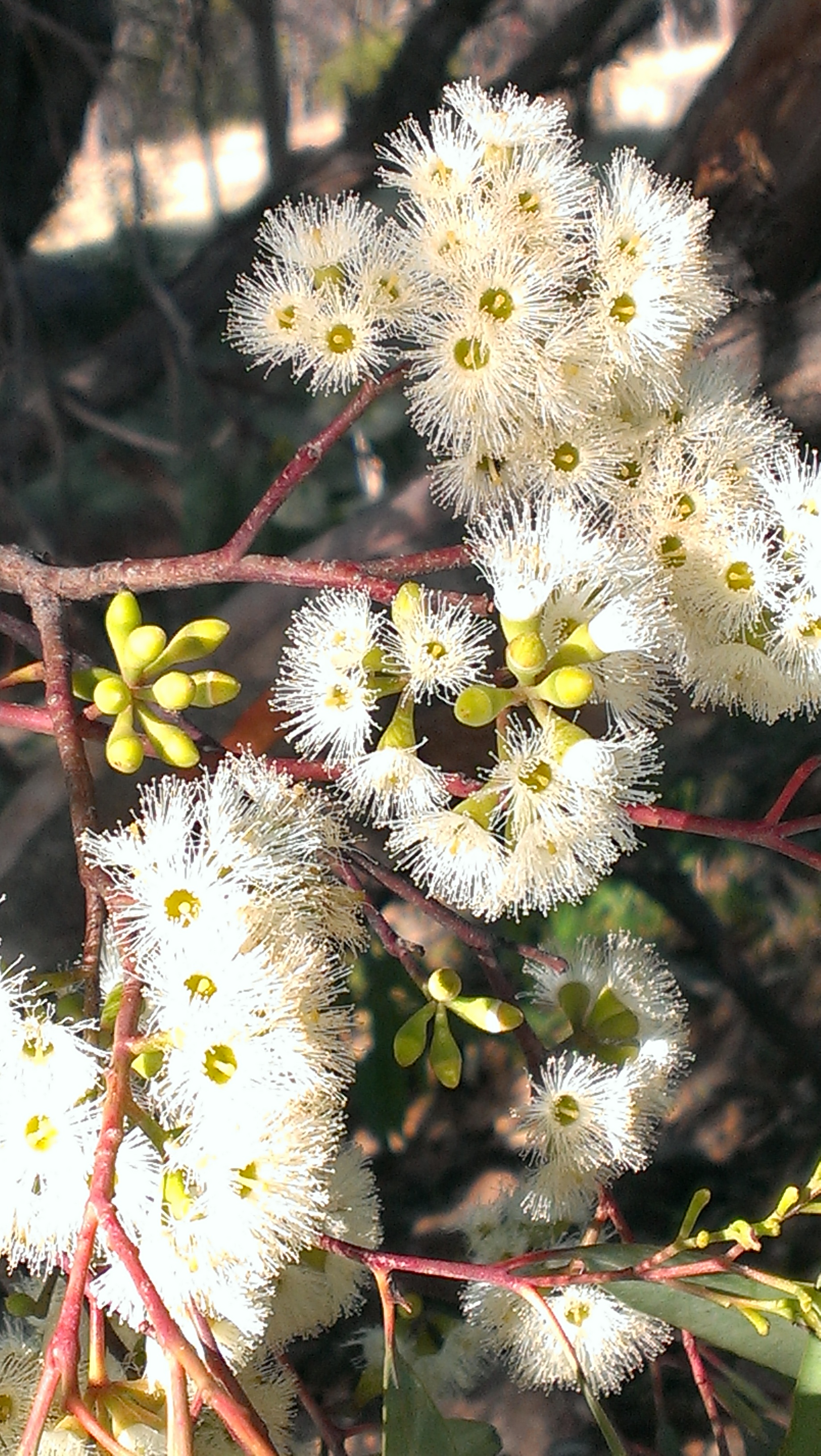
This next eucalypt was standing in the parklands in North Adelaide.  I went there early one morning for an appointment so had a walk before my appointment.  I decided to sample it because India Flint suggests silver grey leaved eucalypts are promising dye plants.  The buds were so pretty!

IMAG4374

Clearly when it flowers there are many flowers… but not yet…

IMAG4375

The tree was an interesting shape…

IMAG4377

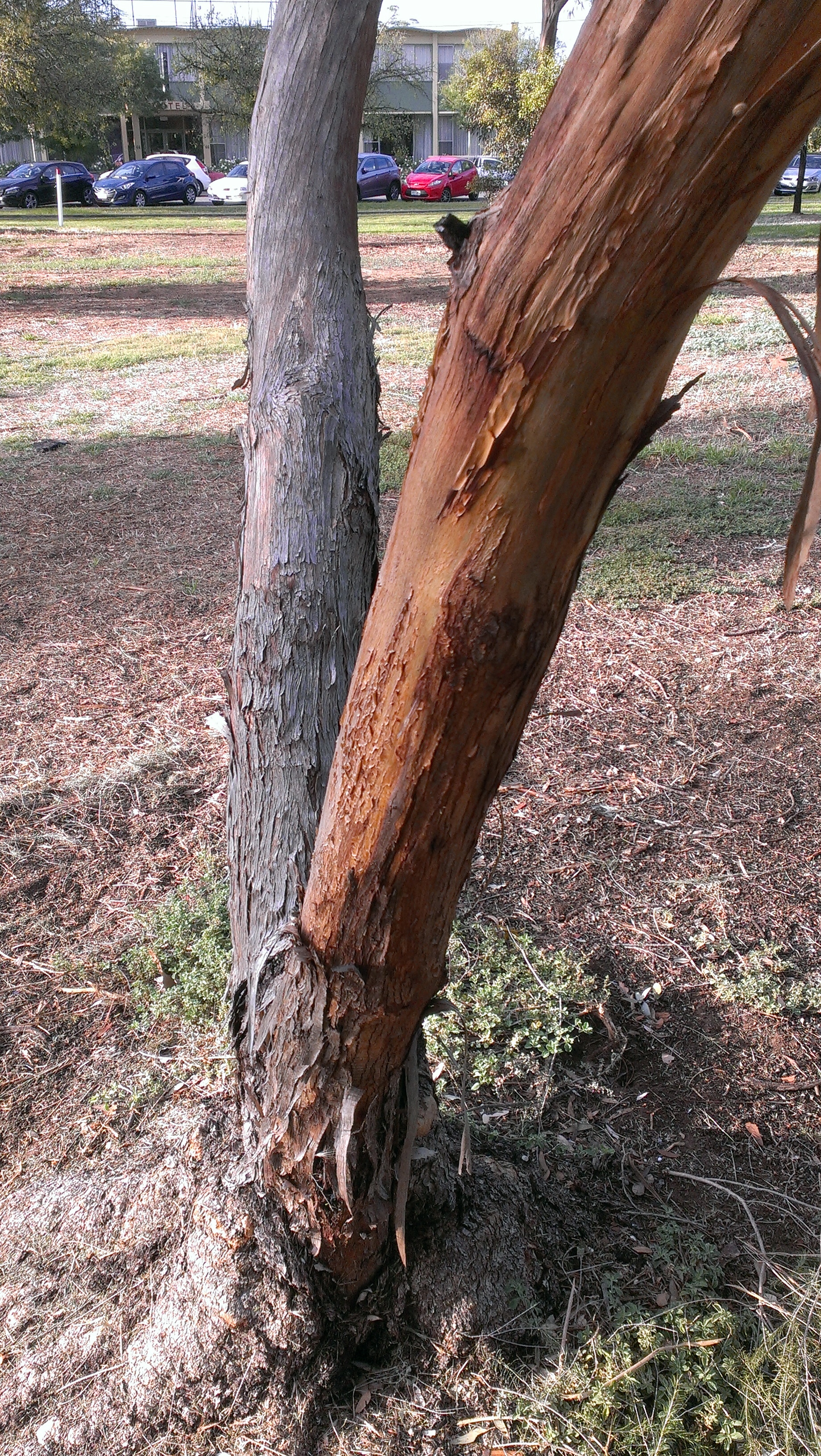
There was the intriguing feature of two different coloured trunks coming from one lignotuber.

IMAG4379

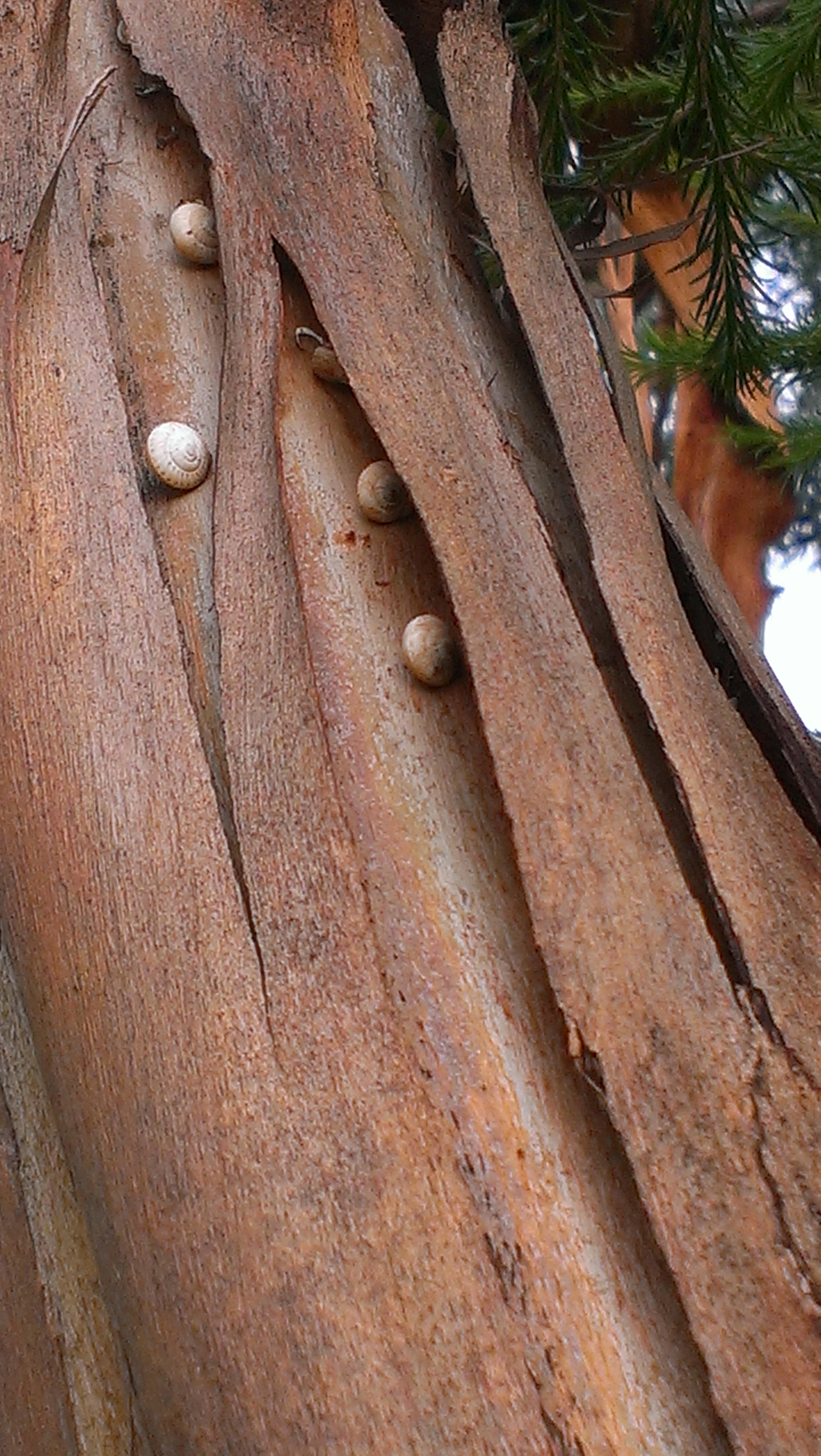
And I just can’t explain why there were so many land snails, but I love land snails.

IMAG4382

The result in the dyebath was a pale apricot.

IMAG4434

Then there was this tree, growing on the far outskirts of my workplace just outside a car park.  It seems like a box (one branch of the eucalypt family) to me.

IMAG4385

It was gloriously in flower, full of bees and birds.

IMAG4388

When I went back in the evening, I realised there were a few of these trees and there were also fallen branches.  Well worth sampling, in my view!

IMAG4396

I loved the colour from this plant, and I used a dyeing strategy India Flint described in Melbourne.  Far less energy use and potential for fibre damage… and clearly this may become my new normal way to dye with eucalypts!

IMAG4436

19 Comments

Filed under Dye Plants, Eucalypts, Natural dyeing

Never look a gift alpaca in the mouth

I have been in Melbourne at a workshop with India Flint.  It was a great three days and I can’t wait to write about it…. but my phone steadfastly refused to cooperate woth WordPress–or perhaps it was the other way round–and it turned out sharing a computer wasn’t really an option.  So, writing about that will have to wait a minute or two!

In the meantime… maybe the proverbial instruction that you never look a gift horse in the mouth (implying you are checking whether it is an old horse and not a fresh, strong young one) only holds true for horses.  I’ve had gifts of alpaca that were full of moths, smelled of mould or were terribly short and full of guard hairs.  People making such gifts are well intentioned but have no idea what it takes to transform that fibre into yarn or how many hours I’ll spend touching and smelling it!

However, the two I have started in on recently are lovely.  They’re from friends who live in the hills–the people whose community was the former home of Malcolm the Corriedale.  There’s a white fleece that I am dyeing with eucalypts (so far).

IMAG3943

I have found that I can take raw alpaca fleece and dye it without pre-washing.  I can wash the fleece in the same step as rinsing out dyebath–saving water and getting the benefit of eucalyptus cleansing.  The dyebath no doubt has earth in it already if it contains leaves from a gutter or bark from under a tree.

IMAG4004

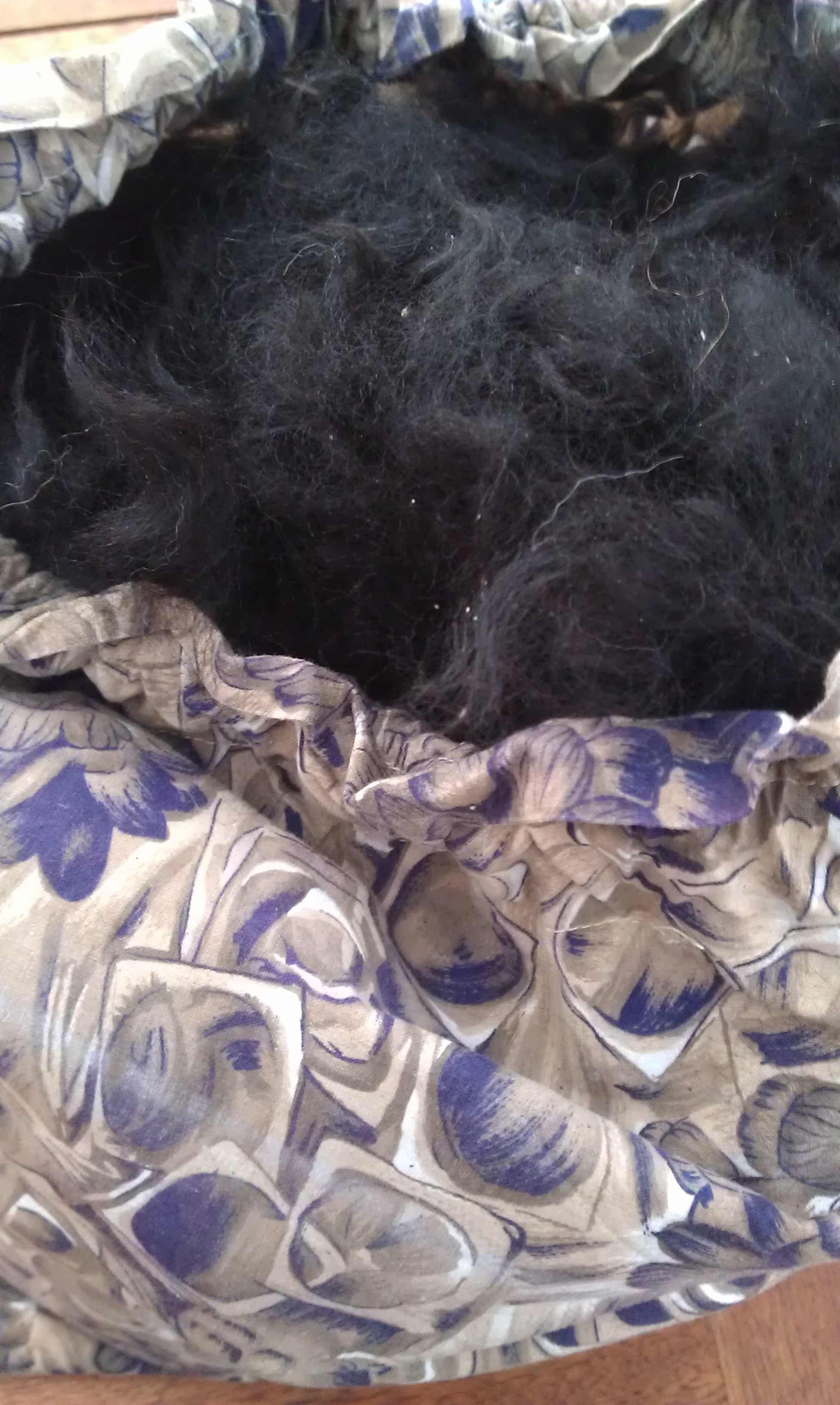
Then there is a wonderfully black fleece.  Two kilogrammes of it.  By the way, I believe I did look into the mouth of this particular alpaca, and its teeth were mighty long!  We had enough rain weeks back that we have run the whole house on rainwater ever since.  The weather was still hot and dry most of the time until recently.  So it seemed seasonally appropriate to wash fleece.  Then I had the key thought: ‘I feel as though I could just wash half that fleece right now.  And maybe the rest tomorrow.’ If I ever have a thought like that about housework, I make it a habit to act on the impulse immediately, before it can get away!  Fleece washing is not really fun, but it makes other forms of fun possible, and it is necessary.  Alpaca is filthy because the animals roll and dust bathe, but it is not greasy, which makes washing it far simpler than washing sheep fleece.

IMAG4037

So now: let the spinning begin…

2 Comments

Filed under Fibre preparation, Natural dyeing

Drive-by dyeing and mending

On my bike ride home from work (about a 40 minute ride), I pass just one Eucalyptus Cinerea. Well, there are two, but one is inside someone’s front garden.  A person has to have some boundaries!  The street tree had dropped a small branch.

IMAG4127

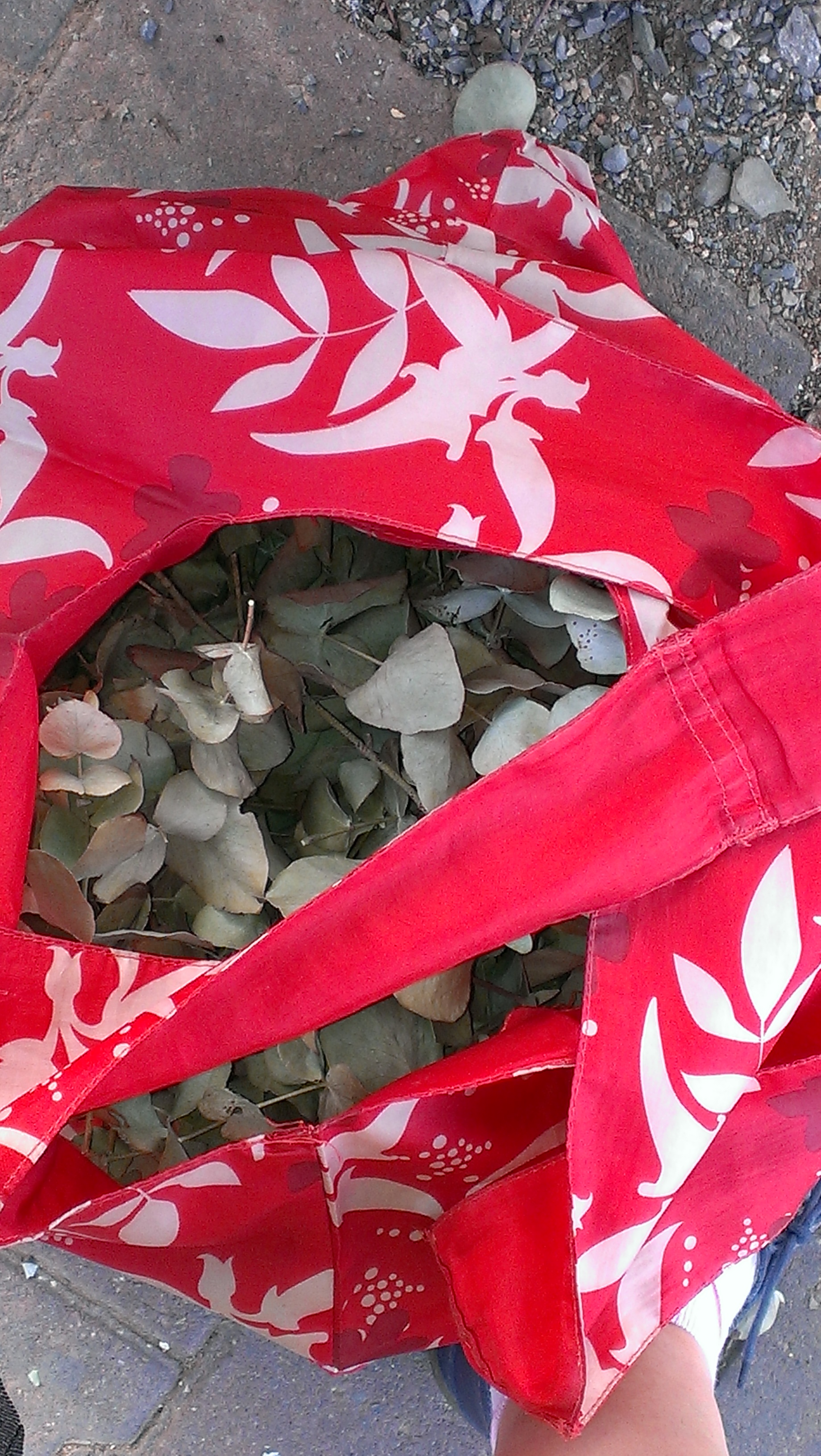
I decided I’d better collect it.  Usually I carry a calico bag in my bike pannier for such contingencies, but this was what I found when I scrabbled about in the bottom of my pannier on the day, so in went all the stray leaves I could find.

IMAG4131

This tree has had to contend with a lot.  It has had a  very strange pruning job designed to protect the electrical wires that now pass through its branches.  The pruning took out a lot of the canopy, but the tree is still standing.  For this, I am grateful.

IMAG4128

Recent events have caused me to reflect on the way I think about trees on my regular routes… like old acquaintances.  I think about them as I pass, the way I think of people when I pass near their homes without visiting.  I notice what happens to them.  I check them over when I have the chance.  I remember how they were when they were younger, or before that accident befell them.  It’s not entirely unlike the way I notice people I don’t know well, but see out and about in the neighbourhood regularly.

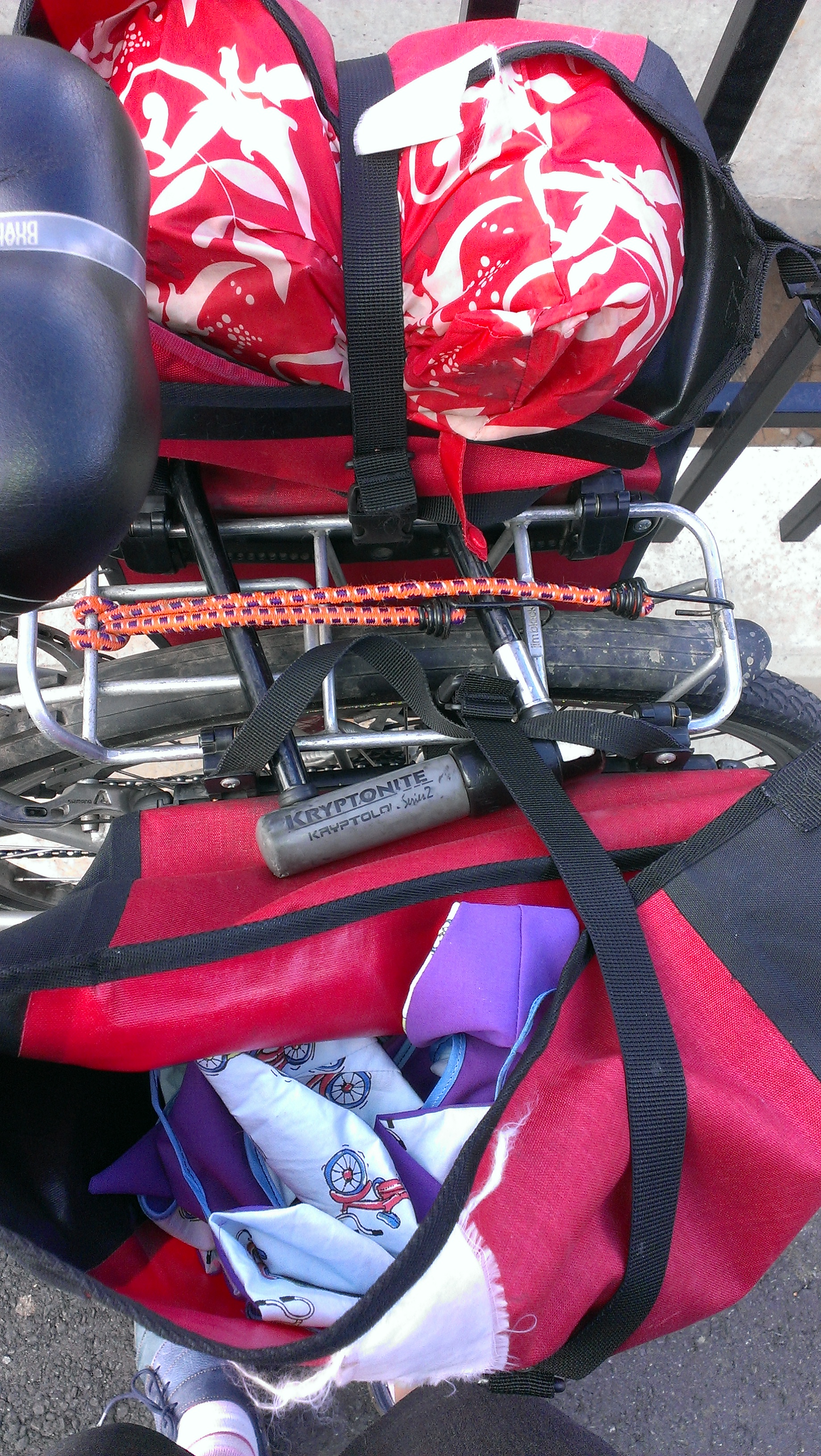
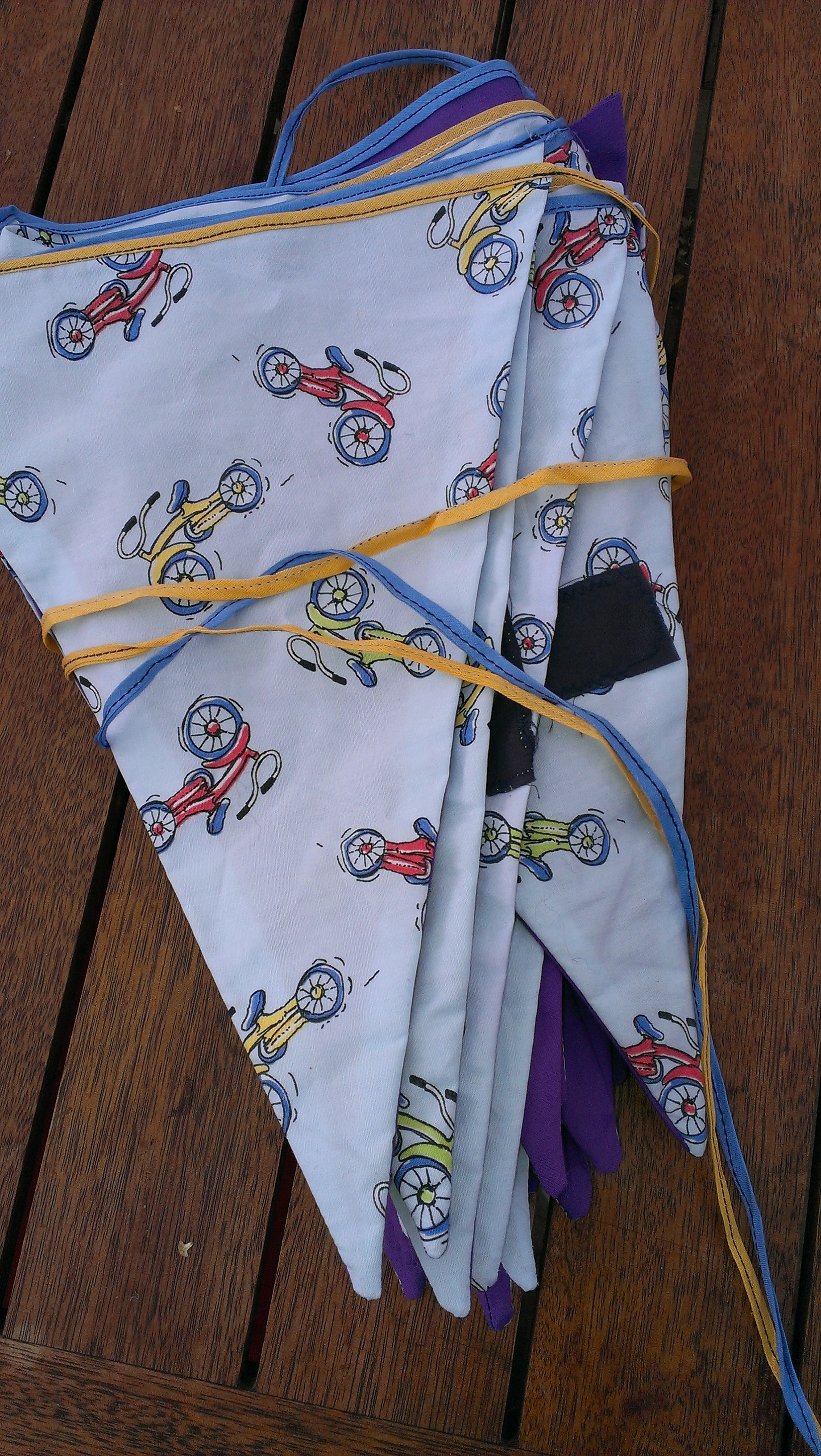
Further along, I saw that my “thanks for cycling” bunting had been ripped and some of it was lying on the ground.  Soon it was in my other pannier headed for the mending pile.

IMAG4135

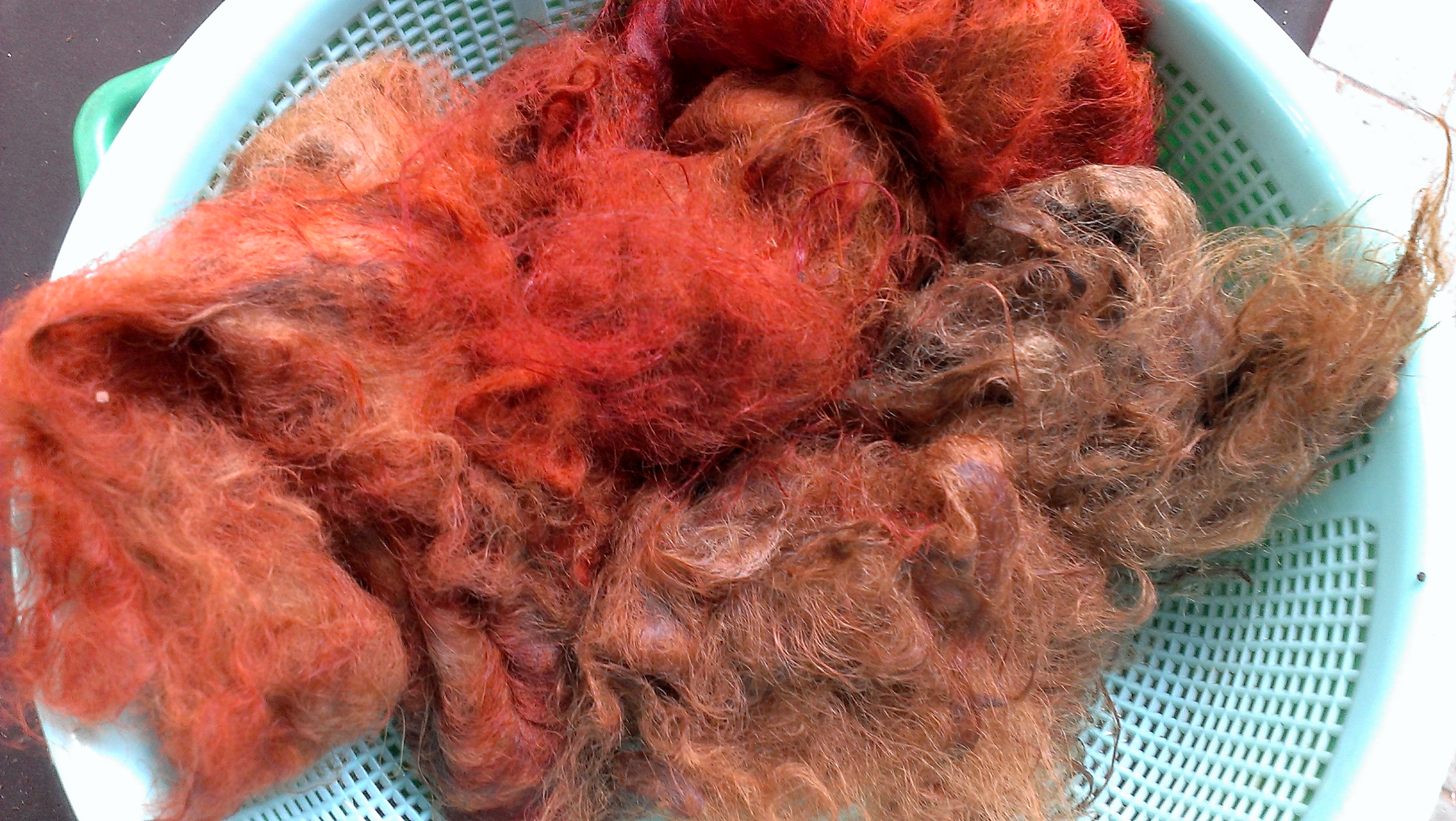
A few days later, the E Cinerea made it into the dye pot and produced its usual dependable flamelike orange.  I also collected some ironbark leaves that had fallen in the parklands near where we had exercise class.  Once the E Cinerea was all but exhausted I reused that dyebath with the ironbark leaves, thinking I would save water and energy, but clearly this was not E Sideroxylon–it produced that sad, damp little pile of fawn alpaca on the right.

IMAG4183

I have come to regard this as a sign: The orange leaves in the picture below are the E Cinerea leaves, which have gone from silver-grey-green to orange in the dyebath.  The ironbark leaves, on the other hand, have remained a robustly green shade even after cooking.

IMAG4180

And, I’ve mended the bunting ready to hang it again on a suitable occasion…

IMAG4184

4 Comments

Filed under Craftivism, Dye Plants, Eucalypts, Natural dyeing, Neighbourhood pleasures

Holiday spinning

We had a fabulous holiday at Port Willunga.  In spite of the warm weather, I did a lot of spinning. I have three fat bobbins of naturally dyed wool waiting for plying and I three-plied this rather lovely wool and silk blend by Wren and Ollie, a relatively new local business.

IMAG3601

Here is the resulting yarn.

IMAG3628

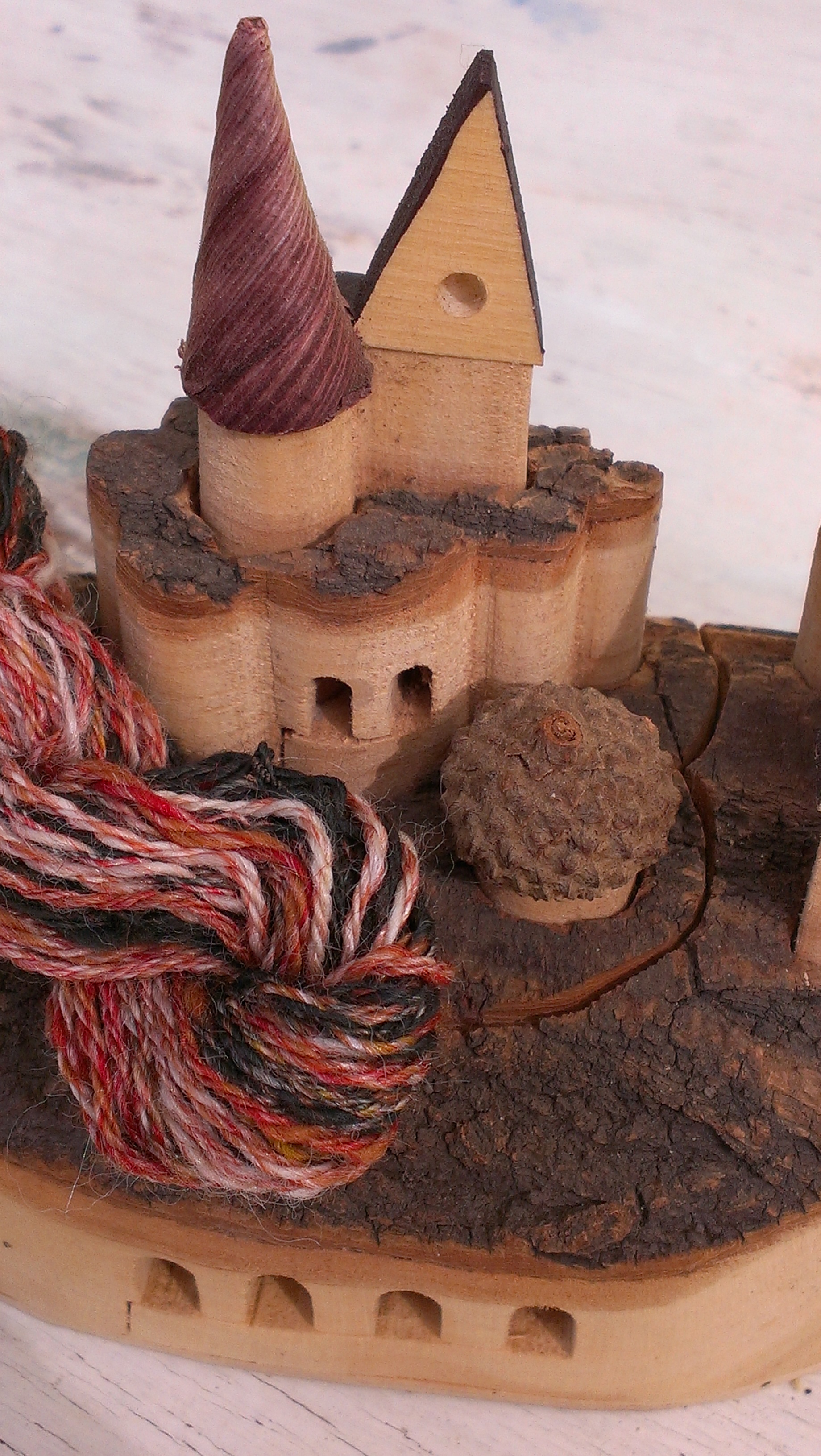
It came with a tiny lucky dip batt. I spun it up finely and three ply was the theme of the moment. I could’t resist using the photo opportunities of the lovely beach shack we were staying in. The low turret on the front right seems to be an acorn cap, for those wondering about scale.

IMAG3634

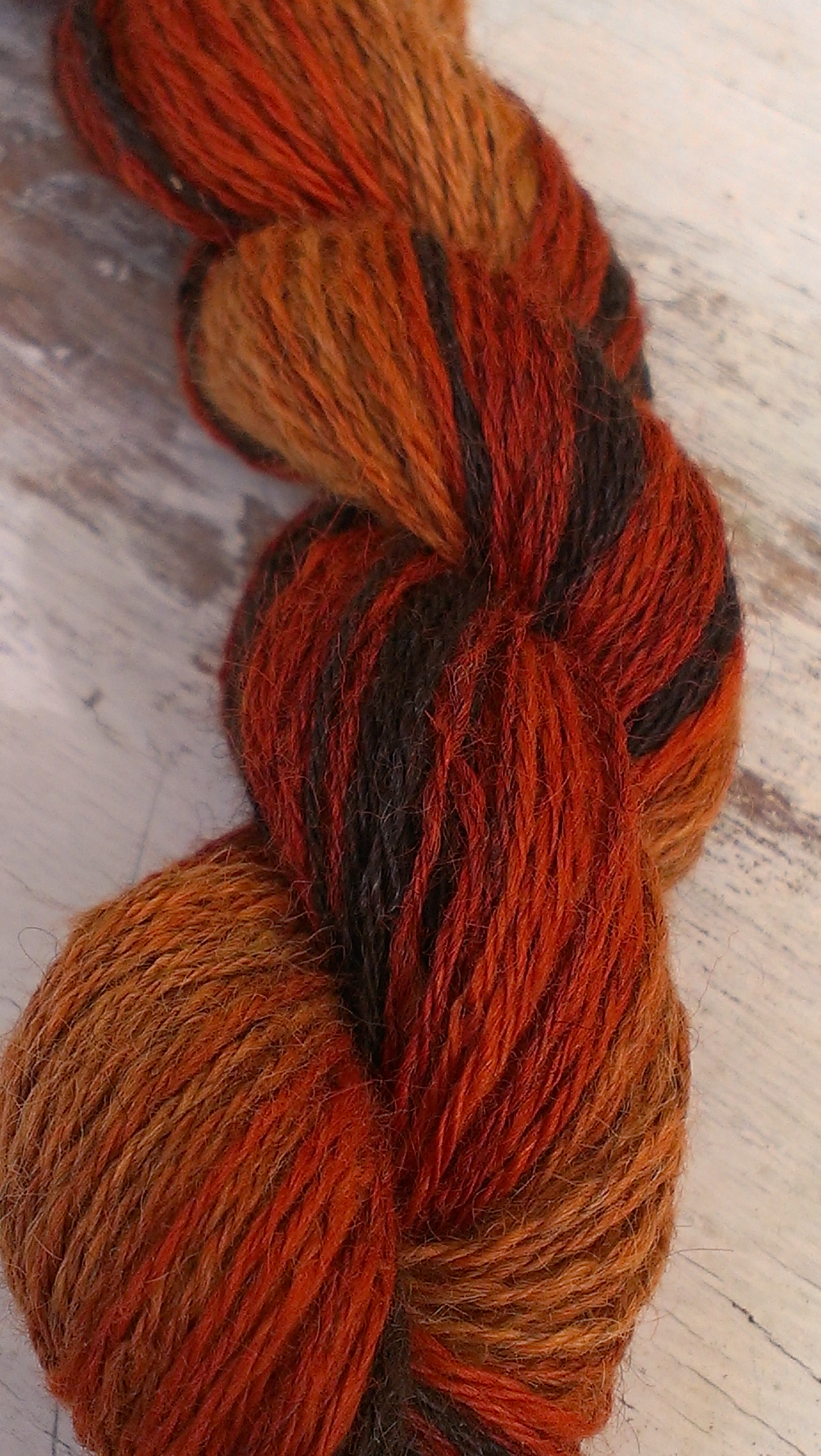
Finally, I had several small batts of alpaca that began in natural shades of grey which I then dyed with eucalyptus, leavng the deepest grey in its natural state.  I turned them into a gradient yarn.

IMAG3640

One final photo just for fun…

IMAG3641

6 Comments

Filed under Natural dyeing, Spinning

Bark dyes on alpaca and wool yarn

Here it is… some of my holiday knitting, ready to go!

IMAG3146_1

Last year I ran some workshops at the Guild, and I ended up with quite a quantity of Bendigo Woollen Mills Alpaca Rich in a shade of white called ‘rich magnolia’… which I was never going to use in this colourway.

IMAG3039

So… I have been skeining and dyeing it. Unevenly…

IMAG3135

More evenly…

IMAG3134

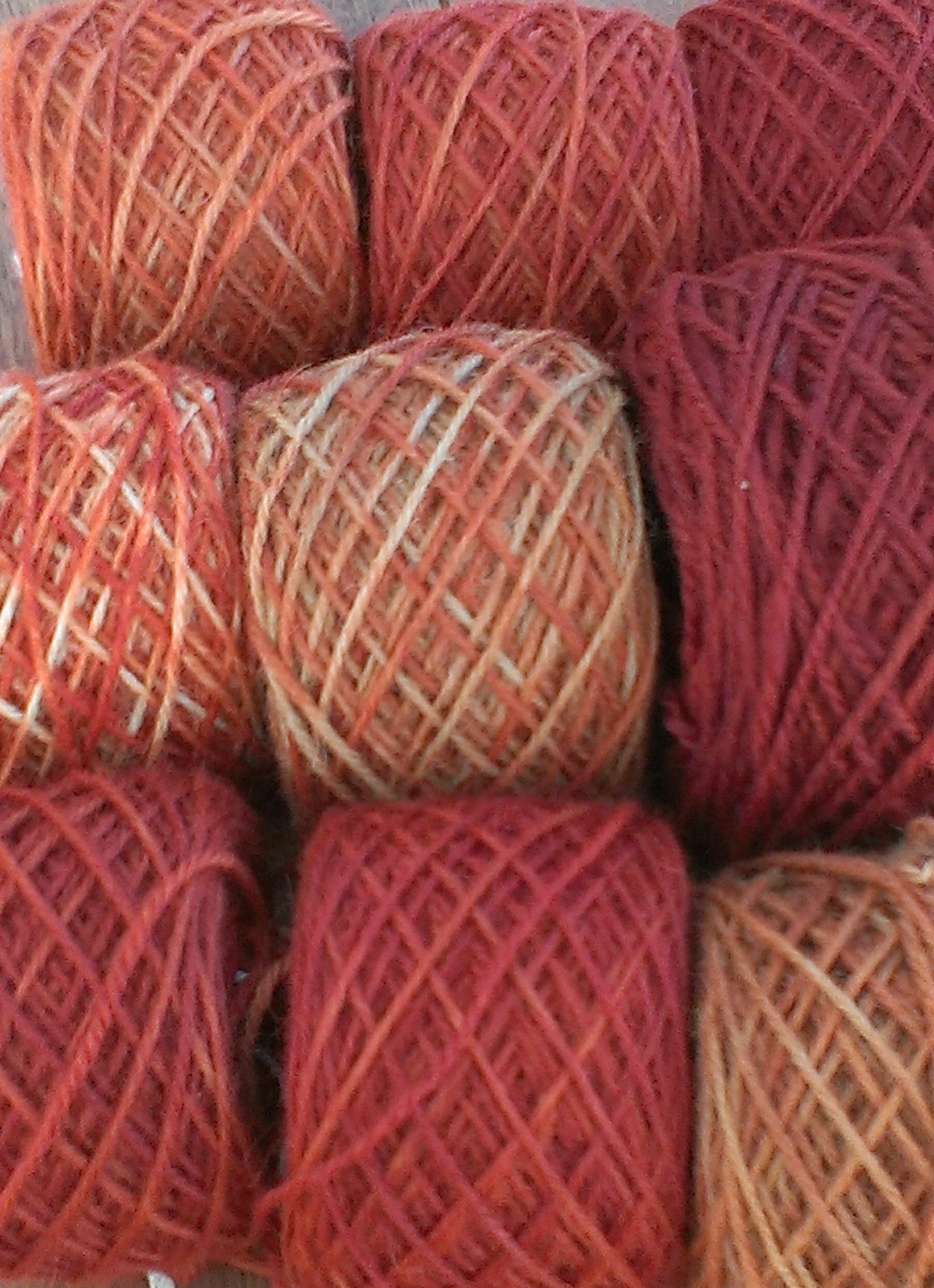
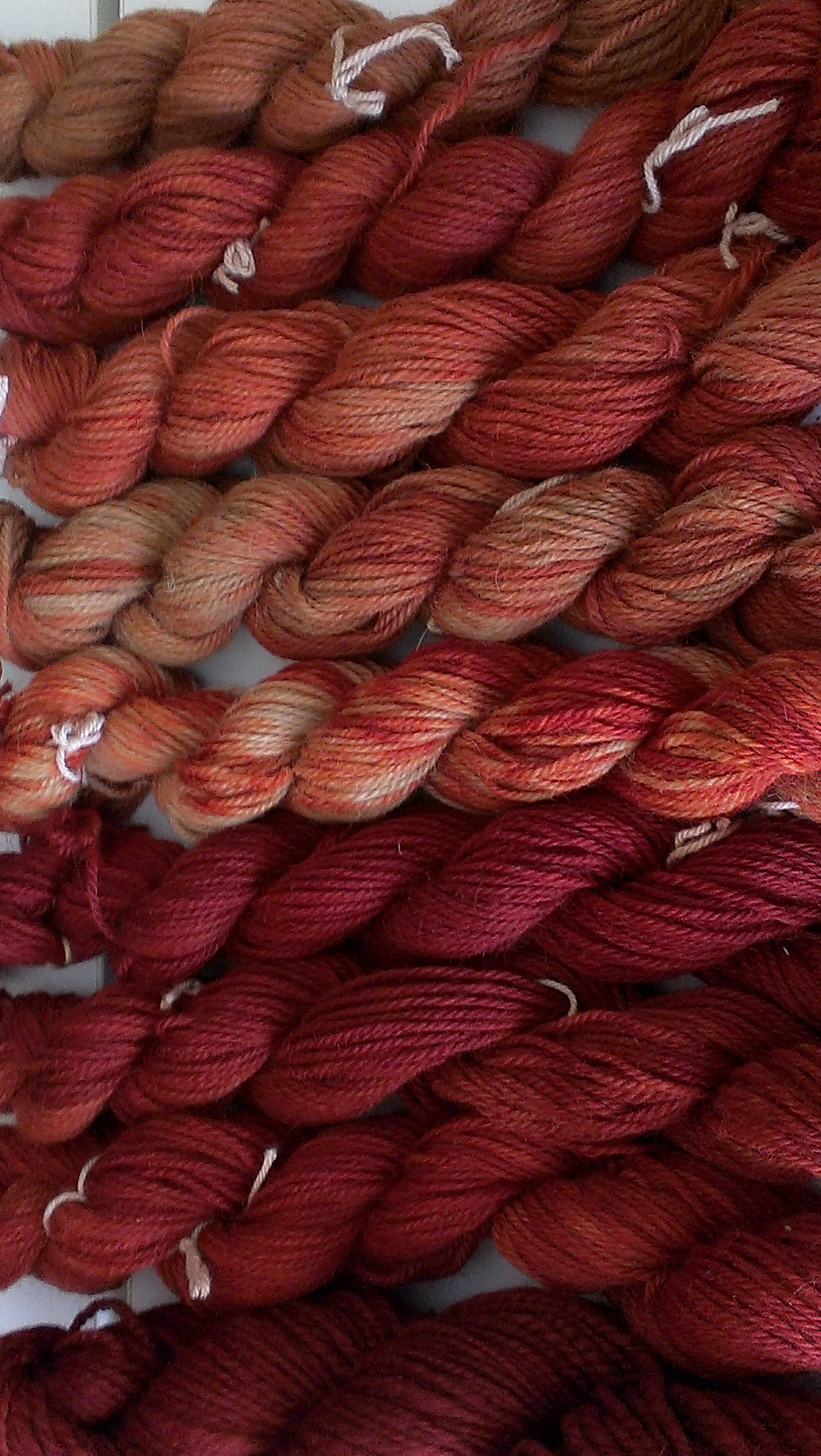
And in quite a range of shades.  The one right at the bottom in the picture below is handspun that had been mordanted with alum, dyed in logwood exhaust, suffered some kind of surprise bleaching episode in our laundry and then gone through two eucalyptus baths.  It looks great now, but what a soap opera of a story!

IMAG3136

And now… turned into balls and ready to be holiday knitting! Would you believe… slippers?

IMAG3141

9 Comments

Filed under Eucalypts, Natural dyeing