Tag Archives: woad

41C in Adelaide

It’s 41C in my town the day I am writing. Things are much worse in other parts of Australia–where it has already been above 40C for over a week. And here’s what I did to prepare for 41C.

2017-02-07-09-02-09

Step 1: recommit to action on climate change.  This country (among others, some already going under the sea) will not be habitable for future life unless we succeed, and there are some rather specific signs of inadequate action both here and in other first world nations right now.  If in doubt, ask the Climate Council.  You know: scientists who know their stuff and know how to communicate.

2017-02-07-09-07-07

Step 2: water plants deeply.  Freeze water for the worm farms.  Ensure ample water and shade for the chooks (hens).  Put water in the fridge.  Make sure cool air can get into the house, if there is any, during the night. Invite friends who can’t cool their homes to come over.

2017-02-07-10-42-53

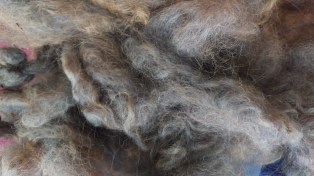
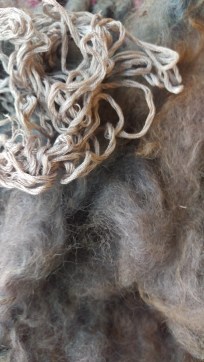
Step 3: wash fleece, because wool drying weather this good should be taken advantage of.  Dye fleece with heat-activated “cold pad batch” dyes and place in the right spot to maximise the heat it will get on the big hot days.  I have mixed up the last of these dyes I own and given away my fixative.  It’s been fun but I’m committing to plant dyes and just seeing out the chemical dyes I already have.

2017-02-07-13-27-53

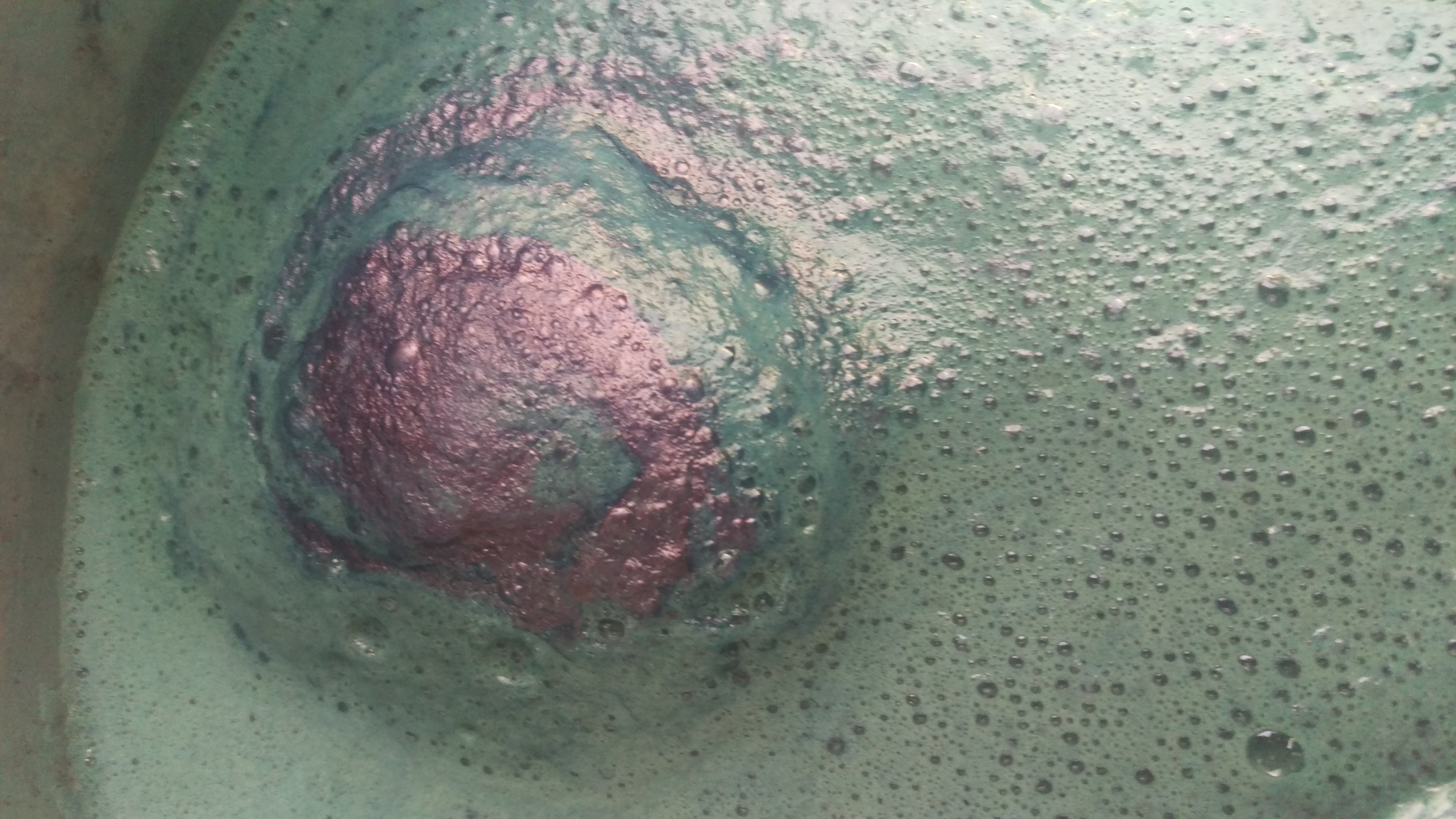
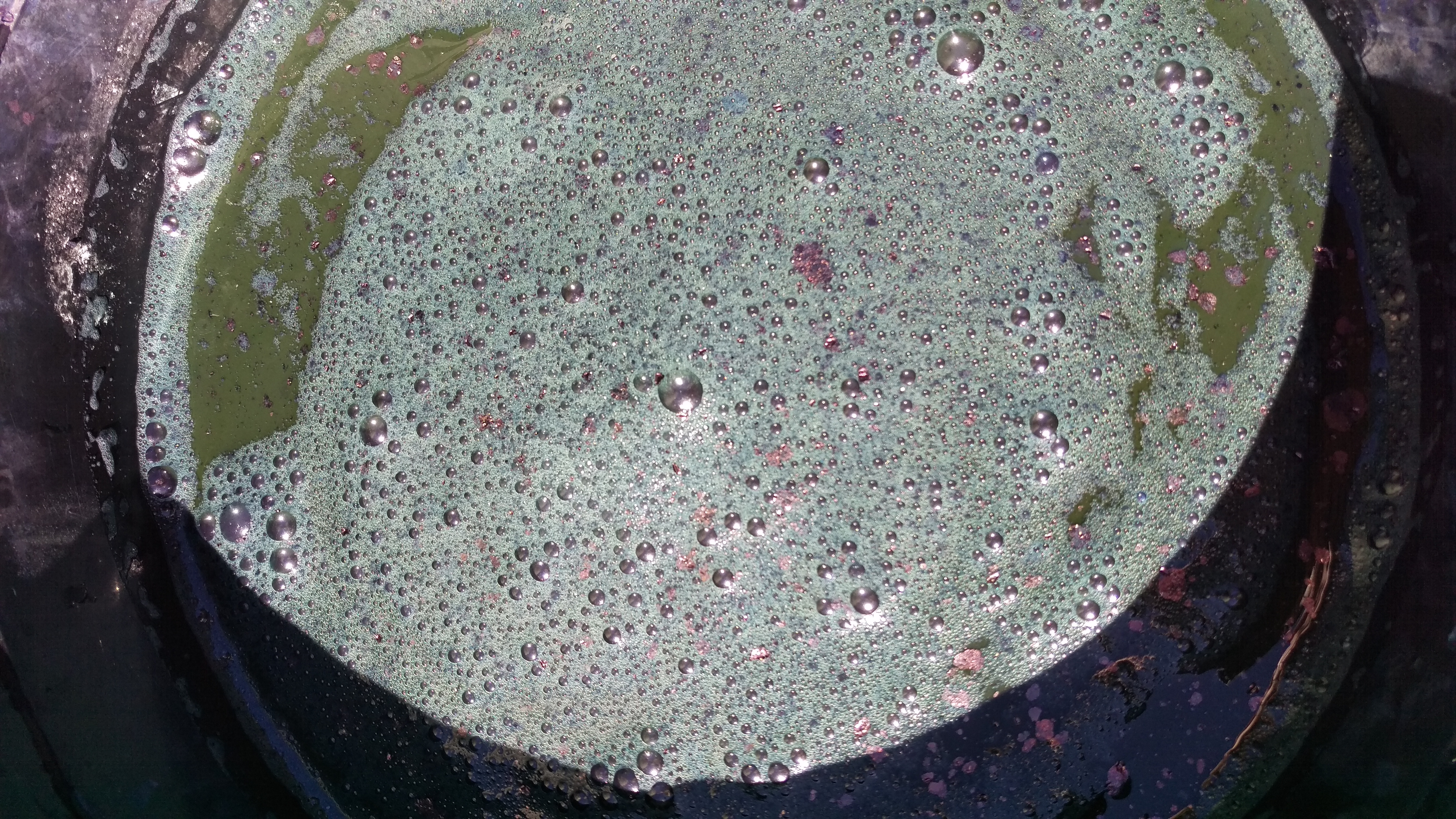
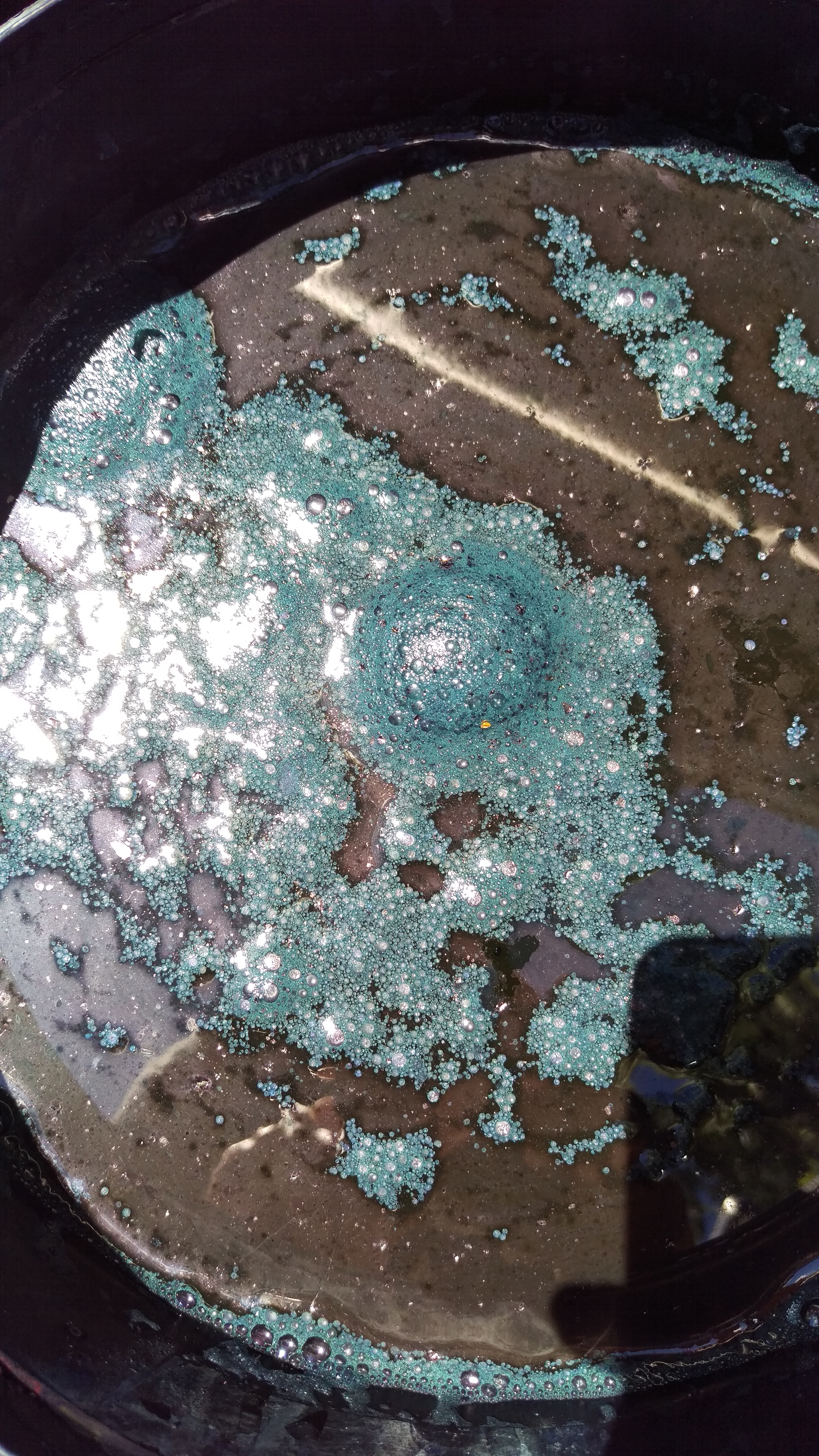
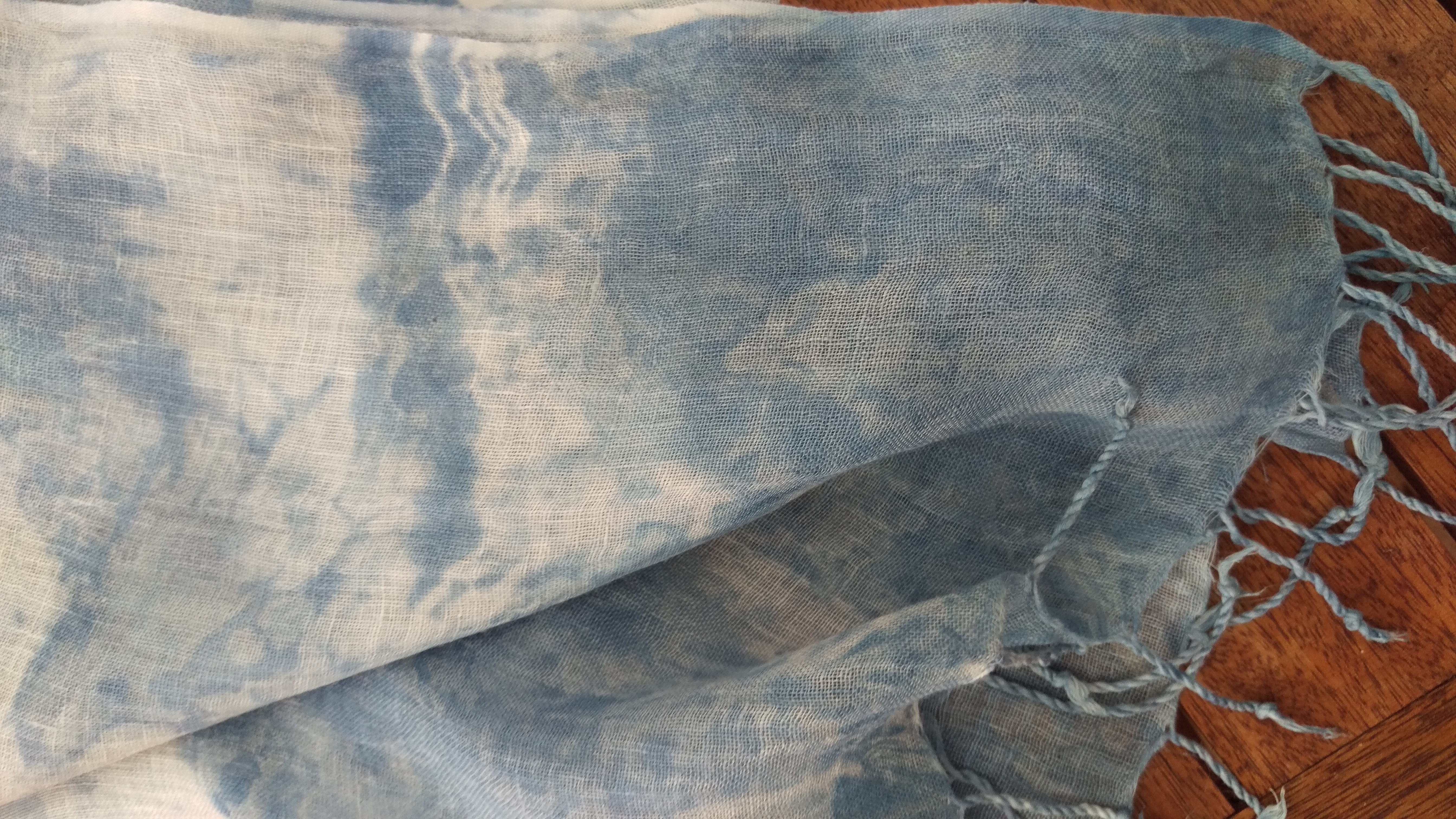
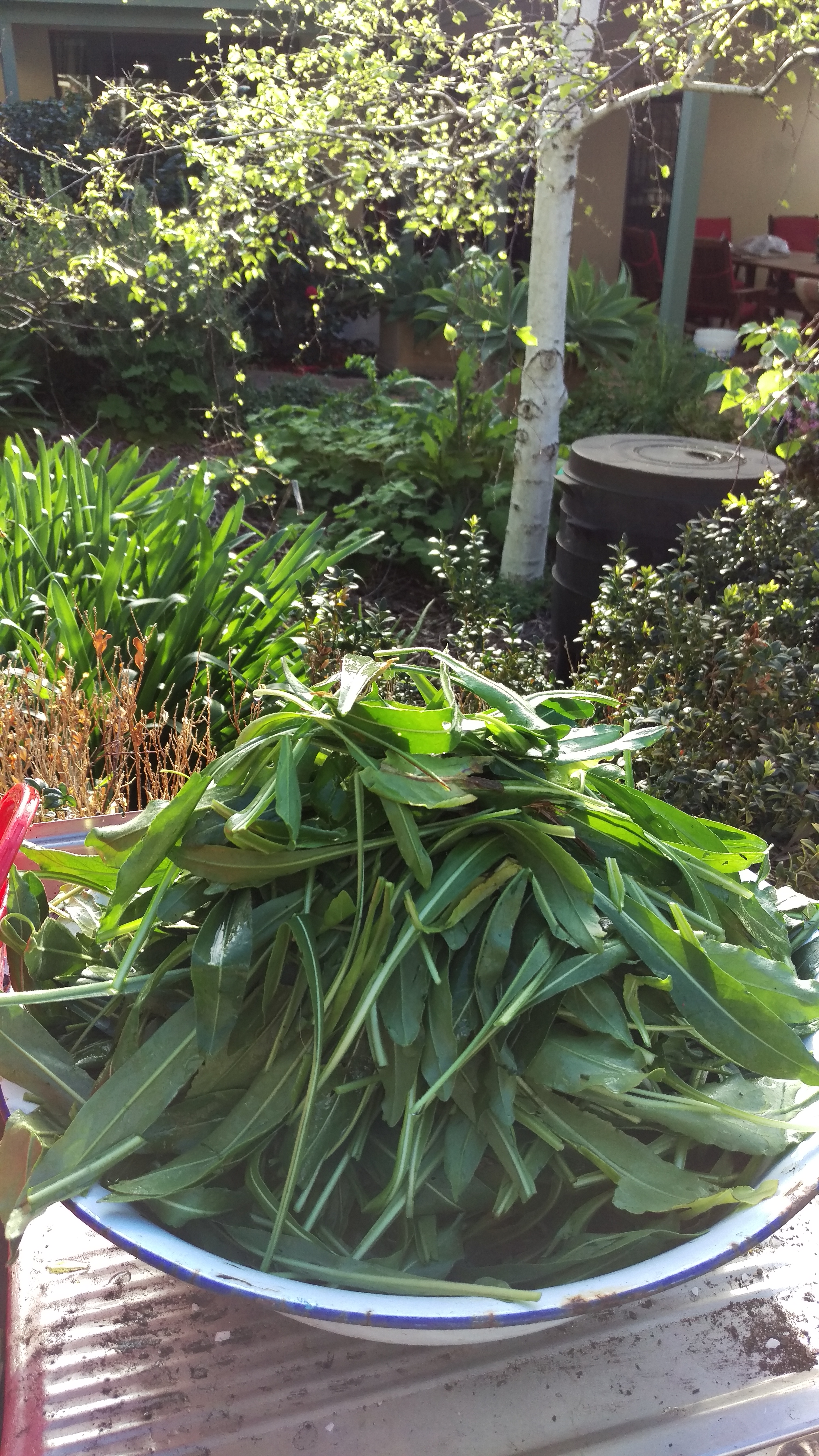
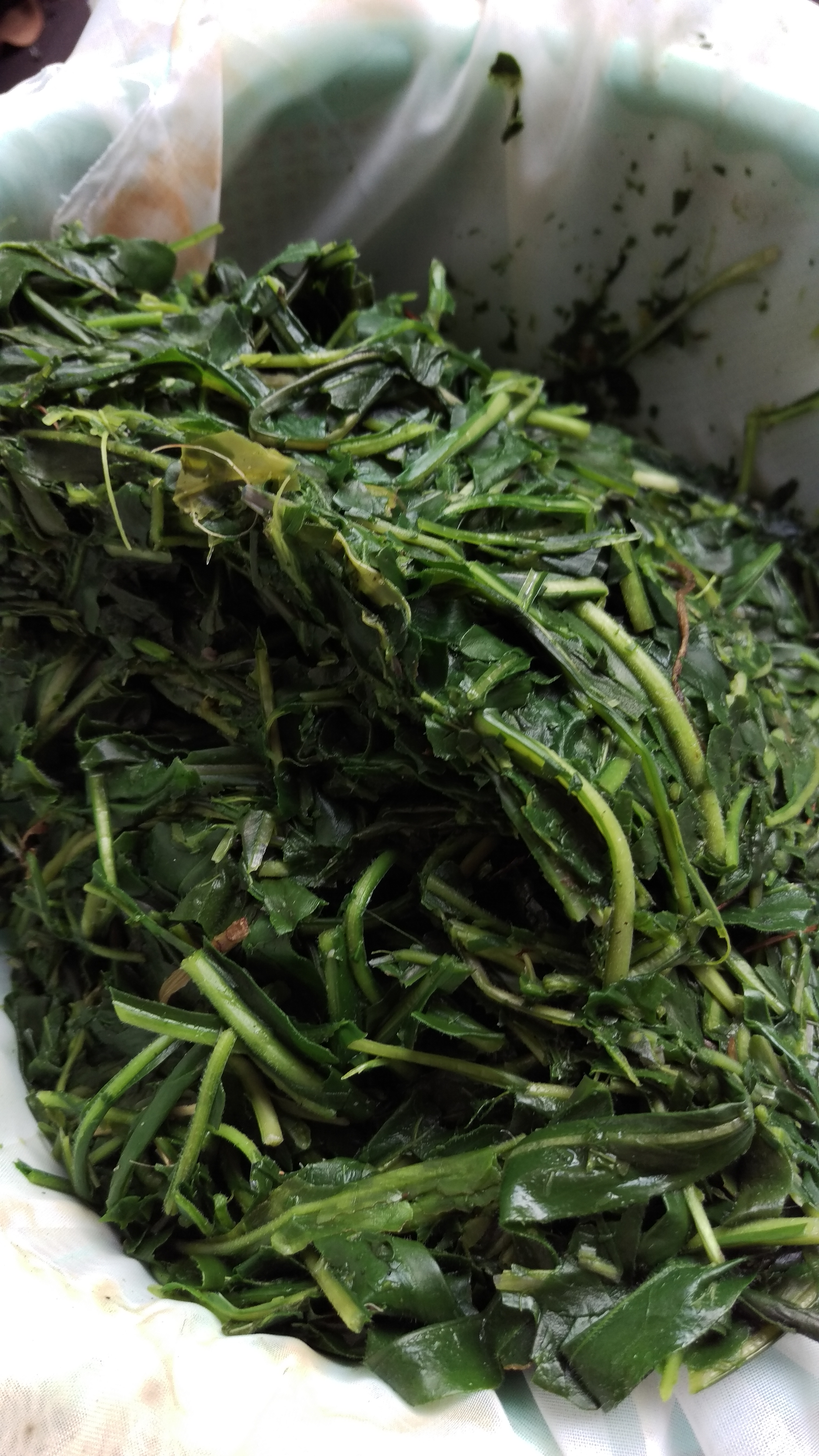
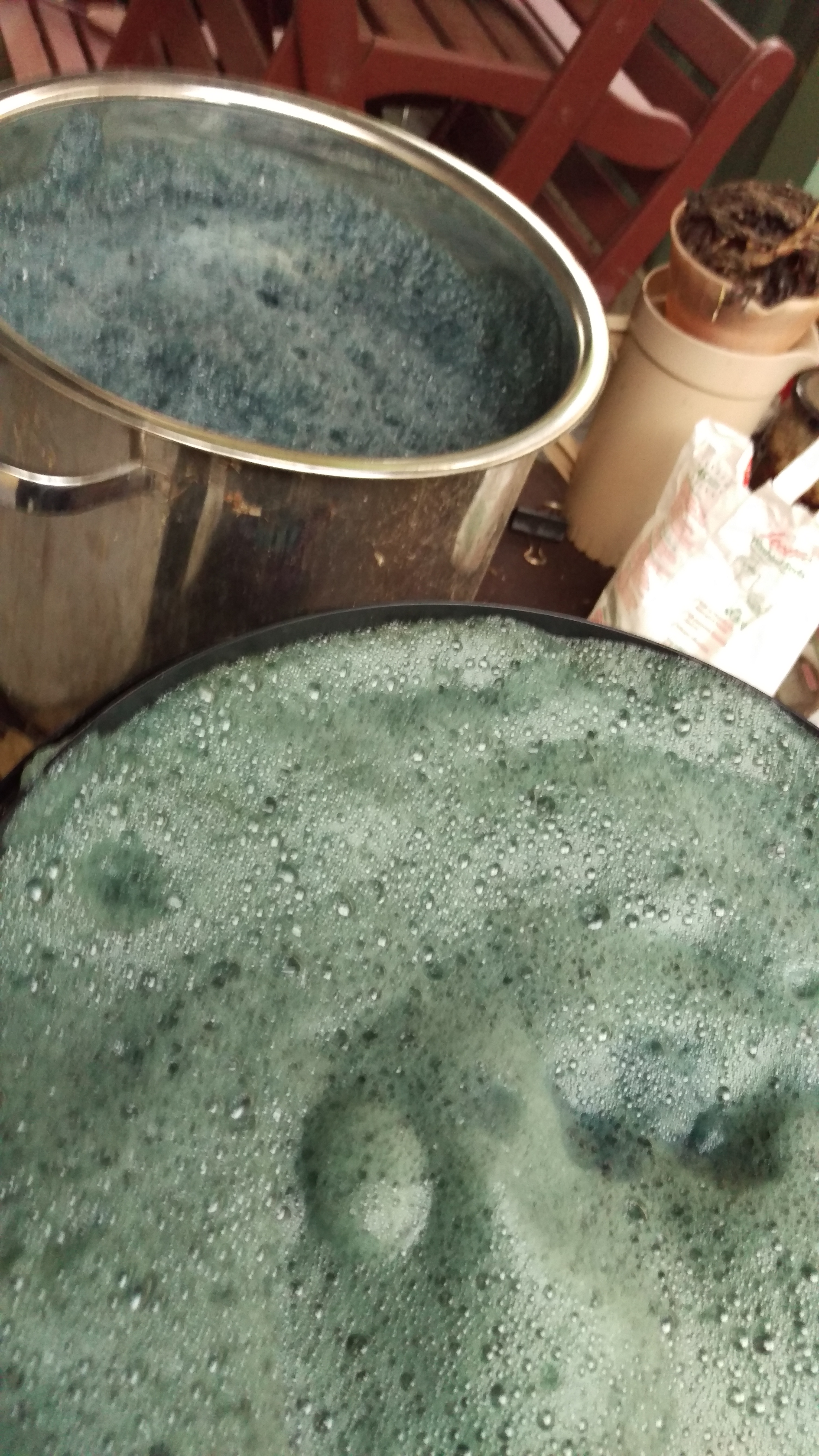
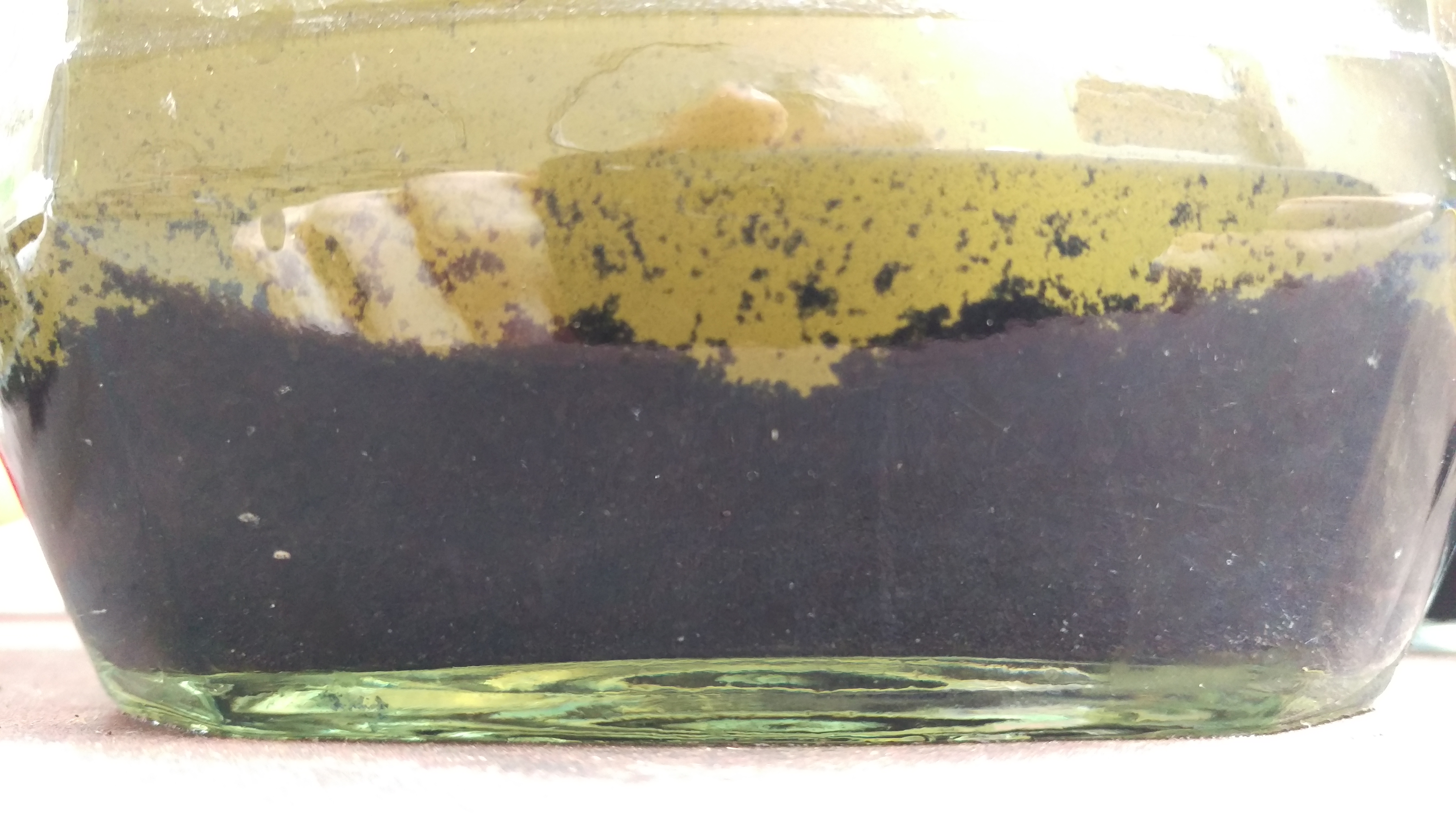
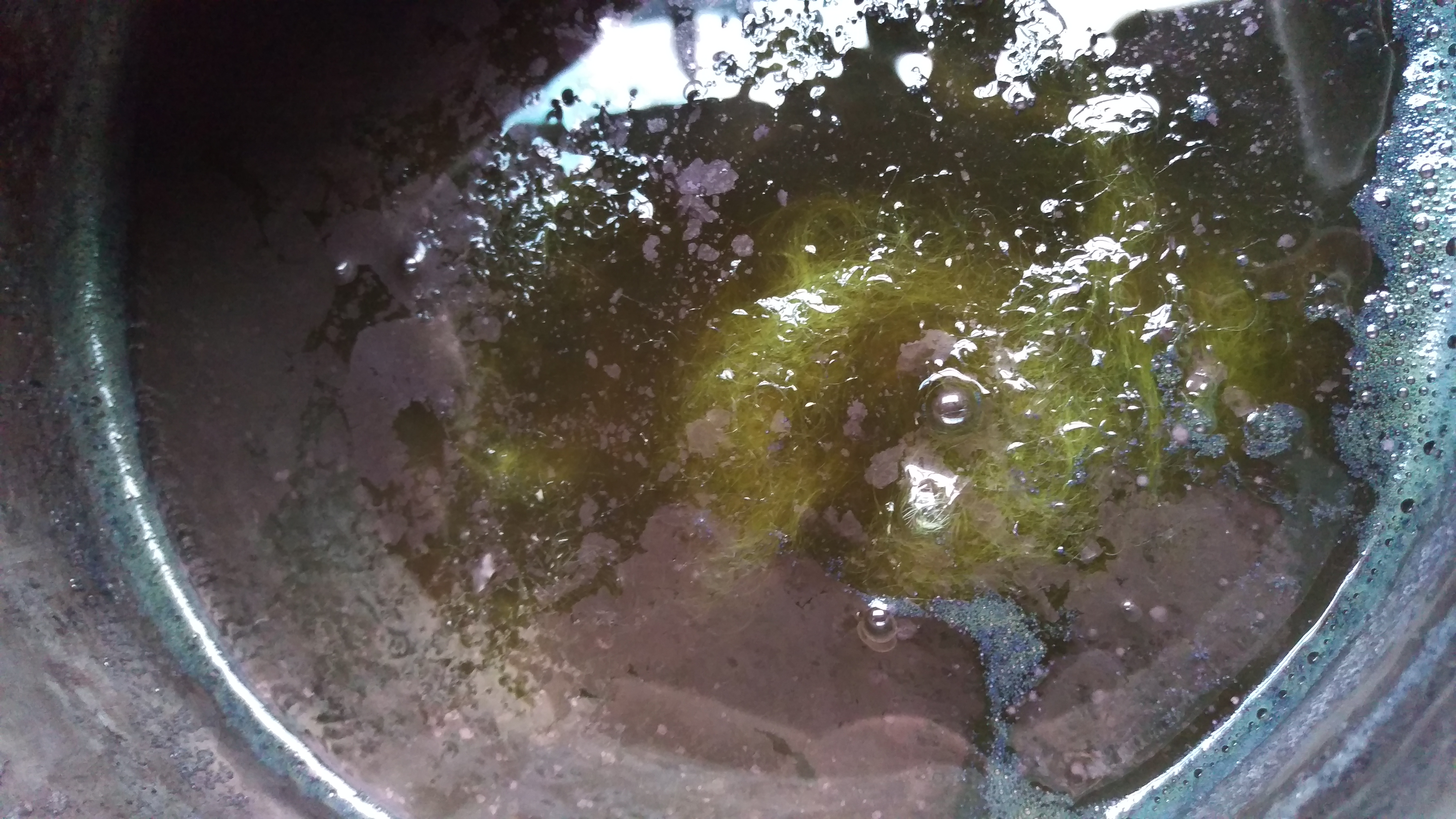
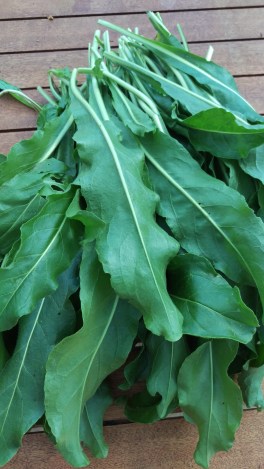
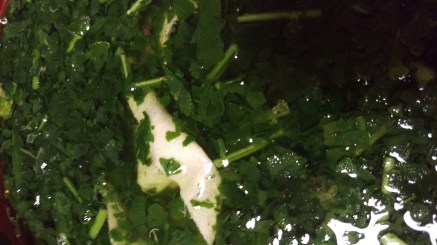
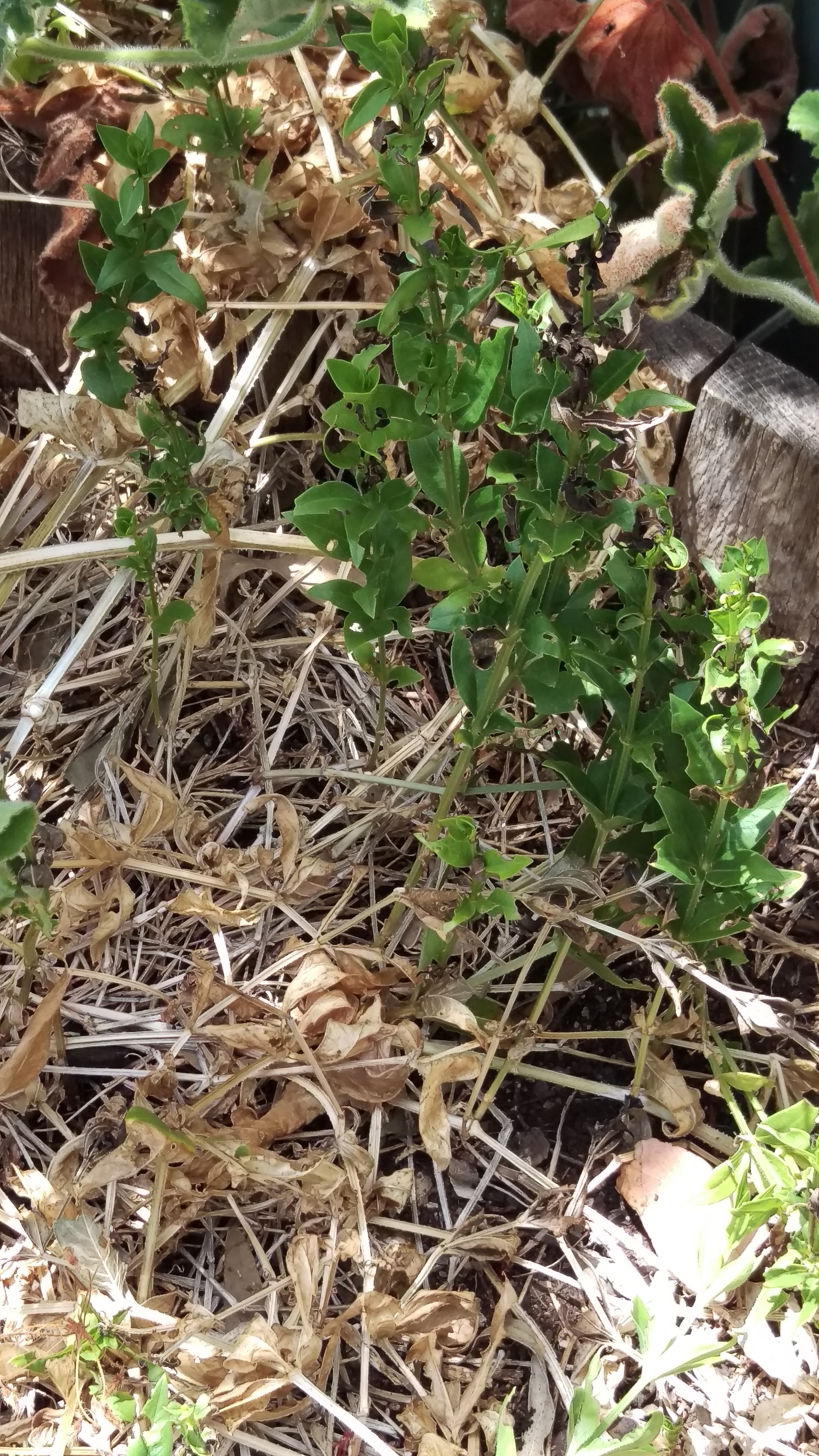
Step 4: harvest woad.  Could you tell that was woad steeping in hot water in the first picture?  Extract pigment.  That second image of the blue froth with a coppery blue swirl in the middle? The most exciting thing that has happened when I’ve tried to extract pigment from woad to date.  I’ve read high summer is the best time to get blue from woad, and–this is high summer.  Add woad to indigo vat.  Rebalance Ph.  Do your best to create conditions for reduction. Stir carefully. That’s where things are at in image 3. Image 4 is some hours later. Keep warm overnight.  Place vat in a sunny spot first thing.

And on the day… stay inside except when tending living things and hanging loads of washing.  Check as the temp of the indigo/woad vat rises to 35 and then 45C.  Enjoy the sound of the inverter for the solar panels as it cranks out power from the sun.


9 Comments

Filed under Fibre preparation, Natural dyeing, Neighbourhood pleasures

Colours of woad

2016-11-30-08-09-35

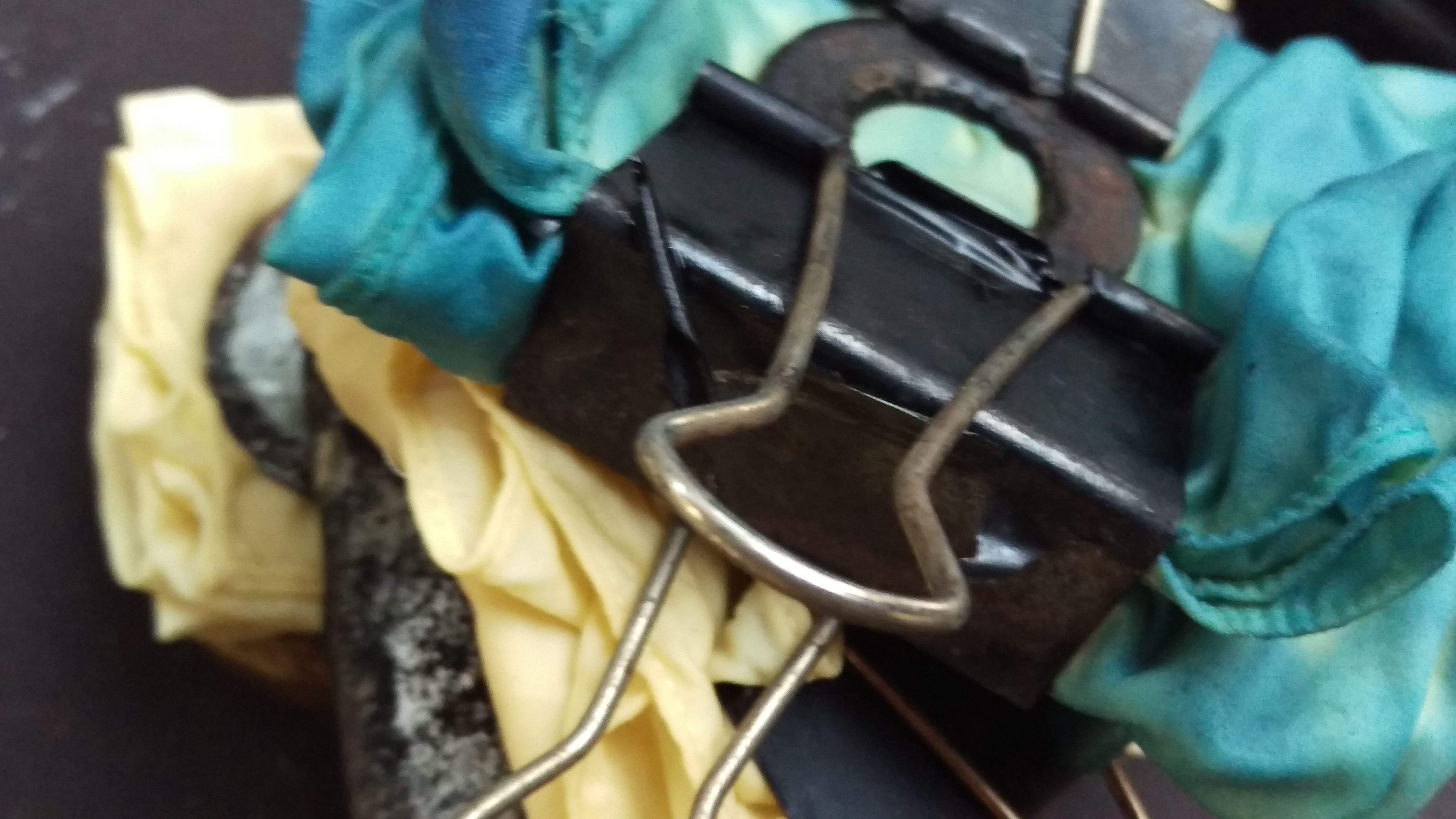
Now that everything is clean and dry, I thought I might show some outcome pictures.  First there was a linen gauze scarf.  I am hoping it might offer some portable sun protection for my neck over summer. Later there was some clamp action.

2016-11-28-19-36-26

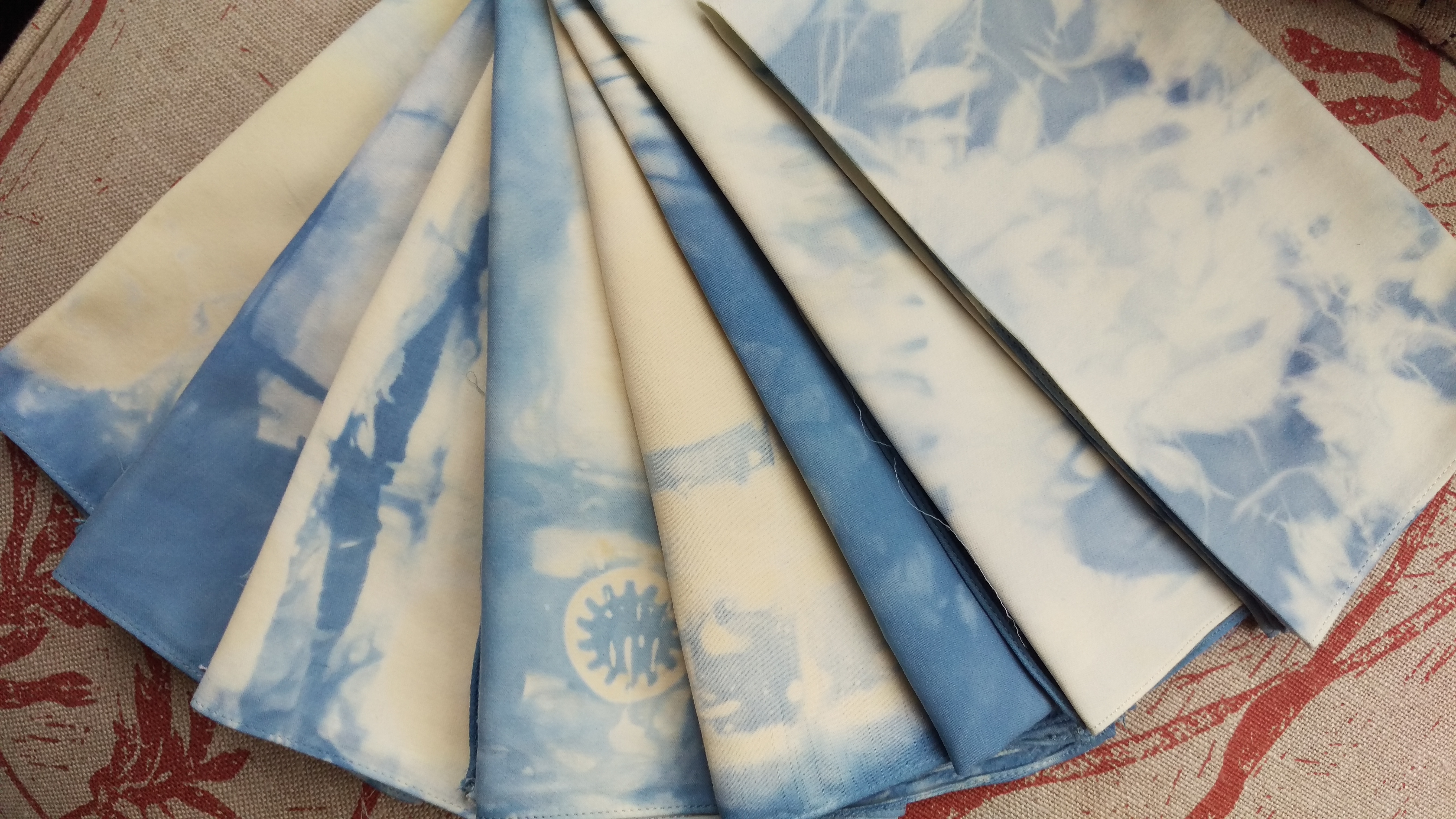
These are handkerchiefs I made some time back from a buttery yellow sheet that passed beyond being able to be used on a bed.  I simply did not prepare for woad success and expected far less colour.  Then I remembered that I had intended to stitch and ye them with indigo…

2016-12-04-15-58-01

I do like the way they turned out!  I am still figuring out whether multiple dips actually does give me deeper colour.  If I am at the start of something and not having a – success experience with woad, I will experiment so I can make comparisons.  So far I have not been convinced that multiple dips gives deeper colour.  I am not sure whether my perception is incorrect, I have skipped a vital step, or I have prepared some of my vats in a way that means colour gets stripped out and re-deposited, which is how it seems to me.  It will be simple enough to run a test and figure out whether it’s my own eye and mind.  My technique will surely improve if I keep going.

2016-12-04-15-58-04

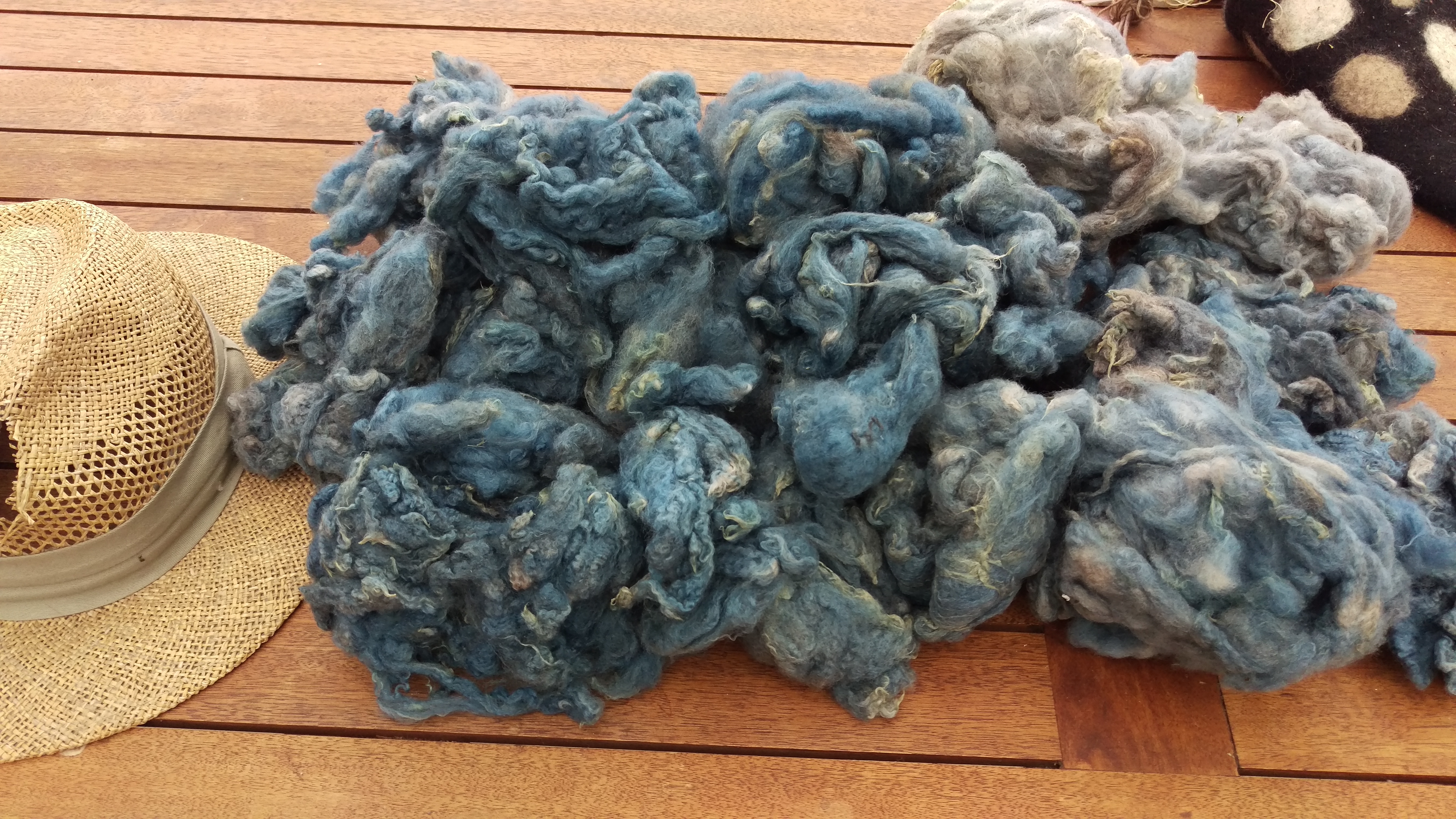
And finally, as the Ph of the vats dropped into the zone more suitable for wool and there was still colour, in went grey merino locks.  LOTS of woad dyed wool! So there is woad spinning yet to come.  Happiness!

2016-12-07-15-50-19


9 Comments

Filed under Natural dyeing

Mellow blueness

2016-11-26-12-27-18

The woad has been thriving in this time of rain followed by warmth.  (The potatoes aren’t doing badly either, as you can see). And that can only mean one thing, when free time opens up!

2016-11-26-15-06-35

I managed to obtain Jill Goodman’s A Dyer’s Manual recently, and had the benefit of others helping me to grasp the chemistry of fresh woad and how it differs from using indigo that has already been prepared from fresh plants by someone else. I came by the book at the annual spinner’s retreat where there were folk with interest and knowledge–perfect, and very helpful indeed.  So this time I felt I knew why I was adding air in the early stages of the process, only to then remove it in the de-oygenation process required to have the dye become fully soluble and able to attach to fibres.  Previously this has been a total mystery or had me feeling I had done something wrong, or both.

2016-11-27-14-09-18

I still had part of one package of hydrosulphite left.  I am pretty keen to have it be the last.  Hydrosulphite is a substance the earth could do without. But equally, since I have it, better to use it rather than let it become stale and unusable for this process.  So I tried two vats: one with hydrosulphite and one with fructose.  The picture above is grey merino fleece descending through the ‘flower’ on the surface of the hydrosulphite vat and into the yellowy depths below.

2016-11-26-17-45-56

This image is the fructose vat, which involved some guesswork on my part (no way to measure how much woad pigment there was in my solution). I am not experienced enough to have great judgment or to trust my own judgement.  I can measure temperature and I can measure Ph.  The complex part is judging the reduction (de-oxygenation) of the vat. This looked very promising to me!  That said, there were moments when I had realisations that gave me pause.  Jill Goodman, for example, seems to live in England and I suspect her conditions and mine are not the same. She goes from scalding leaves with boiling water through various processes to heating the vat to raise it to 50C (there was a lot of conversion to metric involved for me)… I did the processes concerned and still had a vat at 70C and decided in the end to put the vat in a sink of cold water and ice!

2016-11-26-16-57-16

This linen scarf did the amazing woad magic of going from yellow to green to blue when put out into the air.

2016-11-26-17-13-35

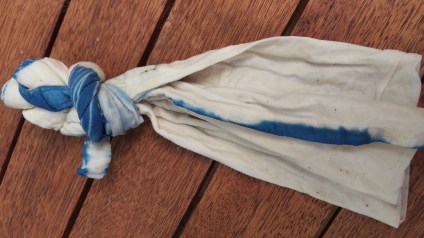
Both of my tied textiles dyed only on the outside and therefore were re-tied and re-dipped. The greeny-blue of the image above converted to blue very quickly on rinsing (you can see an image further down).
2016-11-27-15-37-27

Soon I had dyed my planned fabrics and imagined that the vat would be exhausted, because previous vats have yielded so little.  The next day it was clear that the hydros vat was not exhausted, so I adjusted Ph and temperature and set about continuing to dye. The fructose vat was still not reduced, so far as I could tell with a test dip, though again it looked promising and eventually looked much like the hydros vat.  However, it still had not reduced, and thus, was unable to dye.  In the late afternoon I decided it probably didn’t have any dye in it. Do not read on if you have a weak constitution–but one of the reasons for my belief was that I had accidentally boiled the fructose vat early in the process. Eeek! I had a very little hydros left, so added some to the fructose vat.  Then half an hour later, a little more.  30 minutes later, it came into order and began to dye, and I dyed using both vats until bed time using the only clean fleece I seem to have. The fructose-hydros vat dyed over two more days, as it turned out!

2016-11-27-18-18-18

I threw in more cloth and went to bed, feeling extremely pleased.  On the down side, I used hydros.  On the up side, it can only have been a matter of time before that fructose vat would have reduced.  I just needed to hold my nerve and be patient.  Maybe add more fructose. Admittedly, time is one of my biggest issues because I do have a day job and other commitments.  However, this is by far the most successful woad effort to date.  I now understand that I need to use a vat rather than direct dyeing for the woad to be wash-fast.  I think I now have a sense of how to tell whether there is dye in the vat (at all) as I process the solution.  The low concentrations of colour claimed for woad are not so low as to make it useless, and I have quite a bit of leaf.  One vat with 1.6 kg leaves and one with 900g leaves from one part of the garden where other things have struggled to grow well–and this is my second harvest from them.  I also have the happy sense that my understanding is sufficient to reach success with a fermentation/fructose vat given time.  The pigment from my previous crop of woad is in a different vat which has not shown promise even though I have been waiting for weeks.  But it still may!  And I am confident now that reduction is the main issue and not one of the other possibilities.  Very encouraging mellow blues–and more pictures to come when everything is clean and dry.

9 Comments

Filed under Dye Plants, Natural dyeing

Woad extraction

After my last, less than successful, adventure with woad, I considered the situation. I discovered thanks to the commenters on this little blog (thank you!) that my chickens enjoy woad leaves just like theirs do.  Then I finally figured out that some of my woad is in year 1 and in spring in spite of everything I have done/not done/failed to understand.   I decided to try Teresinha Roberts’ method of extracting the pigment from woad.  I figure this way, I know if I have any pigment before I go all out with complex methods of deoxygenating my woad vat.

2016-09-24-16-10-50 2016-09-24-16-15-33 2016-09-24-16-18-07

So from left to right you have woad before haircut; woad after haircut, a (big) bucket full of woad, and…

2016-09-24-16-31-50

half that woad washed.

2016-09-24-16-58-42

After that it gets less pretty.  Woad that has been added into hot water, now ready for the compost bin.  Since adding it to the compost I find not the appalling ‘pinky-tan’ I have been promised by some but some very nice pinks online.  Never mind.  Life is long and I can try all the things if I live long enough.  Goodness knows it seems that is my project!

2016-09-24-17-08-38

Woad liquid after straining out leaves.

2016-09-24-17-42-32

Wow!  Can that stuff make froth!!  I had acquired a stab mixer at the op shop last week and employed it until I feared for its health. Teresinha was pretty clear that you should use soda ash and not washing soda because it causes less froth.  I only had washing soda and slaked lime in the alkaline substances for indigo line of supplies and was not prepared to go out and find soda ash having given my last lot away to indigo dyers a the guild.  Next time, I might be more diligent!

2016-09-25-07-37-57

I gave it all night to let the foam subside, but there was still (very deep blue) foam next morning). Surely this is promising?  But why is the blueness floating, rather than sinking to the bottom of the liquid as in Teresinha’s pictures?  Have my washing soda crimes ruined everything?  (I know, I need my own soap opera).

2016-09-25-11-39-23

The first cut. Fingers crossed! This looks like blue to me.  But… Teresinha Roberts has the blue pigment settling to the bottom.  To me it looks like mine is all floating on the top, still.

2016-09-25-11-40-03

I thought time would sort it out but actually, two days later as I am trying to continue the process I still have this: the concentrating jar on the left and a jar of ‘discard’ woad solution on the right.  I say ‘discard’ as I am not throwing anything away just yet.

2016-09-26-13-42-07

And then… wonder of wonders!  I began to form an impression on day 3 that I might have some blueness.

2016-09-27-12-43-46

And closer up…

2016-09-27-12-45-15

Is it promising?  Is it??


10 Comments

Filed under Dye Plants, Natural dyeing

Spring in the dye garden

2016-09-19-12-44-22

I had a query from a lovely reader recently and it caused me to consider what was in my dye garden, which is also the flower and vegie garden, really.  So here is a little taking stock.  Woad is showing its capacity to self sow.  I have gone from struggling to get a seedling out of a hard won pack of seed, to finding I could get it to grow, to this… self sowing in the veggie beds.  Let’s see if these plants manage the summer.

2016-09-19-12-44-17

The one-year-old-woad is pretty big.  Pity I didn’t harvest it at the right time.  I still might have another go… but meanwhile some of it is sending up flower heads and the seeds will dye too! This is the woad-and-potato bed beside the peach tree.

2016-09-19-12-41-59

This is the woad-greens-rhubarb-you name it bed.  Flower heads rising in the middle top of the picture.

2016-09-19-12-40-54

The new raised madder bed, with added pansies, evacuated to this spot when their pot fell apart without warning.  I think the madder already likes this spot. Californian poppies are doing well in the old one.

2016-09-19-12-43-53

Speaking of pansies, I’ve been dead heading these regularly to use India Flint’s ice flower method on them.  They are in a yoghurt pot in the freezer, accumulating. I love my pansy dyed thread and have faced the fact that I don’t need kilogrammes of silk thread at this stage and therefore can happily use quite small quantities of dye stuff.  I have also been known to deadhead pansies in public plantings.  But it goes so much better when I don’t have company, as this kind of weirdness may offend one’s friends. In the top of the picture, the weld. Some of it died months back for no obvious reason–the main stem seemed to rot or be nibbled away.  Mysterious!

2016-09-19-12-41-10

And there are these pansies too. Only some of them make sense for dye but they are all lovely.  I am in favour of loveliness.

2016-09-19-12-40-40

Our E Scoparia has made it through the skeletonising caterpillar season and is now my height!

2016-09-19-12-43-12

Black hollyhocks old–

2016-09-19-12-42-05

–and new.

2016-09-19-12-42-15

Marigold seedlings coming up in a metal tub I salvaged off hard rubbish during winter.

2016-09-19-12-43-37

I do use rhubarb leaves to create acidic dye baths, but mostly rhubarb is for eating and not dyeing in our parts! And the rest of my dye garden is out in the suburb and other people’s gardens… I am a dye gleaner.

2016-09-19-12-41-05

8 Comments

Filed under Dye Plants, Neighbourhood pleasures

Woad in winter

2016-07-18 11.33.25

I realised a little late that I should have picked my woad earlier. But decided I had nothing to lose by picking it now.

2016-07-18 11.41.33

Then the chopping…

2016-07-18 13.42.25

Then the vat. How blue should the froth be, to be blue enough? These are the questions that plague my blue-dyeing!

2016-07-18 14.35.48

Eventually, I had a vat. The wool came out the same colour it was when it went in. The second vat had a lot more leaf to the same volume of water.

2016-07-18 16.52.14

I ended up with some blue-pale blue-bluish wool.

2016-07-23 14.46.19

And some silk thread that is more of a silver grey.  I swear it was blue after the second vat, but either subsequent re-dips stripped the colour back out, or it was fugitive.  Or I dreamed it. Well, they do say that woad doesn’t bear much indigotin, and harvesting in winter is not ideal.  But, am I allowed to be a bit disappointed anyway?

2016-07-23 14.46.40

12 Comments

Filed under Natural dyeing

Adventures in woad

2016-03-12 10.44.46

Woad has been one of the success stories in our summer garden.  Until two years ago I had no success at all growing a seedling. This summer, it has really grown and thrived.  So I have decided I can try a few things out.  I started with India Flint’s ice flower method.  She describes using it with with Japanese Indigo on silk here. It seemed logical to me that if it worked with Japanese Indigo, it should work with woad.  But logic requires consideration of all the facts, and I know for sure I don’t understand all the chemistry and plant magic involved.  So who knew what might happen? The last time I tried this, with some Japanese Indigo leaves, nothing obvious happened and I decided I just didn’t have enough leaf matter (and the leaves were tired and sad in any case).

2016-03-13 15.17.21

This time I was rich in leaves, though woad is a low-indigo plant. I followed the instructions.  After a night in the freezer, here are my woad leaves in filtered rainwater, with a little pre-loved raw silk and some silk embroidery thread.

2016-03-13 17.04.47

A while later, there were exciting signs of success.  A couple of hours later, the colour was deeper still and the embroidery thread was looking good too. Definitely deep turquoise–tending to green rather than blue, but that would be a happy outcome. I added more thread! That looked good too, so I added some more fabric and went to bed.  The next morning the woad leaves were very green, but the silk was not!

2016-03-14 14.08.18

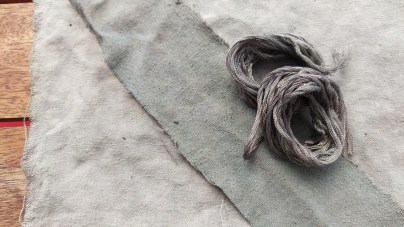
I haven’t had a lot of luck catching the colours exactly, but…. grey is close enough!  The thread is a sheeny steely grey that I have obtained from Austral Indigo in the past by a similar method.  I really enjoyed stitching with it and now I have a new supply.  The smaller fabric that went in first is a darker colour and slightly green-grey.  the larger piece is a rosy-grey, perhaps.

2016-03-14 14.06.43

I forgot to alkanise as India suggests, which would have been a good idea: that might be the issue.  The silk is much worn and washed.  Contaminants?  The woad has had a hard summer? I have chosen a plant in its second year without much indigotin: that is entirely possible.  This method doesn’t suit woad?  I should have pulled the fabric and thread out sooner, when I liked the colour?  Further oversights on my part?  I just don’t know!


8 Comments

Filed under Natural dyeing

Transformations: Table cloth to top #64

2015-11-23 17.53.36

Once upon a time there was a linen tablecloth.   It was a round table cloth with an overlocked edge, gifted to me by someone who no longer had a round table.

2015-11-23 17.52.20

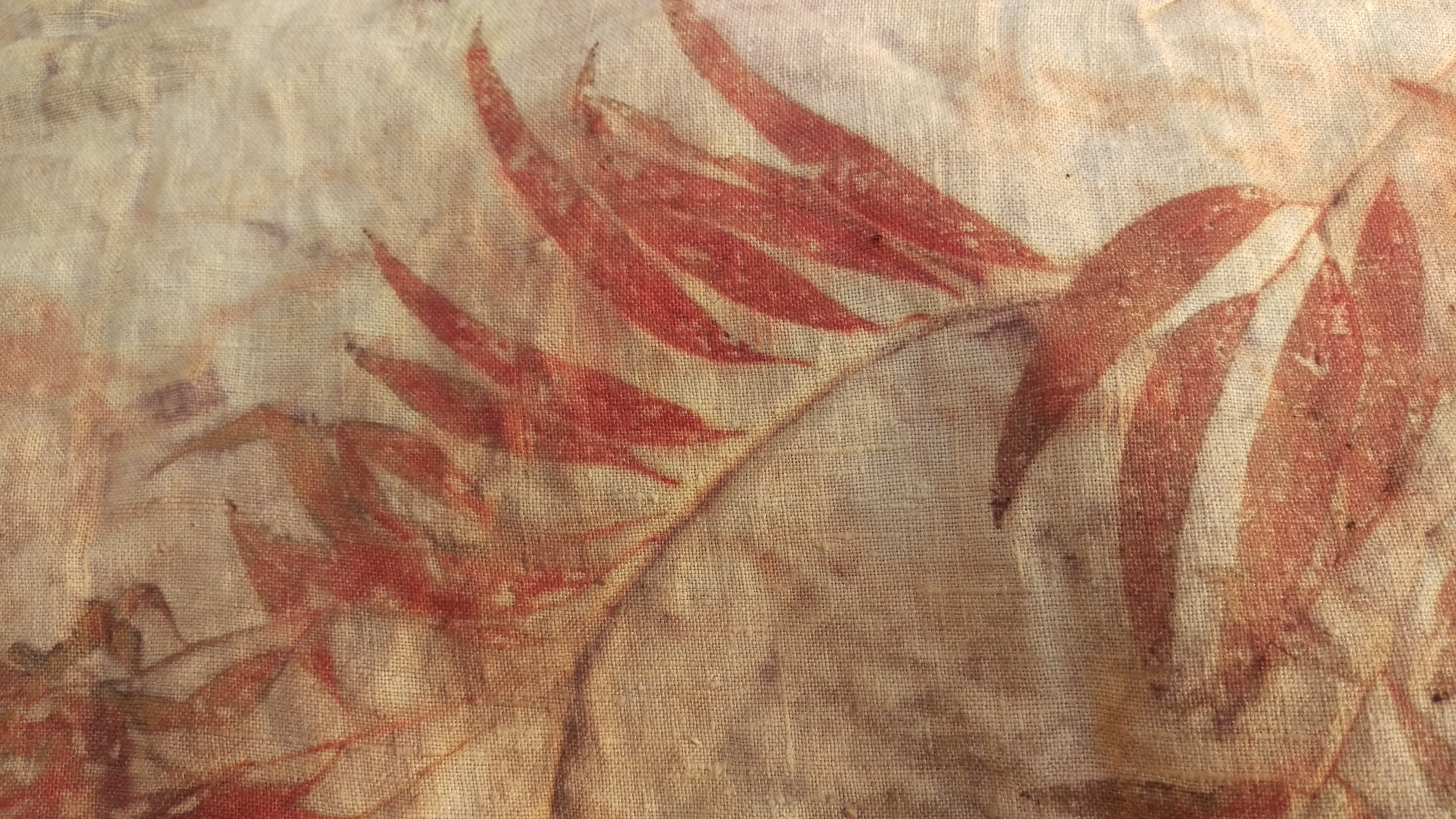
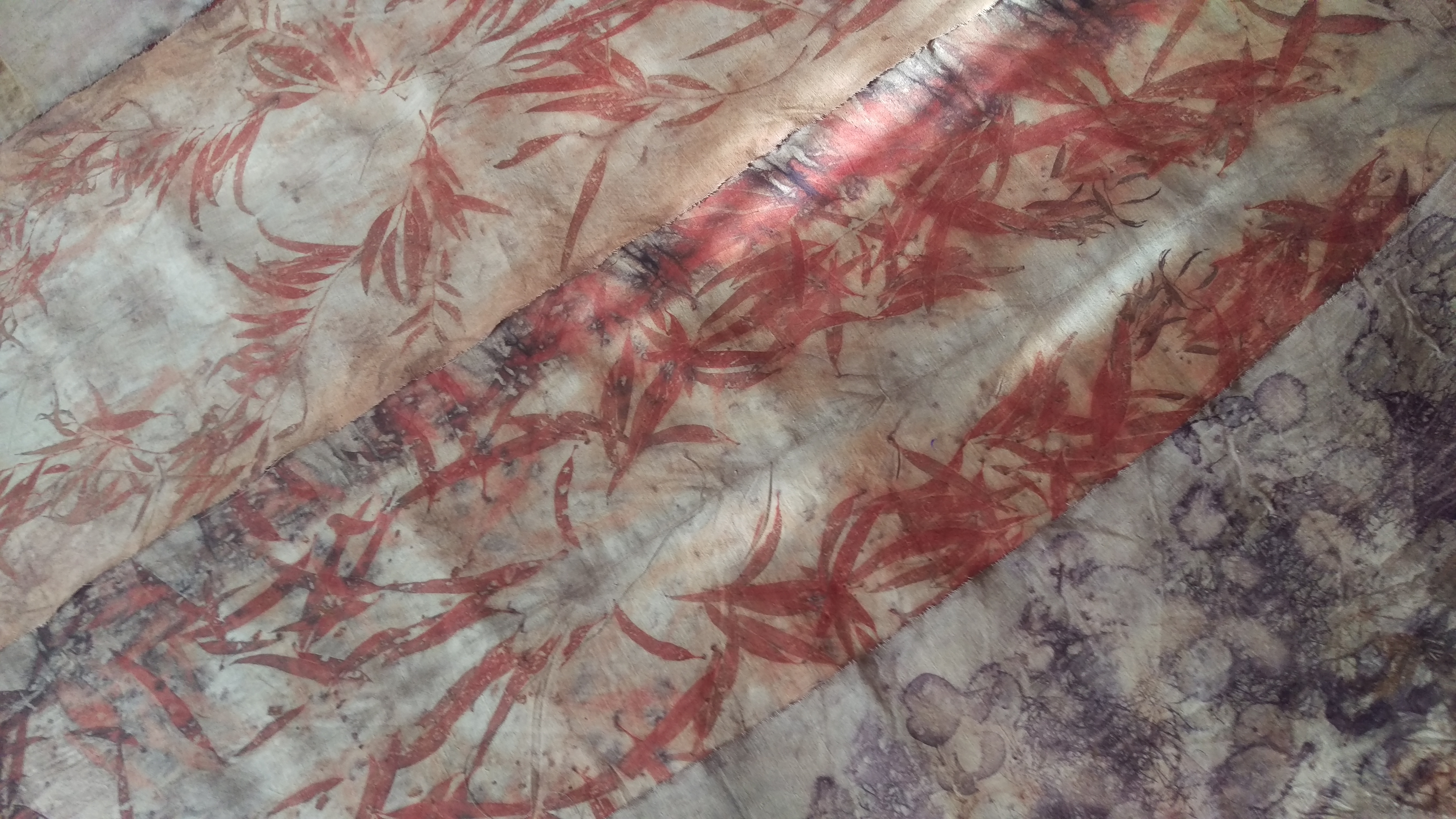
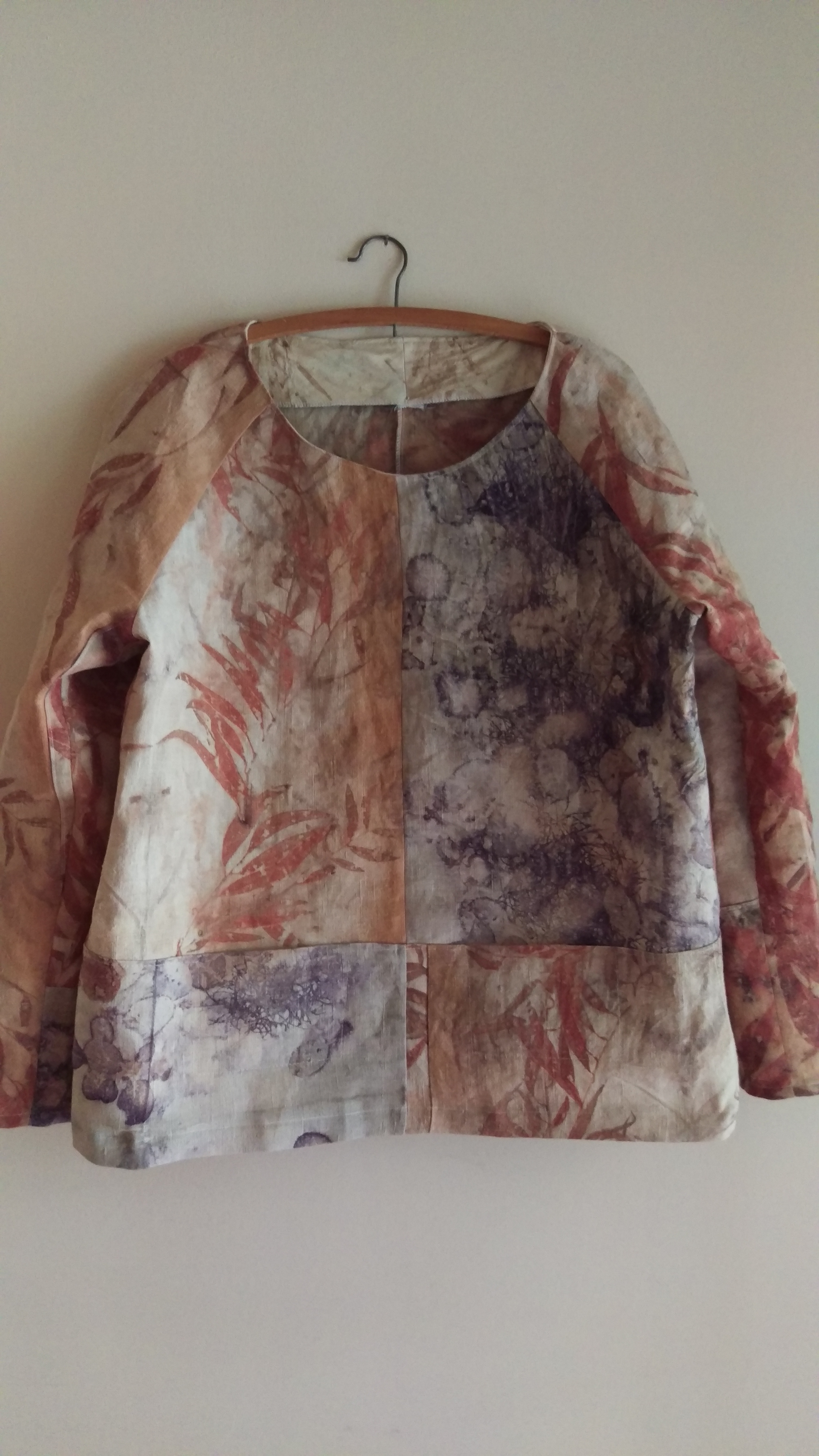
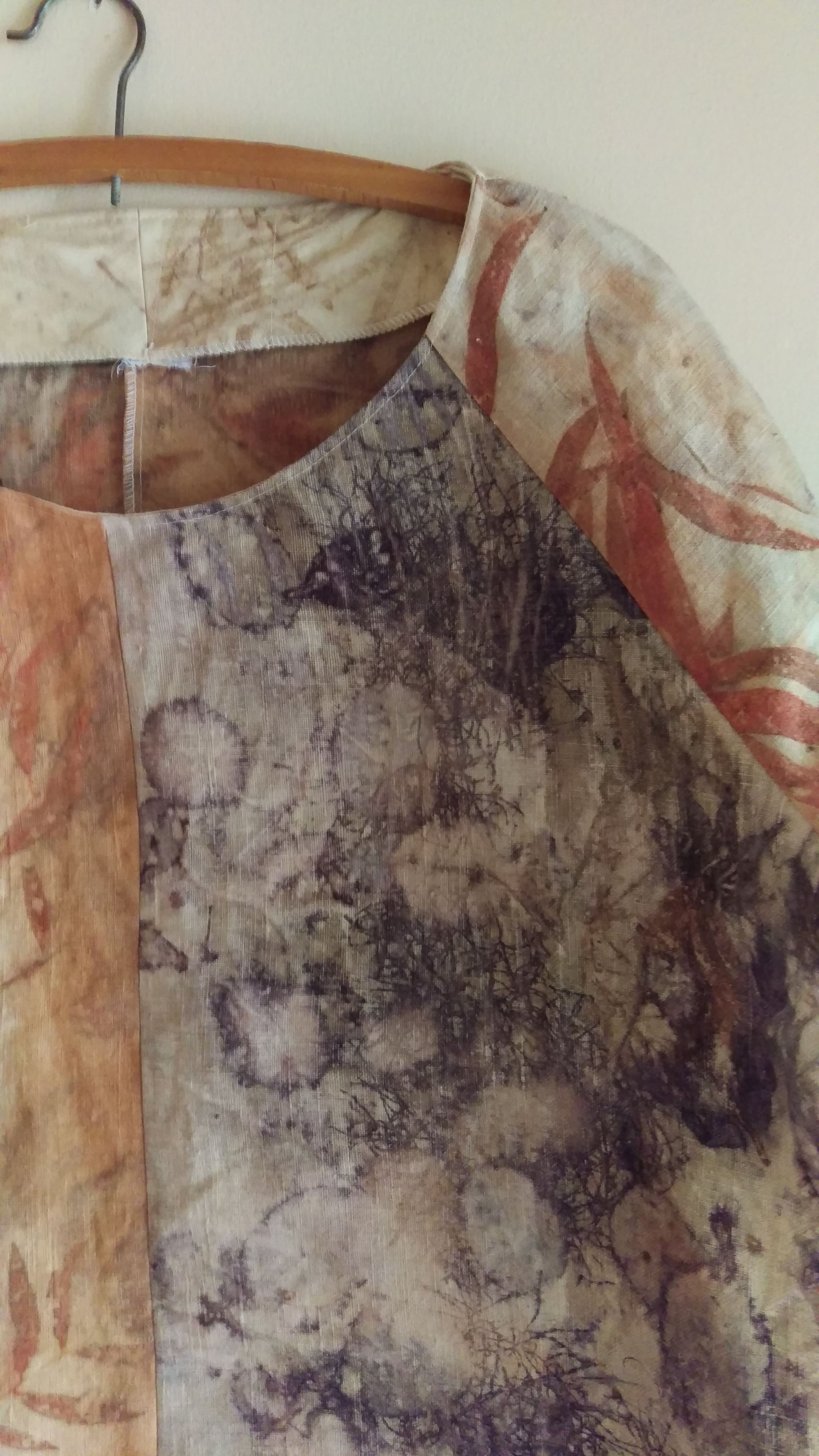
It went into the dyepot one week, but since the dye pot is only so big, I tore it into strips and dyed it that way, mostly with E Scoparia, but also with cotinus (smokebush) leaves and flowering heads picked when they poked out through a fence near our food co-op.  I really could not believe the purple from the cotinus and I am not sure why it happened.  Needless to say, I will try that again and see if it repeats.  I did also try woad leaves but that was less spectacular.  Pinky but not very leaf printy.

2015-11-30 18.00.59

Some time last year I had a sudden whim to turn it into Merchant and Mills Top #64 and pieced parts together to make that happen, and cut it out.  Then after a while it was rolled up.  Then it was parked for some months.  Just recently I did some cleaning up and thought maybe I should finish some things. I just sewed a seam or two a day in a busy time.

2016-03-01 17.34.31

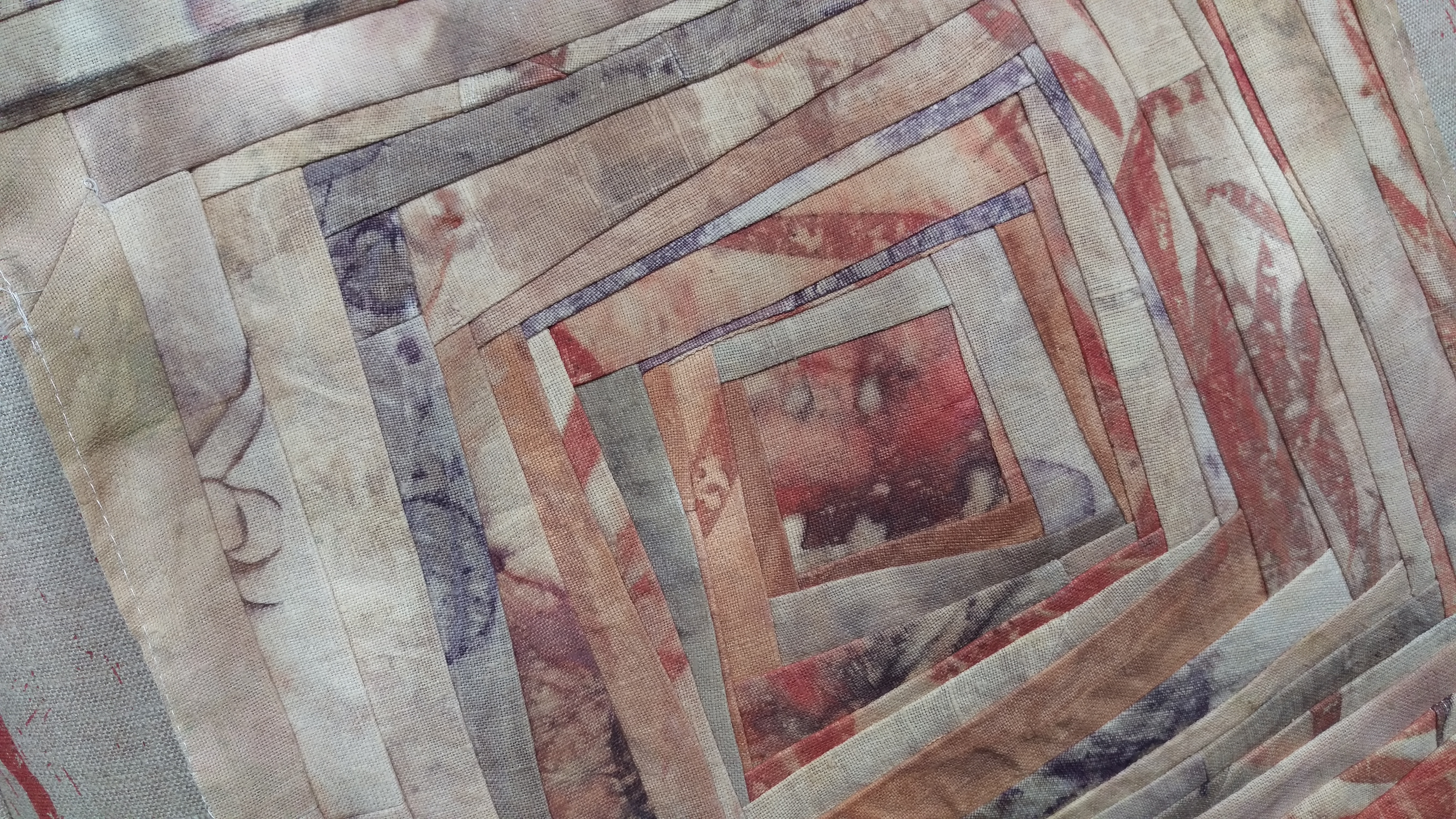
Since so many readers here were interested in my recent discussion of interfacing, here’s what happened this time.  I cut the neck facing out of a piece of leaf printed calico.  I actually cut it back out of a piece of patchwork, also unfinished.

2016-03-07 22.05.44

The interfacing fabric is a piece of a much loved kimono that has passed beyond the mending interest of my mother-out-law. You can see it layered under the facing here after stitching teh layers together but before finishing the edge.

2016-03-10 10.13.15

I think my mother-out-law is rather enjoying being able to send me her raggedy, beloved things as they get past the point of original use and getting stories of their conversion into all manner of other things.  I stitched the two pieces of fabric together and overlocked (serged) the outer edge.  Here it is pinned on and ready to stitch.

2016-03-10 13.17.32

And finally…

2016-03-14 15.27.03

Here is the back view:

2016-03-14 15.27.40

And some closer views…

2016-03-14 15.27.12

It is rather stiff at present, after its preparatory baths in soy milk mordant.  But that will change with more washing.

2016-03-14 15.27.50

All the little bits and pieces were, needless to say, so interesting to me that I patched them together months before I sewed the garment!

2015-12-13 15.20.52

8 Comments

Filed under Leaf prints, Natural dyeing, Neighbourhood pleasures, Sewing

Summer in the dye garden

Summer is a brutal time here in South Australia, and as I was writing, we had just had a record breaking heat wave where we were up over 40C for four days. In my case, however–not facing bushfire, and I feel for those who have and who will.  People have already died and summer is young.

2015-12-13 12.10.04

I took some photos before the heat wave… Hollyhocks, whose flowers have been going into the freezer as they fall.

2015-12-13 12.09.51

This year’s woad looking splendidly leafy.

2015-12-13 12.12.07

Last year’s woad flowering and seeding for all it’s worth.

2015-12-13 12.10.15

Our very own E Scoparia.  Last year, skeletonising caterpillars left just the veins of every single leaf in a lightning fast attack, but it has come back.  2015-12-13 12.11.31

Weld in flower (with rhubarb beyond).

2015-12-13 12.11.49

Japanese indigo seedlings, now blessedly in the ground.

2015-12-13 12.12.24

Cotinus looking like it will make it.

2015-12-13 12.12.54

The madder looking the worse for wear.  In Spring it was more like this…

2015-09-26 18.10.54

And the pansies, may they rest in peace (they didn’t make it through the heat wave), which have given a splendid collection of tired old flowers to the freezer.

2015-12-13 12.13.14

There is more… and I have been roaming the neighbourhood collecting bark and fallen hibiscus flowers and considering the other options too…


6 Comments

Filed under Dye Plants

Happy unbundling

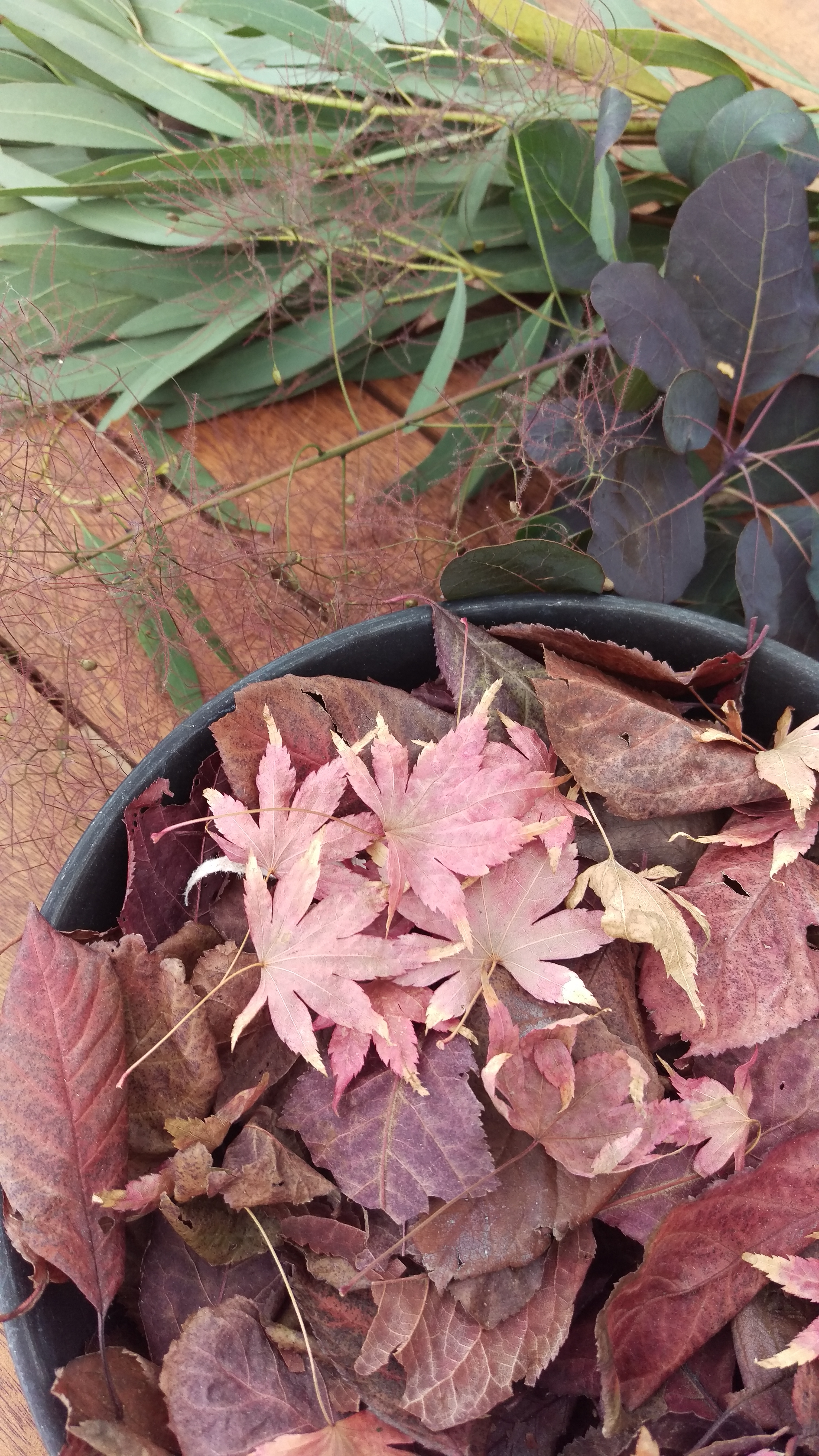
Before I went to Mansfield, I had a moment of imagining what it would be like to return from a sewing circle and re-enter the world of work at the crunch point of the year.  So I took some steps to create things to return home to. I gathered leaves and retrieved saved leaves.

2015-11-13 09.07.55

I decided on a well used round table-cloth I’d been given.  Much loved and much washed and presumed (by me) to be linen.

2015-11-13 09.08.03

No round tables here.  It was destined to be ripped and turned into something new.  I added in woad leaves and seeds as well as E Scoparia leaves and continus nipped from a tree that hangs over a fence.  Here is a stuff, steep and store jar of woad seeds where the silk thread within is turning purple, with a continus leaf for colour comparison.  Wow!

2015-11-13 09.47.30

The bundles went into the dye pot on the day I left home.  Just as I headed out to a laundrette to deal with a laundry crisis that reorganised my last day at home and shall not be detailed here.

2015-11-13 09.40.16

I pulled them out of the dye pot as I went to the airport. Finally, some time after I returned, unbundling time arrived.  The Euc prints are wonderful!

2015-11-23 17.53.36

I just love linen!

2015-11-23 17.53.20

The woad leaves and seeds left traces of green and burgundy and purplishness. But only traces.  The bundle may have been a bit too loose. Ah, but those few continus leaves gave purple!  Who knew?  Well, I didn’t!  But now I am glad I bought one on special at a nursery last winter.  It had lost its leaves and was not a prepossessing looking plant at the time, but now… well… I need to let it keep growing, clearly…

2015-11-23 17.52.20

14 Comments

Filed under Dye Plants, Leaf prints, Natural dyeing, Neighbourhood pleasures