Category Archives: Dye Plants

Eucalyptus Stricklandii

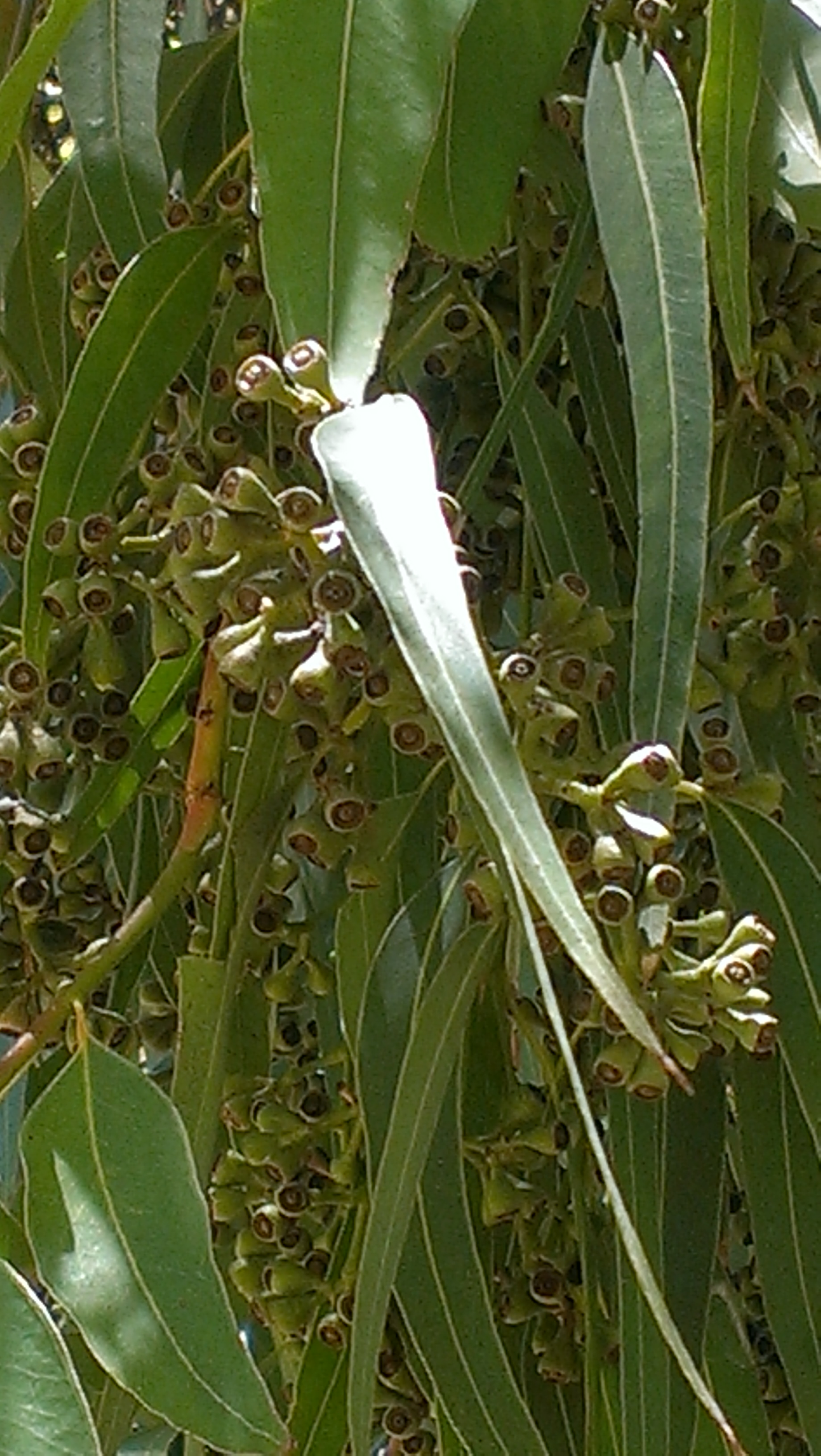
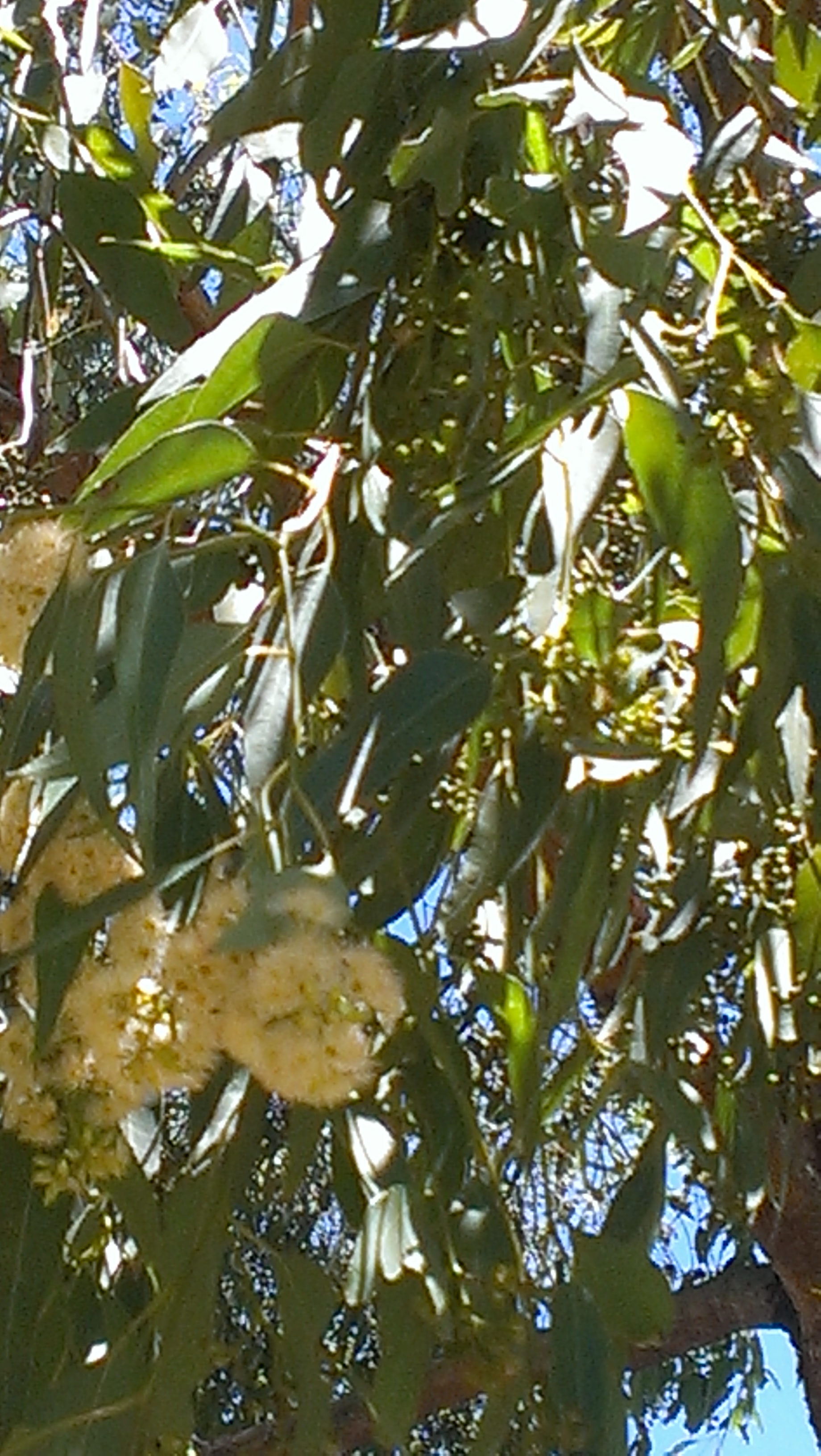
Eucalyptus Stricklandii is in bloom at the moment.

IMAG3745

There are a row of these trees growing along a main road near a friend’s place in the Northern suburbs, and I have admired them each time I’ve visited.  This time I stopped and sampled as well.  I wasn’t the only one. The tree was full of bees, but bees don’t understand about pausing graciously when someone offers to take your picture and make you famous (ahem!) on the web.

IMAG3751

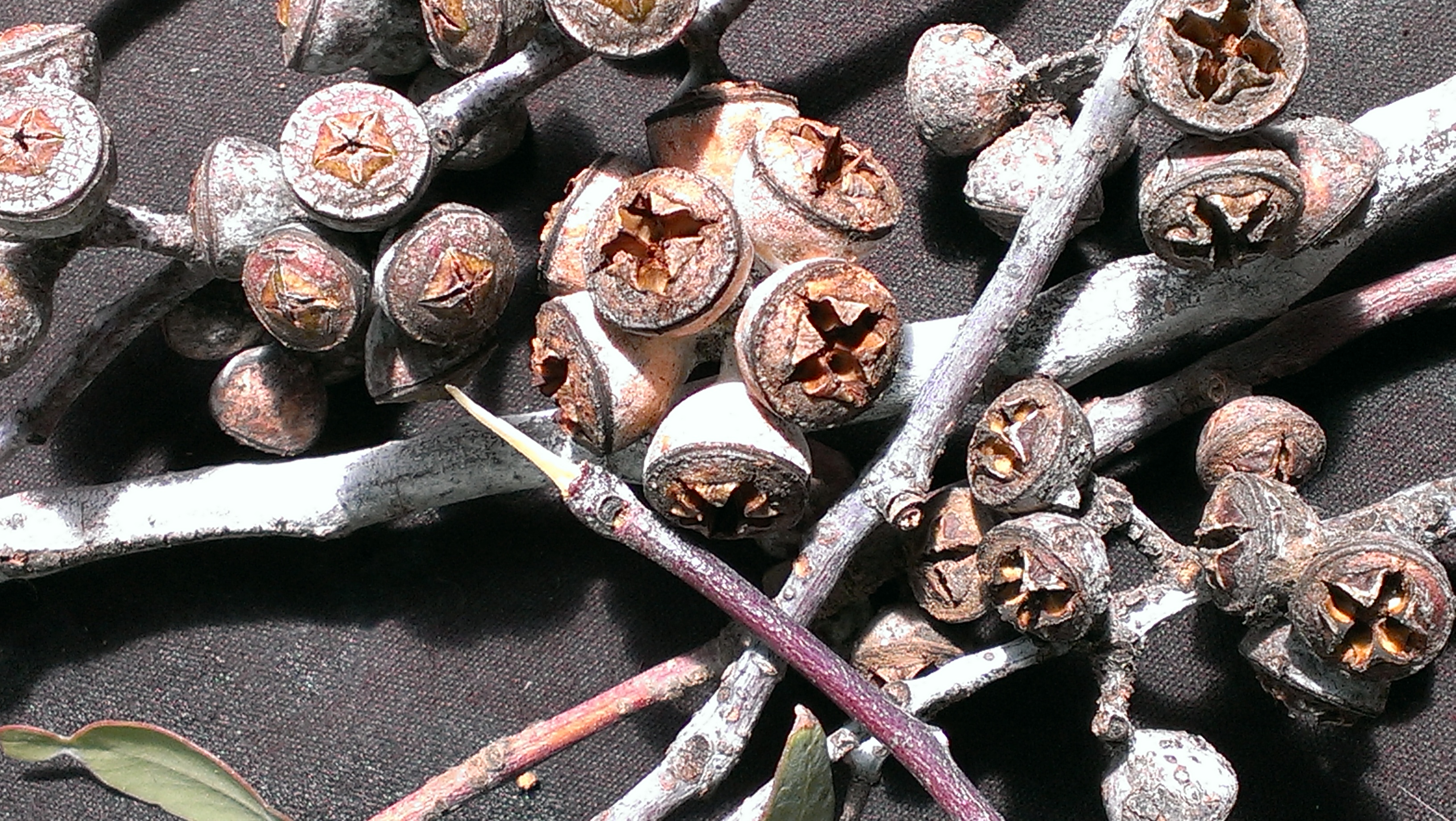
There were also fully mature fruit:

IMAG3791

And fruit that were nearing maturity:

IMAG3756

Buds as well, since this is a eucalypt…

IMAG3753

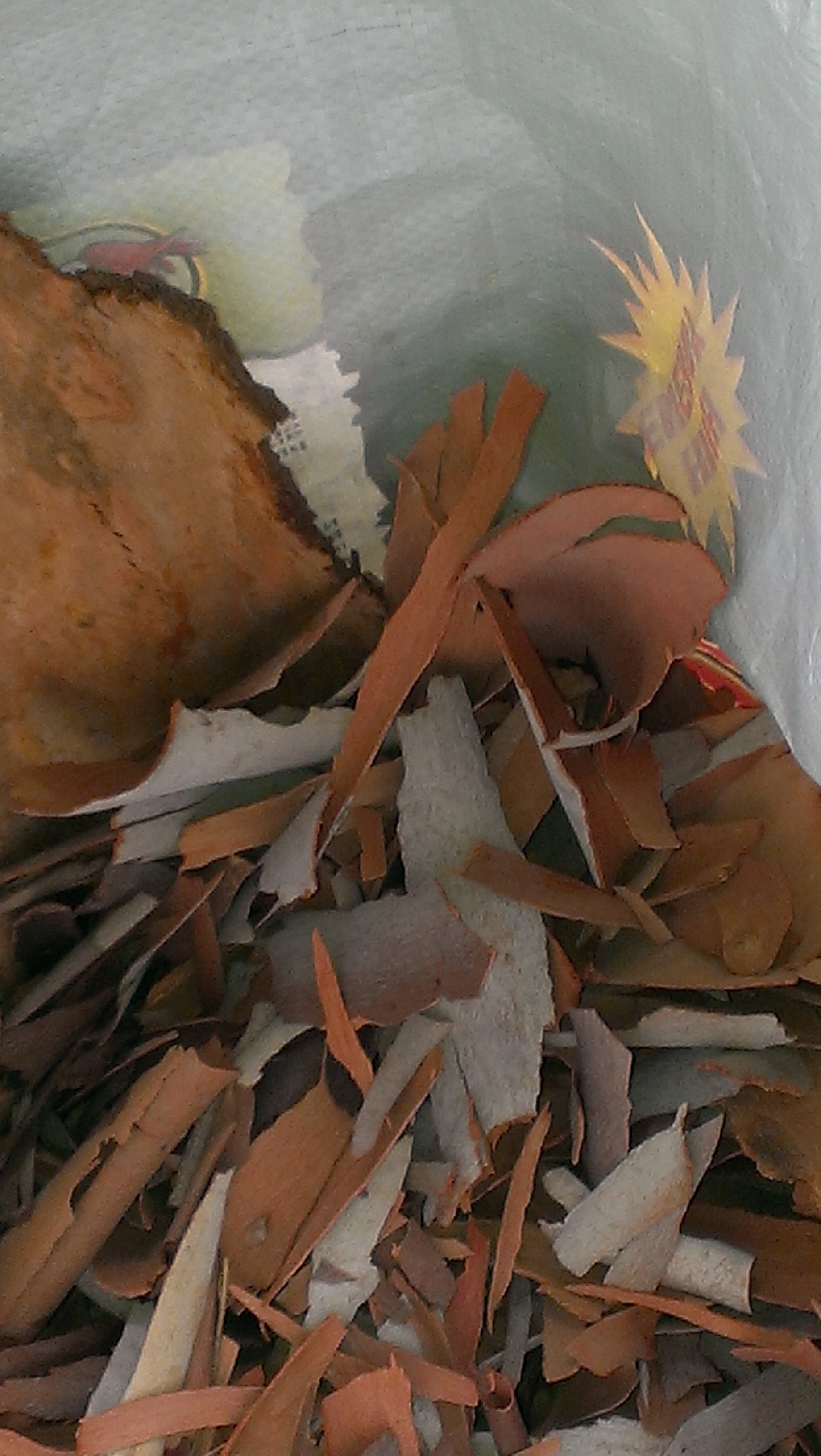
And rather spectacular bark.

IMAG3758

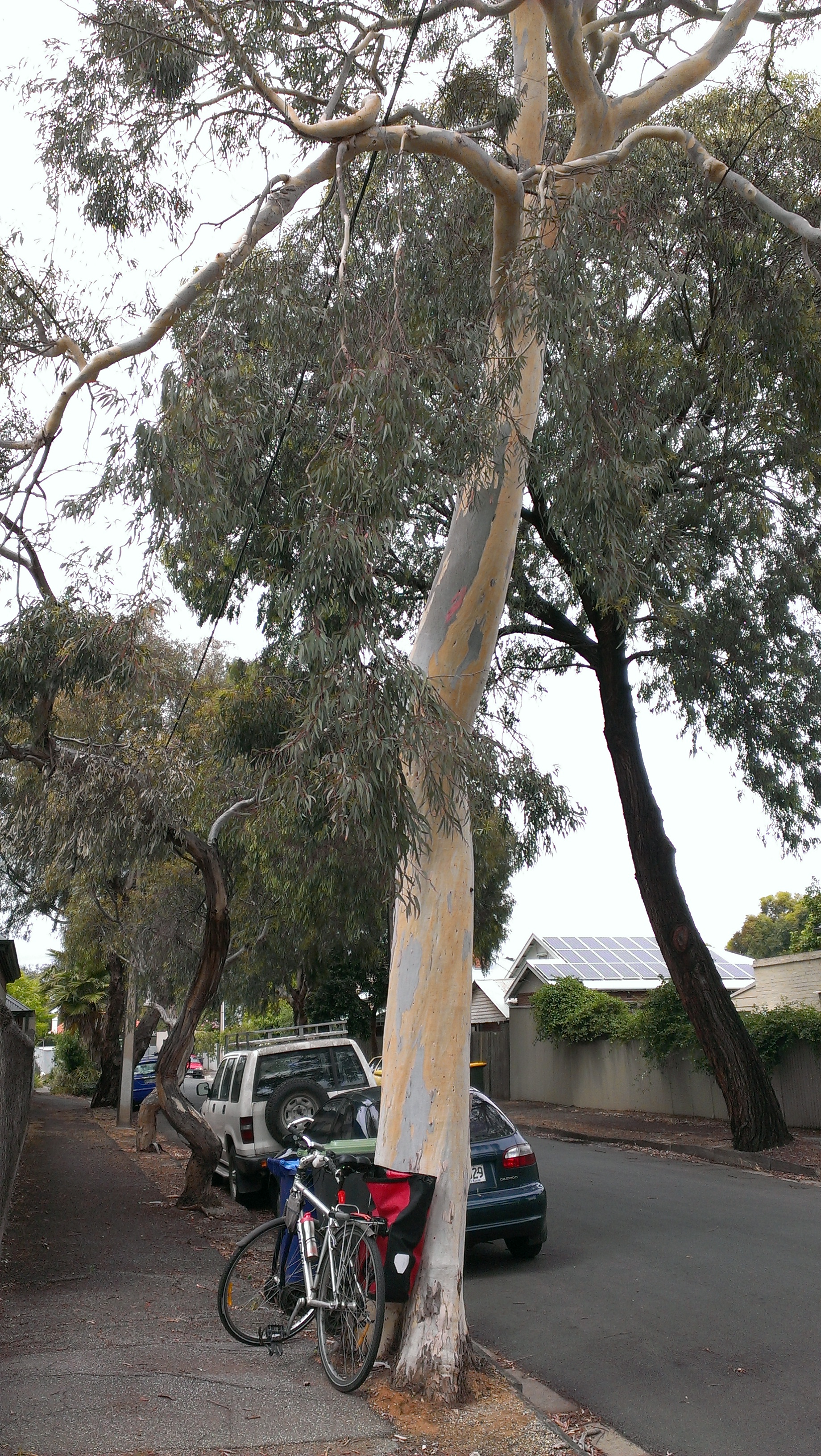
Here’s the tree as a whole…

IMAG3760

And someone’s tenderly crafted home, fallen to the ground, neatly combining flyscreen wire with vegetation and paper that has been weathered until pliable.

IMAG3762

Cocoa and chocolate?  Chestnut and walnut?

IMAG3961

8 Comments

Filed under Dye Plants, Eucalypts, Natural dyeing

Where do I find the time?

I was at a wonderful birthday picnic today, celebrating my friends turning 7 and 40, respectively.  There was all kinds of interesting chat, of course, and in the midst of it another friend who reads this blog was marvelling at the way things seem to happen at my place, to judge by the blog.  I had to break the news that I write posts at all kinds of odd times and that their sequence isn’t always entirely mapping the way things happen at my place, and that I auto scheduled posts to load every two days while I was on holidays…  I guess I think the way that things really do happen is not quite such a good story!

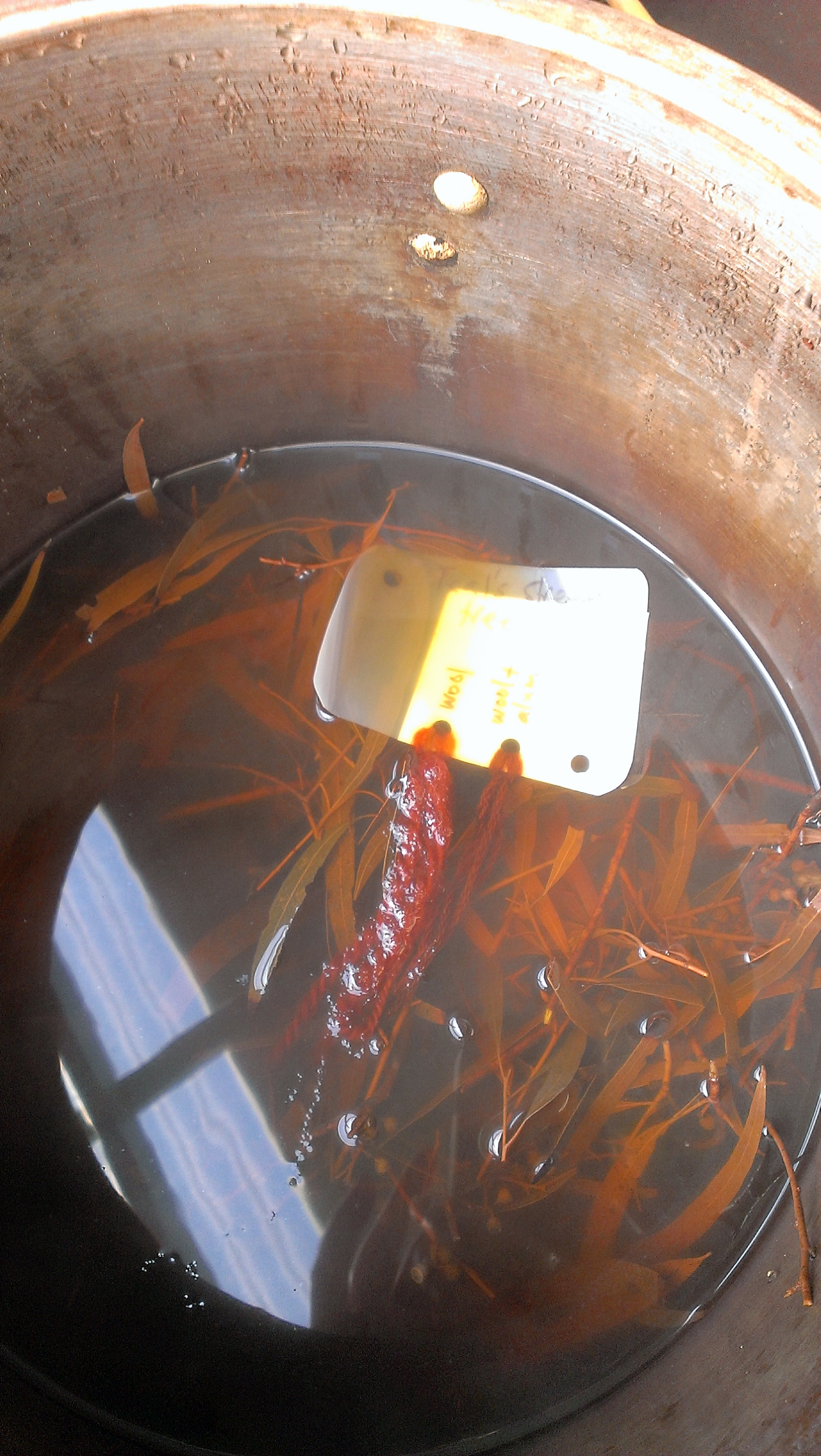
But just in case…   here’s the story of my Saturday.  We were up early to go to an exercise class.  I was ready in plenty of time so went outside, removed the sock yarn from its eucalypt dye bath, put it to soak in rainwater and hung the soy-soaked-indigo-dyed sock yarn up to dry.  Then there was exercise, a ‘coffee’ (I don’t drink coffee so for me it was yoghurt and hot chocolate).  I knit a few rows on my sock.

Then there was grocery shopping and visiting an upholsterer who had calico flour sacks and hessian sugar sacks on the wall that had come out of old chairs he was refurbishing (I like him already).  Then preparing food and gifts and off to the picnic.  I knit more on my sock there.  Another friend was appliqueing on a pair of jeans which were her gift.  Then home.  Cleaning up and a short pause.  So many ideas in my head! I have a couple of hours to do what I like and so… I have samples of two trees collected yesterday.
IMAG3779

Dealing with them requires two empty dye pots but my two are full.
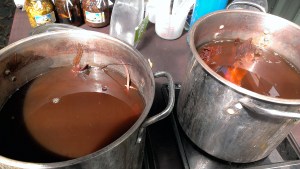
IMAG3782

They are the ones the sock yarn came out of at breakfast time. I empty, rinse and refill them. One with my friend’s street tree in case it might be E Nicholii (I live in hope, but not much!!)
IMAG3788

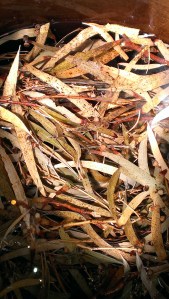
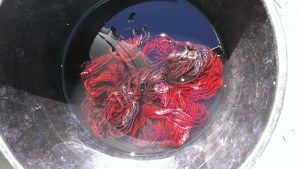
The other with leaves from a tree that has intrigued me every time I’ve driven to her house–but yesterday it was in flower and I was running early, so I stopped. Put the heat on them. While dealing with that I’ve remembered the sock yarn.  That bucket isn’t very clean, is it?  Better keep rinsing.
IMAG3784

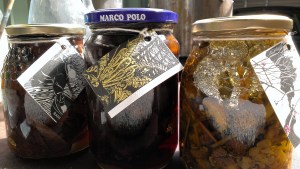
Thank goodness we’ve had rain and the whole place is on rainwater at last. Must deal with the sealing fail on my dye jars.  That requires another free dye pot I don’t have.  Next.
IMAG3781

I decide to try to identify the eucalypt. Oh, remember to rinse the sock yarn.

IMAG3786

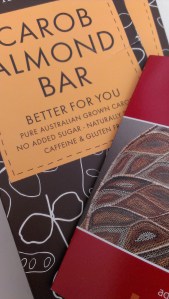
Uploading photos for this post takes a while, so I set about turning saved cardboard into tags to clean it off the desk.
IMAG3795

Miraculously I manage to find some of the lovely pre-used string and thread I’ve been saving… some of it with attached safety pins, and that gets reuse too.  It puits me in mind of clearing out my grandfather’s shed after he died.  String saved for re-use, straightened out nails, screws that have been saved from previous applications…
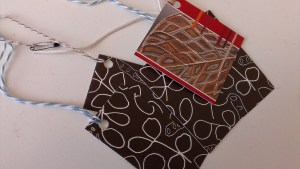
IMAG3798

Now these tags can join the ones that are already in the drawer made from last year’s calendar.  Out comes my favourite euc book.  If that tree is in the book it is E Stricklandii, which means I probably should have recognised it.  Mmmm.  A friend comes over.  More chat and then my beloved and said friend head off into the shed.  Rinse the sock yarn.  Put sample cards into the dye pots and turn them down.  One looks promising, the other not so much. Back to the computer, to check out my euc.  These leaves are not glossy… and so on….

Some work on another blog post.  Go to the bin to put the cardboard remains in the recycling only to find my beloved has put some greeting cards in there that surely shouldn’t be so readily disposed of… three new postcards created, one card saved for potential use as a stencil (lovely cut out design).  Check out my files for the last time I identified E Stricklandii.  Clearly I did try it out as a dye plant so there will be a comparison… Re-file craft books and fabrics. Check dye pots. Looking good.

IMAG3801

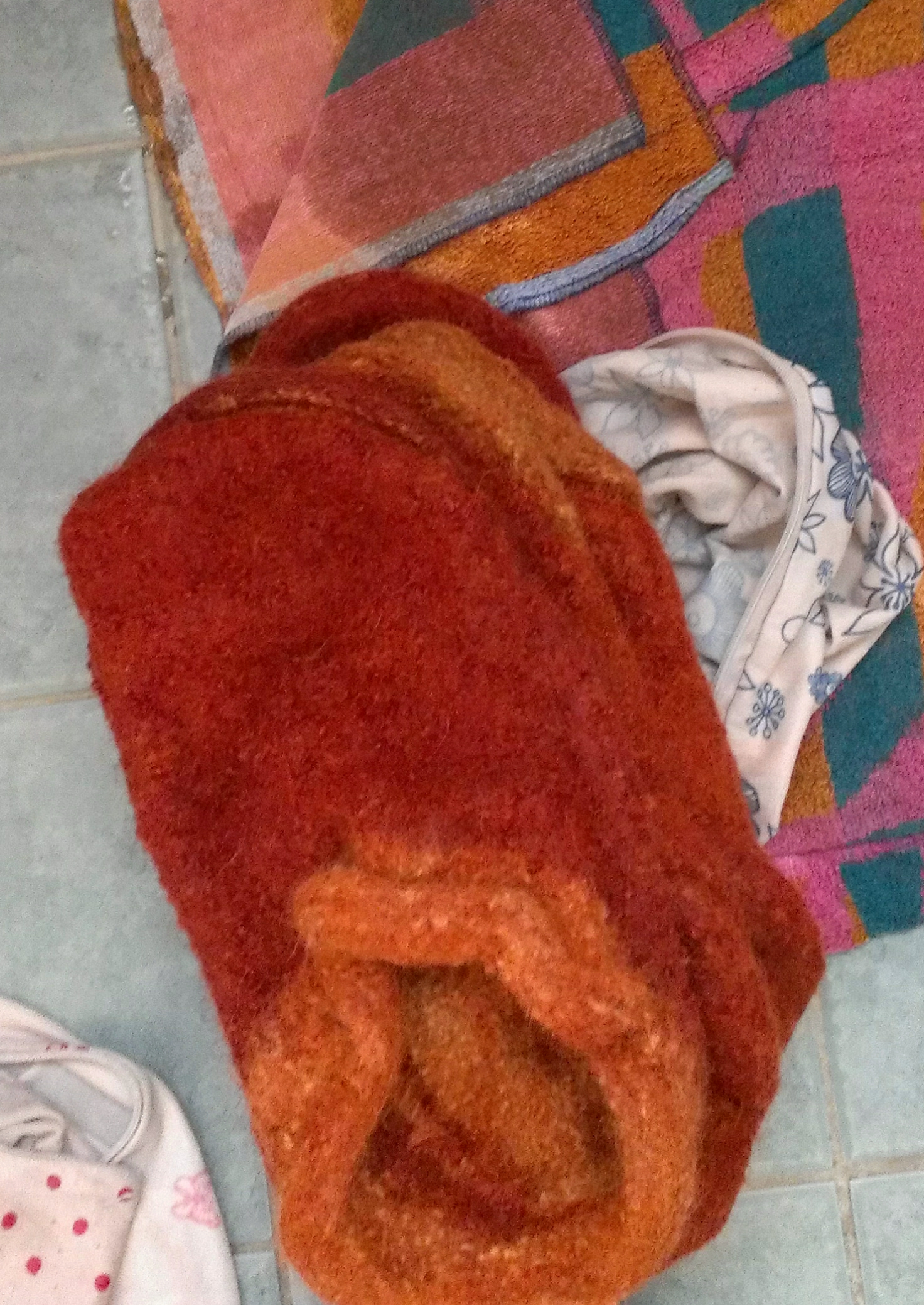
Empty sock yarn rinse water.  Tidy up in the laundy and see those slippers I finished ages ago but haven’t felted.  What the hey?  Put them in the washing machine and get out a timer so I won’t forget they are there (sure sign of overreach but always a good idea with felting).  Put timer in pocket.  Set up India Flint’s suggested fix for hard to seal jars (I think mine suffered from being heated too quickly despite using the lowest heat on the stove, but may as well add insurance).  Now they will be ready when the dye pot comes free.  Or tomorrow, if it comes to that!
IMAG3803

Timer rings.  Check slippers.  Not ready yet.  Go to find traced shape of my friend’s foot.
IMAG3804_1

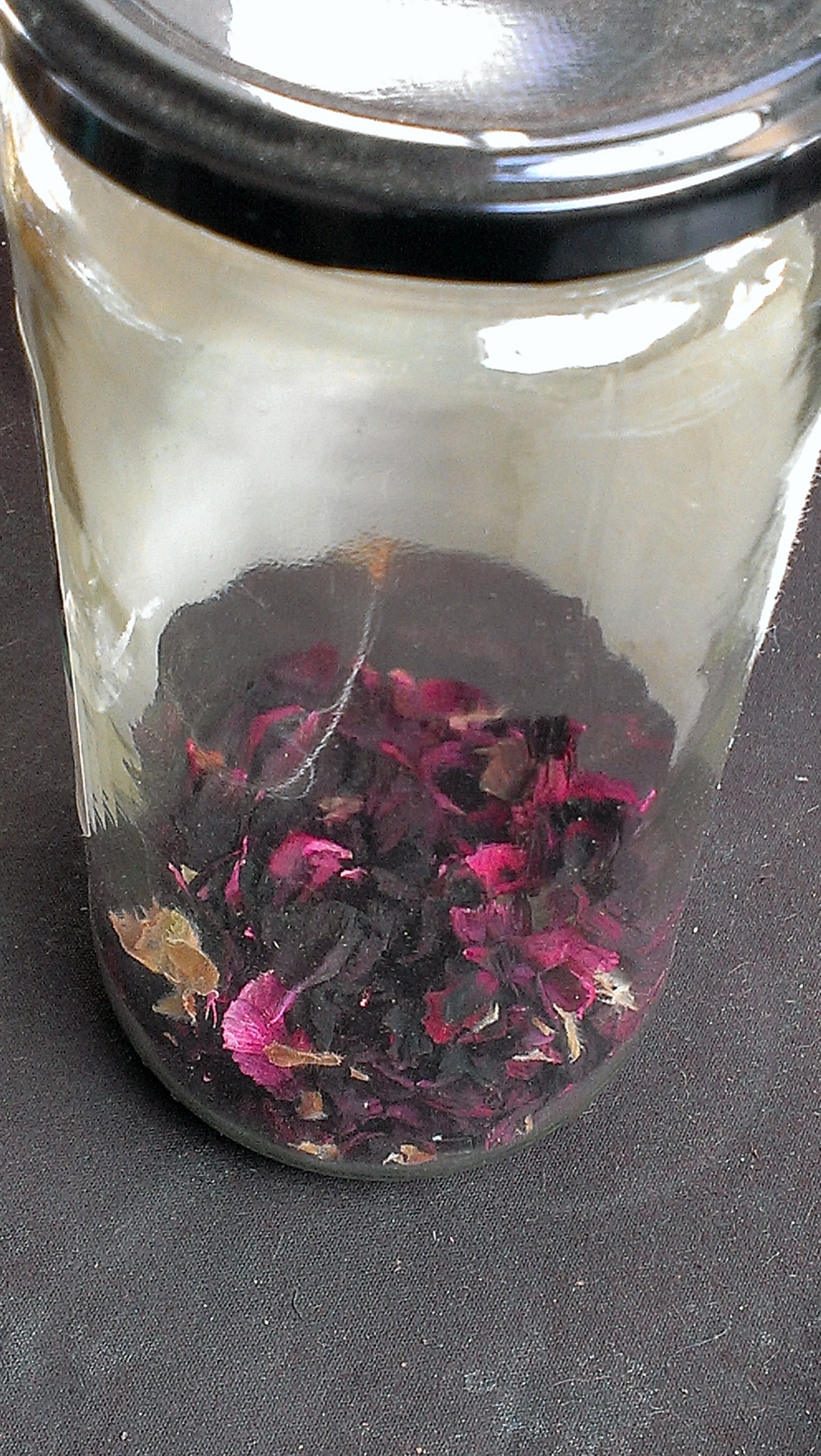
Take drum carder and the vacola jars Dad picked up secondhand out to the shed.  Check dye pots. terminate the less interesting dye pot ready for the jars, pour the dyebath into a bucket.  Put the knitting nancy (french knitting kit) I found at an op shop in the box for delivery to friends who might use this, plus things from the picnic that need to go to their place.  Decide to make another dye jar with the pelargonium petals, since the pelargonium has stopped flowering. I must have been so optimistic when I started gathering them in this jar!

IMAG3806

Timer goes.  Slippers look about right. Take them out to cool.

IMAG3807

One slipper pair is perfect.  The other, back in for ten minutes.  Finish sorting out those jars of stuff, steep and store goodness.

IMAG3811

In they go!

IMAG3815

The dried avocado peels from the kitchen finally make it out into dyestuff storage land.

IMAG3809

Slippers come out just after our other dinner guest arrives (with dinner! bless her!)  I shape the slippers over chat with crackers and avocado and cheese.  And put a load of the really dirty dyeing stuff on to wash.  I need to keep an eye on the stuff, steep and store jars during the evening.  I am pronounced a nerd with glee…  After main course, one of our guests says she wants to ask a technical question, which is whether I could draft a pattern from a simple vest she has so that she can make one on a ‘trashed and treasured’ theme… Out comes the recycled tissue paper and we give it a go and find a vest pattern that might help with conceptualising construction.

IMAG3816

Well, it’s bedtime.  After heating extremely slowly (the dye burners win over the gas stove in the kitchen for slowly heating, clearly) my jars are now a little too hot… I turn them down and leave them to the dye pot timer.  Goodnight!
IMAG3817


11 Comments

Filed under Dye Plants, Eucalypts, Knitting, Natural dyeing, Neighbourhood pleasures

Trying out Stuff, Steep and Store

I mentioned a while back that I let out a squeak of glee when I got my copy of India Flint’s new book Stuff, Steep and Store… and it was only a matter of time before I’d try it out.

IMAG3530

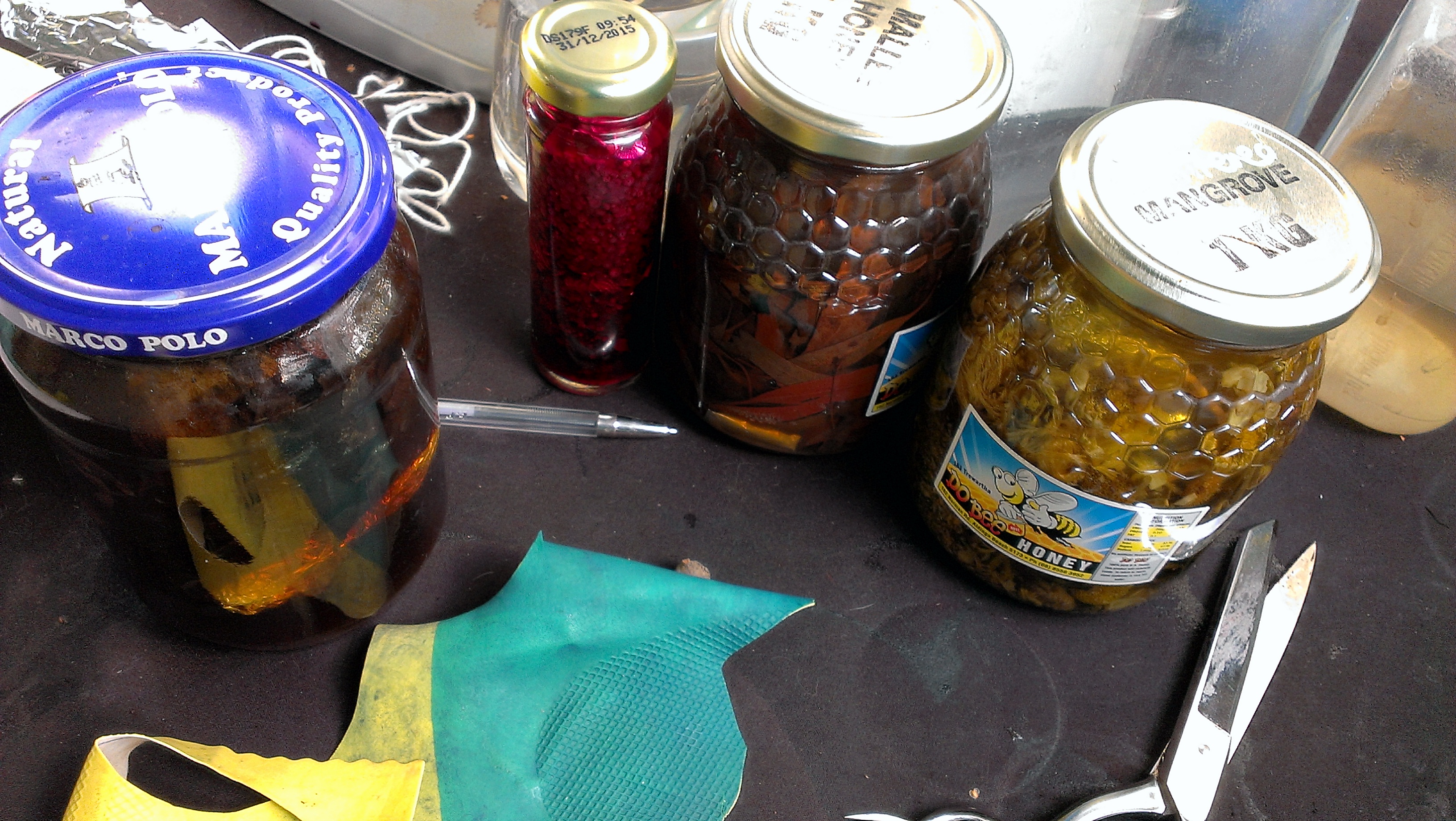
I’m trying out the following.  I can’t pretend to think they are especially well suited to this method but there it is… time will tell, as it always does!

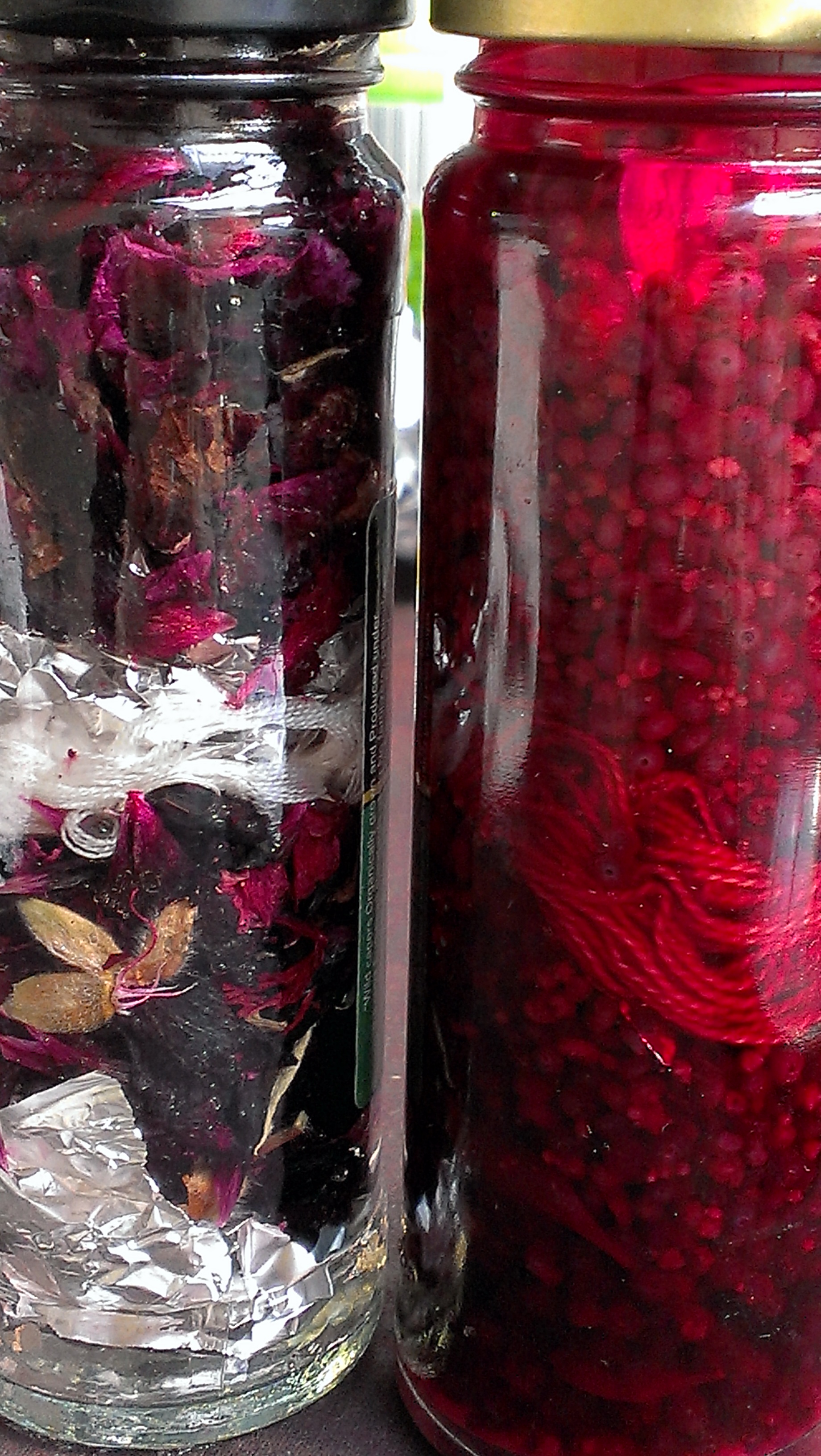
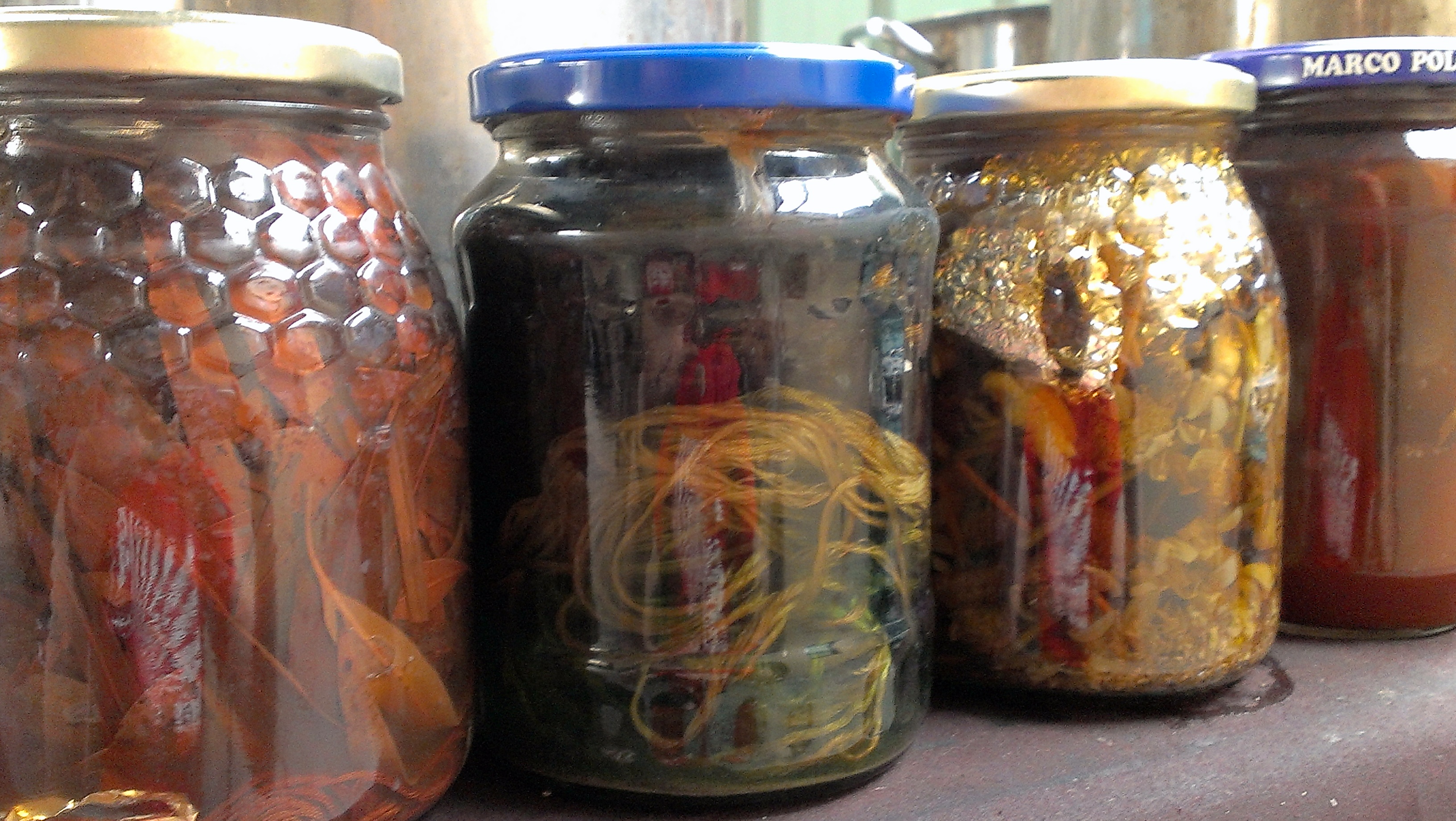
  • Brown onion skins, aluminium foil, E Scoparia dyebath with vinegar (I hope I wrote some fibre or other on the label!!)
  • E Scoparia leaves, bark and dye, aluminium foil, silk thread, vinegar
  • Dyers’ chamomile flowers, aluminium foil, silk thread, water and seawater and finally
  • Red onion skins, silk thread, copper and vinegar water, seawater.

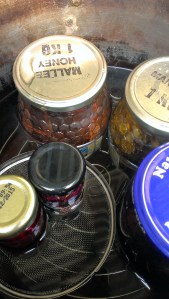
Entertainingly enough, while India Flint says she has been inspired in this dyeing process by years of food preserving (and that’s evident from the book)… After my first batch of dye jars I was inspired to pitch a round of food preserving to my beloved.  We put up a dozen or so jars of white peaches and yellow plums for later enjoyment.  I am not sure why this is called ‘canning’ in the US, but in Australia it’s usually called ‘bottling’ because it is done in glass jars.  I have a massive collection. I have been the receiving point for others’ Fowlers Vacola preserving kits for so long I now gift or share them with friends who are not so well endowed.  Perfect, really!

Since filling these jars I’ve been on a seaside holiday.  I set the blog to load scheduled posts while I was gone… and being lazy at the beach is the reason for slow responses to comments lately.  WordPress and my phone have an on-again-off-again relationship, which doesn’t help.  Since I was by the sea and pedalling around the neighbourhood, I collected seeds of hardy native plants for later propagation and planting in the abandoned waste parts of my own neighbourhood. Plantings on public land just call out for seed collection, don’t you think?

IMAG3651

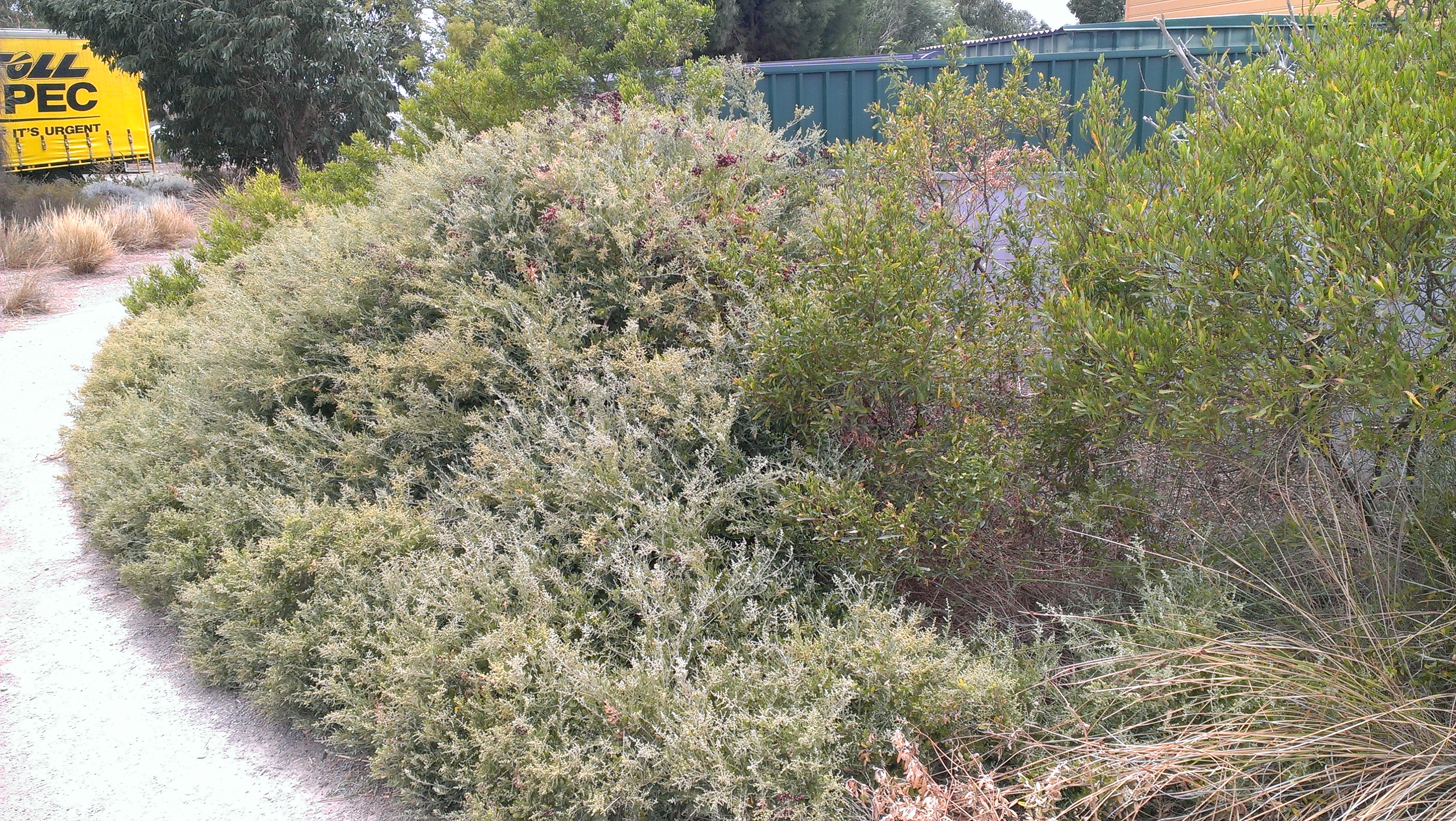
One plant, the seaberry saltbush (rhagodia spp, probably rhagodia candolleana), was in such profuse fruit that I collected enough to fill a small jar we had finished using.

IMAG3657

I can confirm that rhagodia fruit ferments quickly in heat like we’ve had lately (41C today)… and began to do so before I managed to get it home and process my jar properly.  Ooops!  That really should not have been a surprise.  The fruits are smaller than a currant but very pretty…

IMAG3670

Another experiment, since if anyone else has tried dyeing with this plant I don’t know about it and have only a foggy memory of the Victorian Handspinners reporting they got some colour from saltbush fruit (saltbush is a big family).  I happened to have embroidery thread with me… and into the jar it went with chocolate-bar-foil.  And now we wait.

IMAG3687

To see how others are working with this process, visit the delectable ‘pantry’ India Flint has set up, or if you’re so inclined, have a look on facebook.

8 Comments

Filed under Dye Plants, Eucalypts, Natural dyeing

Eucalyptus Rummeryi

A eucalyptus windfall will often get my attention… and never more so than when the tree is one I have never tried and which a more knowledgeable person has labelled for the edification of passersby such as myself.  E Rummeryi is native to NSW but seen here growing in Botanic Park, slim, straight and already tall.

IMAG3198

Bark…

IMAG3190

Immature fruit:

IMAG3192

In flower, but quite high up and on a breezy day (this is a way of apologising for the quality of the picture)!

IMAG3201

Results from a standard dye pot…

IMAG3316

4 Comments

Filed under Dye Plants, Eucalypts, Natural dyeing

More tree loving craftivism

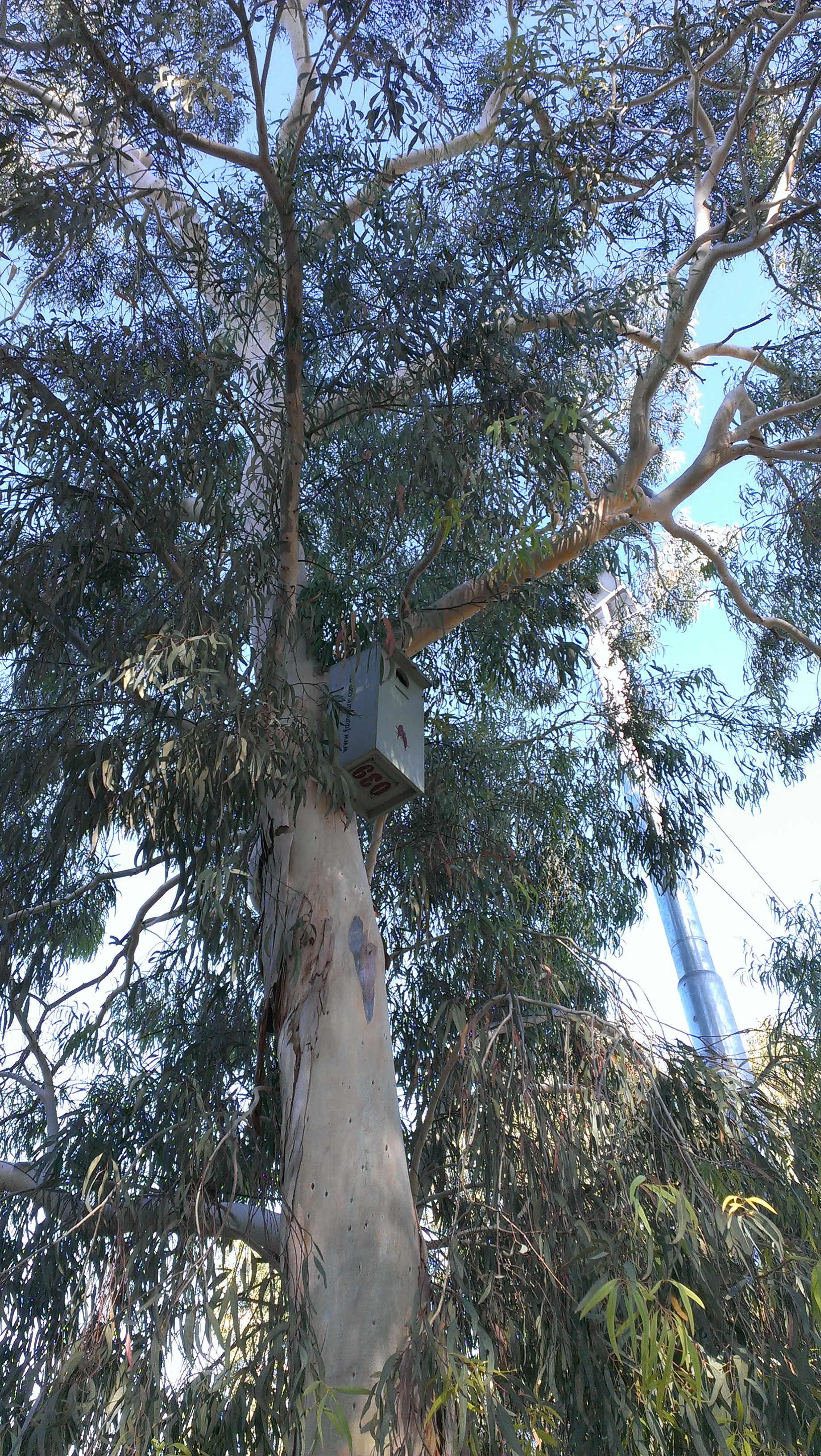
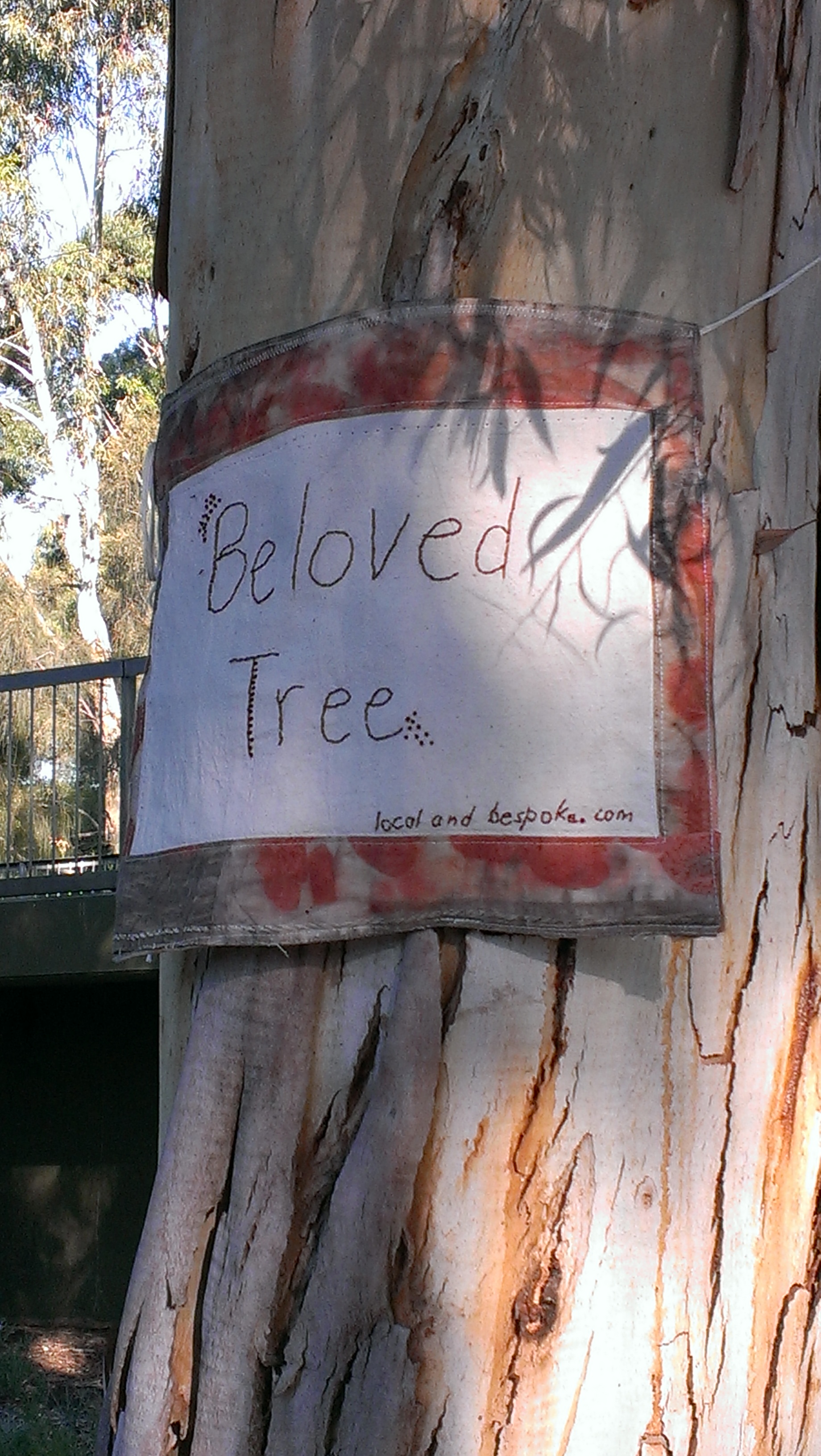
My second ‘banner’ has gone up another neighbourhood tree.  This one is my favourite E Scoparia. It was the first really promising dye eucalypt I discovered.  It used to be home to a pair of piping shrikes, who nested there in their little mud cup for many seasons.  In the last year it has acquired a nesting box and we’ve seen rosellas coming in and out of it.

IMAG3385

This is the tree my friends and I have been mulching and weeding and we have planted in an understory of native ground covers, mostly forms of saltbush, which are now doing really well.  If you have been reading a while you will have seen this tree protected from passing Royal Show foot traffic in earlier posts here and here.  Those images show how much the groundcover project has progressed in the last 18 months or so.  In the beginning, people would remove plant guards, pull out small plants soon after we put them in or just trample young plants by accident.  Not any more.  I think the evidence of care and the success of the surviving understorey plants generates more thoughtful treatment from passersby, and it’s clear that lots of local people now understand that their neighbours are making efforts that are transforming an almost bare patch of hard earth scattered with weeds and rubbish, into something lovely.  I collected the rubbish that had landed under it this morning and maybe that is ebbing a little too.

IMAG3388

So, four of us stood and admired this tree, delectable breakfast smoothies in hand, and tied on this little banner of admiration and appreciation.

IMAG3387

And here’s the full length picture…

IMAG3391

Leave a comment

Filed under Craftivism, Dye Plants, Eucalypts, Leaf prints, Neighbourhood pleasures, Sewing

Dyeing experiment: Chicory ‘Red Dandelion’ root

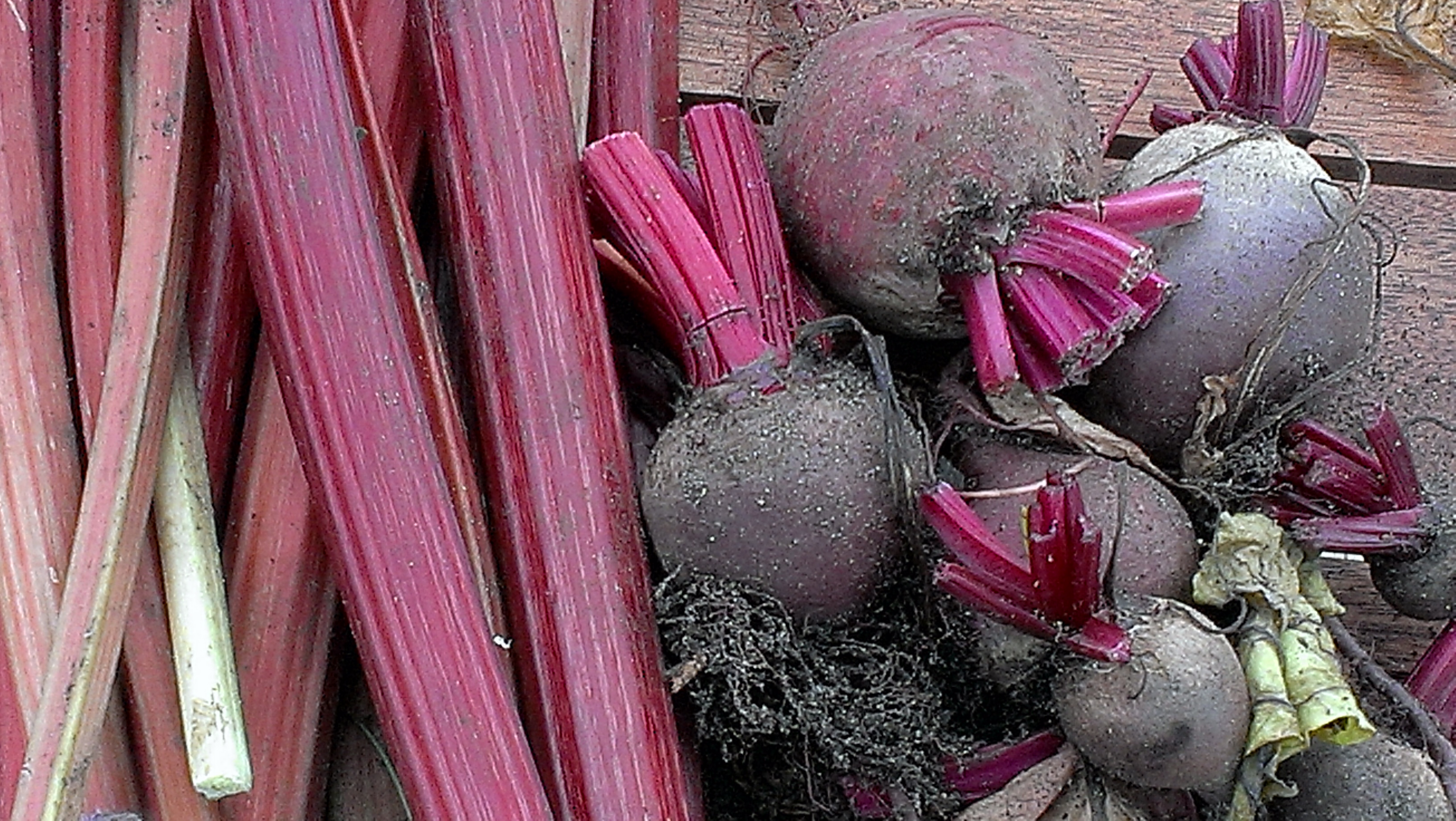
I have seen quite a few claims that it is possible to get red dye from dandelion root in print.  But not usually with any detailed instructions.  In Craft of the Dyer Karen Casselman said she had tried numerous times without success to get red from dandelion root.  She invited readers to write in if they knew how it could be done. I don’t know how it can be done.  But when I started growing Chicory ‘Red Dandelion’ the stems and leaf ribs were such a vibrant deep red I promised myself I would try it out just in case.

IMAG2062

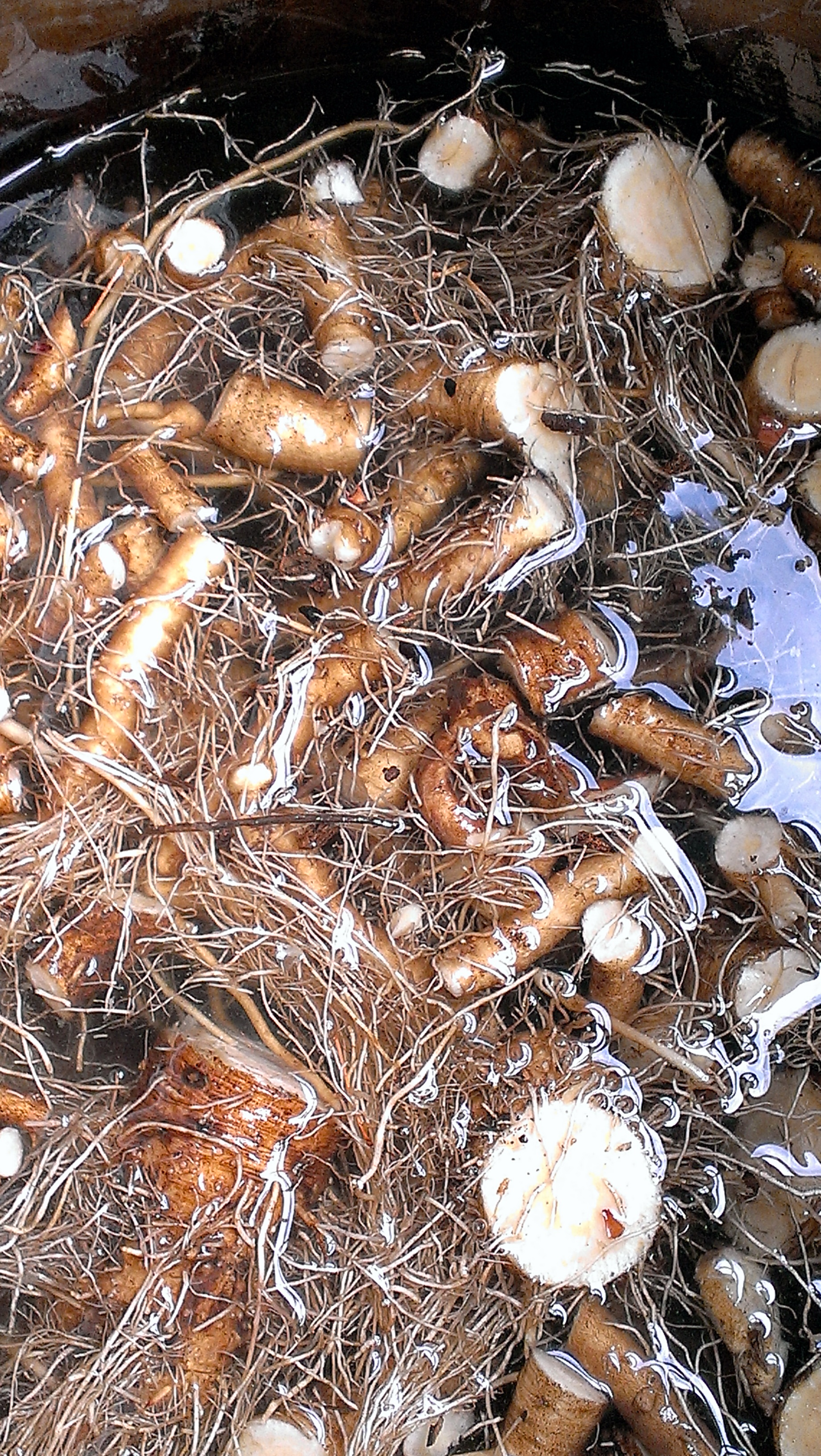
Many a happy dinner has come from this plant! When I harvested the root the plants were huge, and full of blue flowers, and falling all over other vegetables, at more promising stages in their life cycles.  Out came the chicory, destined to become chicken happiness.  Here are the roots, just as unpromising looking as dandelion roots (in the matter of red dye at any rate).
IMAG3048

Chopped and soaking:

IMAG3051

After an hour of cooking:

IMG_0007

Those roots had not released any colour at all.  So–one more dead end in the mystery of red dye from dandelion roots… There is a dyer on Ravelry who says she has achieved red from a specific dandelion by a cold ammonia process… but her description is not like any dandelion I have seen here so far…

5 Comments

Filed under Dye Plants, Natural dyeing

Harvest time: Eucalyptus Scoparia bark

‘Tis the season for bark collecting, again!  I’ve been out on my trusty bike visiting all the E Scoparias I know and investigating others that might prove to be (or not to be) E Scoparia. I pull my bike over to pack bark into a bag, trampling on it to crush it and make space for more, and filling again before loading my panniers.  Or, go to visit friends with my big bucket in hand and pick up whatever has fallen since my last visit.  Or, head out for a run, leaving my rolled up bag under a tree and pick it up to fill on my cool-down walk on the way back.  This E Scoparia, tucked in behind the foliage of a carob tree, is peeling lavishly.

IMAG2991

At home, I stash the bark in a chook feed sack, offering more opportunities for trampling which let me stack a lot of bark into one bag and get it into a form that will go into the dyepot with minimal fuss.

IMAG2841

This week, I found a new E Scoparia (at least, that was my hope).  I collected a bag full of bark and it is now soaking so I can test whether I have that right, in consultation with the dyepot. A friend who appreciates natural dyeing lives in this street–so I’ll look forward to telling her if she has a great dye tree at the end of her street! Blackett St:

IMAG3022

I also collected bark from this enormous specimen.  Last year I collected a lot of bark from this tree and then found I had one bag of bark that gave brown and not red to orange as expected.  I suspect that means this is not an E Scoparia.  Checking it out again today it is bigger than any other tree I believe to be E Scoparia and it has many more fruits visible and clinging to the stem.  My initial sense is that the bark smells different, too. The leaves give fantastic colour (at least they did before someone took a chainsaw to all the lower branches), but I am running a trial bark pot before the tree sheds the main part of its bark.  It is soaking alongside the other one as I write. Laught Ave:

IMAG3024

Next day, here are the dye baths, three hours in, presented in the same order as the trees from which the bark came. They look remarkably similar but smell quite different:

IMAG3027 IMAG3029

Here are the (still wet) yarns that came from those dyepots, in the same order again.  Clearly, the second tree is not E Scoparia–or–for some reason its context means it doesn’t give the same colour.

IMAG3031

As I have had great results from the leaves of that second tree, I pulled the bark out, put some fallen leaves in, and re-dyed the tan skein…!

IMAG3030

10 Comments

Filed under Dye Plants, Eucalypts, Natural dyeing, Neighbourhood pleasures

Harvesting the neighbourhood: Dyer’s Chamomile

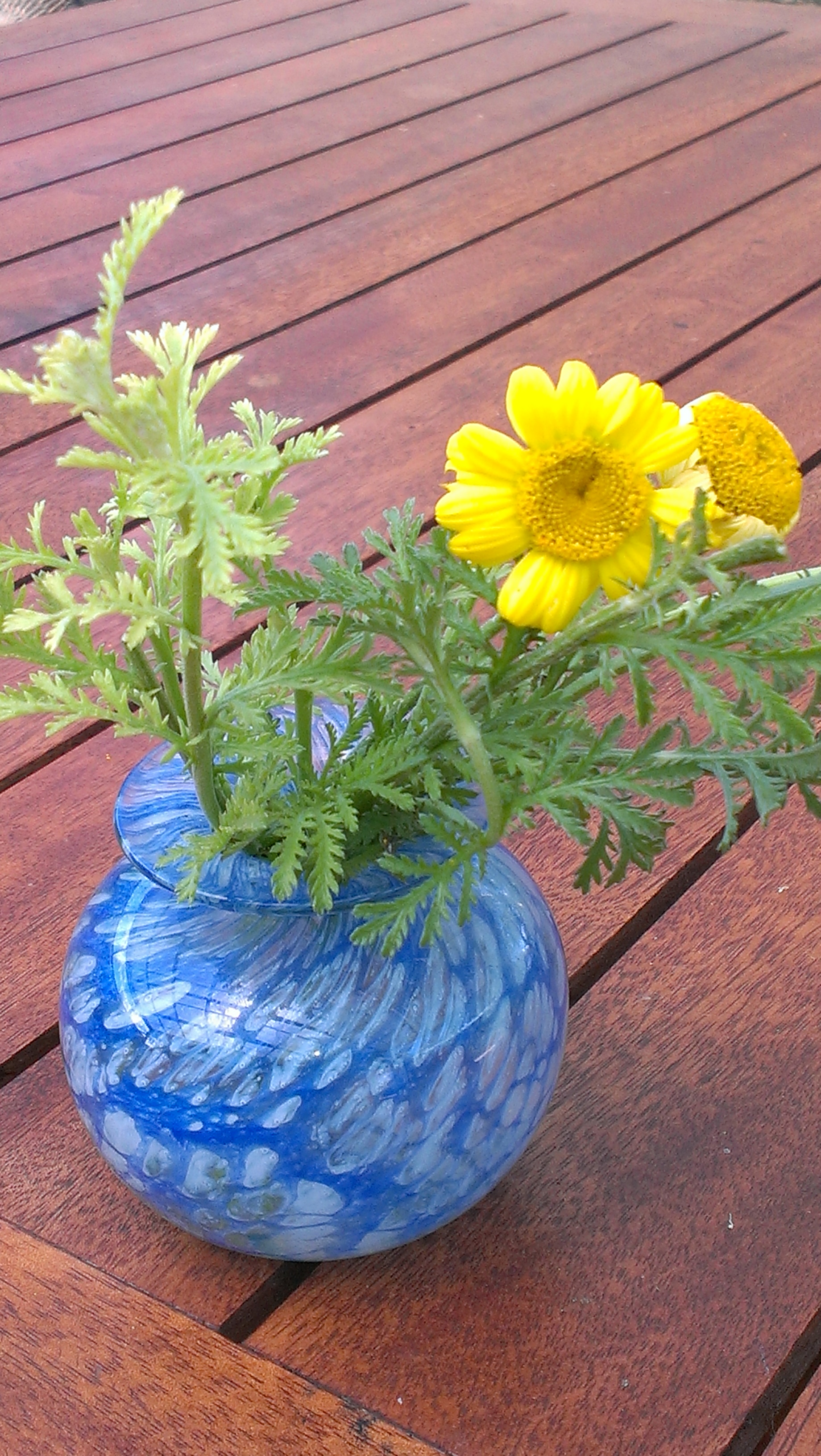
This summer, I have been collecting dyer’s chamomile for the first time.  I have some in the garden, gifted to me by a fellow Guild member who was keen to have some of my madder (this wish granted, needless to say)! It has white petals.

IMAG3008

But recently I found some with vivid yellow petals in the parklands beside the river Torrens.

IMAG3026 (2)

Our exercise class were astonished when I said I was planning to harvest while we were out on a DIY exercise session (our instructor was off doing the Busselton Ironman–she is our hero).  They offered to shield me from passersby who might intervene.  I think they underestimated how scared most people seem to be when they see someone doing something so inexplicable (to them)! I let them know I’d only be taking the dead flowers and we all relaxed again.  The patch is so big I really want to go back with more time… and it is flowering so generously, I am sure I have weeks in which to organise a return visit.

IMAG2998

Meanwhile, we’ve been harvesting at home, too.

IMAG3035

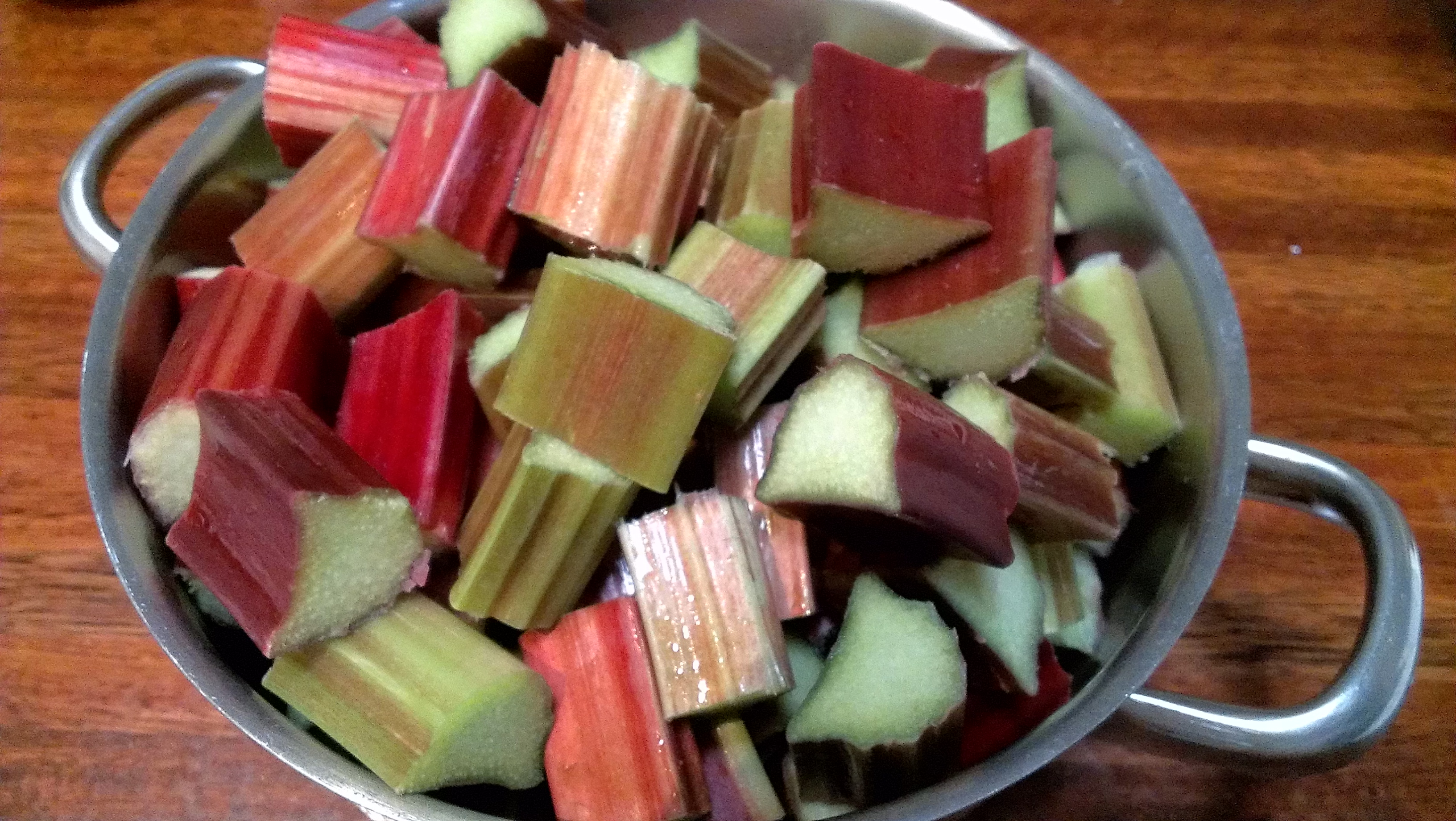
I keep thinking I’ll make rhubarb leaf mordant, and then not getting round to it!

IMAG3021

Leave a comment

Filed under Dye Plants, Eucalypts, Neighbourhood pleasures

Eucalyptus Nicholii?

Remember this bundle of leaves and my excitement about finally meeting E Nicholii, fully grown? The straight, narrow leaves below were supposed to be E Nicholii.

IMAG2935

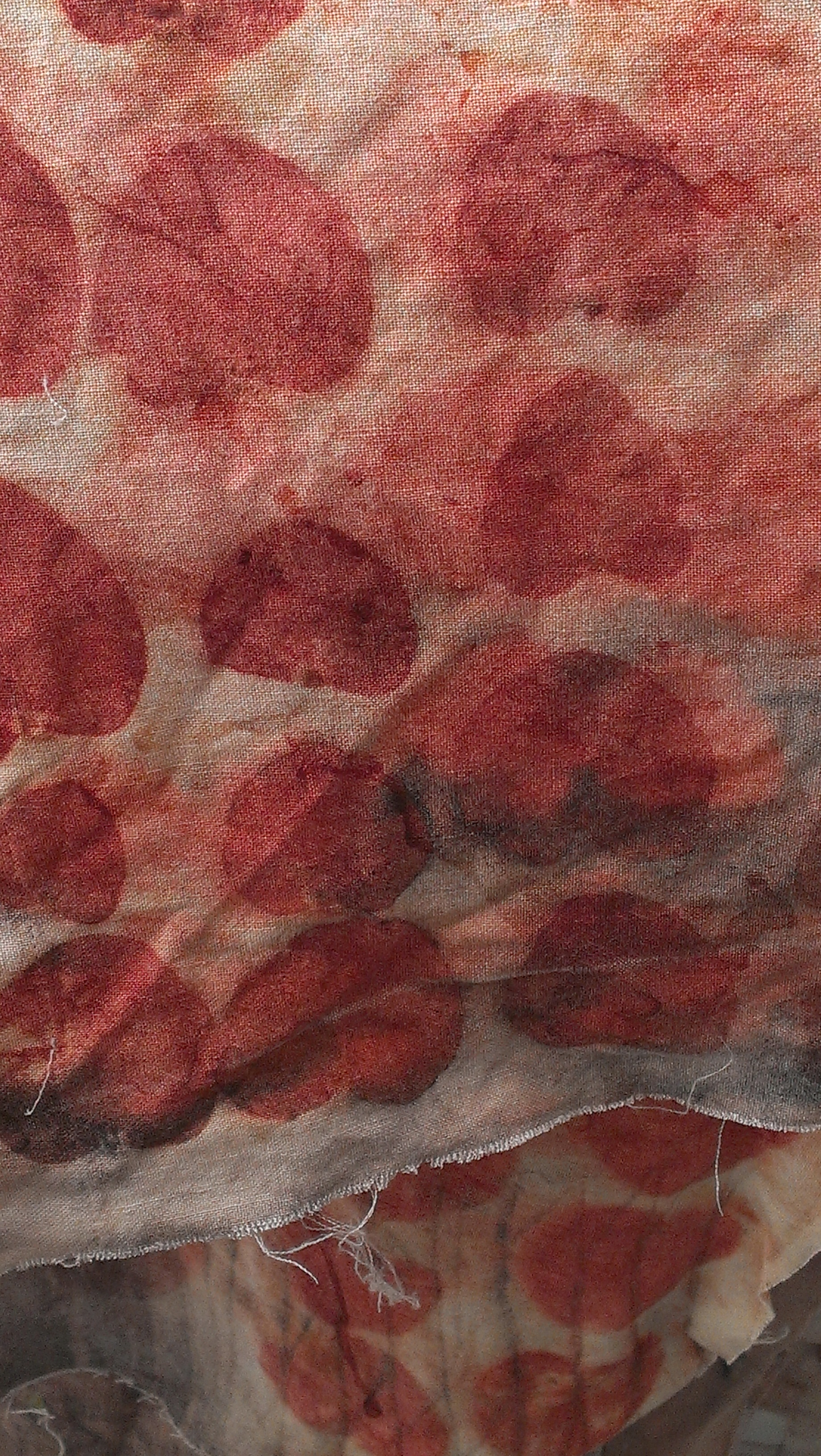
Well.  E Nicholii is a well- and long-recognised dye eucalypt, described by Jean Carman and the Victorian Handspinners and Weavers Guild in their classic books, and prized by dyers I have spoken to who were using it in the 1970s and 1980s to obtain reds and oranges.  So I was rather surprised to find this result from the best of several attempts:

IMAG2980

I did get a roughly orange smudge on some of my fabrics from the ‘E Nicholii’. In the same pot, cooked for the same length of time and on fabric mordanted in the same batch, E Cinerea produced vibrant colour:

IMAG3020

In the past, using trees I was entirely confident were E Nicholii (albeit small specimens) I have got something more like this:

IMAG3015

These are blocks from a quilt I have been working on…

IMAG3016

My own E Nicholii is a tiny specimen, surrounded by a personalised fence to prevent certain marauders with a tendency to dig up anything promising with no thought for the future.

IMAG3006

The marauders came past to check what was happening as I took a photo of the tree.

IMAG3005

How to explain this eco-printing result?  I didn’t identify these trees myself but relied on someone else who was clearly knowledgeable, which is not to say any of us are above error.  If I had identified them myself, I would say without hesitation that the dye pot is more reliable than my identification skills.  But there are so many variables: these trees were mature while I have tried only young trees–all I have been able to find and identify with confidence.  They were in relative shade and growing in a relatively cool spot…    I just don’t know!

10 Comments

Filed under Dye Plants, Eucalypts, Leaf prints

Alas, poor Malcolm the Corriedale

We had a glorious visit to our friends in the hills on the weekend. There were recently shorn alpacas.  In black…

IMAG2929

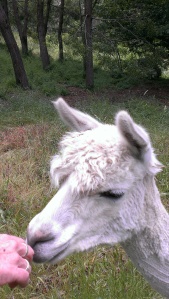
In white…

IMAG2926

And in cinnamon.  But like the sheep, the brown alpacas were too shy for photos.  There was a woodlot of blackwood trees, and some stumps with very impressive fungi growing on them:

IMAG2932

There was a wealth of eucalypts and a knowledgeable community member who knew what many of them were. I brought home E Nicholii leaves (I have not had the chance to greet a fully grown specimen before, let alone a row of them), E Cinerea leaves and some massive juvenile E Globulus leaves.

IMAG2935

There was fine company, cake and scones and home grown cherries.  Not only that, but koala sightings and visits with rescue joeys (baby kangaroos whose mothers have been killed on the road, being raised by hand with tender loving care).  Such awesomeness!  I took lots of handspun yarn and left quite a bit behind where creative minds were whirling with plans and fingers were itching to get knitting… but there was bad news too.  I got to meet with the people who hand raised the corriedale whose fleece I have been working with most recently, from a lamb.  And sadly, poor Malcolm had recently and unexpectedly died, just before the shearer was due to visit.  We paused on Malcolm’s grave.  So it was special to have taken yarns made from Malcolm’s fleece to share… and I still have some, plus fleece that I dyed with eucalypts last week (it is E Scoparia bark peeling season) …

IMAG2936


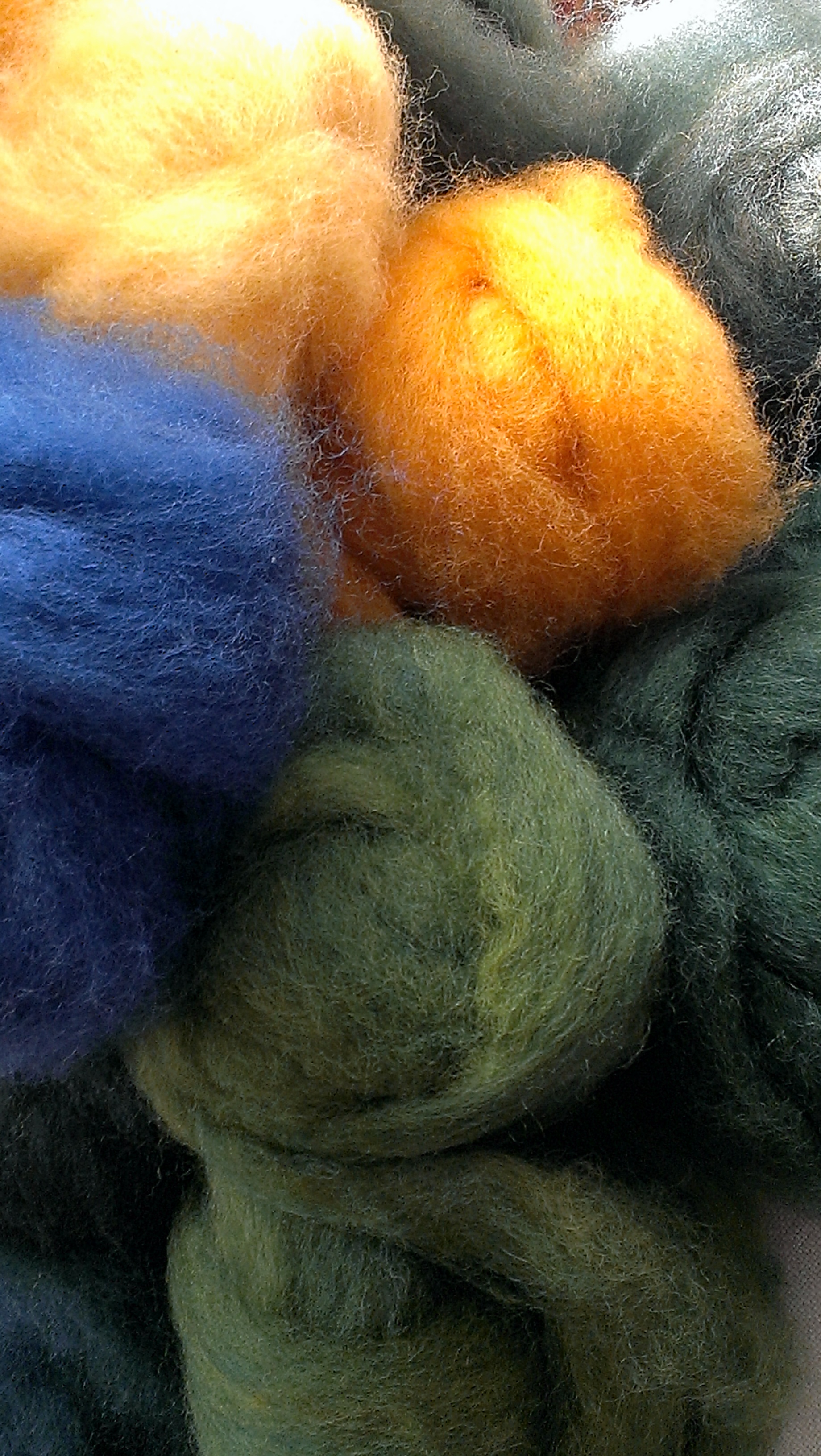
And fleece that is prepared and ready to spin, from my recent coreopsis–osage orange–indigo dyeing season.  So… although I never did get to meet Malcolm, it’s conceivable I’ve spent more hours with my hands in his fleece than anyone…

IMAG2939

And I now have 5 alpaca fleeces and one from Lentil the sheep to think about and share around, such is the generosity of our friends!

7 Comments

Filed under Dye Plants, Eucalypts, Fibre preparation, Natural dyeing, Spinning