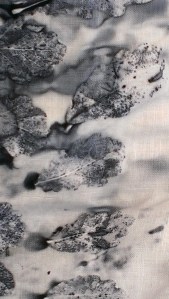
Category Archives: Uncategorized

Tie-dye

A friend from work told me her 6 year old had said he wanted to try tie-dye.  So I invited them over!  In the end there were two 6 year olds and a 3 year old, and 4 adults of varying ages and stages.  We were spoiled for colour choices but had only two pots, so after some lovely parental problem solving we ran a red pot and a blue pot and transferred one garment from red to blue to make purple.  I believe this t shirt was worn to childcare every day for some days after emerging in all its glory onto a towel designed with a tie dye aesthetic in mind.

IMAG1210

My random collection of op-shopped craft books came good when there was a request for a tie dyed square and after three readings of the instructions in Hilary Haywood’s Enjoying Dyes (1974) this emerged:

IMAG1193

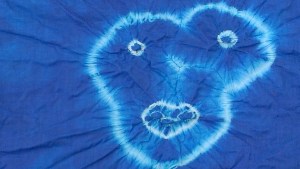
Fancy having a Dad who is not intimidated when you say you want a monkey face on your tie dye and instead creates this!

IMAG1197

And of course, the classics reinterpreted:

IMAG1209

I think the last time I tie dyed in this style would have been with Mum, in the 1970s. Just once.  It was an honour to be in charge of the dye pots and watch such fine parents encourage and be encouraged by their lovely children.

Leave a comment

Filed under Uncategorized

A story of a quandong and its mistletoe

One weekend recently we went to visit a friend who lives near the Aldinga Scrub. While I was there we went for a wonderful walk on the beach, making the dog and ourselves happy.  So I collected a couple of samples while we were out, as many local people, like my friend, are planting as many local species as they can around their homes.  I decided to try a quandong and its mistletoe.  In case you’re not from around here, dear reader, let me advise that in Australia, mistletoe is a big family of parasitic plants which will eventually (but usually slowly) kill their hosts.  It isn’t so much the romantic plant under which people kiss at certain festivals.  There are lots of mistletoes, and they are cunningly adapted to a narrow range of host plants.

I have a fabulous book on mistletoes, Mistletoes of Southern Australia by David M Watson, published by the CSIRO.  It has me in awe of these extraordinary plants, but has convinced me that I am unlikely ever to be able to identify them with confidence.  There are only 46 to choose from in this part of the continent, though, so the task is a good bit smaller than learning Eucalypt identification.  There are some mistletoes in the book that this plant is clearly not.  But as to which one it is… I have several candidates in mind.  And I don’t know which of the quandongs this is, either.  It doesn’t look like the favoured bush food species Santalum acuminatum to me.  But Wikipedia lists a lot of other varieties all called ‘quandong’!

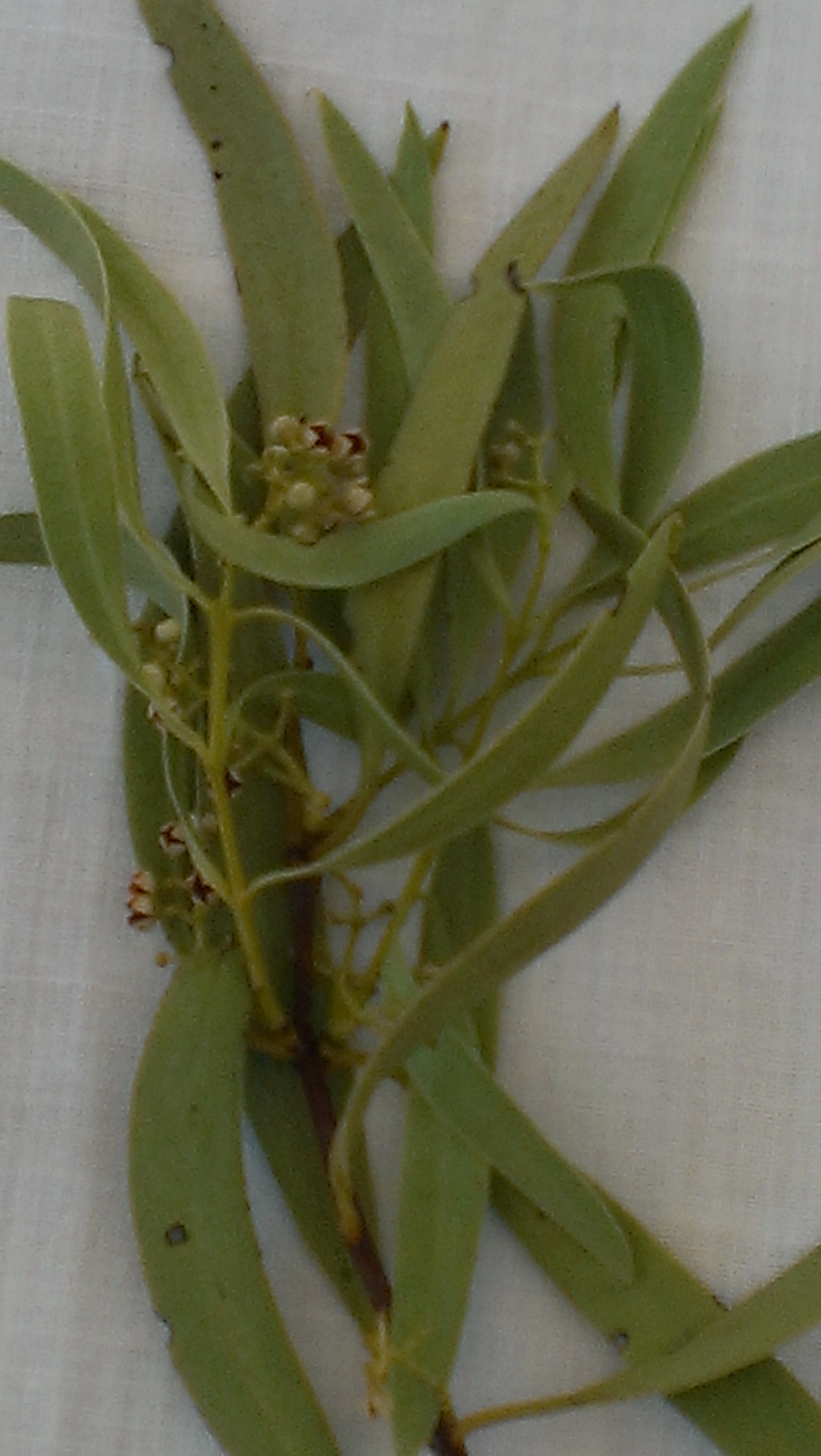
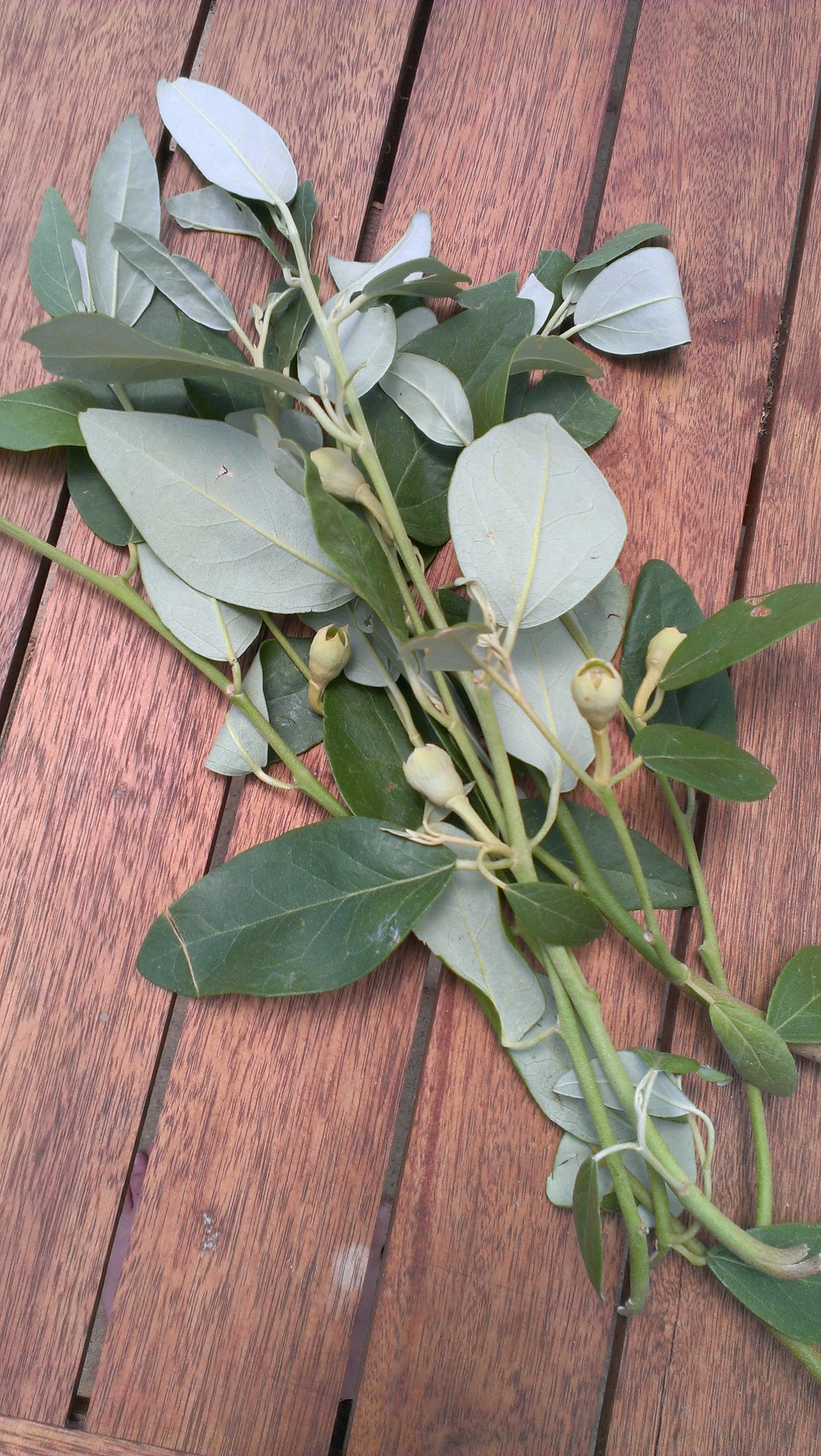
Anyway, on to the leaf prints.  Quandong in flower, before:

IMAG0825

After cooking with iron, which left quite an impression:

IMAG0846

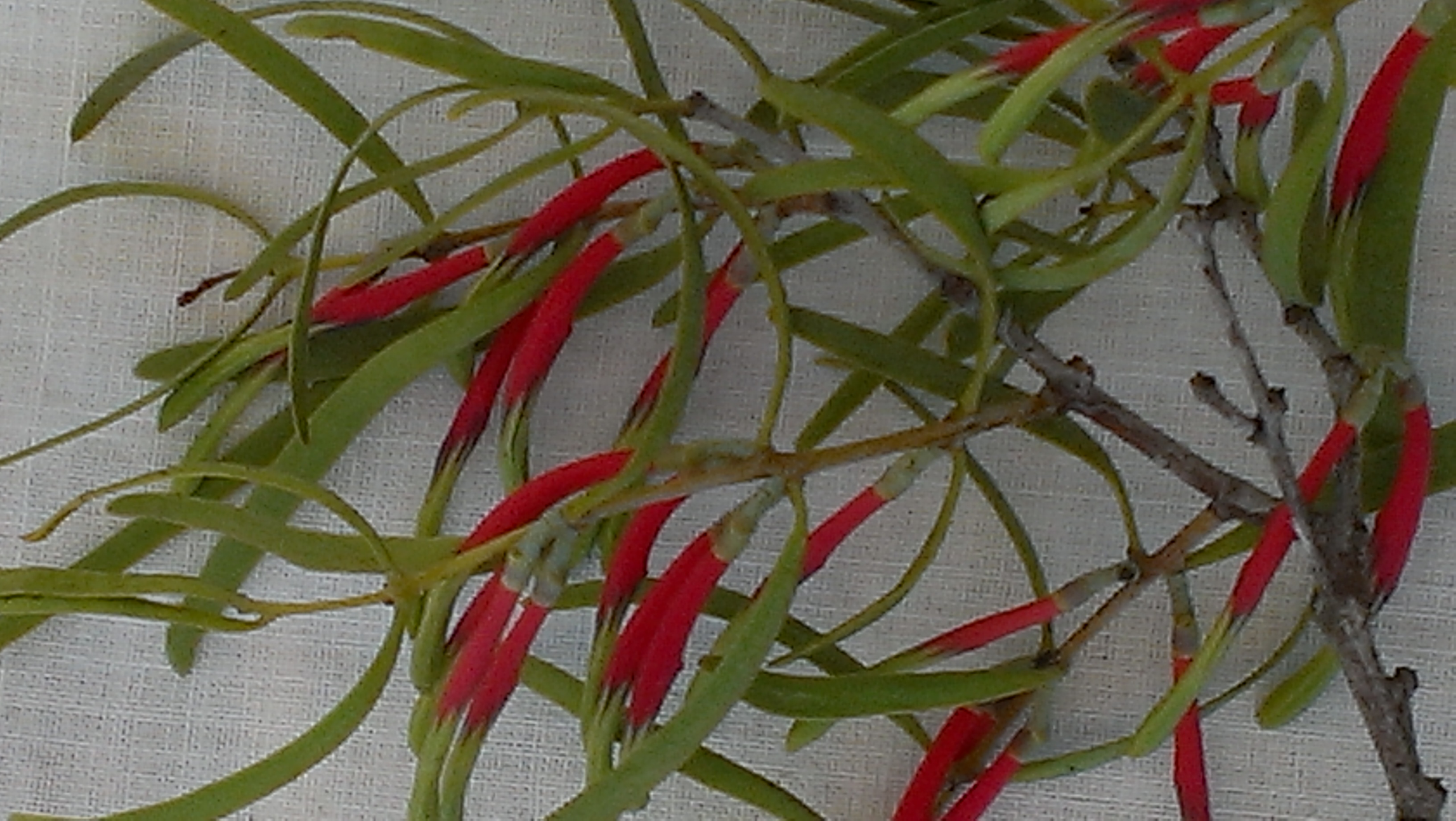
The iron may have made an impression, but this convinced me that this quandong isn’t much of a dye plant.  And now, the mistletoe, which is in glorious flower and will later create a rather impressive berry.  Before:

IMAG0827

And after.  I think this leaf print is a good bit less glorious than the plant, but this is definitely a distinct print.  So the mistletoe has dye potential.

IMAG0848

And that is the story of the quandong and its mistletoe for now…

4 Comments

Filed under Dye Plants, Leaf prints, Natural dyeing, Uncategorized

Things I’ve done with with plant dyed yarns…

When I was preparing for the natural dyeing workshop I ran recently, I mordanted a lot of Bendigo Woollen Mills yarn as well as some handspun in small skeins–25g or less.  Having all those small skeins of different colours in alpaca and wool and mohair, activated my imagination. Eventually it led to this…
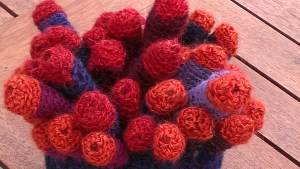
IMAG0792

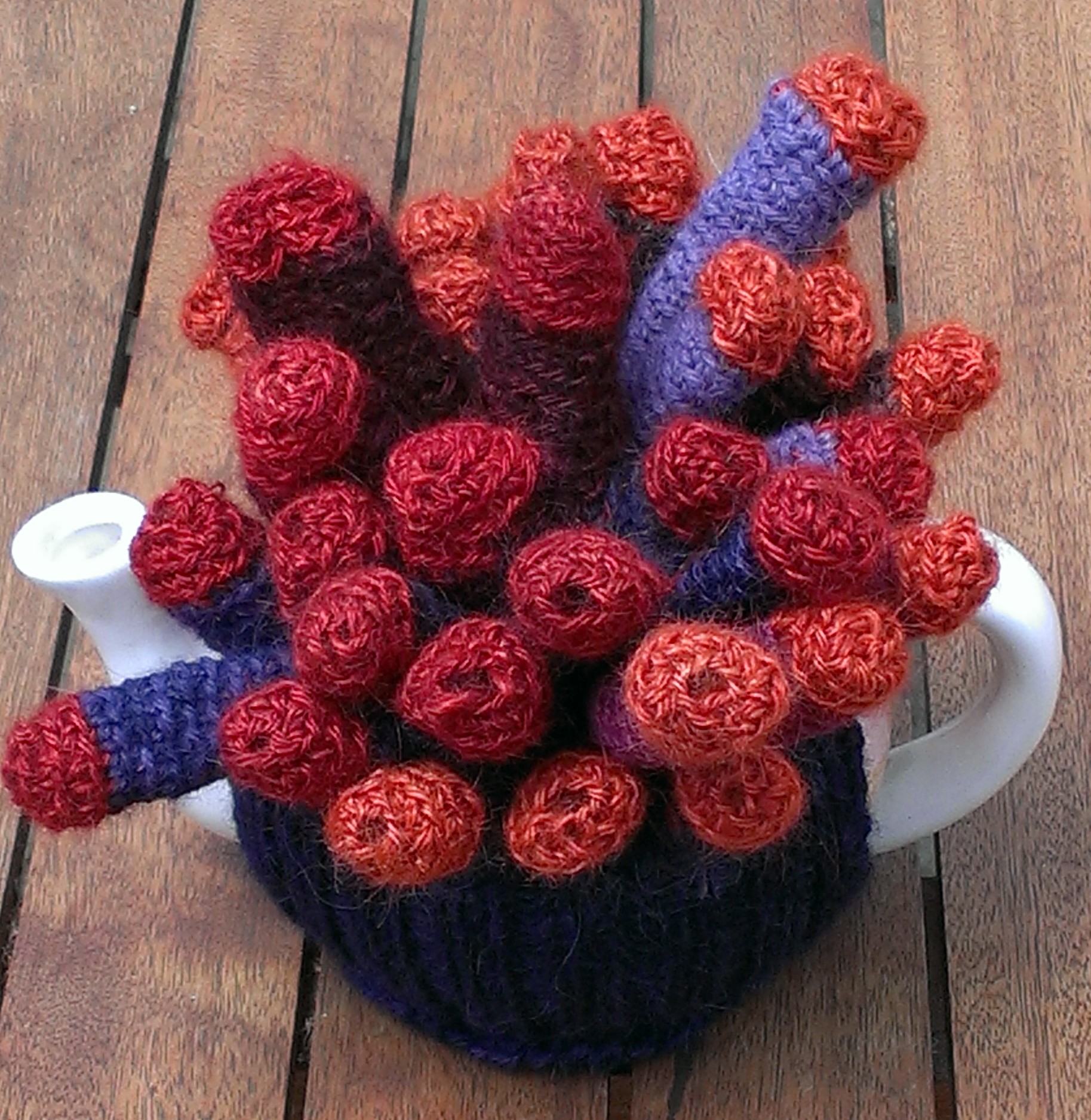
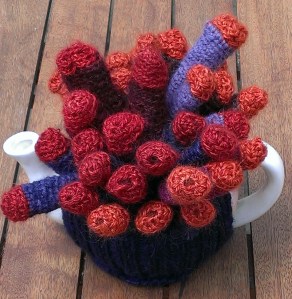
These are madder-tipped, logwood-stemmed crocheted coral thingummies, inspired by Loani Prior’s ‘coral punk’.  When I say ‘inspired by’, let me confess.  I bought her beautifully designed and entertaining book Really Wild Tea Cosies with a Christmas book voucher I was given.  So I had the pattern.  But even though only one, basic, crochet stitch was involved, my crochet skills are decidedly remedial and I don’t happen to have a crochet instructor on tap.

I turned to Maggie Righetti’s book Crocheting in Plain English (I don’t have the new revised edition, needless to say).  Apparently sometimes I just can’t believe what I am reading… or perhaps I just don’t understand on the first eight passes.  I see students I teach with the same difficulties!  By the time I had finished this tea cosy and started on the next, I’d managed to figure out that I wasn’t doing what Loani Prior must have believed was involved in the one stitch involved in her cosy.  Luckily for me crocheting badly still produces a fabric of a sort.  I also figured out that for me, improvising a knit version of the pot cover itself was going to beat freeform crocheting one as the pattern suggests with my inadequate skill set.  So that’s what I did, and Loani Prior shouldn’t be held responsible for the outcome.  I like it anyway.
IMAG0843

It has highly entertained people who watched me crocheting coral at parties (as one does) as well as those who have seen the finished object, many of whom thought immediately of a sea anemone.

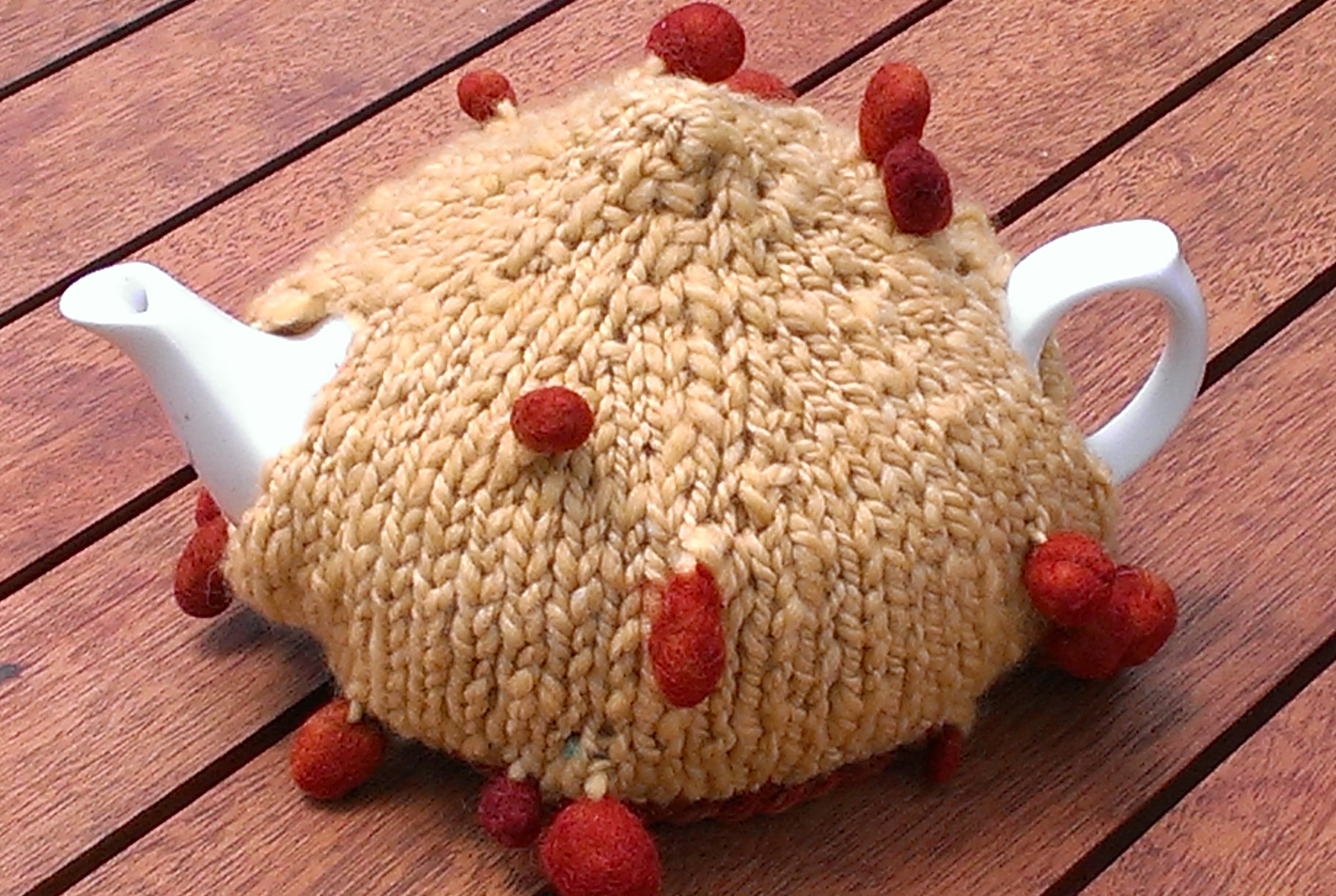
Let it be said that at present coral punk is not alone.  Here is the present plain Jane of the tea cosy selection at our place: yellow from silky oak leaves and orange from eucalyptus–with the felted blobs spun into the yarn.  Pattern improvised.  Luckily, tea pots are just not that fussy about how you clothe them.

IMAG0840

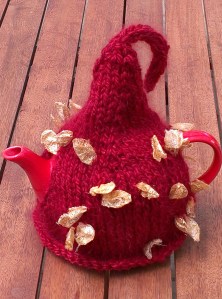
I’ve been branching out and using up some particularly strange art yarn spinning experiments.  This next one is commercially dyed mohair with silk curricula cocoons spun onto it.  Scratchy for a head, perfect for a teapot!  I was surprised how many people liked the look of the ‘hat’ emerging as I knit this at a picnic, riffing off Funhouse Fibers’ Fast and Fun Cozy.  Once again, that is to say, dispensing with the pattern when it became inconvenient.  I guess the hat admirers hadn’t felt the yarn yet.
IMAG0842

And for anyone who is wondering, I have continued to dye with the logwood exhaust from the dyeing workshop.  I ran out of yarn for a while and dyed two, 200g lengths of merino roving.  This morning I pulled out another 100g of superwash yarn.  I think it might be just about done, and I only wish I had kept a record of the weight of fibre that has been dyed with what was a small quantity of logwood in the beginning!  This weekend, the second in a series of two natural dyeing workshops. I’d better eat my crusts and get my beauty sleep in preparation.

IMAG0839

2 Comments

Filed under Crochet, Eucalypts, Knitting, Natural dyeing, Spinning, Uncategorized

Eucalyptus Erythronema var Erythronema

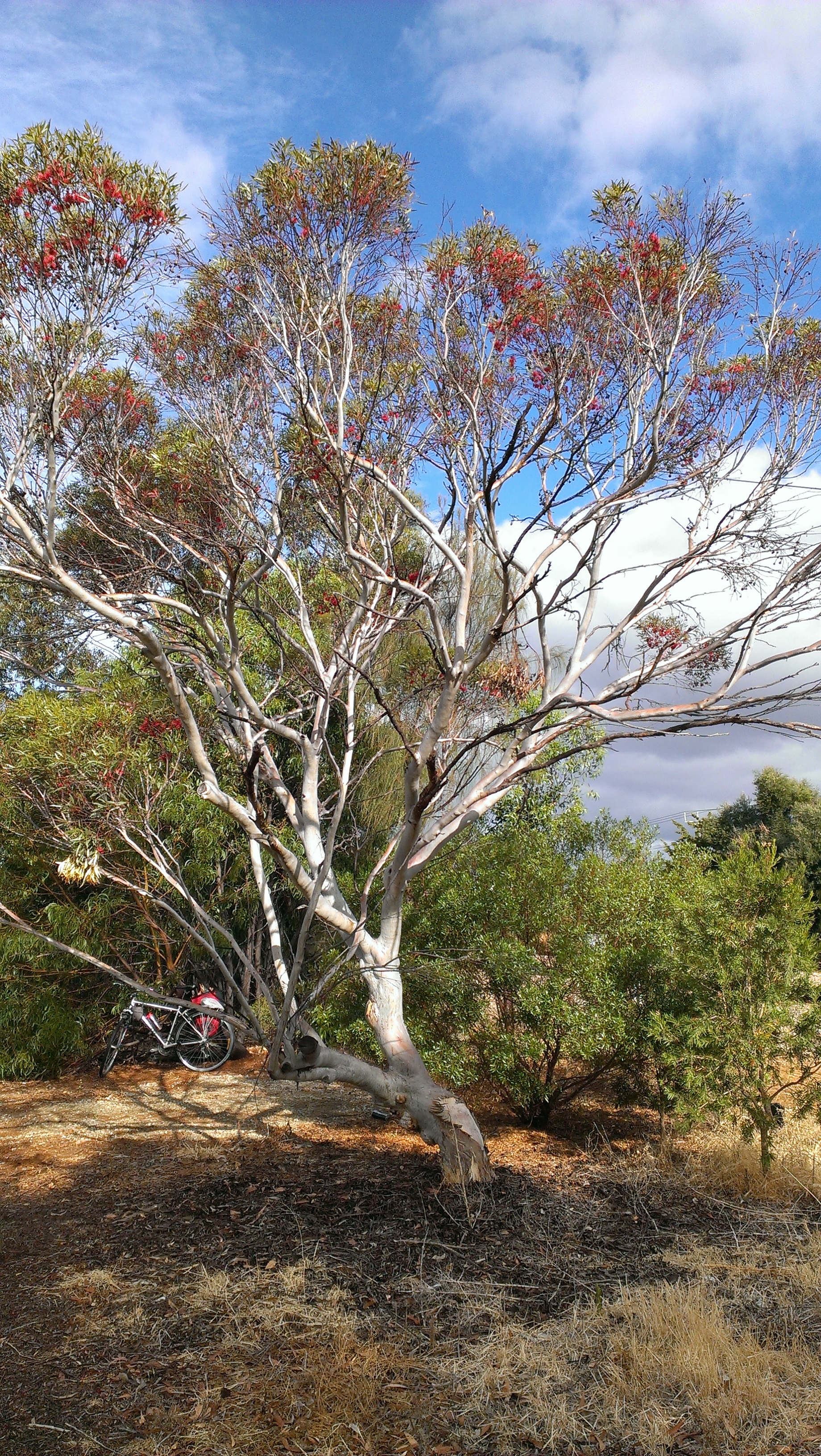
Riding along the railway corridor near Oaklands railway station, I passed one striking red-flowered tree I didn’t recognise and kept pedalling, but when I saw a second, I pulled over.  Here’s the tree.

IMAG0676

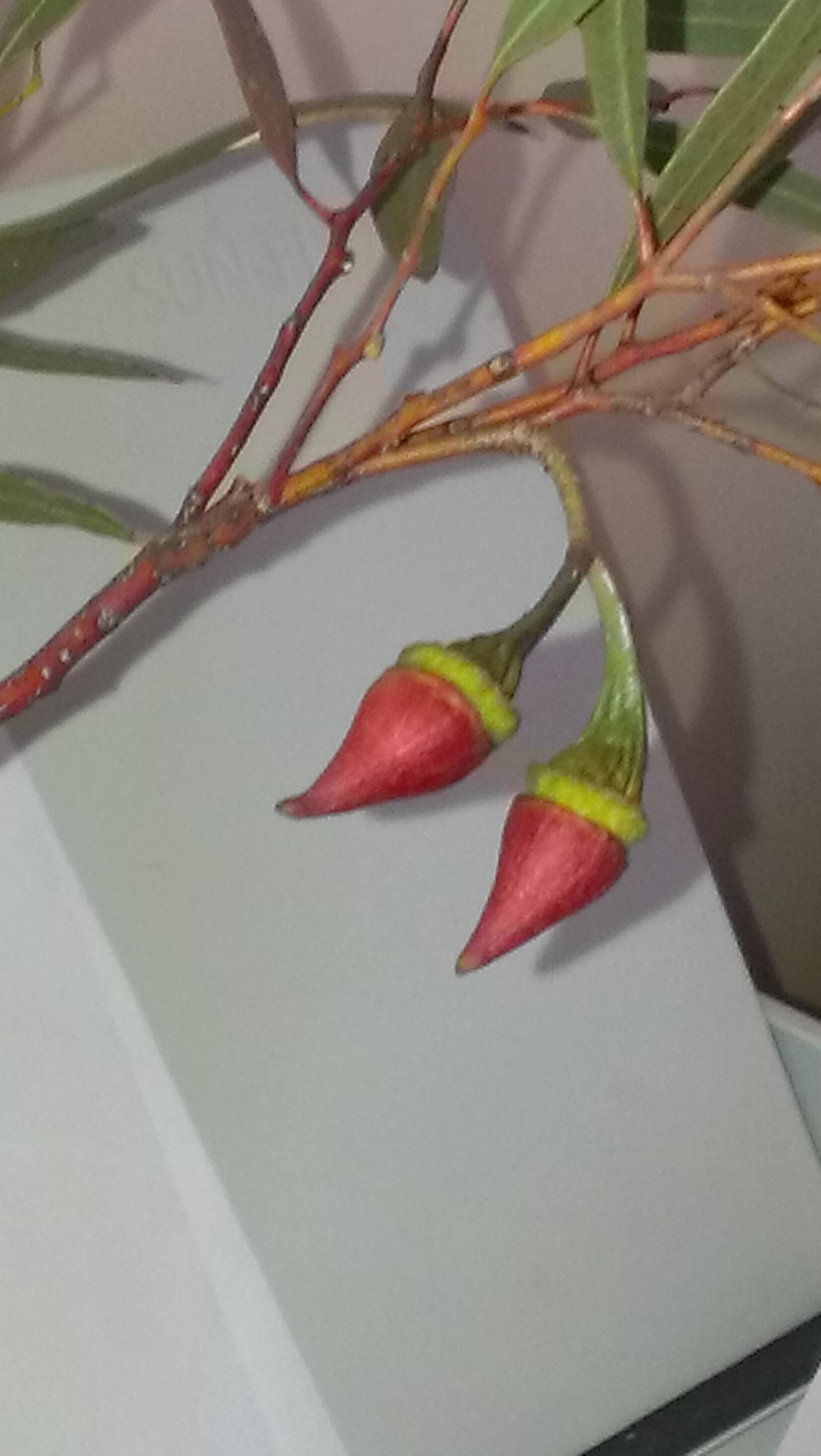
The flowers were especially striking: bright red, with stamens curling back up and around the base of the fruit.  The bud caps are bright red, coming to a pointed tip.

IMAG0679

Quite a sight.

IMAG0678

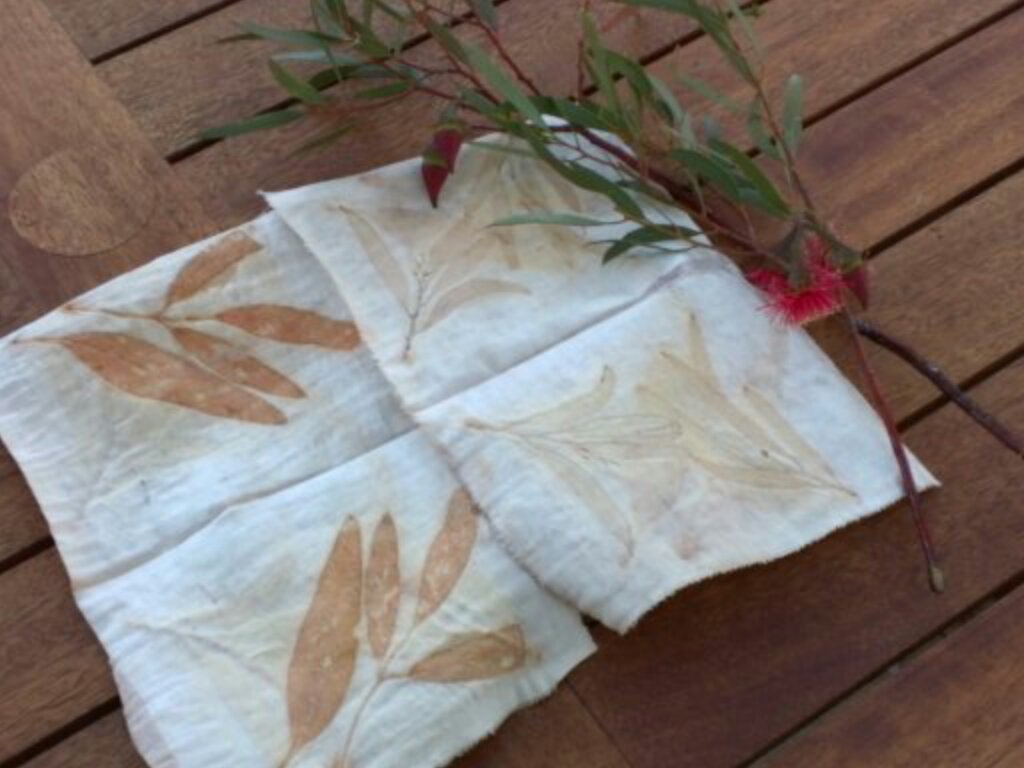
In her book Eco Colour, India Flint argues that eco-prints are a good way to test potential dye plants using minimal leaf material, and she is, of course, right. On the right, E Erythronema var Erythronema.  Not much of a dye specimen.  On the left, leaves from another E Scoparia, I believe.

IMG_0046

4 Comments

Filed under Dye Plants, Eucalypts, Leaf prints, Natural dyeing, Uncategorized

Eucalyptus Camaldulensis Bark Dyepot

The river red gums are shedding bark all over my city.  I was riding down to visit my parents passing a planting of these trees along the railway corridor near Marion station.  I couldn’t resist, so pulled over and took pictures and bark.  Under these trees, the ground is covered with thousands of tiny gumnuts (as well as bark).
IMAG0670 IMAG0668IMAG0669IMAG0775

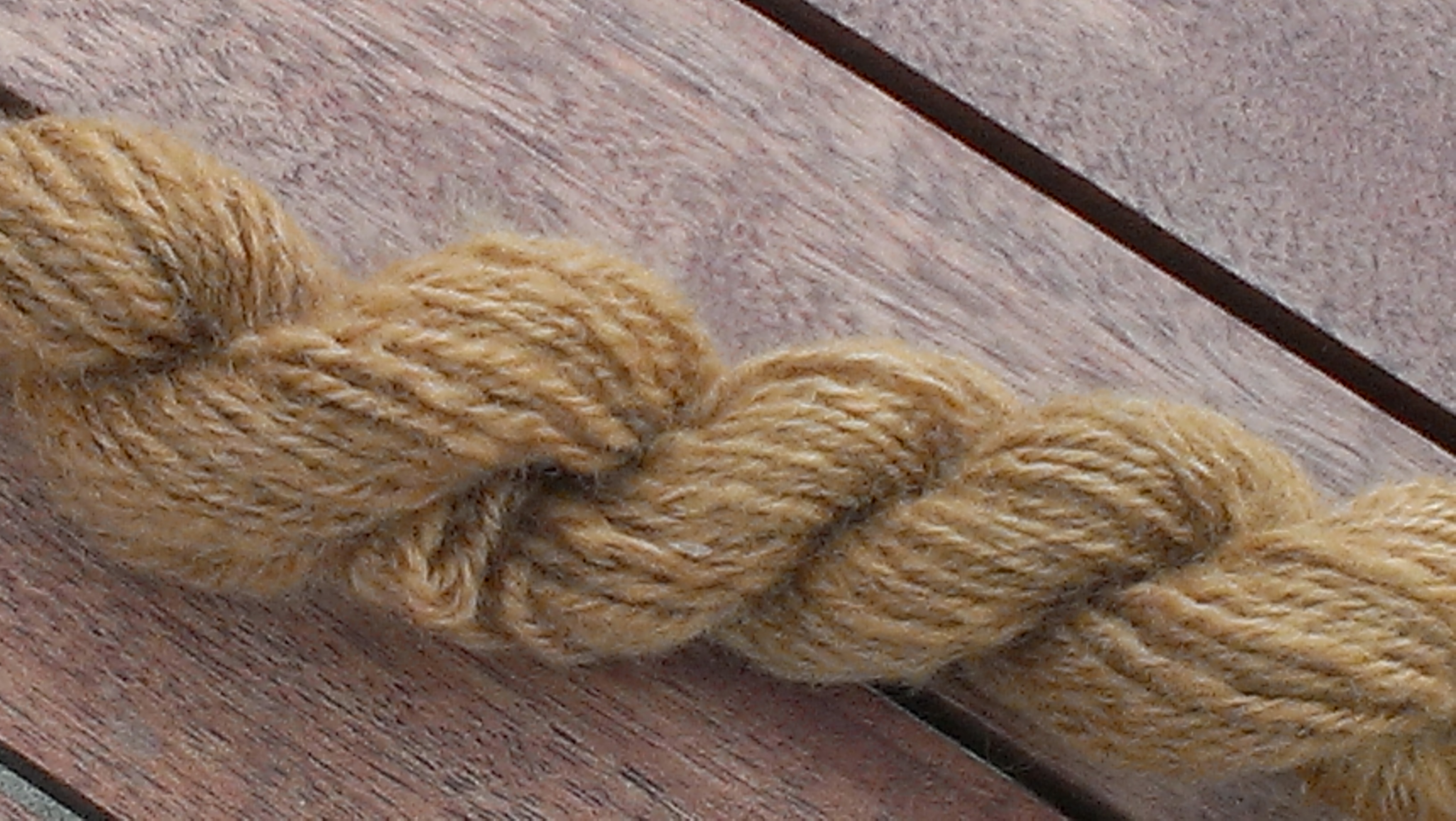
So of course, I collected some bark just to try it out… and yes, tan again.  Brown, with alum.  Often I can see almost no difference between wool with no mordant and wool with alum after dyeing, but this was a clear example of alum making a difference.

Leave a comment

Filed under Dye Plants, Eucalypts, Natural dyeing, Uncategorized

Angophora Costata subsp Costata bark dyepot

Our lovely friend has an Angophora Costata subsp Costata (Sydney Red Gum) in her backyard.  When the bark is newly shed, these trees have a stunning rust-orange coloured trunk.  There were many to be seen and admired in and around Sydney when we were there in December.  The other day she came around with… a bag of fallen bark for me!  Here is my sample card and swatch before:

IMAG0665

And, after.  You could call it cinnamon, I suppose–the alum mordanted, superwash sample is really quite brown.  Or on the other hand, you could just call it tan, again.

IMAG0701

1 Comment

Filed under Dye Plants, Eucalypts, Natural dyeing, Uncategorized

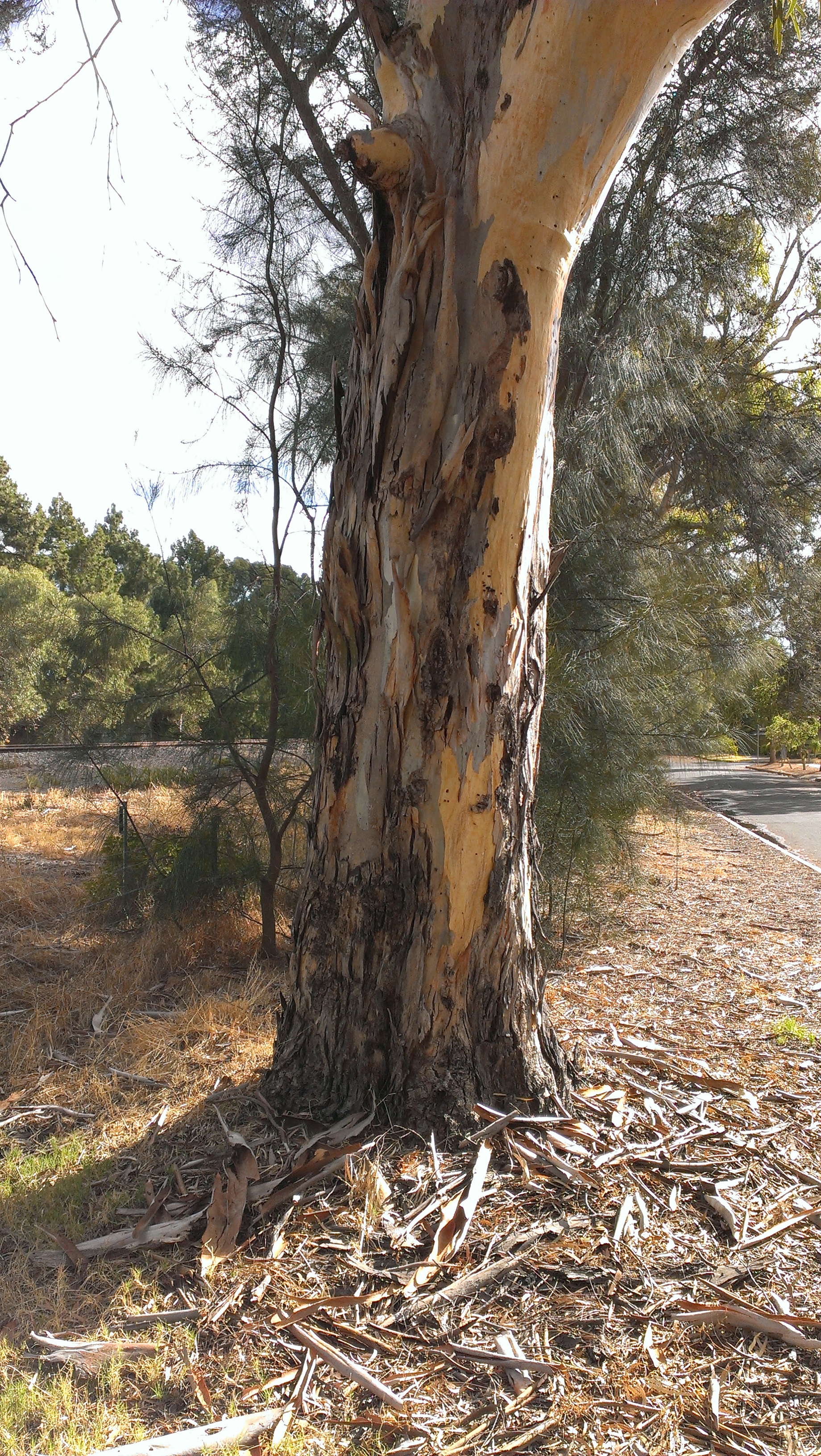
Eucalyptus Saligna Bark Dyepot

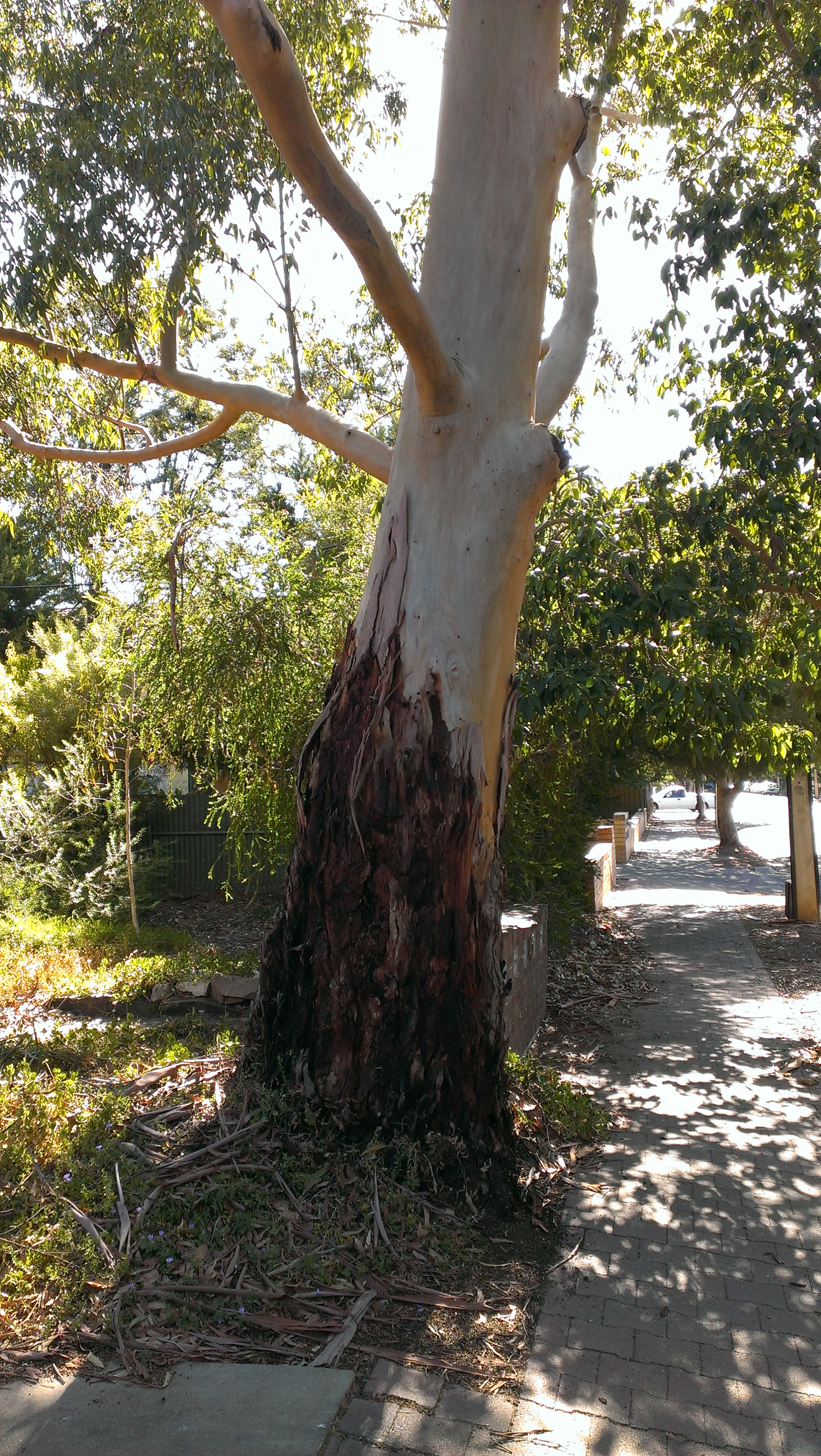
Continuing the recent bark theme… and since it is the season of bark shedding for so many local trees, I bring you a Eucalyptus Saligna (Sydney blue gum) bark dyepot.  I collected the bark in December and had a very funny conversation with a passerby who had lots of ideas about what I might be doing with that bark.  This tree has a rough base but has shed all the bark above it in strips now.

IMAG0572

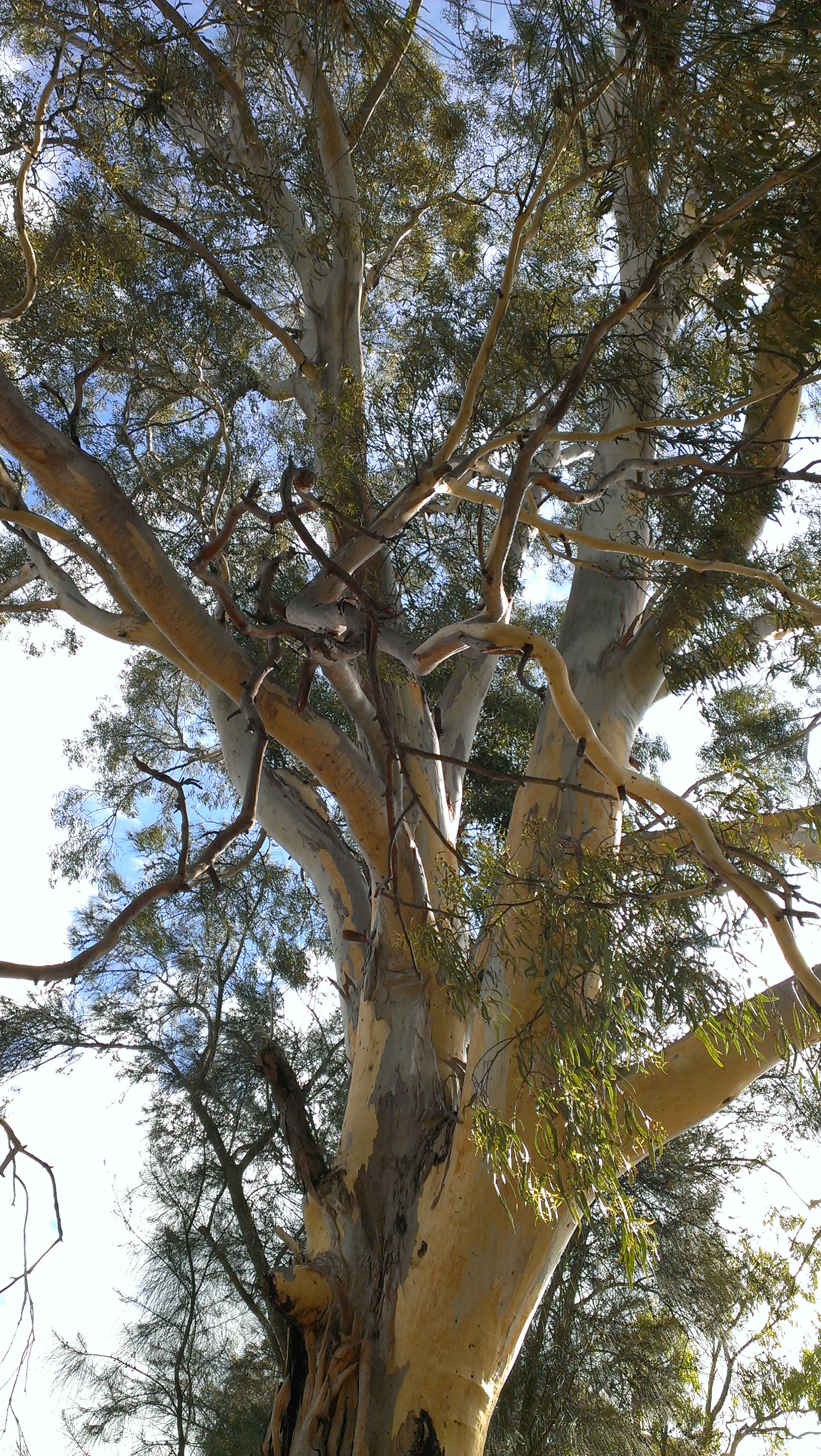
It is a huge tree!  It is outside a block of townhouses, where some trees were removed a while back but this one was saved by some local friends.

IMAG0574

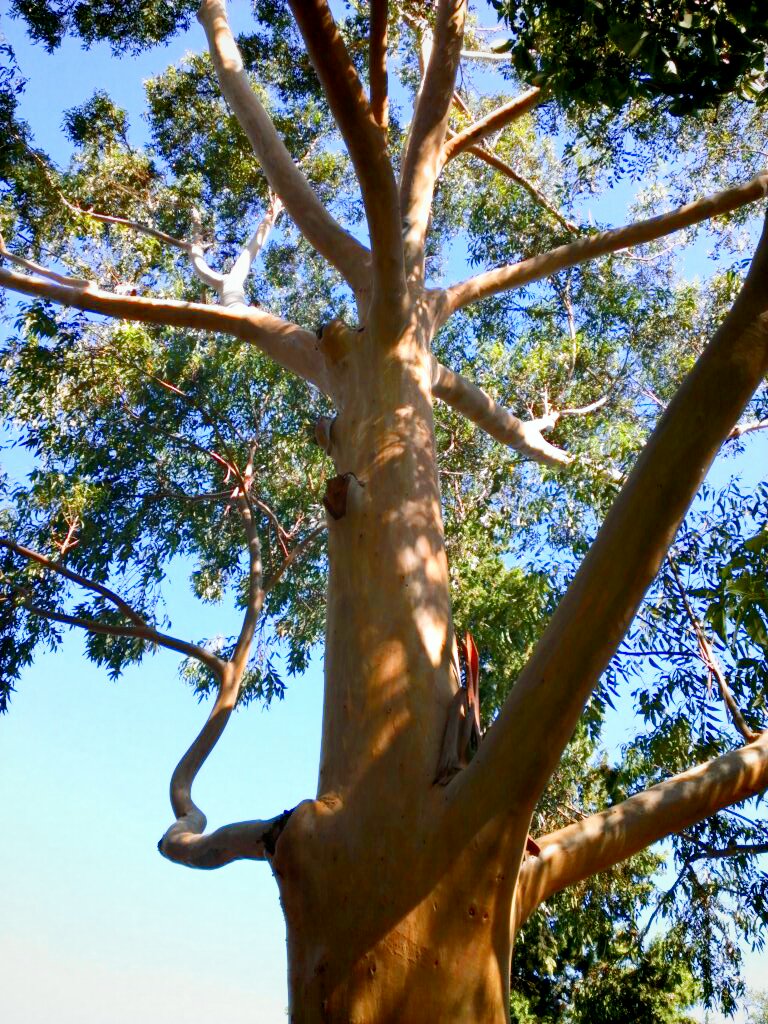
What a beauty.

IMG_0031

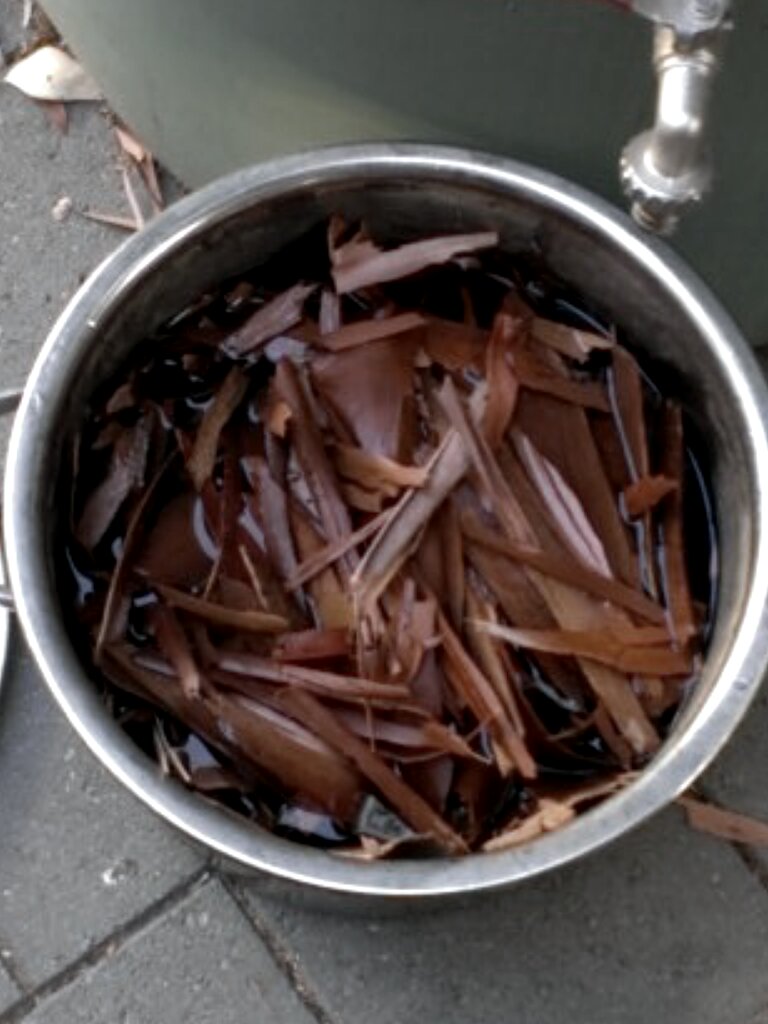
Enjoy the tree, because as I write I’ve looked into the dye pot where my handspun wool is heating and this is a case of tan again, I believe.  Here is the bark after I added rainwater for a few days of soaking. 

IMG_0033

And here, my friends, is my dyed wool.

IMAG0584

And against a background of E Scoparia-dyed merino:

IMAG0583

4 Comments

Filed under Dye Plants, Eucalypts, Natural dyeing, Uncategorized

Hits and misses

The other day I was at an exercise class in a park.  One if the trees was helpfully labelled Lagunaria patersonia (pyramid tree).  It turns out to be native (to Australia, though not to this part of it).  So… I decided to take a sample and test its dye properties.

1953

I am here to report to you, dear reader, that this is not one of the stellar dye plants of our time.  That smudge on the right of the linen square with the questionable machine embroidery is the best I can show for a leaf print after an hour and with teh presence of iron and soy mordant.  The only fibre on my swatch showing any colour after an hour of simmering is wool + alum, a delicate shade of yellow-green.

IMAG0565

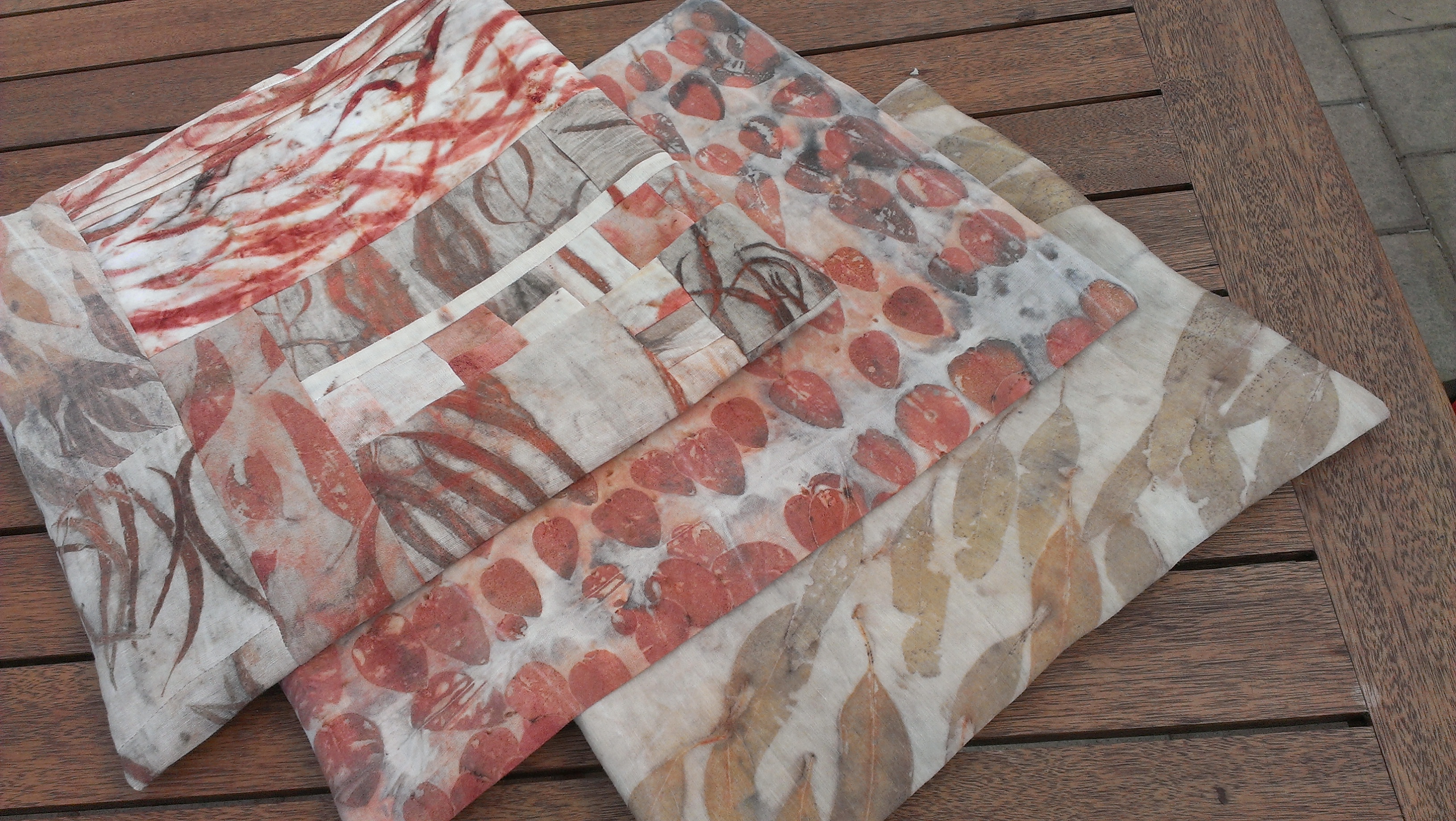
On the other hand, I made these cushion covers from leaf-printed cotton and linen.  They are for friends who invited us to a holiday house they share near Mittagong.  I hope they’ll accept these as thanks for the lovely relaxing time we had with them.

1963

They are custom fit to the cushions on the verandah of their holiday house, whose covers have seen better days.

1962

6 Comments

Filed under Dye Plants, Eucalypts, Leaf prints, Natural dyeing, Sewing, Uncategorized

Illumination

I am touched and delighted to have been nominated for the Illuminating Blogger Award by Dre from Grackle & Sun.  I am inspired not only by her thoroughgoing approach to natural dyeing and her witty and illuminating way of writing about it, but also by her dedication to her wellbeing and to getting fit.  I haven’t been writing about it here, but 2012 was the year I started running (jogging… slowly), so I’ve been on a wellbeing and fitness journey of my own on which all fellow travellers are welcome!

Illuminating Blogger Award

The rules of the award  ask that:

I share a random thing about myself: Yesterday morning I saw a pair of gang-gang cockatoos in the bush, near Mittagong, New South Wales.  This is the first time I’ve ever seen one in the wild: it was just so exciting!  The last time I saw a gang-gang I was in some kind of zoo or wildlife park inside a big cage.  I was wearing a spectacularly light catching and quite large stud in my ear–some kind of plastic bling.  The male gang-gang landed on my shoulder, which was amazing.  We had a short chat, and then he applied his considerable and strong beak to my earring, which was pretty scary really… but I still have an earlobe to this day.

Years ago I sang in a trio and one of the other members of the trio set ‘Bird and Man’ by Douglas Stewart to music in a most wonderful way (I believe some liberties may have been taken with the lyrics).  My favourite couplet remains: ‘Bird is gang-gang, well he knows/His whole head’s feathered like a rose’.  It turns out Douglas Stewart also wrote ‘A Flock of Gang Gangs’.

Nominate 5 (or more) other bloggers whose posts are informative and illuminating.

Wendi of the Treasure

I love Wendi’s use of local and native plants, sense of experimentation and the sense her blog gives of her living a good life.

an impartation of colour

Pallas’ approach to dyeing is wonderfully systematic and so beautifully communicated. I love her generosity in sharing her dyeing processes and her experience as a dyer.

debmcclintock

I find Deb’s blog full of information and a wealth of experience, and she is a delightful and thoughtful writer.

textileranger

Every time I visit ‘Deep in the heart of textiles’, I find myself humming that famous tune as I enjoy textile ranger’s wonderfully eclectic and colourful blog.

Rihivilla, dyeing with natural dyes

I love Leena’s wonderful photography, dedication to growing and harvesting dye plants and her delicious colours. Her blog is a source of inspiration as well as beauty and information.
What a pleasure it has been to think about these bloggers and all I admire about their writing and dyeing!  Have a happy and colourful new year…

2 Comments

Filed under Natural dyeing, Uncategorized

Oak leaf ‘prints’

Following Rebecca Burgess’ instructions for a fall dye starter from Harvesting Color, I pulled out my rusty nail solution and, given the difficulty of collecting maple leaves nearby, took the opportunity when I was passing a street where oaks had been planted as street trees. 

IMAG0339

I wrapped my bundle and put it in a jar of vinegar and rust nail water on 16 December (that’s it beween the rusty nail jar and the hibiscus dye jar).  Now to see what happens.  I have to say it is a mystery to me why my rusty nails, which were…rusty and orange… have produced a black solution over time in my case.  I have added more vinergar and water to the nails and the black particles have settled out in the bundle jar overnight in this photo.

IMAG0341

After two weeks in the sun, my rusty water looks more rusty (and you can just see my bundle in there):

IMAG0530

And yes, I did get a leaf print, albeit a mostly very blurred one.  The colour is impressive, but I think this is a clear case of time (unusually) not being the dyer’s friend.  Rebecca Burgess suggested 2-3 days and I left this for 10-11 days, which suited me but not the process.  I will be sure to try again and be more obedient in my instruction-following!

IMAG0553

Leave a comment

Filed under Leaf prints, Natural dyeing, Uncategorized