Tag Archives: linen

Mellow blueness

2016-11-26-12-27-18

The woad has been thriving in this time of rain followed by warmth.  (The potatoes aren’t doing badly either, as you can see). And that can only mean one thing, when free time opens up!

2016-11-26-15-06-35

I managed to obtain Jill Goodman’s A Dyer’s Manual recently, and had the benefit of others helping me to grasp the chemistry of fresh woad and how it differs from using indigo that has already been prepared from fresh plants by someone else. I came by the book at the annual spinner’s retreat where there were folk with interest and knowledge–perfect, and very helpful indeed.  So this time I felt I knew why I was adding air in the early stages of the process, only to then remove it in the de-oygenation process required to have the dye become fully soluble and able to attach to fibres.  Previously this has been a total mystery or had me feeling I had done something wrong, or both.

2016-11-27-14-09-18

I still had part of one package of hydrosulphite left.  I am pretty keen to have it be the last.  Hydrosulphite is a substance the earth could do without. But equally, since I have it, better to use it rather than let it become stale and unusable for this process.  So I tried two vats: one with hydrosulphite and one with fructose.  The picture above is grey merino fleece descending through the ‘flower’ on the surface of the hydrosulphite vat and into the yellowy depths below.

2016-11-26-17-45-56

This image is the fructose vat, which involved some guesswork on my part (no way to measure how much woad pigment there was in my solution). I am not experienced enough to have great judgment or to trust my own judgement.  I can measure temperature and I can measure Ph.  The complex part is judging the reduction (de-oxygenation) of the vat. This looked very promising to me!  That said, there were moments when I had realisations that gave me pause.  Jill Goodman, for example, seems to live in England and I suspect her conditions and mine are not the same. She goes from scalding leaves with boiling water through various processes to heating the vat to raise it to 50C (there was a lot of conversion to metric involved for me)… I did the processes concerned and still had a vat at 70C and decided in the end to put the vat in a sink of cold water and ice!

2016-11-26-16-57-16

This linen scarf did the amazing woad magic of going from yellow to green to blue when put out into the air.

2016-11-26-17-13-35

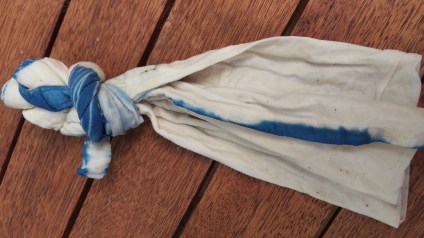
Both of my tied textiles dyed only on the outside and therefore were re-tied and re-dipped. The greeny-blue of the image above converted to blue very quickly on rinsing (you can see an image further down).
2016-11-27-15-37-27

Soon I had dyed my planned fabrics and imagined that the vat would be exhausted, because previous vats have yielded so little.  The next day it was clear that the hydros vat was not exhausted, so I adjusted Ph and temperature and set about continuing to dye. The fructose vat was still not reduced, so far as I could tell with a test dip, though again it looked promising and eventually looked much like the hydros vat.  However, it still had not reduced, and thus, was unable to dye.  In the late afternoon I decided it probably didn’t have any dye in it. Do not read on if you have a weak constitution–but one of the reasons for my belief was that I had accidentally boiled the fructose vat early in the process. Eeek! I had a very little hydros left, so added some to the fructose vat.  Then half an hour later, a little more.  30 minutes later, it came into order and began to dye, and I dyed using both vats until bed time using the only clean fleece I seem to have. The fructose-hydros vat dyed over two more days, as it turned out!

2016-11-27-18-18-18

I threw in more cloth and went to bed, feeling extremely pleased.  On the down side, I used hydros.  On the up side, it can only have been a matter of time before that fructose vat would have reduced.  I just needed to hold my nerve and be patient.  Maybe add more fructose. Admittedly, time is one of my biggest issues because I do have a day job and other commitments.  However, this is by far the most successful woad effort to date.  I now understand that I need to use a vat rather than direct dyeing for the woad to be wash-fast.  I think I now have a sense of how to tell whether there is dye in the vat (at all) as I process the solution.  The low concentrations of colour claimed for woad are not so low as to make it useless, and I have quite a bit of leaf.  One vat with 1.6 kg leaves and one with 900g leaves from one part of the garden where other things have struggled to grow well–and this is my second harvest from them.  I also have the happy sense that my understanding is sufficient to reach success with a fermentation/fructose vat given time.  The pigment from my previous crop of woad is in a different vat which has not shown promise even though I have been waiting for weeks.  But it still may!  And I am confident now that reduction is the main issue and not one of the other possibilities.  Very encouraging mellow blues–and more pictures to come when everything is clean and dry.

9 Comments

Filed under Dye Plants, Natural dyeing

Drawstring silk bags

2016-11-19-18-01-27

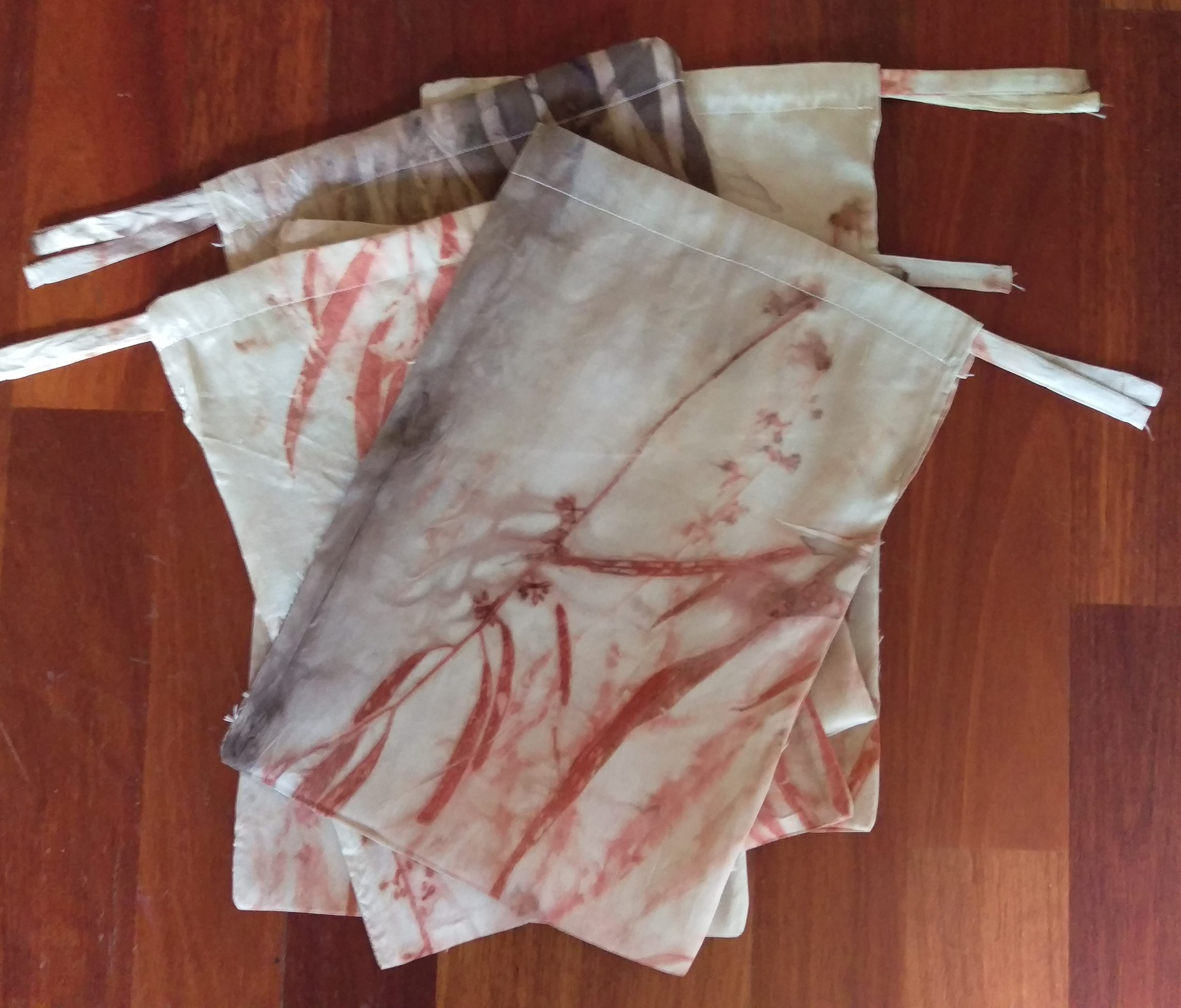
Some time ago I dyed some silk I found at the Guild trading table. Just recently though, I stopped looking at it, draped around the place, and realised what it could become. I am hoping these little bags will be pleasing gifts, and in some cases, replace wrapping paper in the coming season of compulsory gifting, which I prefer to involve as little waste as possible, as I have not managed to convert my family to thinking perhaps this is not the best possible way to show our affection for one another. I love giving people gifts, but I find the compulsory nature of it and the set date, just leads to waste, and giving and getting things that are not always wanted or needed.

2016-11-19-18-01-36

You knew where this was going, didn’t you?  I couldn’t possibly stop at one or two.

2016-11-19-18-01-52

I think it is partly the satisfaction of figuring something out and routinising it.  Practising it.  Being able to create a little system.  This wouldn’t satisfy every mind, but evidently there is something in it for me.

2016-11-19-18-02-01

I think it is also as simple as getting on a roll and being able to make maximum use of a piece of fabric. Again, not something that has an inherent logic that would work for everyone. And clearly the attitude of a person who has an outward bound stash rather than just one precious piece of fabric. I enjoyed piecing together some of the fabric so I could use it all, as you can see.

2016-11-19-18-02-39

I also made one from one of the fronts of a linen shirt dyed some time ago. The bronze-coloured fabric became two larger bags with double draw strings. And so here I am, hours of pleasurable bag making behind me and happy times of gifting ahead!  I hope your plans for the gifting season are going well…

2016-11-19-18-02-55

12 Comments

Filed under Leaf prints, Natural dyeing, Sewing

Fruit Bats Shirt

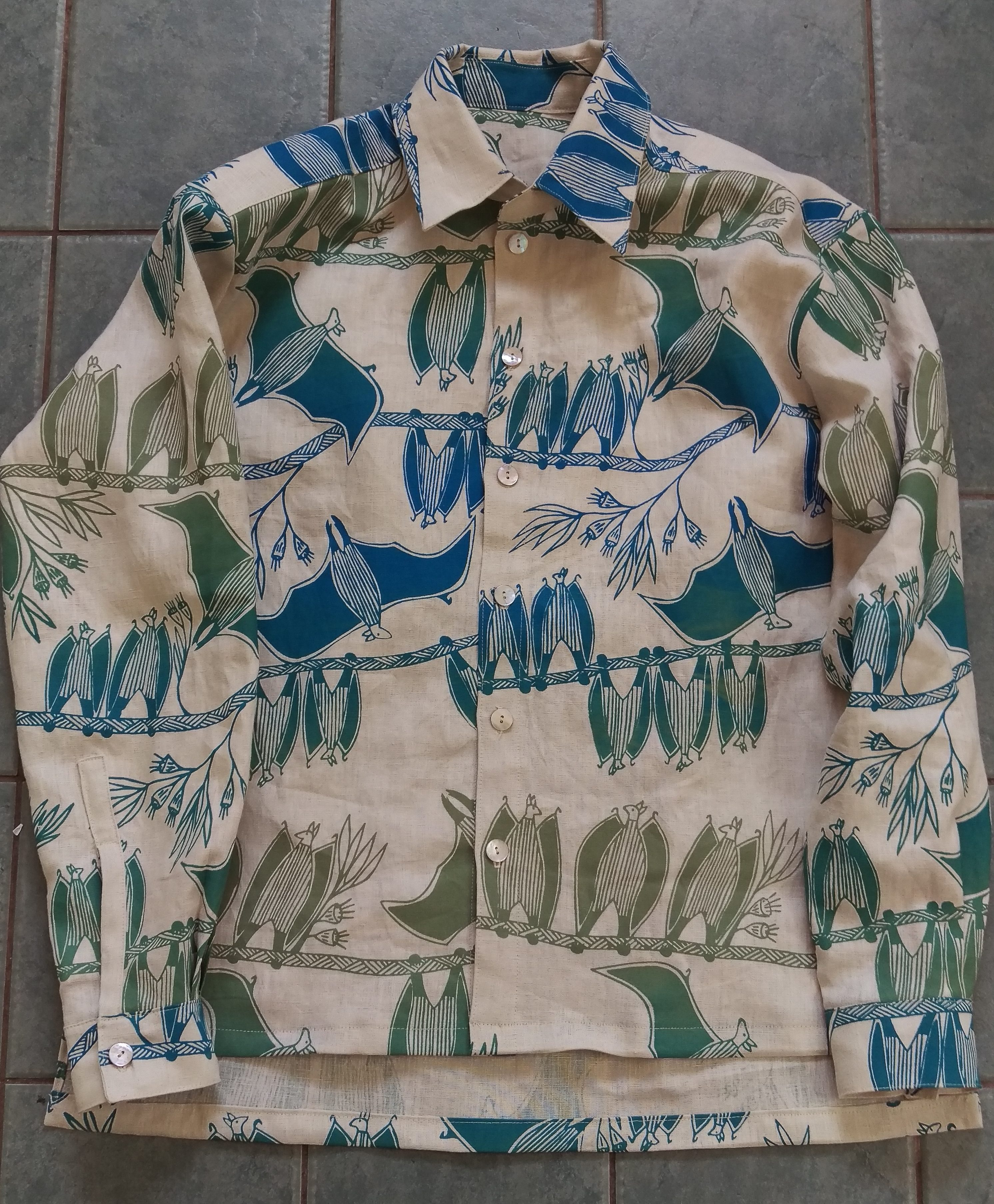
I bought some lovely screen printed fabric some time ago.  I was taken by surprise at the hairdresser, a place I don’t usually have to resist the urge to purchase fabric.  She had a lot of designs from Injalak Arts (from Oenpelli, Northern Territory) for sale and… I came away with this one: Kuluban (fruit bats) by Selina Nadjowh).   If you like it as much as I do, it turns out Injalak Arts are selling on Etsy.  They are ‘a non-profit, community enterprise’ set up to benefit Indigenous artists. So do support them if you can.

Here I am near the start, applying part of a stained, worn old tablecloth as interfacing.

2016-10-28-10-21-09

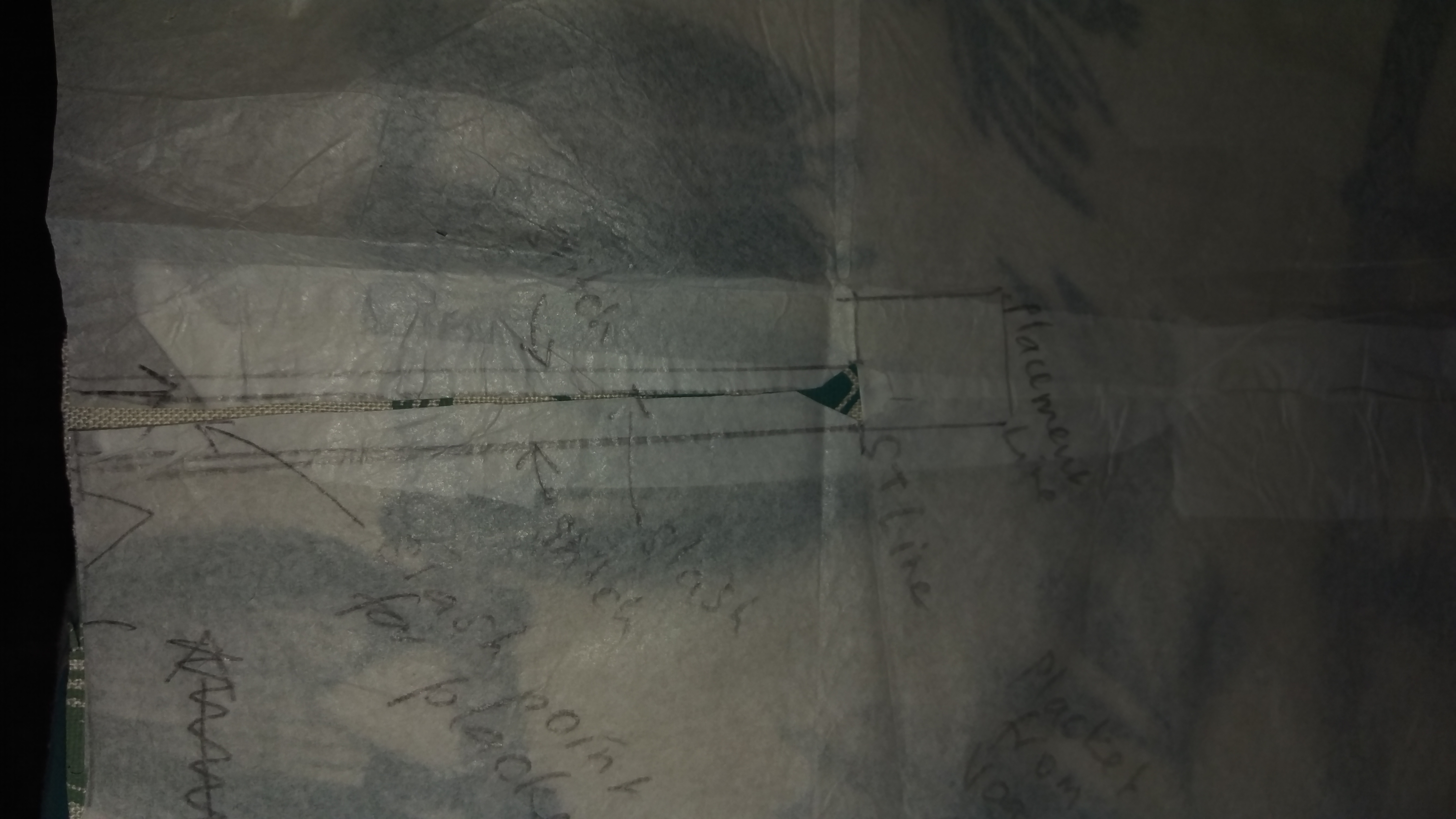
There was a bit of a placket crisis when I was intent on stitching the plackets one night and realised that I’d traced them from another pattern without instructions.  Evidently I had also chosen a different sleeve construction (one with a placket in the main pattern section and not on the seam).  I had created a whole new pattern piece for the sleeve, which had a placement line and slash line. Not much help there….

2016-10-28-19-08-00

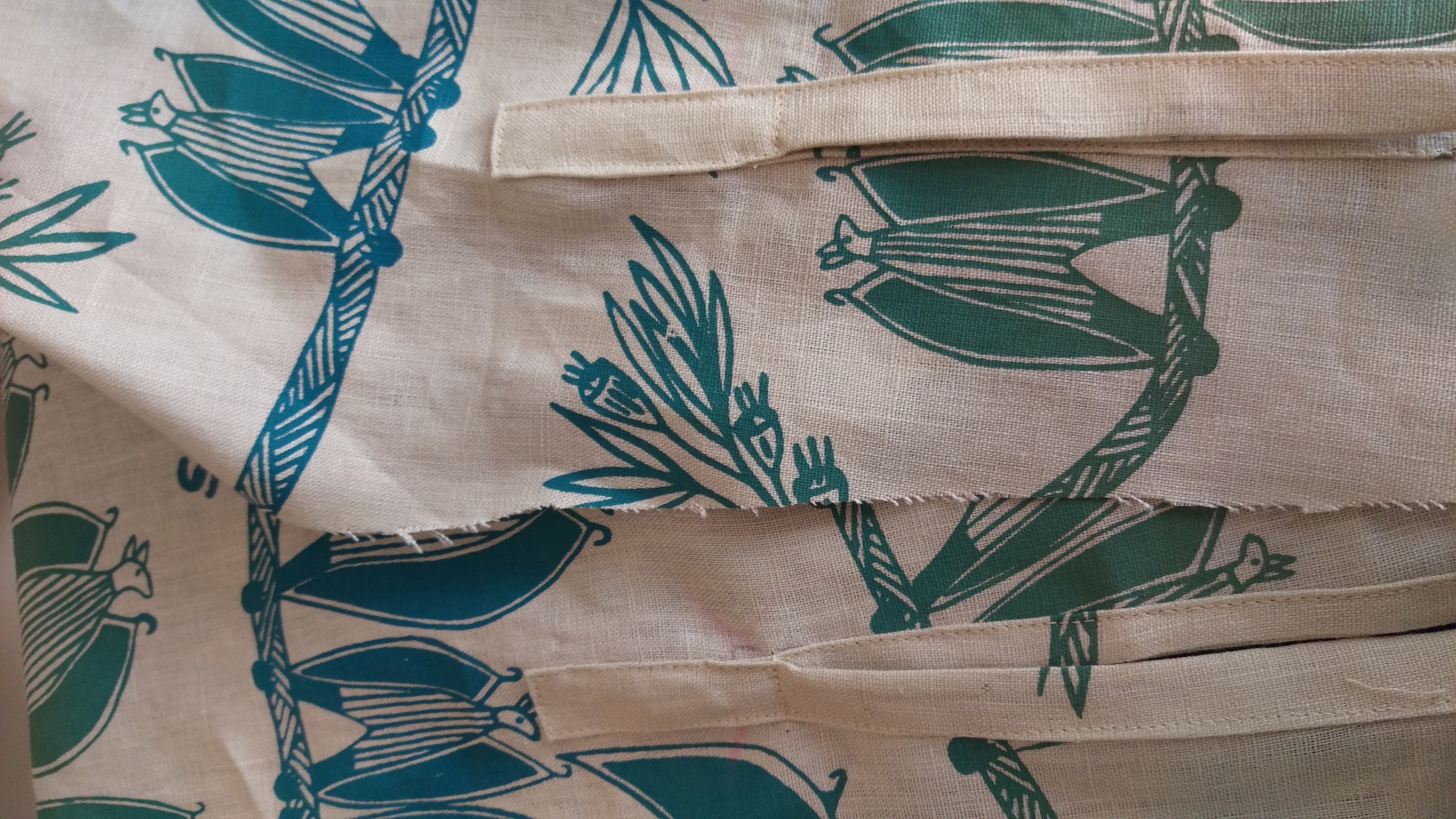
I have made this pattern many times but it has been a while, apparently!  I assumed I could fudge the plackets, which in the end, I did.  Here they are in their quite-good-but-not-perfect-glory.

2016-10-29-14-14-18

The collar assembly in process.

2016-10-28-17-30-13

Recycled buttons came into it. I just can’t go past the pearly ones.  I might have preferred smaller buttons, but actually these are good on such a bold print. I chose the button side and the buttonhole side the way I thought looked best with the print.  I’m not a big fan of buttoning up one way for boys and one way for girls, and I think I have shirts constructed both ways. When sewing a shirt I often choose depending on which front has least wonk factor. This time, not too much wonk at the front.

2016-11-06-12-24-25

Cuff detail.

2016-11-06-12-24-31

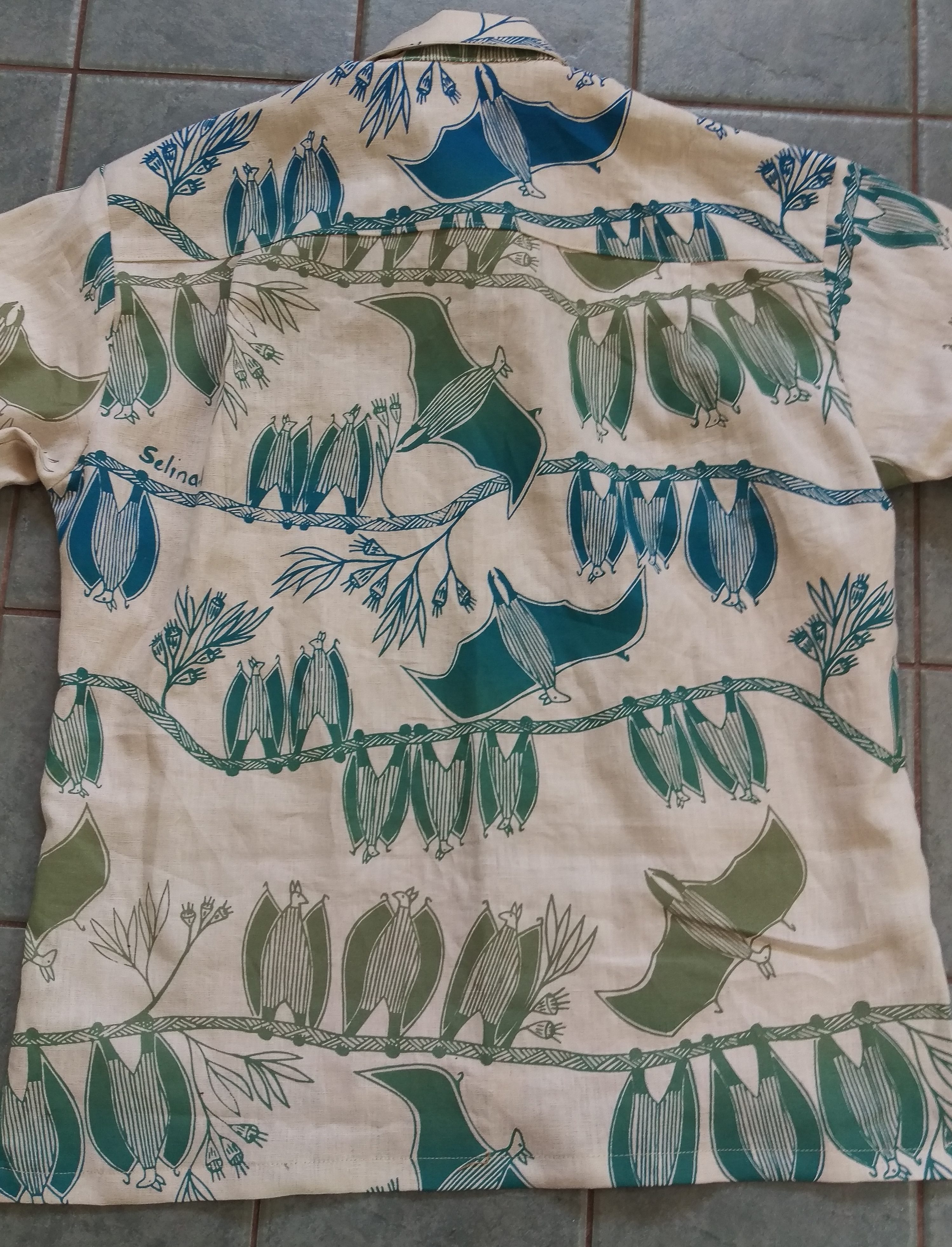
The back, where you can see quite a bit more of the fabulous fabric.  To be honest, my experience with shirts is that you can do anything you like if you have an awesome print.  People don’t seem to notice how many of my shirts are from the same pattern, for instance (maybe they are just too polite to say)… and no one else cares about how I did with my plackets.

2016-11-06-12-24-47

And here’s the front! I think this shirt will be fun….

imag2913

14 Comments

Filed under Sewing

A little dyeing

2016-09-18-14-18-47

The winter seemed to go slowly to me.  I was sick a lot and had weeks of weariness that meant I wasn’t able to put my itchy fingers to use the way I’d like to. So one particular week of wind and spring rain, I decided on a very small project.  The cotton bag a purchase from Beautiful Silks arrived in met the remains of some soy milk that was in the fridge at work for too long.  Then it joined a shirt front previously prepared for dyeing.

2016-09-18-14-20-31

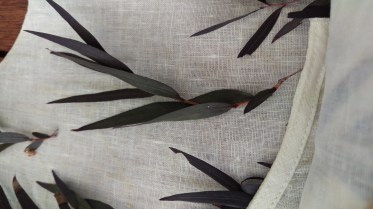
I’ve been trying to walk more, so windblown eucalyptus leaves and opportunistic scores of leaves were added to the mix, and pretty soon I had a bundle.

2016-09-18-14-23-41

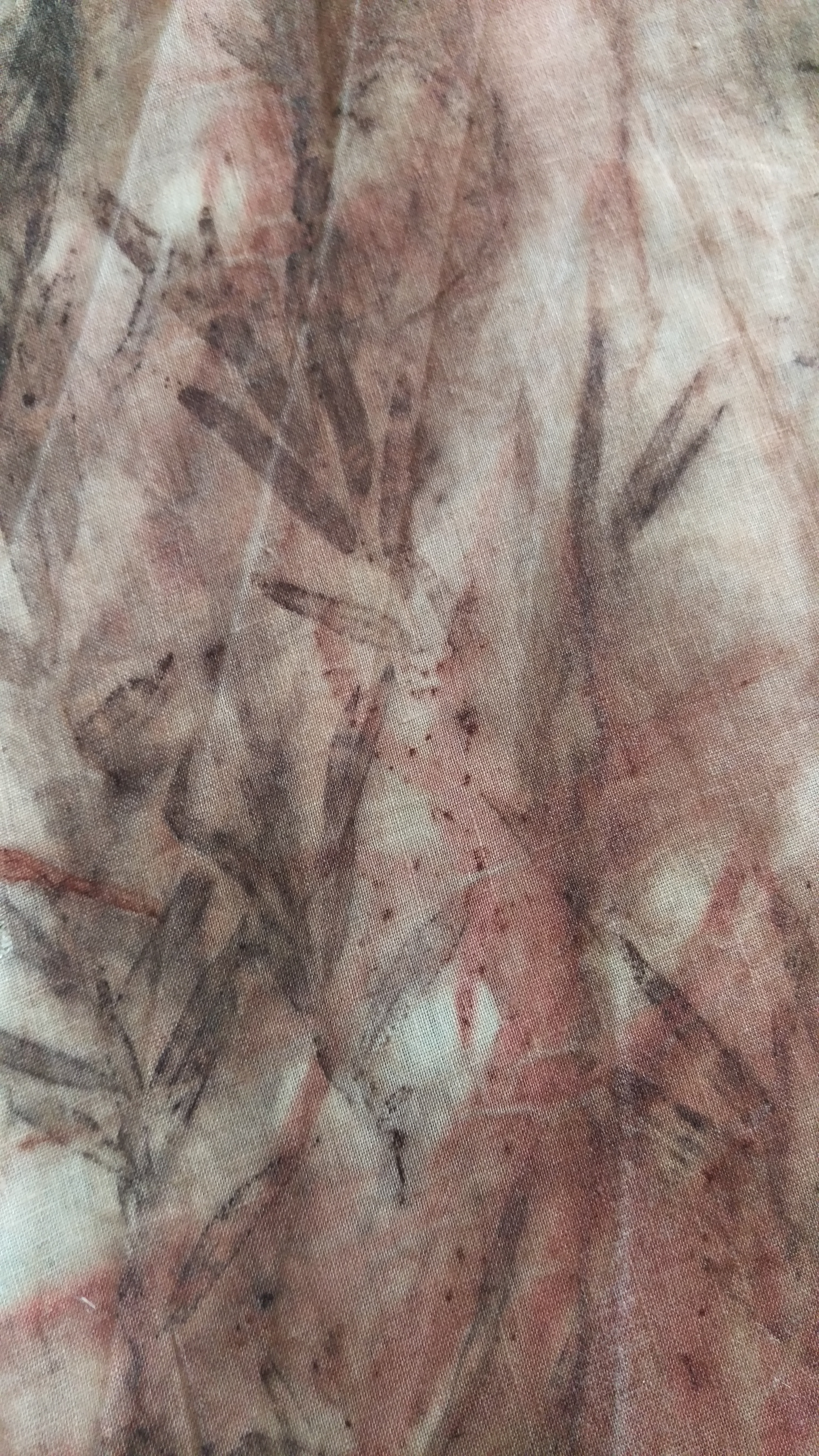
I think the bag is much improved.  The way these prints turned out is so interesting–almost like an out-of-focus photograph.

2016-10-11-14-46-09

And the shirt front stands ready for its next incarnation.

2016-10-11-14-47-49

Finally,  since plastic troubles me more and more all the time, I took a leaf from Beautiful Silks‘ book and stitched parcels for these supplies, being returned to another city after use on national divestment (from fossil fuels) day rather than buying new plastic prepaid satchels.   And now to discover what the post office think about parcels that come stitched up in ancient flannelette sheet. [Update: the woman on the counter made a joke about me sending pillows through the post, asked how she was supposed to get stamps to stick to that, then answered her own question by saying that was her problem not mine]!

2016-10-11-13-56-13

12 Comments

Filed under Leaf prints, Natural dyeing

Crafting time: How to make trousers

The question I hear more often than anything other, about this blog or my life in general, is ‘how do you fit it all in?’  There are a lot of ways I could answer, but one of the big ones is: slowly, in many small steps.  I started this post as a way of demonstrating the point, but quite early on decided this post might be much too long, even though I left out all the days when nothing happened on this project!  This is the story of how I made enough time to make a pair of trousers.

Day 1: drop in at the public library and find David Page Coffin has written a book on making trousers.  Borrow it. In Week 1, read this book in various states of understanding and misunderstanding and failing to follow.  Feel my confidence in attempting double welt pockets begin to rise. This has been the barrier to the creation of some new summer work pants for some years now.  So this is progress!

Day 2: Iron fabric from the stash.

Day 3: Cut out.  Mostly remembering adjustments (I think) and deciding to try cutting on the fly facing.  I am surprised to find a zipper in the pattern envelope. Clearly I have had good intentions before, so long ago I can’t figure out what they were.  Black pants, I assume!

2016-03-31 08.55.19

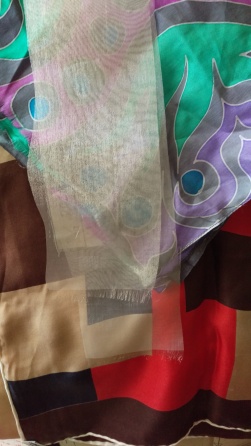
Day 4: Choose one of my grandma’s scarves for the pocket bags.  Silk pockets!! I have looked up Clifford Bond online and found him listed alongside vintage silk scarves.  This one is vintage, certainly.  It is also stained and well loved.  To my surprise, when I ironed it, a faint waft of my beloved, stylish grandmother’s cosmetic choices wafted up, even after so many years.  The silk is beautiful quality to my way of thinking, and the hand rolled hem is exquisitely stitched.  The tiny tag says it was made in Japan.  I do not know how Merle would have come to have this scarf.  She had many, and they were a style statement of hers so well recognised she received many as gifts.
2016-04-21 08.13.10

Day 5: Read two more ways of creating  welt pockets, beginning with a lovely illustrated tutorial on Male Pattern Boldness.  The lead post was on welt pockets when I happened past his blog.  At this stage, I am beginning to feel the universe telling me to make those pants.  Well, I confess, I don’t think the universe troubles itself about me personally very much.  Really, I am experiencing recognition that I am scared of making the welt pockets, and that this is irrational.  Perhaps I should get over it and get on with it.  The blog post makes me think of an article in Threads magazine which I copied years ago and had used to create two sets of pockets with success and (relative) ease.  I dig that out and consider.  I pull out the two pairs of wool pants I made using this approach.  The pocket openings look great.  Much better than those I made using the method in the pattern–albeit in a fabric better suited to the pocket style.

Day 6: carry out an extensive search for organza, required by the Threads article method. This inspires plans for about seven other projects.  I find some organza that probably isn’t silk (silk is proposed by the authors in question).  I also find an op shopped silk scarf that leads to reconsideration of the pocket bags.  Ahem.

2016-04-03 08.41.27

Day 7: It is a weekend.  I have at least two hours.  I could sew the pockets.  Nerve fails me.  I make a soothing patchwork square.

2016-04-03 08.40.48

One turns out not to be enough (the cupboard-by-cupboard search for organza has uncovered yet more scraps, needless to say).  Well.  There’s the end of the time that could have been used to create the dreaded pockets, but some of the scraps from this pair of pants have been used up! I have also given up the chance to go to the Farmer’s Market, for good or ill.

2016-04-03 09.16.26

Day 8.  Return book on sewing trousers to the library. This should be a clue that considerable time has passed between some of the days listed here.

Day 9.  After much deferring, stitch the organza to the trouser fronts.

2016-04-16 19.15.43

Next, baste the welts together and iron ready for insertion.  Done!  Having deferred so long, it is now time to have dinner.  So, you know, a day of high trouser sewing achievement.

2016-04-16 19.15.51

Day 10: turn the facings, create the pocket mouths, pin the welts in place.

2016-04-20 09.16.02

Smoking speed, I’d say!

2016-04-20 09.19.13

I did all that before work, and then took the trouser fronts to my spinning group at Guild and stab stitched them into position while supporting a new spinner (or at least trying to be friendly–she is lovely); listening to several conversations; debriefing someone about a recent difficult situation; fielding jokes about how I would spin this when I was finished and responding to queries about my embroidery (yes, stitching the pocket welts in).  These pictures are a bit watching-paint-dry, I think.  Apologies.  And here ends the first ten days, with the pockets almost finished…

2016-04-21 14.26.09-1

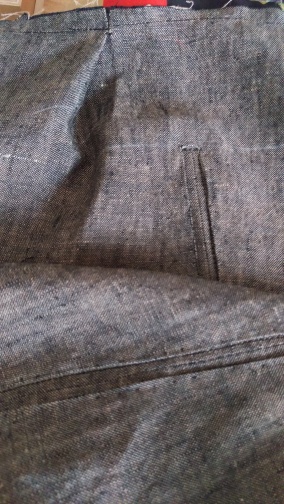
Day 11: Day 11 was, for once, the next day after day 10.  Not spaced out by a week or so as some have been.  I machine stitched the welts into position and problem solved my pocket bags, the part of this method that seems to me a bit problematic.  Because I’ve done it before and washed and worn many times, I understand that nothing catastrophic happens despite my worries.  Finally, the part that has been really putting me off, the welt pockets, is done.  The pockets are imperfect but this is to be expected (I made them) they are pockets (hooray, pants without pockets are not for me) and they will not attract attention from passersby (imperfect but not astonishingly awful).  Now I only have to manage the fly and much of the rest will be plain sailing, sewing wise.  I hope.  I make a start on the fly facing.

Day 12: The next day.  I decide against going out in the evening for no really good reason and instead have a lovely chat with friends who give me eggs and cake as well as the pleasure of their company, and insert most of the fly for good measure before bed.

Day 13: I am on a roll!  Finish zipper insertion before work.  Come across some bias binding I made from ties and select some I might use on the hems for fun.

2016-04-22 11.53.16

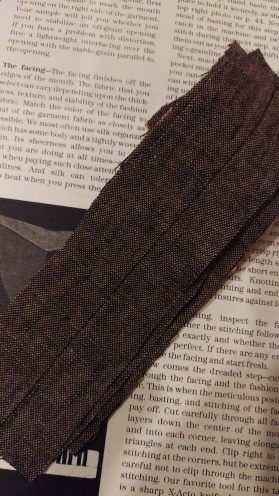
Day 14: it’s a long weekend.  Stitch the darts, stitch the main seams, figure out what to do about interfacing (cut pieces from a recycled black linen shirt sleeve.  Stitch to pattern pieces. Realise later that this would mean lots of stitching showing on the main pattern pieces. Decide I can live with it).  Decide to finish the waist facing with more recycled tie bias binding.  Stitch one side on with the machine, then hand stitch the inside edge into position in front of the TV.  This looks really neat and lovely, so it’s a shame about my interfacing stitching being so random. As you can see.

2016-04-25 16.09.43

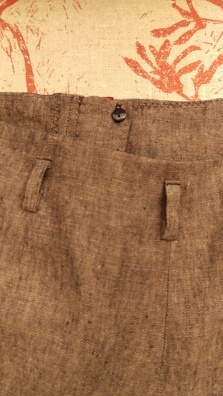
Day 15: Stitch on the waist facing.  Tack some seams so I can find my way through making the front edges look good.  Machine a buttonhole into the fly facing so there can be a button on the inside top edge–thank you to Page Coffin’s book.  Hand stitch on a small button for it.  Hand stitch on a hook and slide.  Create the belt loops.  Fail to find the loop turner.  I love that thing.  Room to room search.  No joy. Much time passes, I clean some drawers out, eventually turn belt loops without the loop turner.

2016-04-25 16.08.56

Day 16: Stitch belt loops in place; try on (they are roomy and will require a belt!  Better than being too small which was my concern)…

2016-04-25 16.08.34

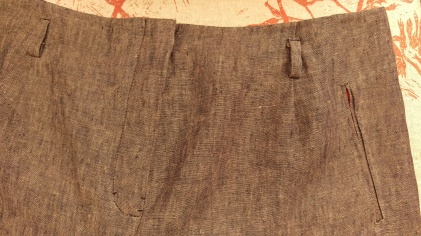
Take up hems with tie bias binding and use a quilt binding trick to do this in the neatest way I have ever managed.  Feel so proud I have learned something. Rip out the tacking holding the welts together so Merle’s scarf can peep out.  DONE!

2016-04-25 16.10.09

I love the hem finish on these.  I have done this before and enjoyed looking at this tiny, loving detail at odd moments while wearing them, for years.  Here’s hoping this pair will have a long and cheerful life in my work wardrobe.


27 Comments

Filed under Sewing

Scrap patchwork

2016-03-27 15.44.10

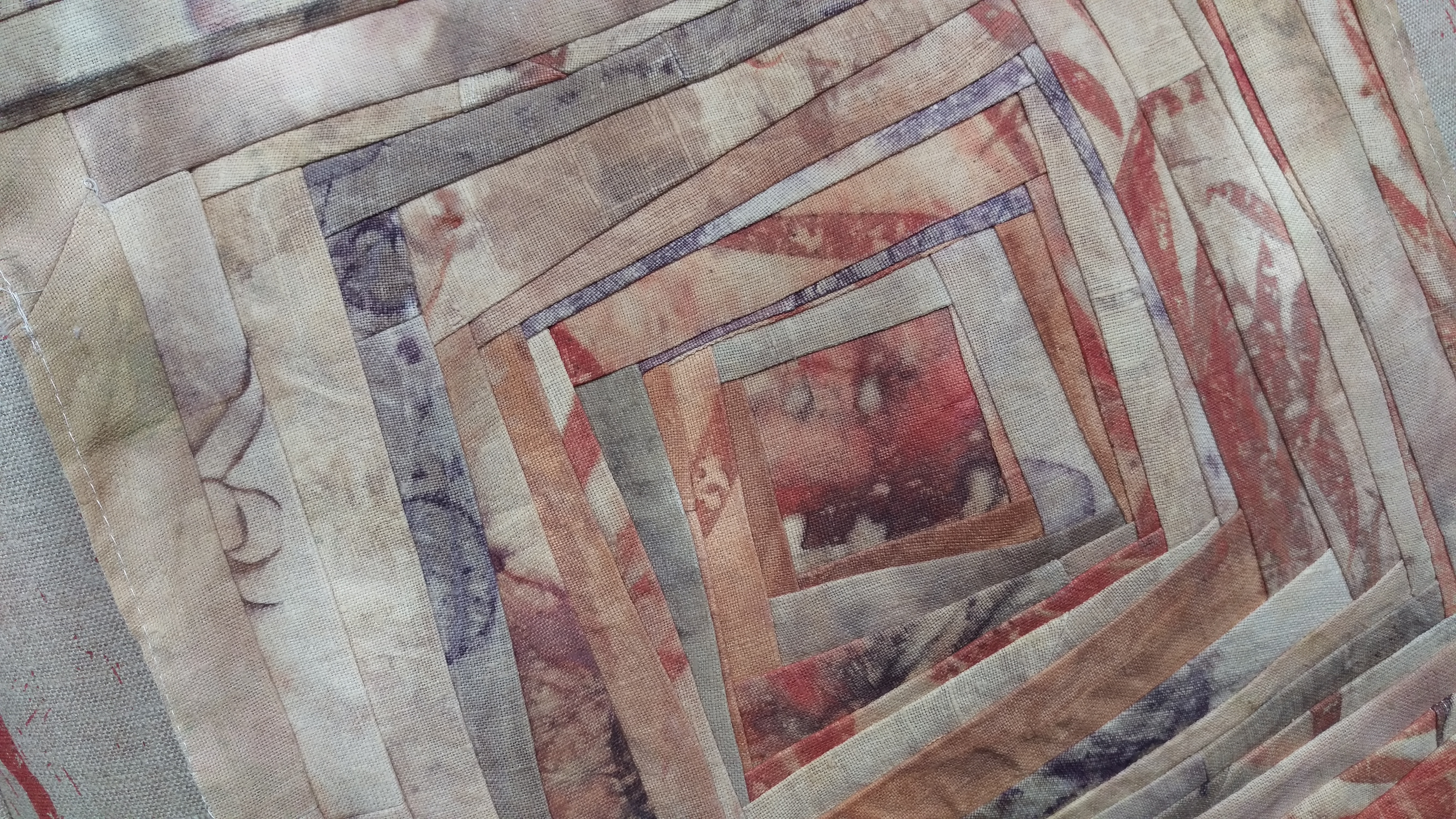
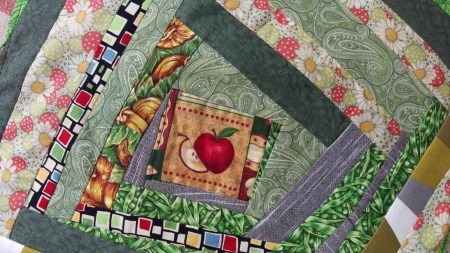
Top #64 turned out to have been rolled up unsewn together with some scrap fabric.  Once I had finished it, I made another crazy log cabin. Of course.

2016-03-27 14.31.14

Then there’s this one, with offcuts from batik pants, leftovers from sewing handkerchieves, scraps from fabrics turned into bags in the last bag frenzy, and a little upholstery fabric.

2016-03-29 09.17.42

This has pieces of fabric left from making shirts for myself and three friends, oddments of my lovely hand woven pants (may they rest in peace), quilting and bag making oddments… and the very last bits and pieces from op shop scores of old.  I am acquiring a little stack of these squares and will eventually have to decide what to do with them.  For the interim, it has proved a happy thing to use up all the little bits and pieces, strips and triangles.

2016-03-30 10.46.31

6 Comments

Filed under Sewing

More adventures in plant dyed embroidery

2016-03-07 17.44.42

I still have some upholstery fabric left from having some chairs re-covered.  It is natural linen, a lovely fabric.  I have been wondering what to do with it.  One day I went to an exhibition of Papunya artists in the City Gallery of Flinders University (on the ground floor of the State Library) and I came home longing to embroider.  I can’t exactly say why.  Perhaps it is partly that some of these glorious paintings are such clear manifestations of the principle that many tiny marks can make a whole that is sheer wonder.  I marvelled at the capacity of these artists to hold entire desert landscapes and the stories of these places in their minds, and from these to create spectacular images which somehow communicate the story and the place. Even if I cannot begin to grasp all that they might have in mind in creating these works, I can still stand in awe.

2016-03-07 17.44.50

I don’t need to be able to create wonder.  I don’t expect to, and I don’t mind.  But stitches are tiny.  Perhaps the immediate thing was simply the invitation to begin.

2016-03-07 17.45.00

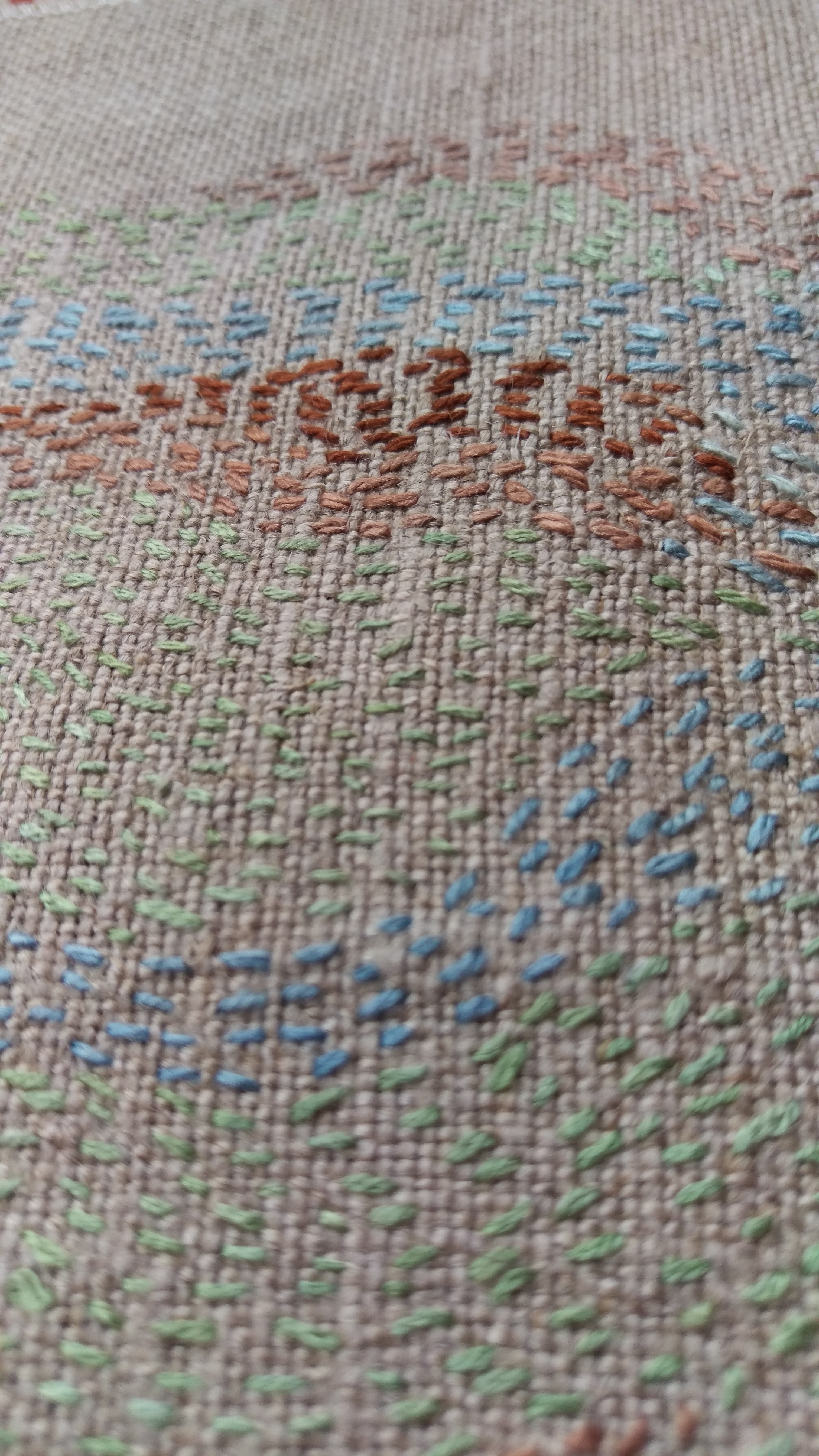
These threads have been dyed with indigo, pansy, hibiscus and eucalyptus.  I love their subtlety and the slight sheen of the silk thread against the matte texture of the linen.  I love the effects of uneven dyeing, as it turns out.  Even dyeing is overrated!  Once I had decided I was done (which is a com0plicated thing in itself, I find), I settled on yet another bag.

2016-03-16 13.21.01

The lining is made of patchworked silk scraps dyed with all kinds of plants.

2016-03-14 19.19.45

And then, just because I can never make just one… I made another with a different piece of upholstery fabric and some scraps of recycled fabric of different weights.

2016-03-16 13.21.30


9 Comments

Filed under Natural dyeing, Sewing

Transformations: Table cloth to top #64

2015-11-23 17.53.36

Once upon a time there was a linen tablecloth.   It was a round table cloth with an overlocked edge, gifted to me by someone who no longer had a round table.

2015-11-23 17.52.20

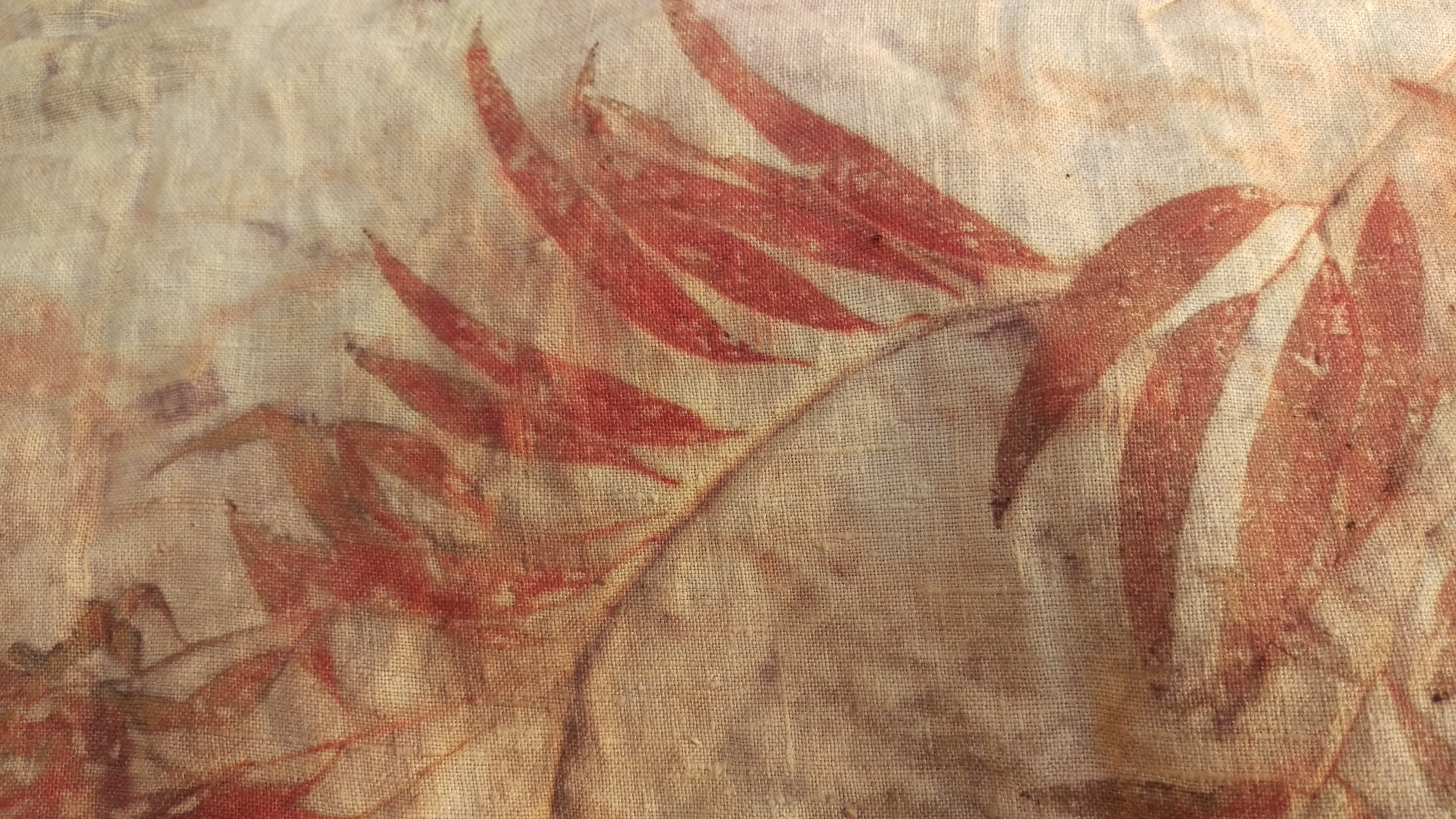
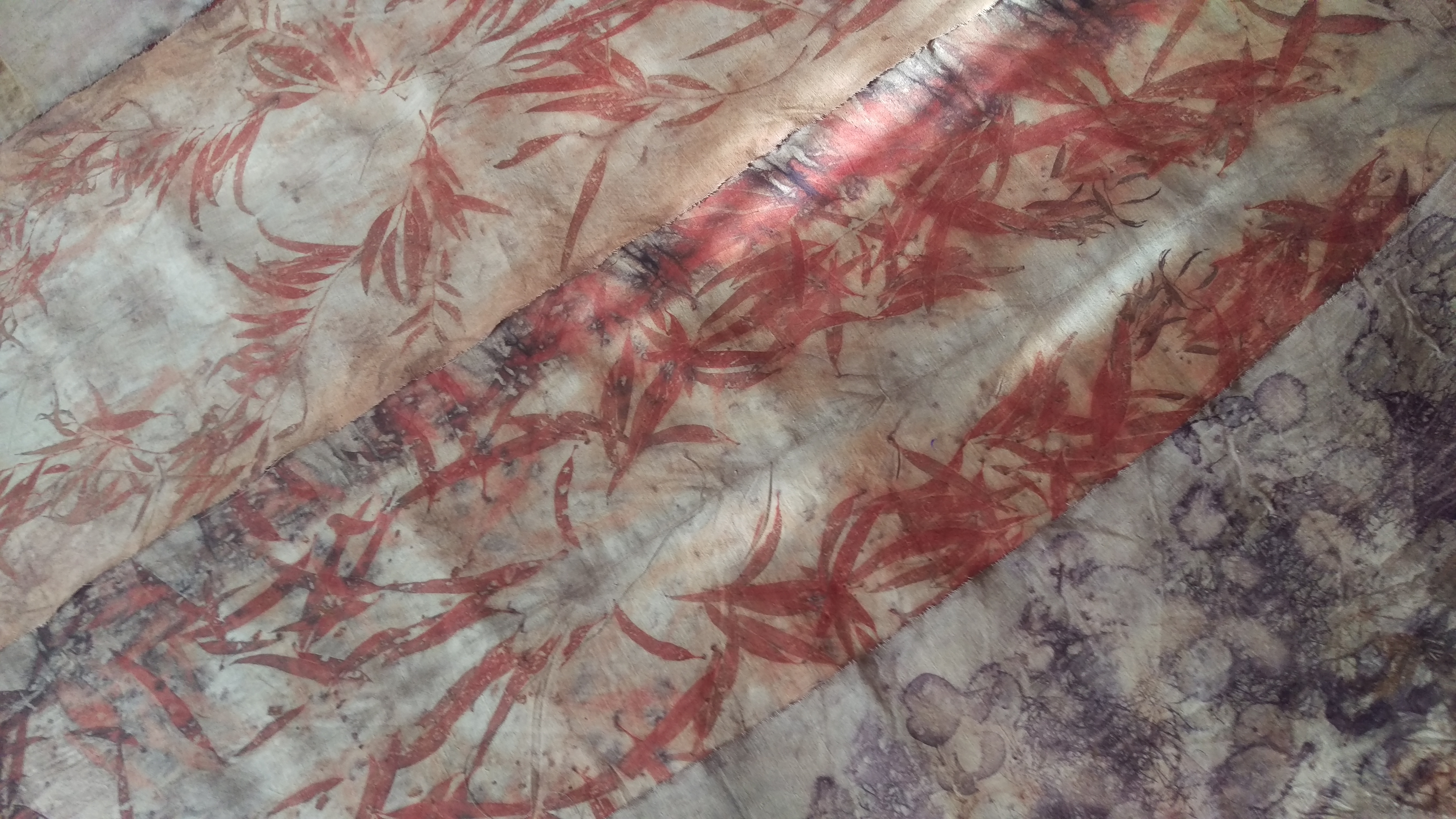
It went into the dyepot one week, but since the dye pot is only so big, I tore it into strips and dyed it that way, mostly with E Scoparia, but also with cotinus (smokebush) leaves and flowering heads picked when they poked out through a fence near our food co-op.  I really could not believe the purple from the cotinus and I am not sure why it happened.  Needless to say, I will try that again and see if it repeats.  I did also try woad leaves but that was less spectacular.  Pinky but not very leaf printy.

2015-11-30 18.00.59

Some time last year I had a sudden whim to turn it into Merchant and Mills Top #64 and pieced parts together to make that happen, and cut it out.  Then after a while it was rolled up.  Then it was parked for some months.  Just recently I did some cleaning up and thought maybe I should finish some things. I just sewed a seam or two a day in a busy time.

2016-03-01 17.34.31

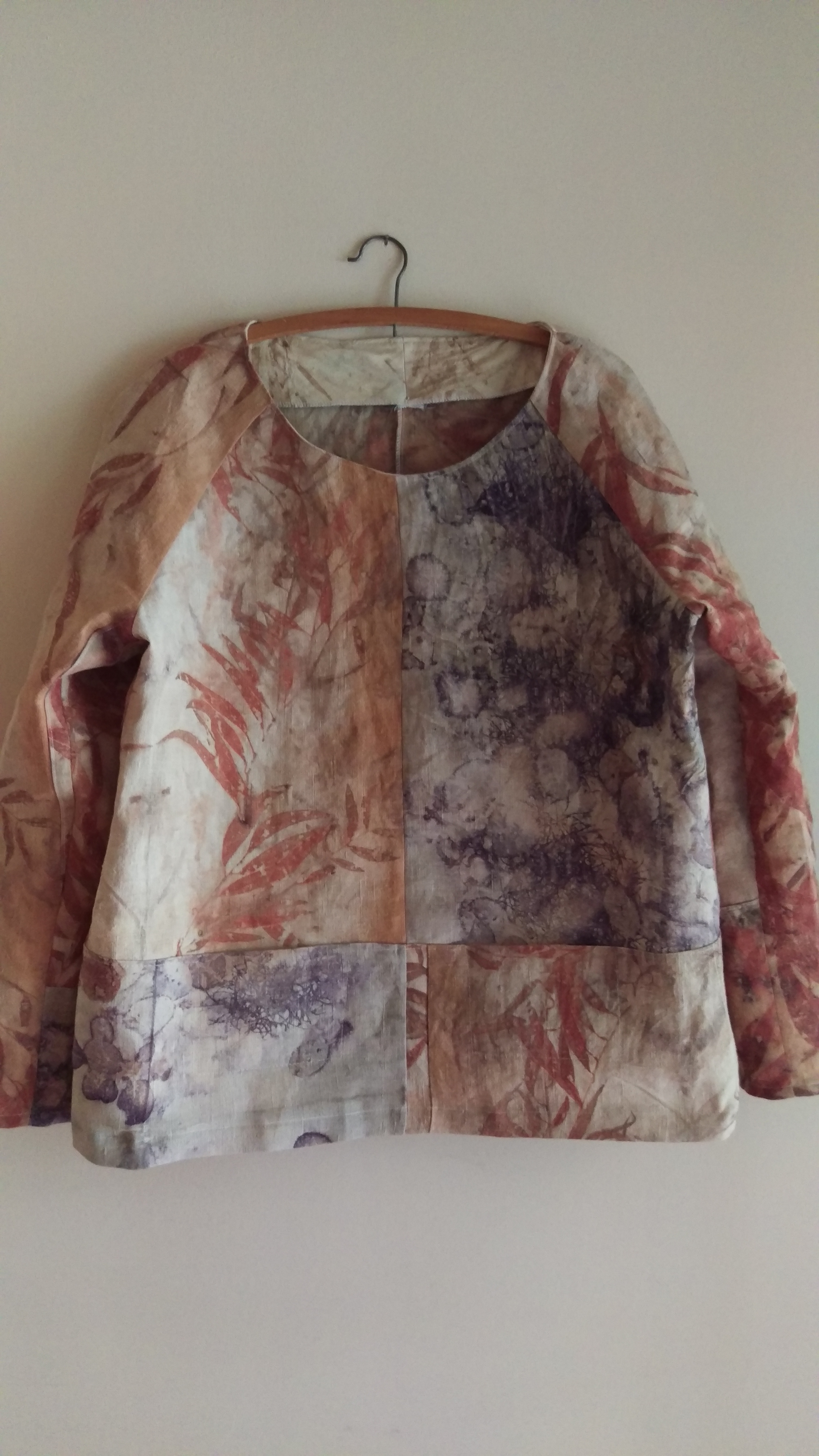
Since so many readers here were interested in my recent discussion of interfacing, here’s what happened this time.  I cut the neck facing out of a piece of leaf printed calico.  I actually cut it back out of a piece of patchwork, also unfinished.

2016-03-07 22.05.44

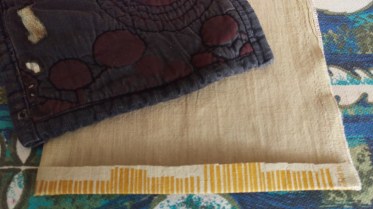
The interfacing fabric is a piece of a much loved kimono that has passed beyond the mending interest of my mother-out-law. You can see it layered under the facing here after stitching teh layers together but before finishing the edge.

2016-03-10 10.13.15

I think my mother-out-law is rather enjoying being able to send me her raggedy, beloved things as they get past the point of original use and getting stories of their conversion into all manner of other things.  I stitched the two pieces of fabric together and overlocked (serged) the outer edge.  Here it is pinned on and ready to stitch.

2016-03-10 13.17.32

And finally…

2016-03-14 15.27.03

Here is the back view:

2016-03-14 15.27.40

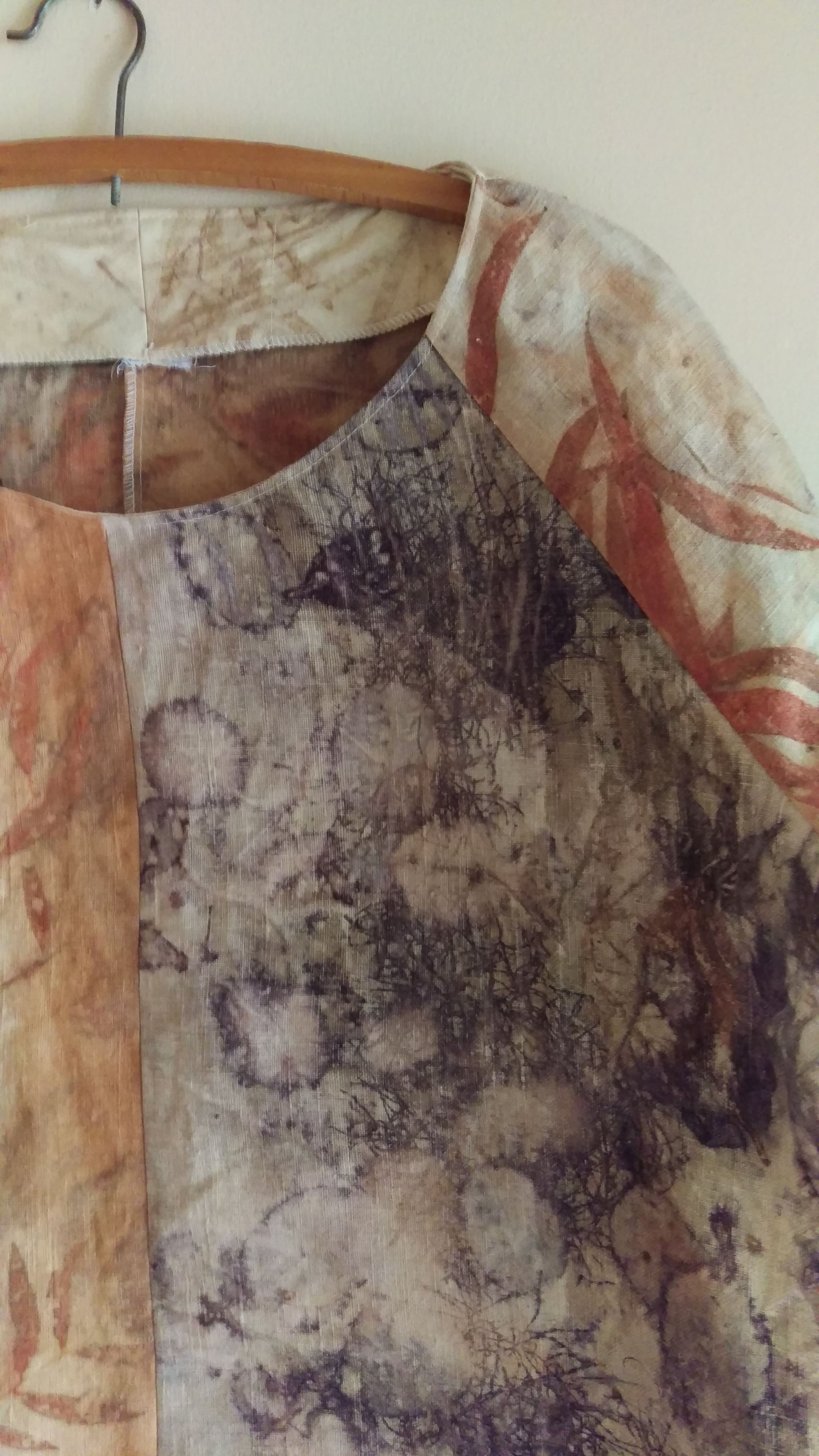
And some closer views…

2016-03-14 15.27.12

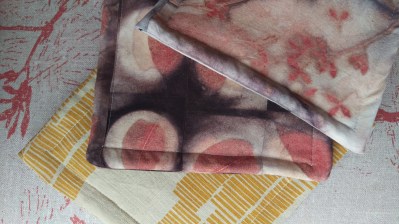
It is rather stiff at present, after its preparatory baths in soy milk mordant.  But that will change with more washing.

2016-03-14 15.27.50

All the little bits and pieces were, needless to say, so interesting to me that I patched them together months before I sewed the garment!

2015-12-13 15.20.52

8 Comments

Filed under Leaf prints, Natural dyeing, Neighbourhood pleasures, Sewing

Transformations: Towel to pot holders

There was just a strip of towel left from my previous effort in towel transformations.  One day I was looking at our very sad pot holders (we call them pot grabbers here!) and it occurred to me that we could have some new ones. Pretty soon I had two layers cobbled together from my towel ends.

2016-02-25 09.44.41

The old ones were made the same way and in the end I washed them and re-covered them. This one obviously had a moment in the flame, and a hard life!

2016-02-25 09.46.40

The first one got a new cover stitched by machine and hand finished with some embroidery thread that was a really good match!

2016-02-25 11.12.23

Done!

2016-02-25 17.58.17

The next one got a new cover with E Cinerea prints. You can see what an improvement it would be…

2016-02-25 18.12.12

Then finally, in a week focused on finishing things… and after my beloved asked if we would ever get them back…. I covered the final pot grabber.

2016-03-14 15.10.54

I know it’s traditional to have a loop or a ring on a pot holder’s corner.  Last time I sewed on curtain rings.  This time I have faced the reality.  We are slatterns who just throw the pot grabbers into the cupboard with the saucepans.  We have no hook for them and clearly we’re not bothered by its absence.  So here they are, done at last!

2016-03-14 15.10.37


8 Comments

Filed under Natural dyeing

Transformation: Table cloth to shirt

2015-12-21 13.15.50

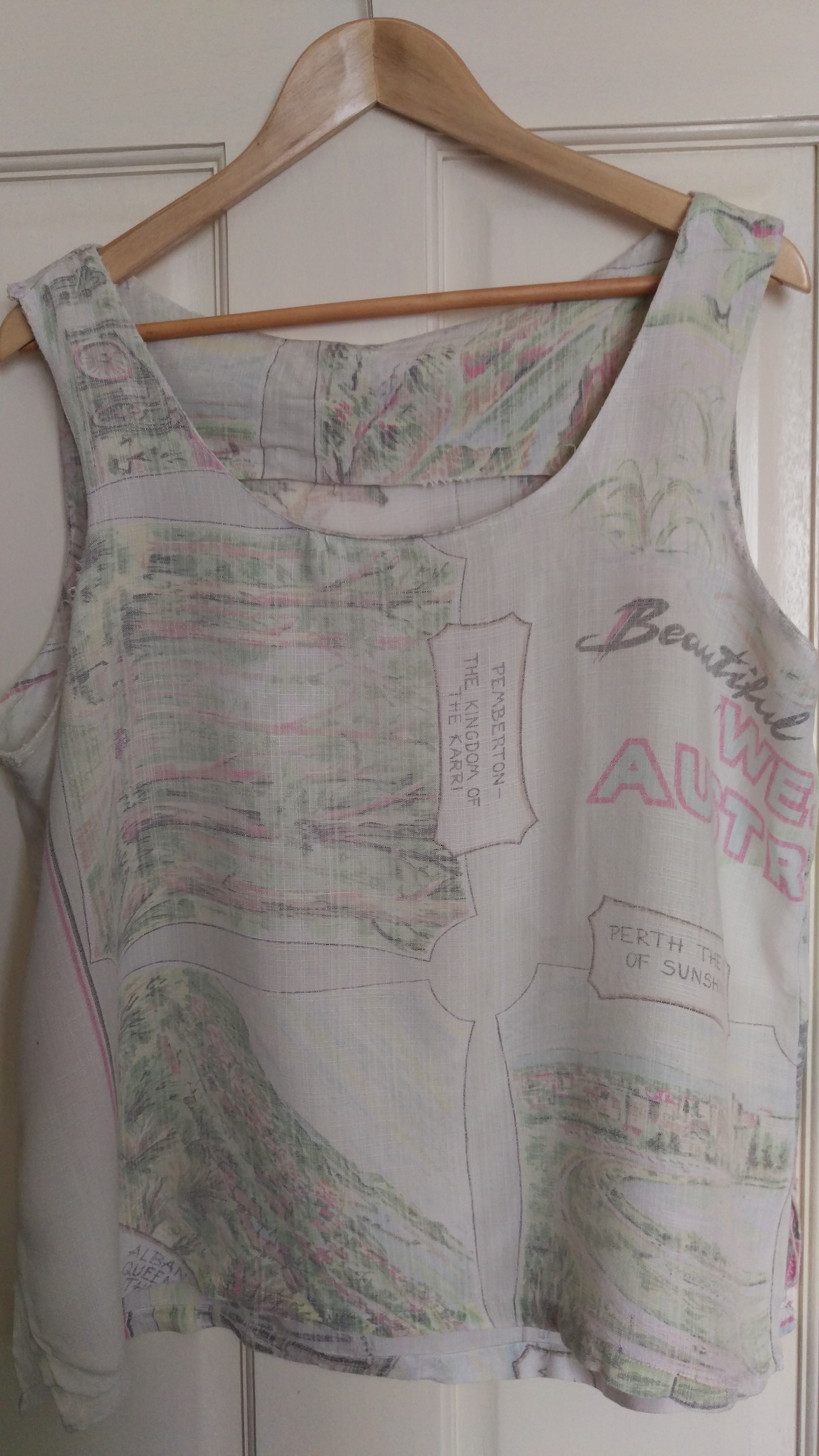
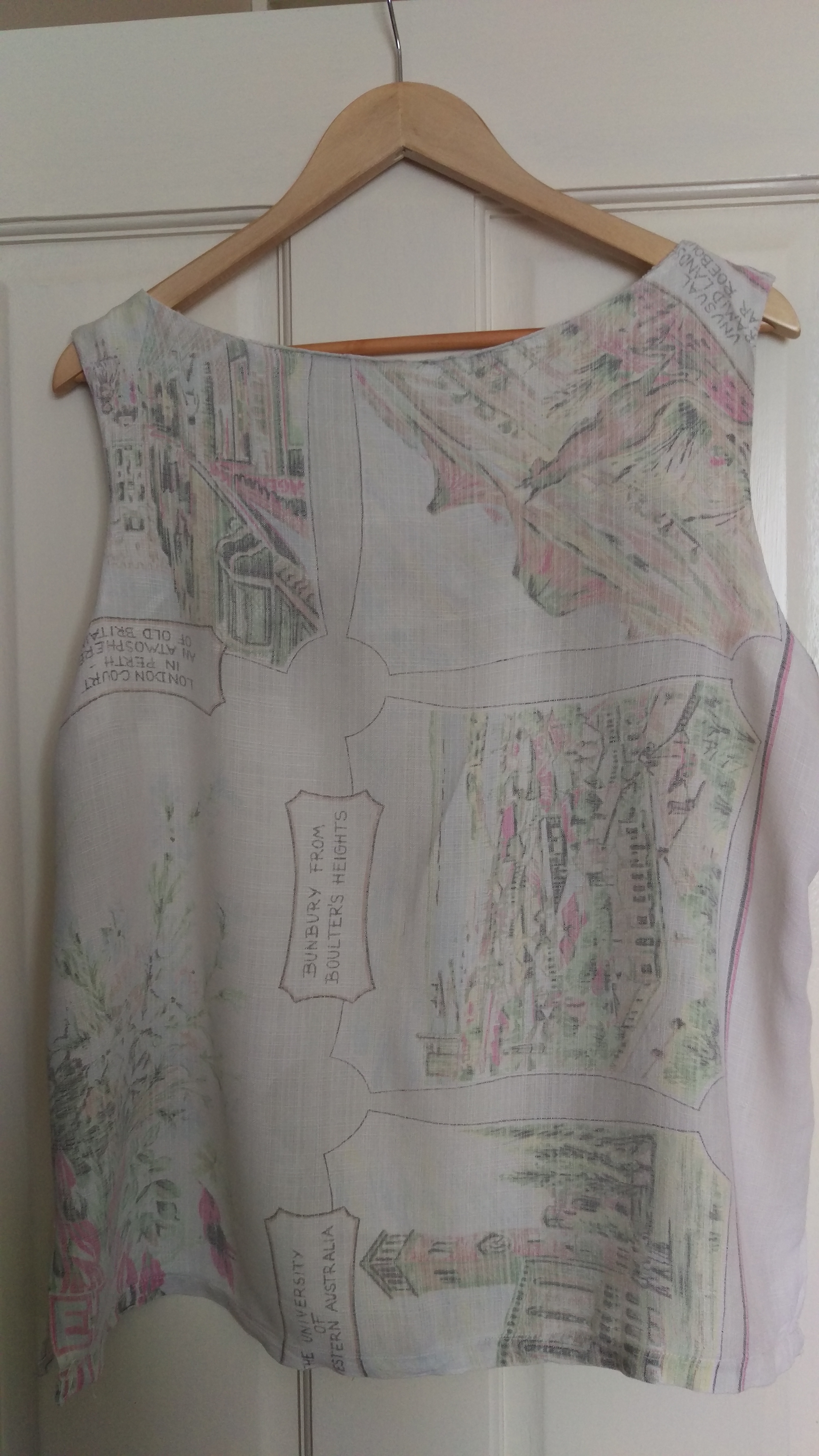
I have a thing about tablecloths.  Linen tablecloths, especially. I have turned them into shirts for years.  My favourite was a shirt made from two cloths in the same design (jugs and glasses with lemon slices) in two different sizes and colours.  I loved it so much I wore it into shreds.  Right now I have a plain white shirt made from a damask tablecloth with a chrysanthemum design on it, and a sleeveless shirt (tank?) made from a ‘Beautiful Western Australia’ tablecloth which is so well worn and washed now that it is disintegrating and it is getting harder to figure out what the landmarks and floral emblems on it are (and the pictures are really tough to work out).

2015-12-21 13.16.06

Just the same, this is the top I want to wear when it is reeeally hot.  And it had been 44C here at the time of writing.  This time I chose a linen tablecloth from the stash (with just a few holes!) and settled on worn out cotton kimono interfacing.

2015-12-18 15.50.58

I have never loved interfacing, and now that I have worked my way down through the stuff I have inherited making bags, I have very little left.  I’m waiting to see if I can resist buying it and use natural fibres instead, which must have been what people did in the past, where they interfaced at all.  This is a low drama experiment.

2015-12-21 13.19.52

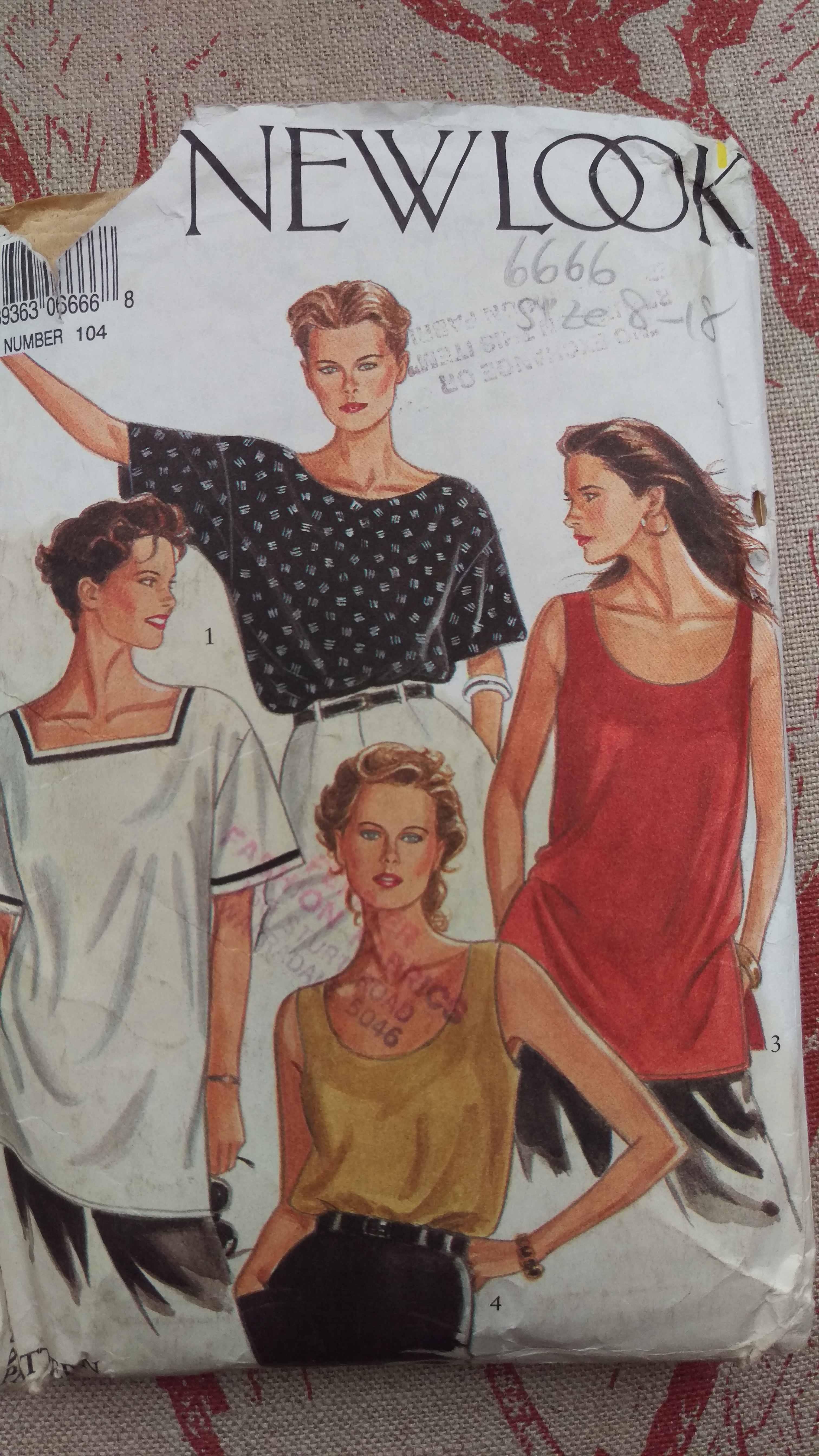
I like it!  This is New Look 6666, no doubt long discontinued.  Now I have checked the envelope, I see the shop it was purchased from closed years ago, and there is a good chance that I bought it second hand in any case.

2015-12-21 13.27.37

It’s simple to sew and has a nicely faced finish that makes it very comfortable.  I have adjusted it slightly to make the neckline less wide.  So, hopefully, here is my new very hot day favourite shirt.

2015-12-21 13.20.03


34 Comments

Filed under Sewing