Category Archives: Natural dyeing

Leafy bundles

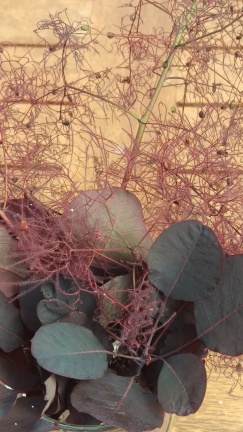
First there was a walk home from a distant railway station.  Cotinus (smoke bush) growing through a fence….

2016-11-04-15-35-34

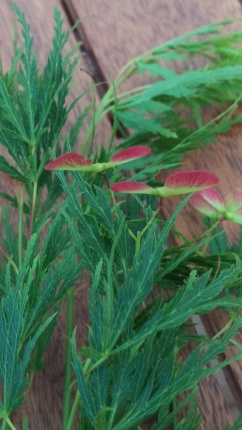
Then there was a walk home from a bus stop on a major road further from home than the one I usually use.  And the amazing discovery of a HUGE maple with finely ferny leaves.  Hanging over a high fence.

2016-11-04-15-35-17

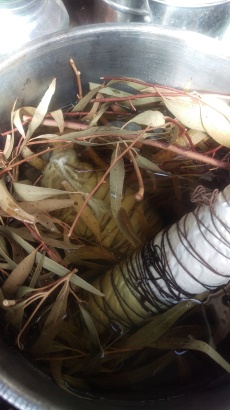
Well. It was only a matter of time… a recycled linen shirt and a wool scarf…2016-11-04-15-43-06

A couple of bundles…

2016-11-04-16-05-54

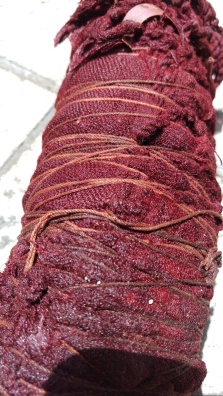
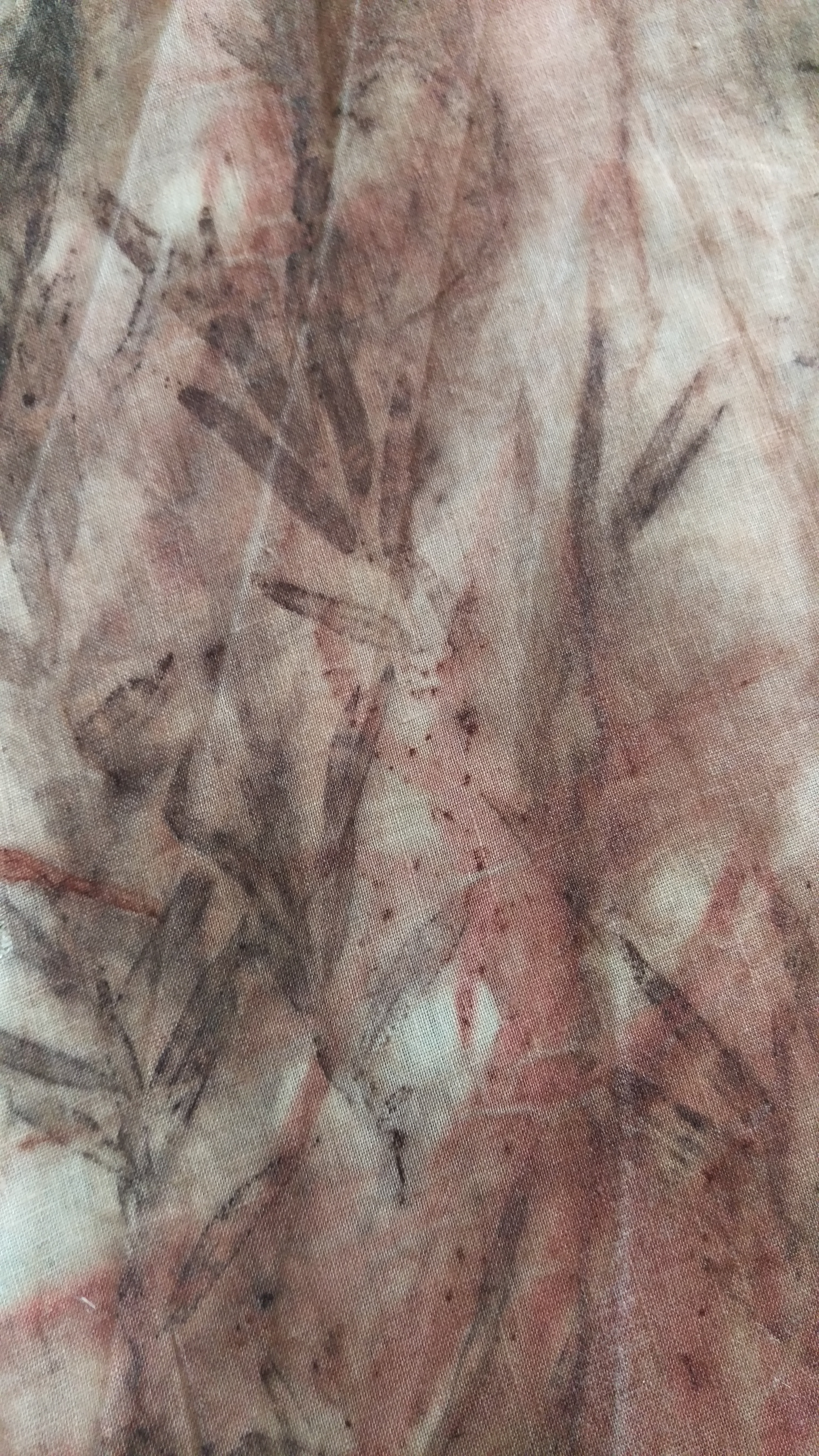
I love the transformation!

2016-11-05-12-44-20

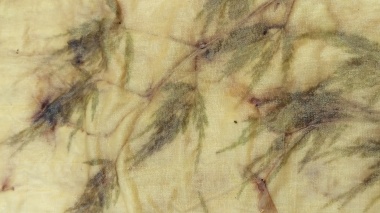
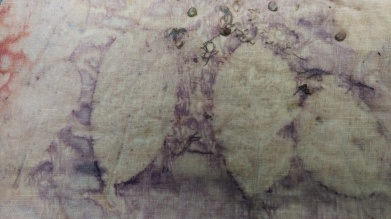
Some of the maple leaves came out pale. 2016-11-05-12-54-27

Those closest to the iron at the centre of the bundle…

2016-11-05-12-54-18

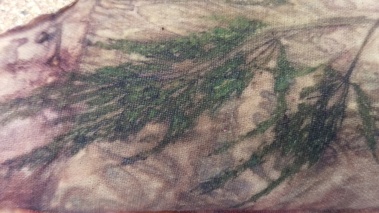
Perhaps I chose the wrong side of the cotinus as the one likely to give colour, because…

imag2906

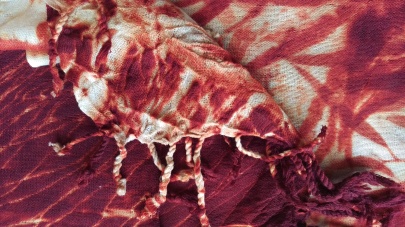
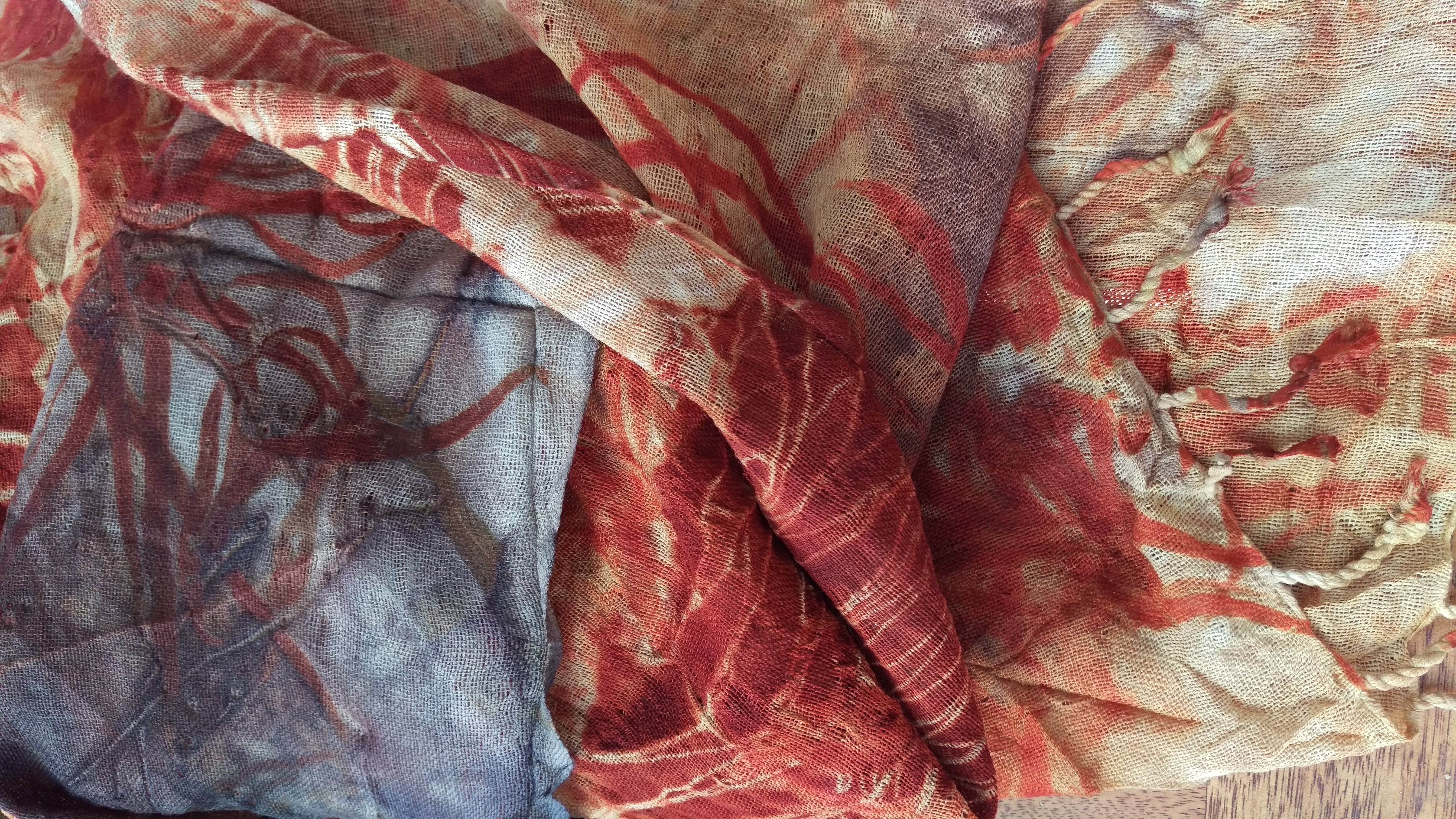
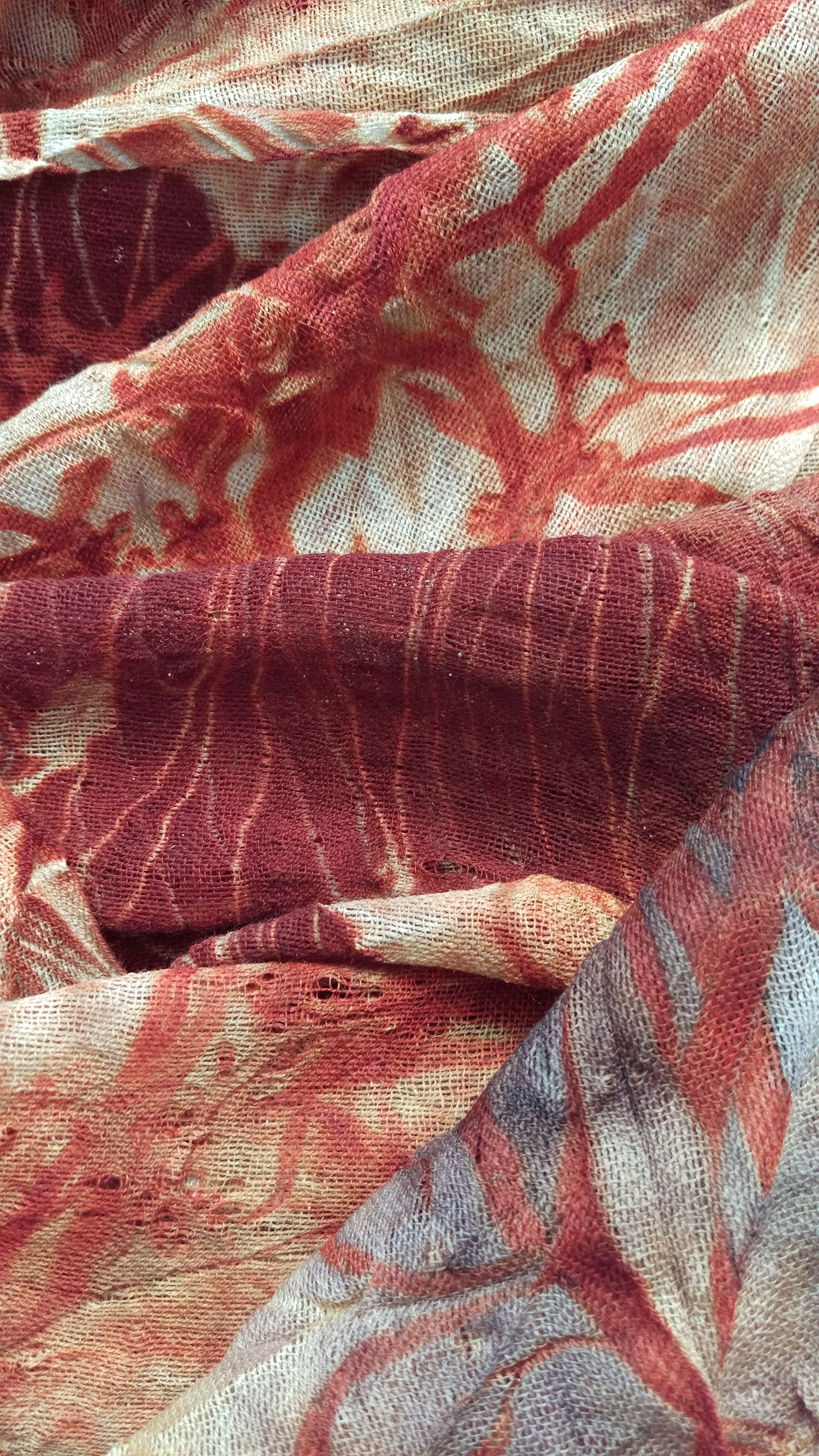
And the scarf, mmmm!

2016-11-08-11-00-26

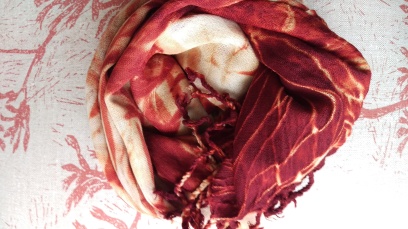
This one is destined to become a birthday gift.

2016-11-08-10-59-28

12 Comments

Filed under Eucalypts, Leaf prints, Natural dyeing

A little dyeing

2016-09-18-14-18-47

The winter seemed to go slowly to me.  I was sick a lot and had weeks of weariness that meant I wasn’t able to put my itchy fingers to use the way I’d like to. So one particular week of wind and spring rain, I decided on a very small project.  The cotton bag a purchase from Beautiful Silks arrived in met the remains of some soy milk that was in the fridge at work for too long.  Then it joined a shirt front previously prepared for dyeing.

2016-09-18-14-20-31

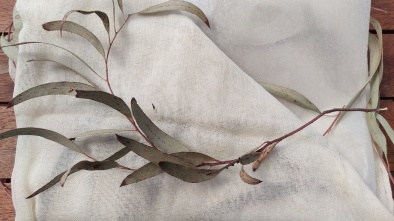
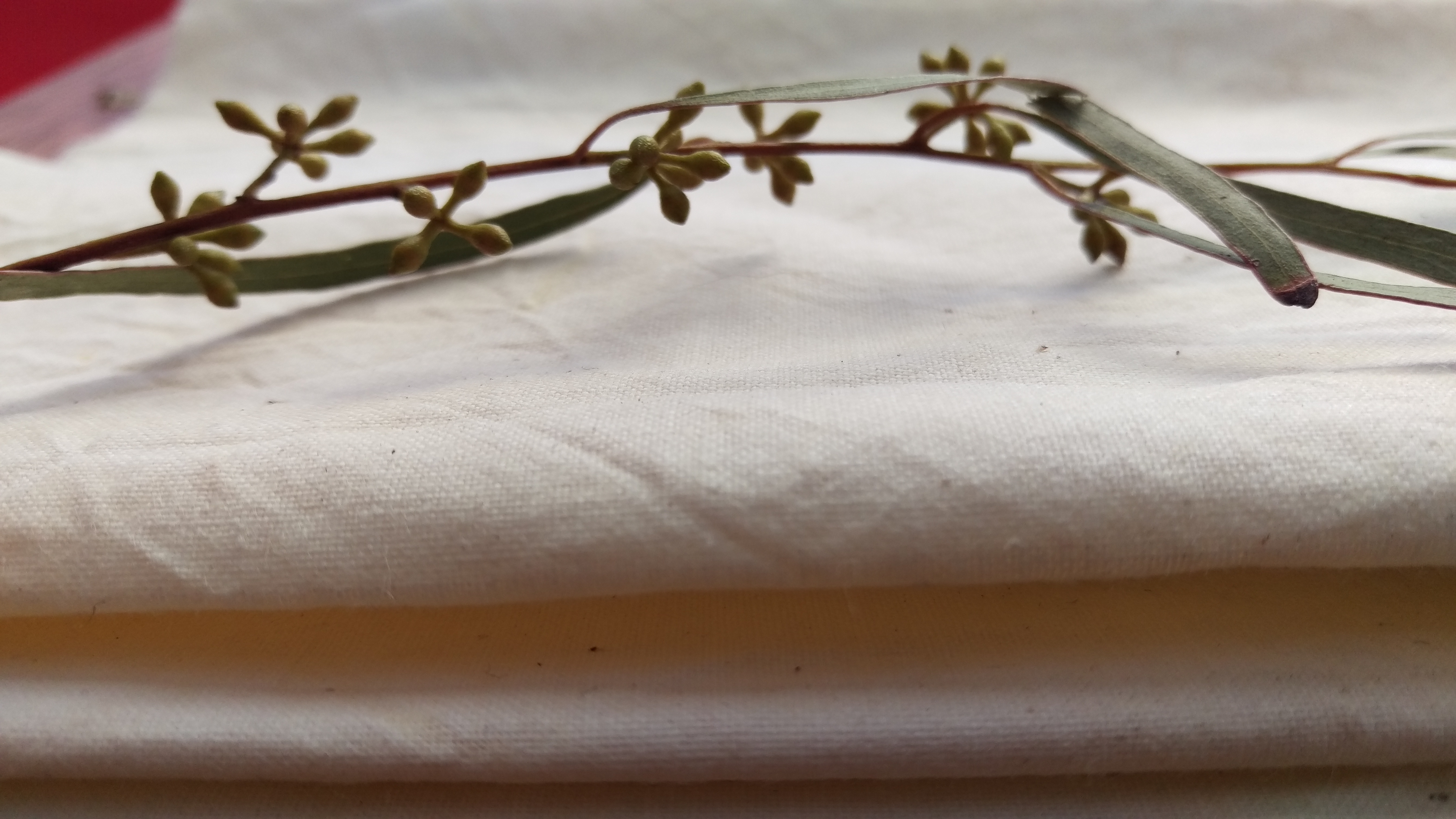
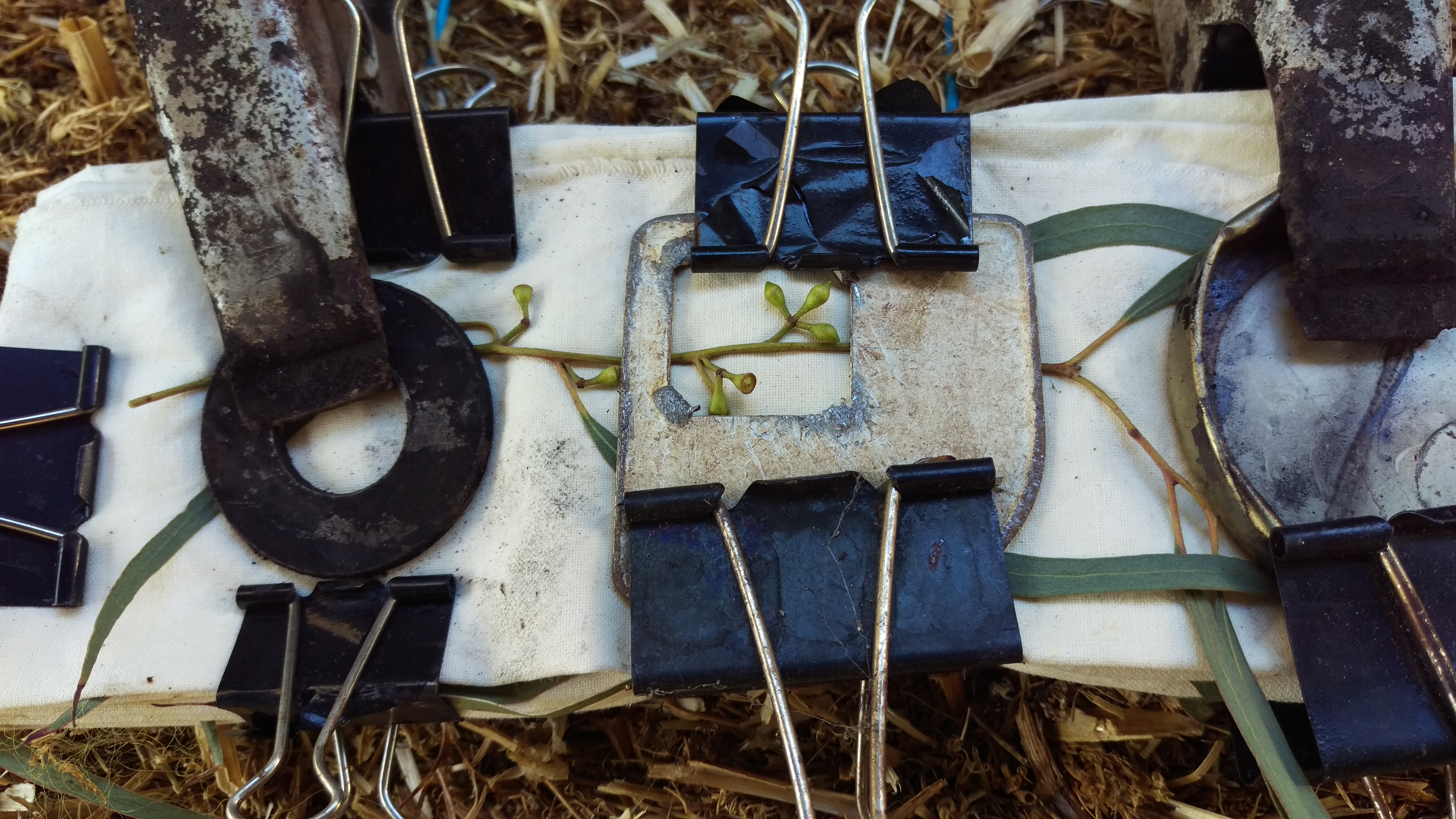
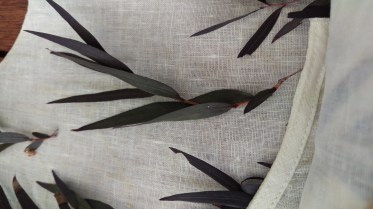
I’ve been trying to walk more, so windblown eucalyptus leaves and opportunistic scores of leaves were added to the mix, and pretty soon I had a bundle.

2016-09-18-14-23-41

I think the bag is much improved.  The way these prints turned out is so interesting–almost like an out-of-focus photograph.

2016-10-11-14-46-09

And the shirt front stands ready for its next incarnation.

2016-10-11-14-47-49

Finally,  since plastic troubles me more and more all the time, I took a leaf from Beautiful Silks‘ book and stitched parcels for these supplies, being returned to another city after use on national divestment (from fossil fuels) day rather than buying new plastic prepaid satchels.   And now to discover what the post office think about parcels that come stitched up in ancient flannelette sheet. [Update: the woman on the counter made a joke about me sending pillows through the post, asked how she was supposed to get stamps to stick to that, then answered her own question by saying that was her problem not mine]!

2016-10-11-13-56-13

12 Comments

Filed under Leaf prints, Natural dyeing

Uh oh… bags…

For those who have followed this blog for a while, this story will sound familiar.  Those who have started reading more recently (welcome!) may find my capacity to start with one bag and then somehow end up with dozens quite a few, a little puzzling,  Never mind.  I feel puzzled myself.  But this is how it unfolded this time.

2016-09-23-16-32-55

It always starts like this: I think I’ll make one bag.  Often it just seems like a piece of fabric is calling out to become a bag.  In this case, some plant dyed calico (Eucalyptus Cladocalyx bark vat with Eucalyptus Scoparia prints and some clamping…).  Then I think I’ll make another one.

2016-09-23-16-33-51

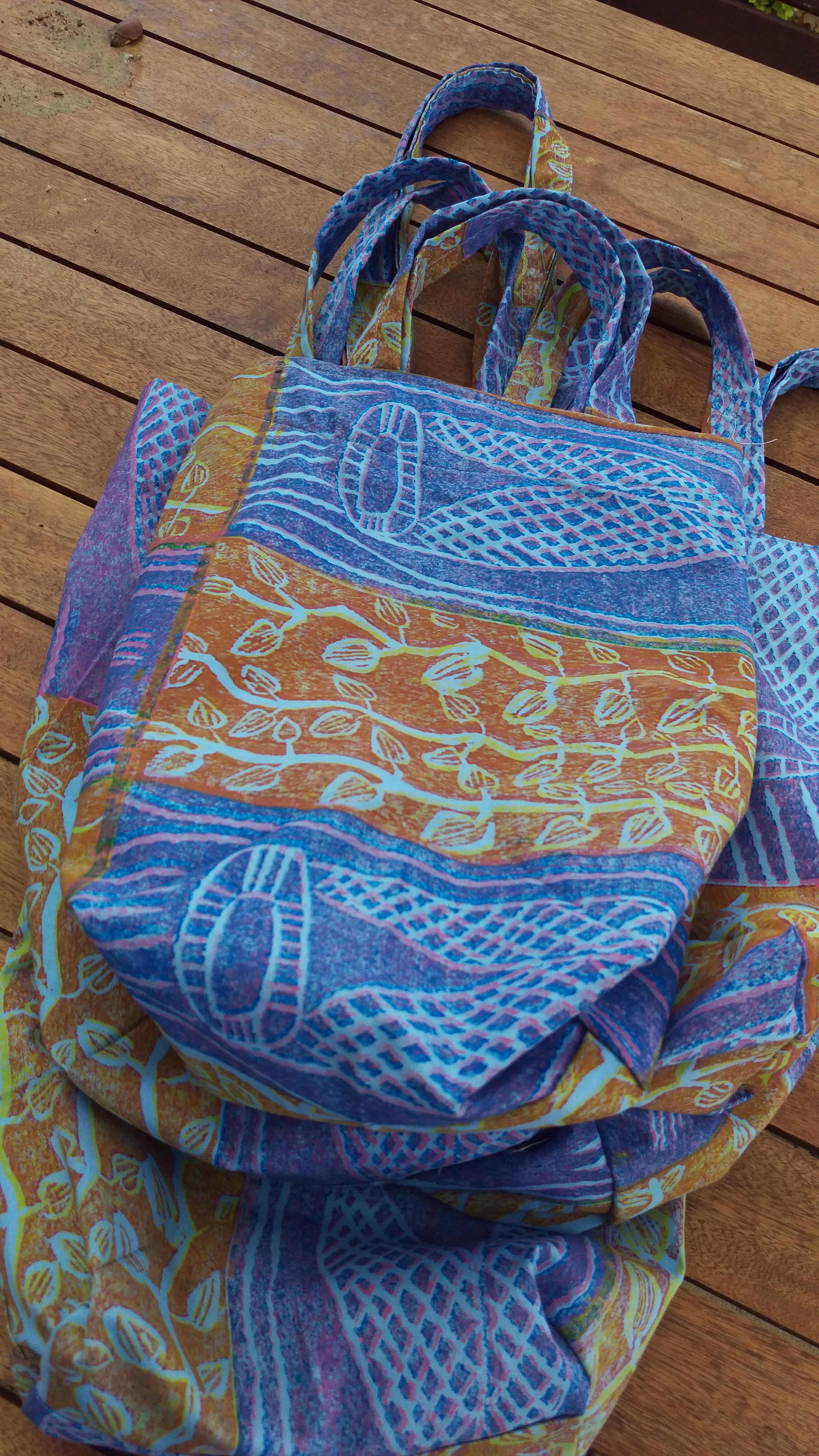
I believe I bought this hand printed fabric at a garage sale run by an artist.  To me, this design seems to have a vine and some Indigenous fish traps on it.

2016-09-23-16-33-57

Somehow once I have made one, it seems logical to make another.

2016-09-23-16-34-02

And another…

2016-09-23-16-34-10

Until I’ve used the whole piece of fabric and used most of a pair of jeans so worn out and tired they can no longer be mended and cannot be made into anything else, to interface bag openings and handles.

2016-09-23-16-34-21

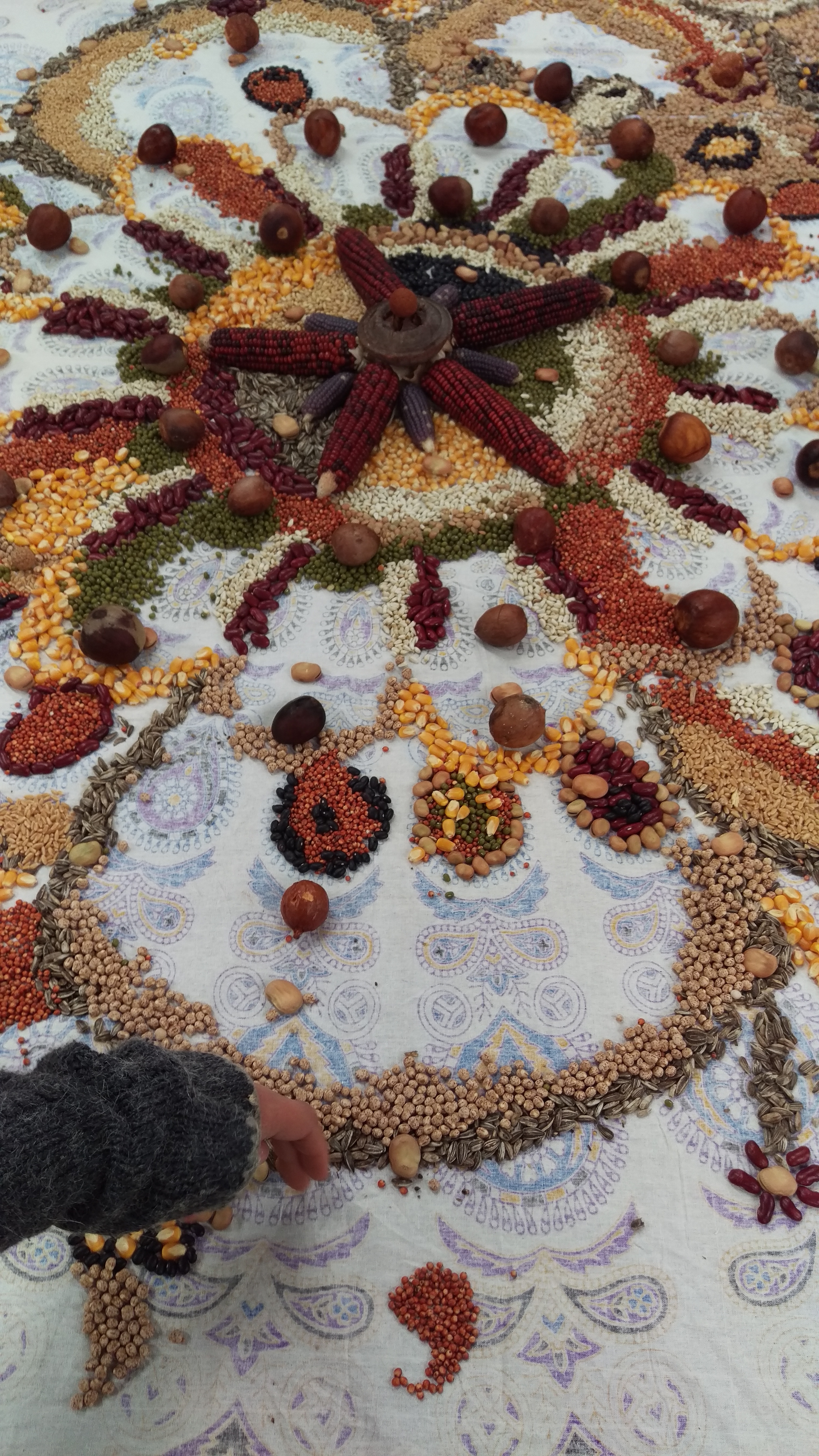
In the end I took the bags to the Seed Freedom festival along with bunches of parsley and other goodness from the garden and left them at the festival food swap (I picked up some grapefruit).  Here’s a seed mandala in progress at the festival…

2016-09-24-11-06-03

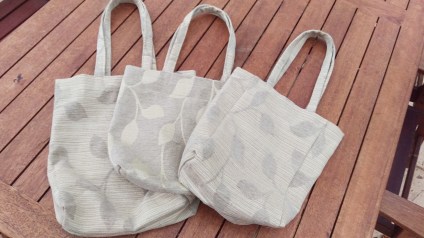
But… the bags did not end there! A curtain was transformed into four more bags (one got given away before I took a picture)… and now I had better sit on my hands for a while.

2016-10-02-18-33-21


6 Comments

Filed under Leaf prints, Natural dyeing, Sewing

With words and without words

2016-07-23 13.21.23

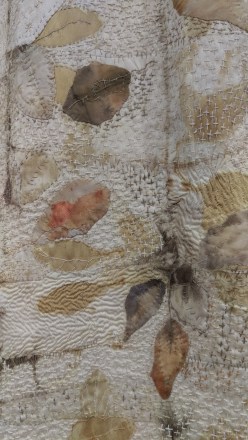
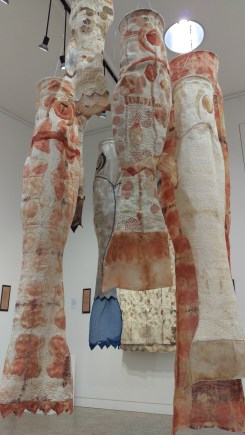
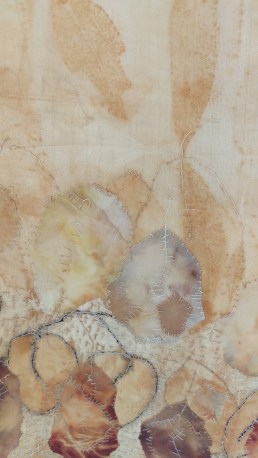
I regret to say that this is a report on an exhibition that has since closed.  The wonderful (and local-to-me) Isobel McGarry exhibited during winter at Gallery M in Marion.   Isobel is a dyer who uses eco-prints in her works.

2016-07-23 13.21.01

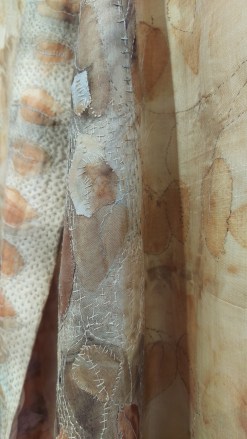
However, the thing that strikes me as really central to her work is her embroidery.  She uses an extraordinary number of tiny stitches.  She often embroiders on silk, and her work shows a fascination with Japanese textile traditions and culture.  I loved the combination of these gorgeous works with Japanese poetry.

2016-07-23 13.18.43

As always in these techniques, the splendour of lovely details is part of the pleasure.

2016-07-23 13.25.31

Every little detail has been attended to and embellished.

2016-07-23 13.25.49

Isobel’s longing for peace seems to me to be accompanied by meditations on all that war has caused us to lose… and so the themes of fallen leaves and of the crucifix evident in so many cemeteries in this part of the world are persistent.

2016-07-23 13.26.15

A small posse of us who are admirers of Isobel’s work were privileged to go and admire the exhibit together one winter’s weekend, and it was good to spend time appreciating all that detail.

2016-07-23 13.26.01

I am sorry that you can’t go and see this lovely exhibit… but here is our departing view…

2016-07-23 13.30.51

10 Comments

Filed under Natural dyeing, Sewing

Woad extraction

After my last, less than successful, adventure with woad, I considered the situation. I discovered thanks to the commenters on this little blog (thank you!) that my chickens enjoy woad leaves just like theirs do.  Then I finally figured out that some of my woad is in year 1 and in spring in spite of everything I have done/not done/failed to understand.   I decided to try Teresinha Roberts’ method of extracting the pigment from woad.  I figure this way, I know if I have any pigment before I go all out with complex methods of deoxygenating my woad vat.
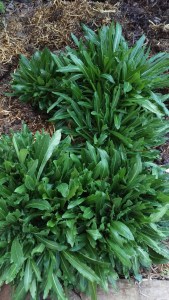
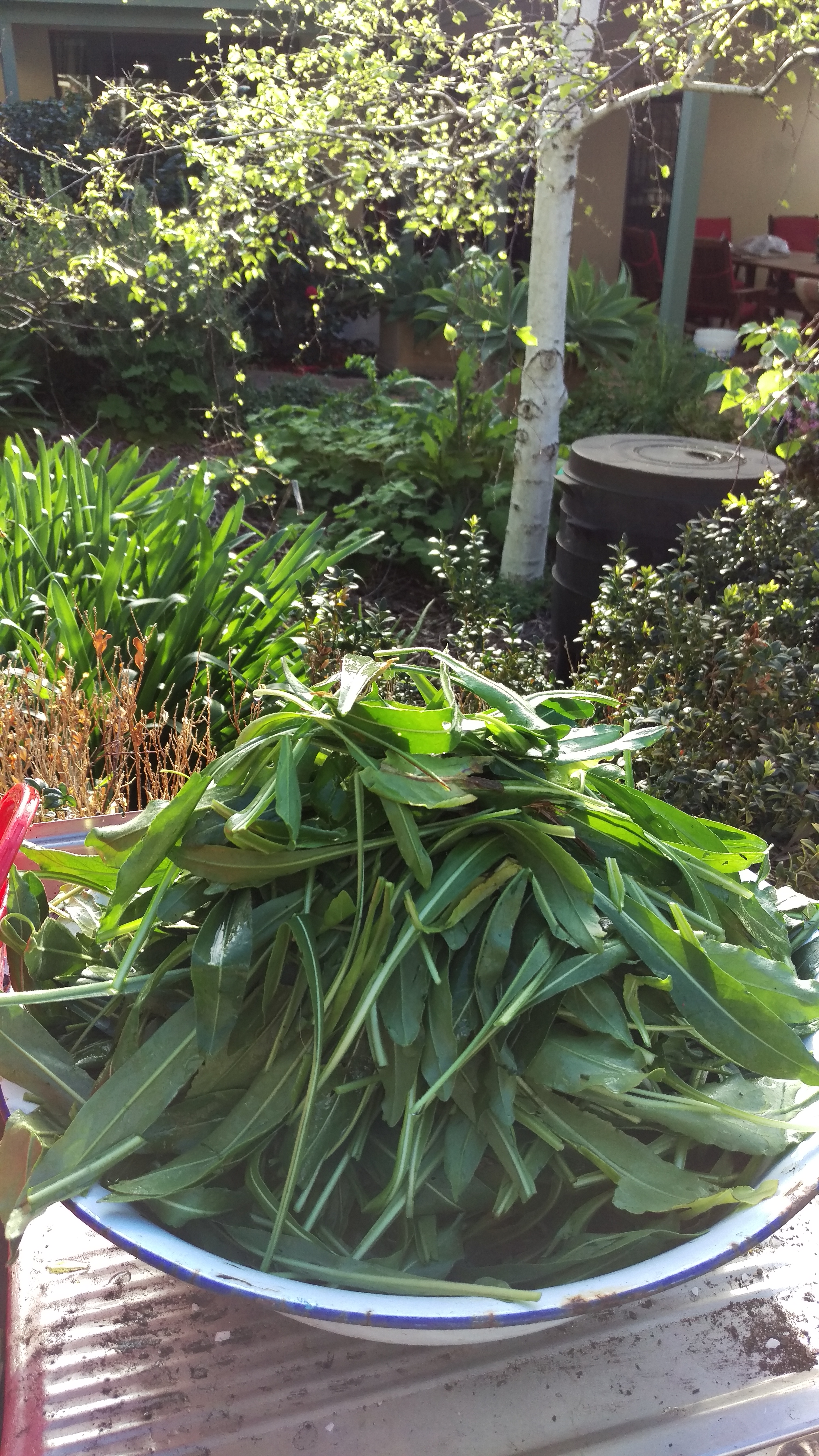
2016-09-24-16-10-50 2016-09-24-16-15-33 2016-09-24-16-18-07

So from left to right you have woad before haircut; woad after haircut, a (big) bucket full of woad, and…

2016-09-24-16-31-50

half that woad washed.

2016-09-24-16-58-42

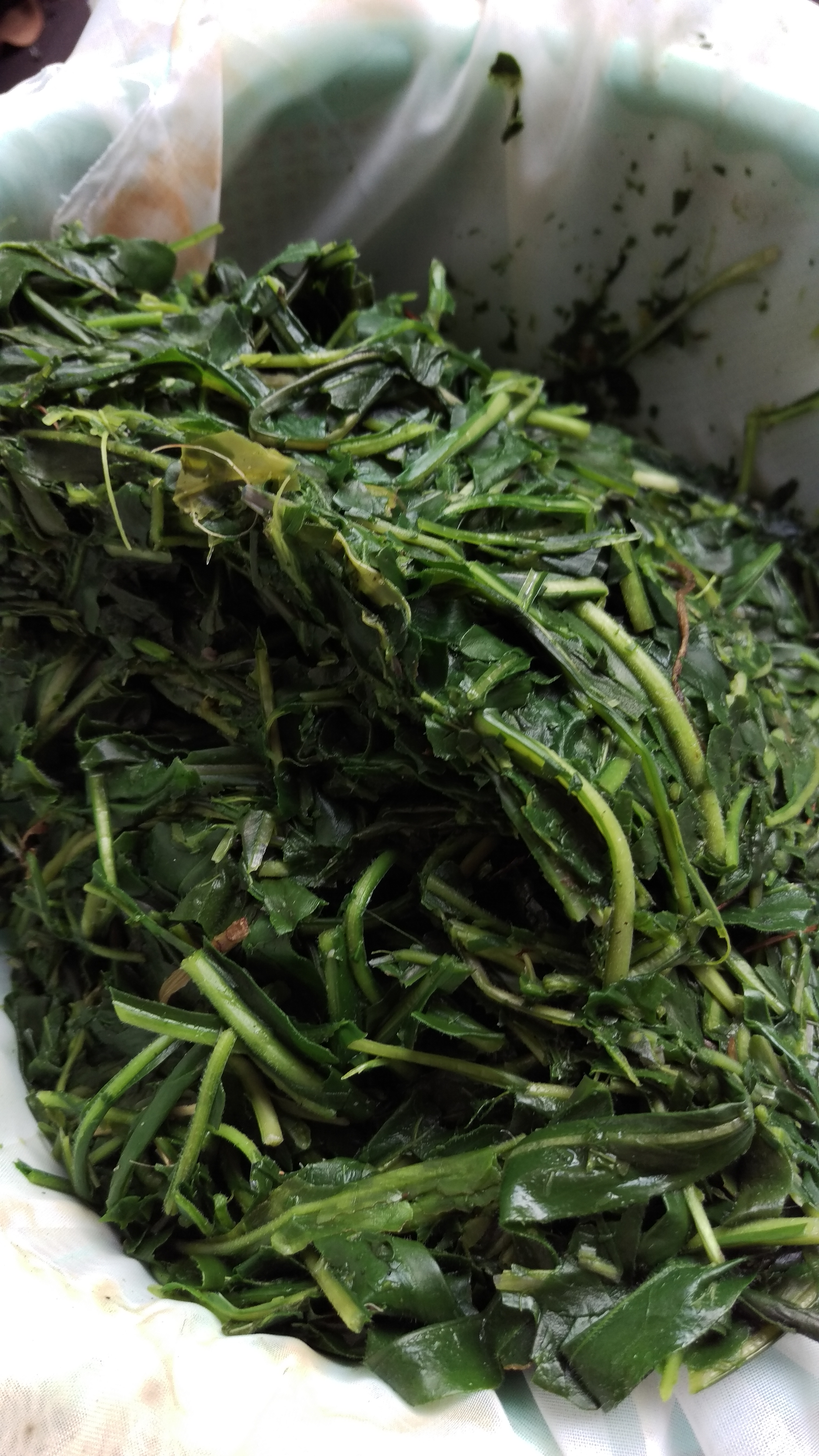
After that it gets less pretty.  Woad that has been added into hot water, now ready for the compost bin.  Since adding it to the compost I find not the appalling ‘pinky-tan’ I have been promised by some but some very nice pinks online.  Never mind.  Life is long and I can try all the things if I live long enough.  Goodness knows it seems that is my project!
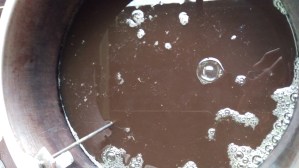
2016-09-24-17-08-38

Woad liquid after straining out leaves.

2016-09-24-17-42-32

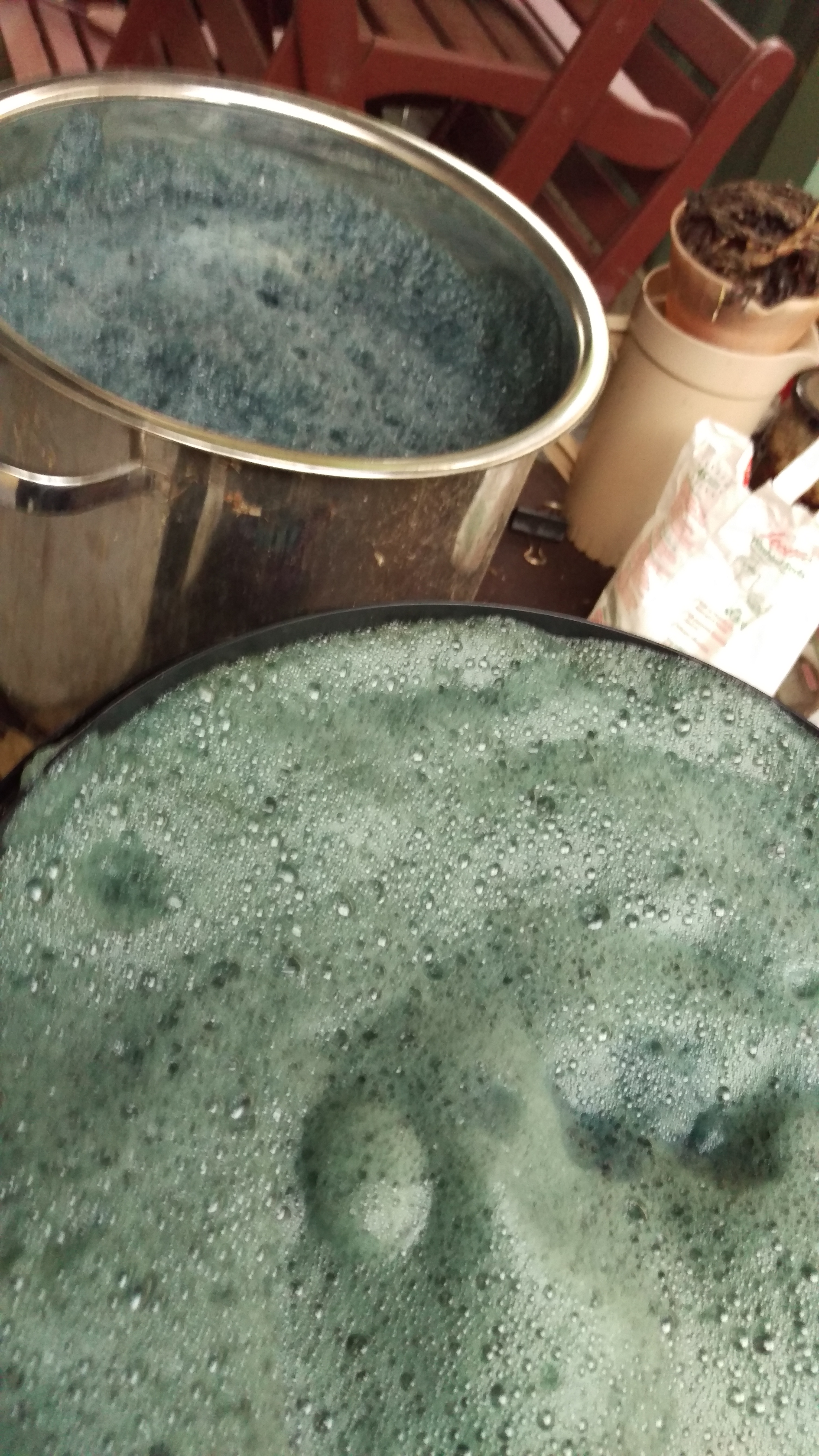
Wow!  Can that stuff make froth!!  I had acquired a stab mixer at the op shop last week and employed it until I feared for its health. Teresinha was pretty clear that you should use soda ash and not washing soda because it causes less froth.  I only had washing soda and slaked lime in the alkaline substances for indigo line of supplies and was not prepared to go out and find soda ash having given my last lot away to indigo dyers a the guild.  Next time, I might be more diligent!

2016-09-25-07-37-57

I gave it all night to let the foam subside, but there was still (very deep blue) foam next morning). Surely this is promising?  But why is the blueness floating, rather than sinking to the bottom of the liquid as in Teresinha’s pictures?  Have my washing soda crimes ruined everything?  (I know, I need my own soap opera).

2016-09-25-11-39-23

The first cut. Fingers crossed! This looks like blue to me.  But… Teresinha Roberts has the blue pigment settling to the bottom.  To me it looks like mine is all floating on the top, still.

2016-09-25-11-40-03

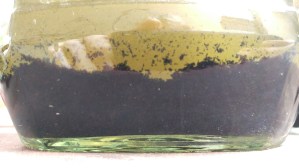
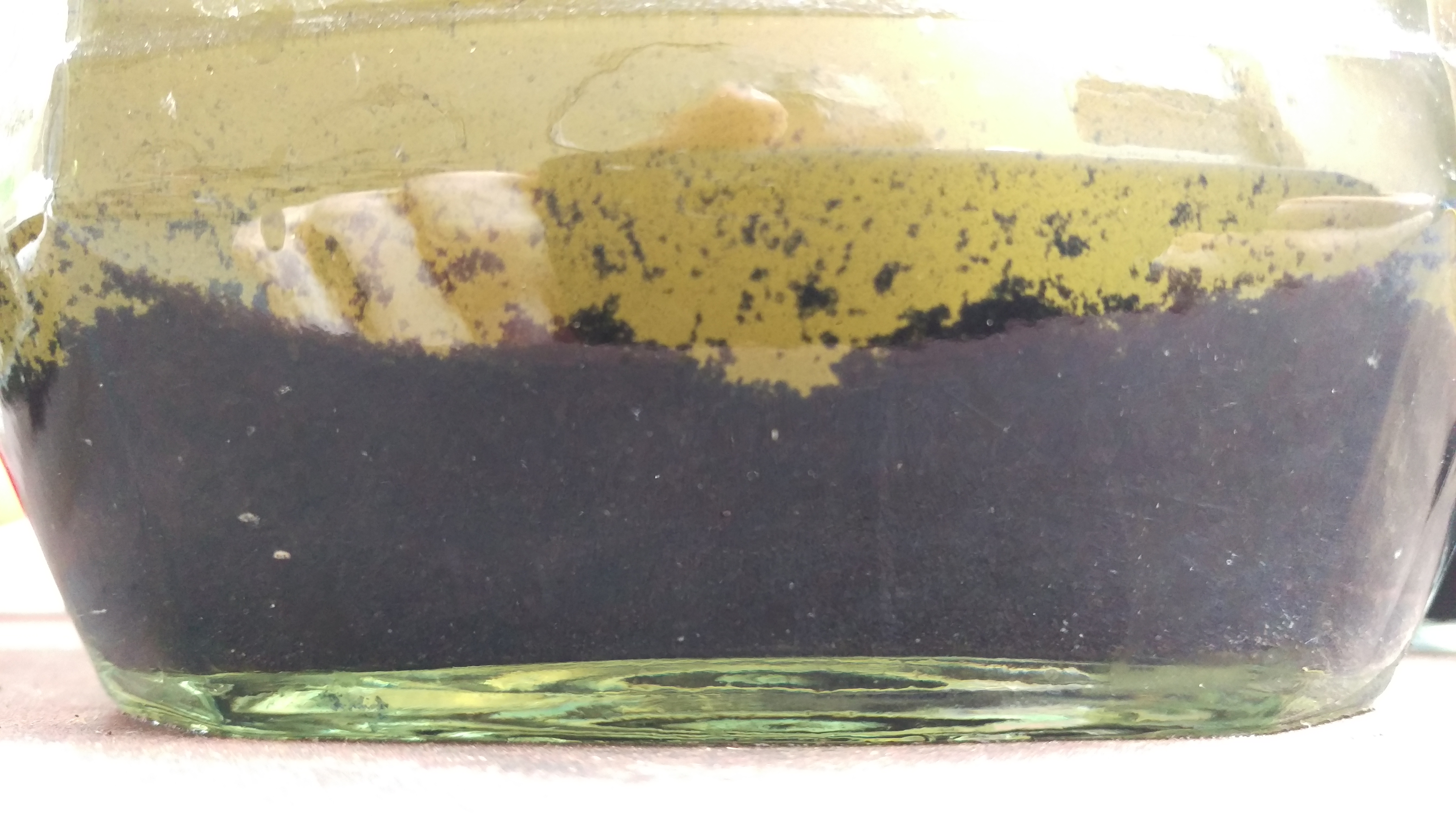
I thought time would sort it out but actually, two days later as I am trying to continue the process I still have this: the concentrating jar on the left and a jar of ‘discard’ woad solution on the right.  I say ‘discard’ as I am not throwing anything away just yet.

2016-09-26-13-42-07

And then… wonder of wonders!  I began to form an impression on day 3 that I might have some blueness.

2016-09-27-12-43-46

And closer up…

2016-09-27-12-45-15

Is it promising?  Is it??


10 Comments

Filed under Dye Plants, Natural dyeing

Eucalyptus dyeing

In not-so-recent dye baths, I included a wool scarf for a friend.

IMAG2094

I love the way it turned out.  I hope she will too.  I bundled up E Scoparia leaves and some windfalls from a tree I think might be E Nicholii.  It branches (what I mean is it that it has been brutally pruned) very high so these windfalls gave me leaves to try that I otherwise could never reach.

IMAG2093

Love the string resist marks…

IMAG2091

Then I returned to the E Cladocalyx bark I harvested weeks back which has been steeping.

IMAG2089

Calico mordanted in soy and lots of clamping was the choice of the day.

IMAG2090

The wet fabric next day (I know, patience is the dyer’s friend, but my friend was out for the day).

2016-07-18 11.25.28

I do especially love the buds!

2016-07-18 11.25.18

The overall effect… suggesting my fold-and-clamp technique may require more practice!

2016-07-18 11.25.36


5 Comments

Filed under Leaf prints, Natural dyeing

Woad in winter

2016-07-18 11.33.25

I realised a little late that I should have picked my woad earlier. But decided I had nothing to lose by picking it now.

2016-07-18 11.41.33

Then the chopping…

2016-07-18 13.42.25

Then the vat. How blue should the froth be, to be blue enough? These are the questions that plague my blue-dyeing!

2016-07-18 14.35.48

Eventually, I had a vat. The wool came out the same colour it was when it went in. The second vat had a lot more leaf to the same volume of water.

2016-07-18 16.52.14

I ended up with some blue-pale blue-bluish wool.

2016-07-23 14.46.19

And some silk thread that is more of a silver grey.  I swear it was blue after the second vat, but either subsequent re-dips stripped the colour back out, or it was fugitive.  Or I dreamed it. Well, they do say that woad doesn’t bear much indigotin, and harvesting in winter is not ideal.  But, am I allowed to be a bit disappointed anyway?

2016-07-23 14.46.40

12 Comments

Filed under Natural dyeing

Milky merino and eucalyptus turtleneck

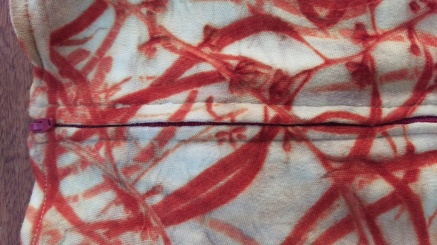
I was so excited by my recent winter wardrobe success, that I decided to go again.  So I made another turtleneck using the same pattern from milky merino.  This time, I made it longer than required. I’ve had serious shrinkage with this fabric–whether it was my carelessness or the fabric is yet to be clarified. I expect it was my carelessness… This time I used a red zipper from the stash, which looked pretty amazing on the undyed item, but apparently I took no photos. And either I followed the instructions on the pattern (just for something completely different), or perhaps it was luck, but zipper insertion went smoothly.

2016-07-22 12.17.27

Then I decided to sort out one of my spencers (long sleeved underwear for warmth). It shrank in dyeing as well as being perhaps a little short to begin with. It rides up, the reverse of what clothing worn for warmth should do.  So I added some serious length to it.  I love the dyeing on this garment–details here.  But it just wasn’t working for its intended purpose.

2016-07-22 12.18.10

I went out for a walk and then bundled up.

2016-07-23 12.17.51

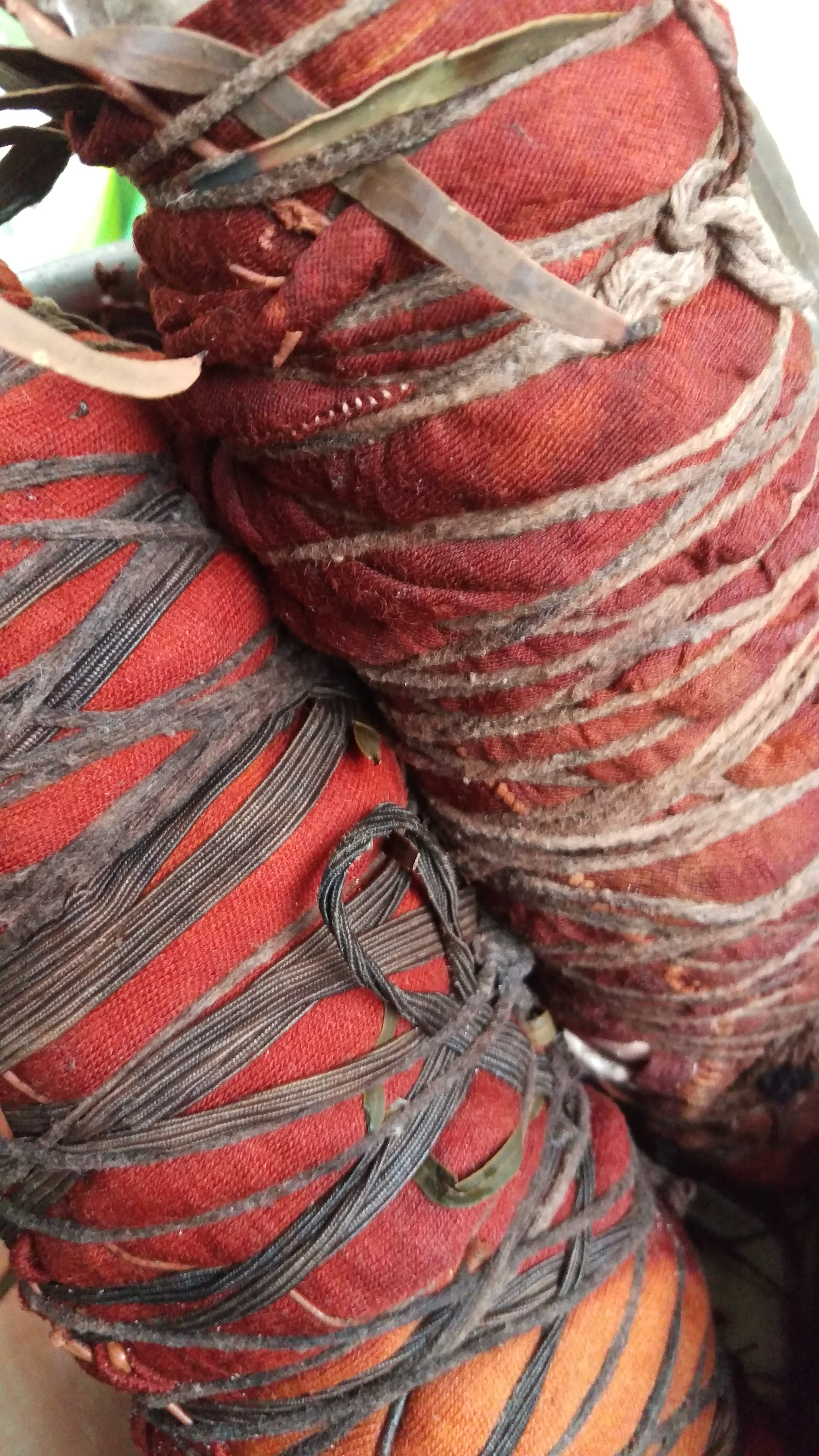
The bundles came out of the dye pot looking splendid.

2016-07-24 09.55.58

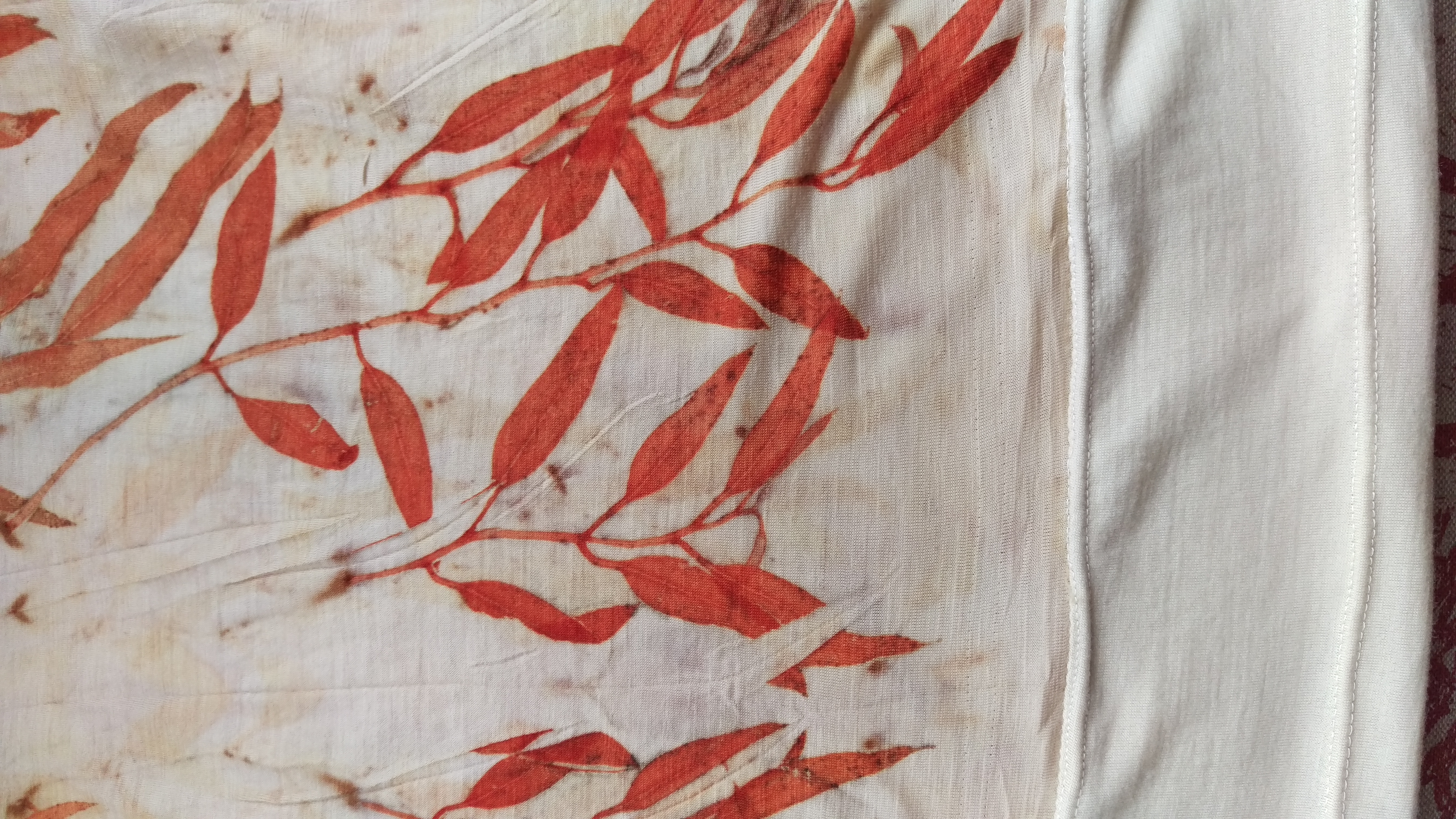
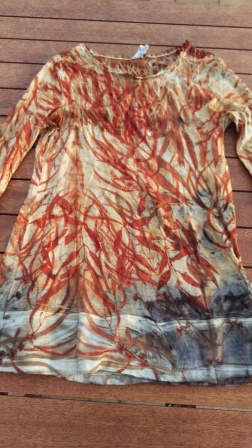
The spencer came out a very good length and is much more useable.  I did prefer the print before, but this one is pretty lovely too.

IMAG2222

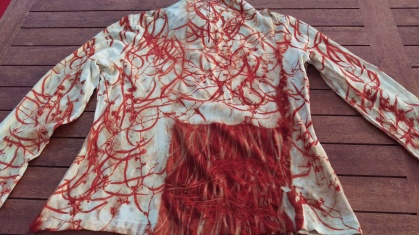
Here is the new turtleneck.  I like it!  If anything it is a little loose.

IMAG2215

The red zipper works fine.

IMAG2221

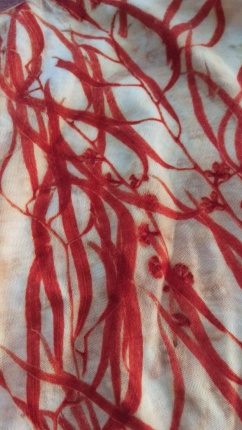
E Scoparia is in bud, which also works well.

IMAG2216

I tried a different folding strategy.  I love the colour and pattern, less sure about the location.  And now I am happily wearing my new top for the rest of the cold weather.

IMAG2218


16 Comments

Filed under Leaf prints, Natural dyeing

Madder: the growing and the dyeing

IMAG2100

I have been growing madder for some years now without having enough to use for dye. It had to be transplanted when we moved house.  Then, I heard so much about how invasive it can be, I planted it in a half wine barrel and it really hasn’t enjoyed this spot.  I think people who find it invasive must have more rainfall or better watering practices, or perhaps all of the above and better soil. Then, it is amazing how many critters want to eat it despite the leaves being the texture of rough sandpaper!  I decided to divide and transplant finally.

IMAG2101

Here is the crop. Not too bad, but really, not a huge mass of roots.

IMAG2102

My beloved put three new garden beds in that will get dependable summer watering and generously agreed to one of them being a dye bed. When I had divided one of the rhubarb plants, re planted the resulting crowns and set out the new madder bed, I had a few roots left. I consulted my various manuals and washed the roots.

IMAG2104

Then, out with the dye blender (my parents scored this for me in their travels through second hand shops)!

IMAG2106

It went into the dye bath looking orange, but as I heated it, it became a deeper and deeper shade.

IMAG2110

At this stage, I put some silk embroidery thread in, in a zippered mesh pouch that has seen a lot of dye baths since it left the Body Shop and ended up empty in an op shop (and thence came home with me). This turned out not to be enough to keep out all the particles of madder!

IMAG2112

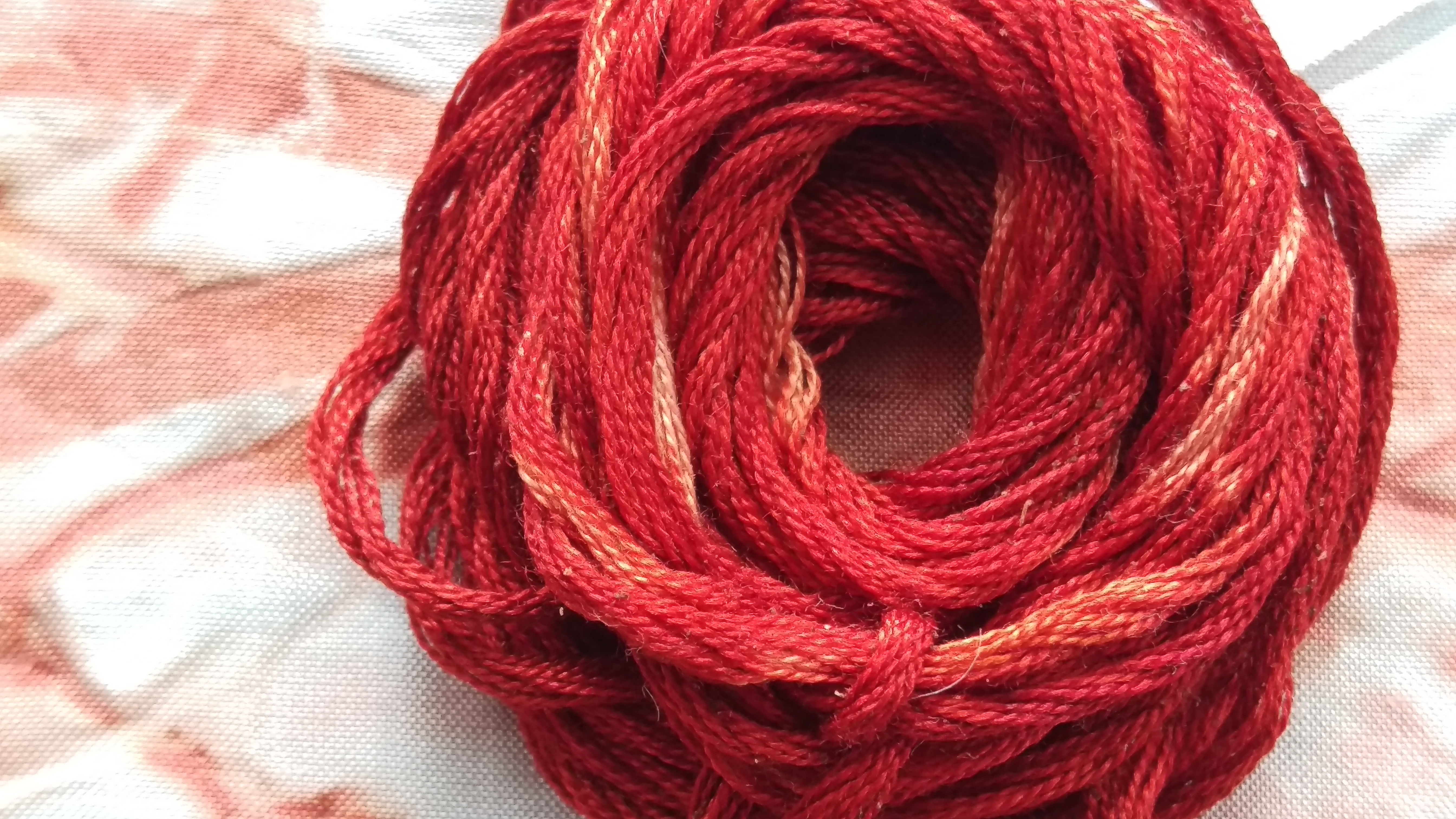
My goodness! I think this is the red I have been promised from madder!

2016-07-21 11.54.36

One skein dyed quite evenly and one streakily and both will be gorgeous in their own ways.

2016-07-21 11.59.04

After this point, I strained the dye bath through two layers of nylon next curtain, added mordanted grey fleece and got the kind of orange that madder often gives in an exhaust (to me, at any rate).  And now, I can’t wait to see if I can really get this madder thriving!  For other bloggers whose madder growing and dyeing is inspirational I suggest An Impartation of Colour and Jenny Dean and Deb McClintock (so many posts to read from Deb!).

2016-07-23 14.45.44


7 Comments

Filed under Dye Plants, Natural dyeing

Hand spun, naturally dyed, hand knit and finished

I have finally finished the colourwork jumper.

2016-07-21 12.48.34

The design includes beets from Kate Davies‘ Beet Heid tam. It’s a variation on her Neep Heid pattern.  I love her designs, though to be honest I can’t picture myself personally wearing many of them (which is just not the same question).  And, I tend to knit simple. I am a long time reader of her blog: she is a lovely writer too.  But this application of her design is all my own strange idea, with the jumper knit–or at least I tried to knit–to measurements from one of the recipient’s hoodies. I see on Ravelry that one person has been moved to knit a neep cardigan, and there are a massive number of tams too, neep-, beet-, acorn- and radish-heids among them.

2016-07-21 12.49.27

I’ve knit this jumper for my fairy goddess son, who is a true admirer of gardening, vegetables in general and beetroots very much included. Those who are curious about the dyeing can find a bit of a summary here.

2016-07-21 12.47.00

He is a lover of colours too, and when asked his favourite colour in my hearing at any time, has responded ‘the rainbow!’ with a huge grin.  I knit this jumper from the fleece of a sheep called Viola and all these colours are from plants with the exception of the deep beet colour and the pink, from cochineal. I admit this rainbow is not exactly classic in colour and the woad colours are very pale in the zone of blue and indigo!

2016-07-21 12.48.25

I loved having so many colours to play with but took advice from one of my knitting companions in Wellington and kept the neck and shoulders simple.

2016-07-21 12.47.23

I dealt with the maths of the pattern repeat with some simple patterning under the sleeves.

2016-07-21 12.46.33

And now that it’s finished, I can give in to the urge to cast on all the small projects!

21 Comments

Filed under Knitting, Natural dyeing