Category Archives: Sewing

For the love of mending

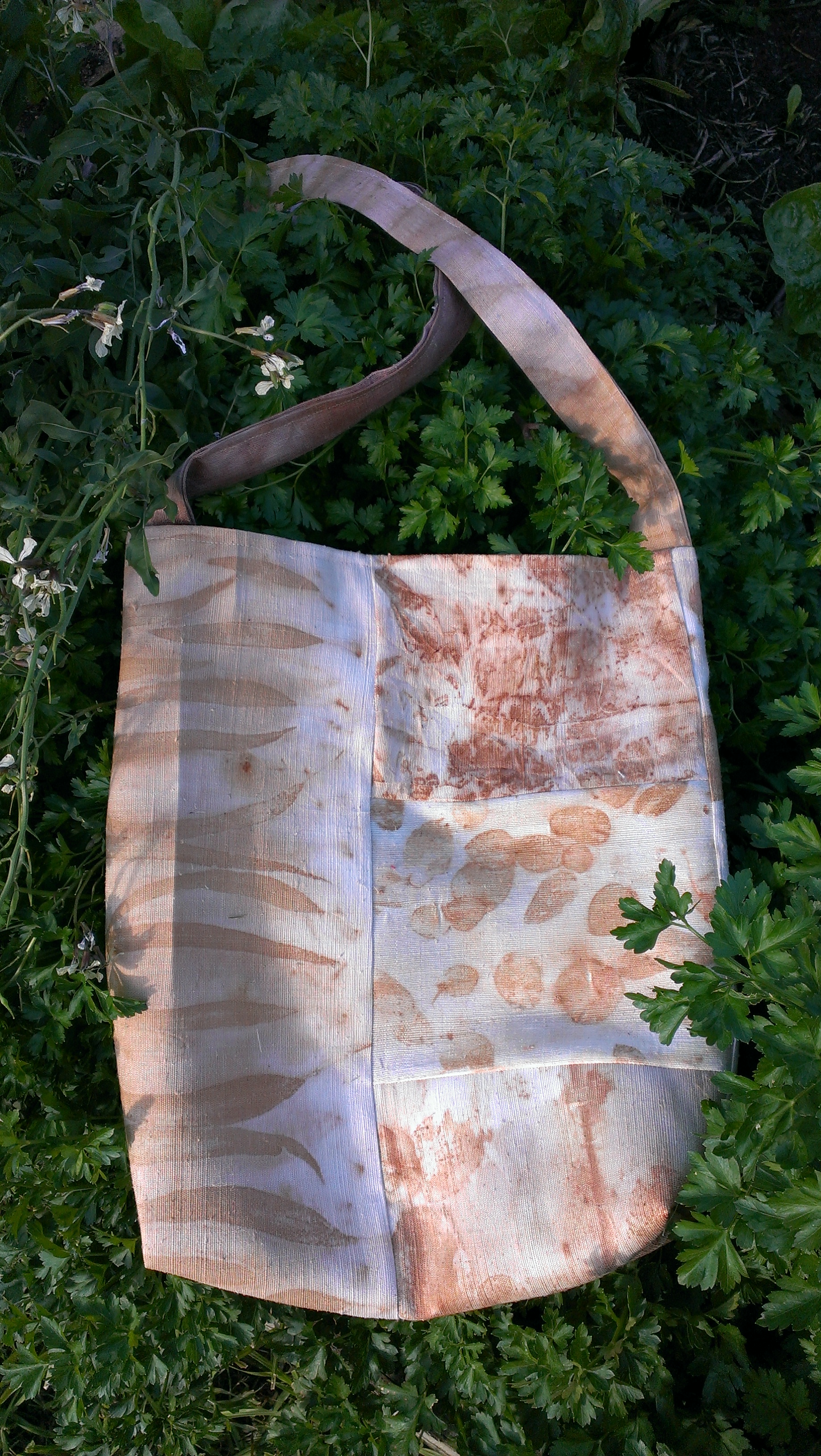
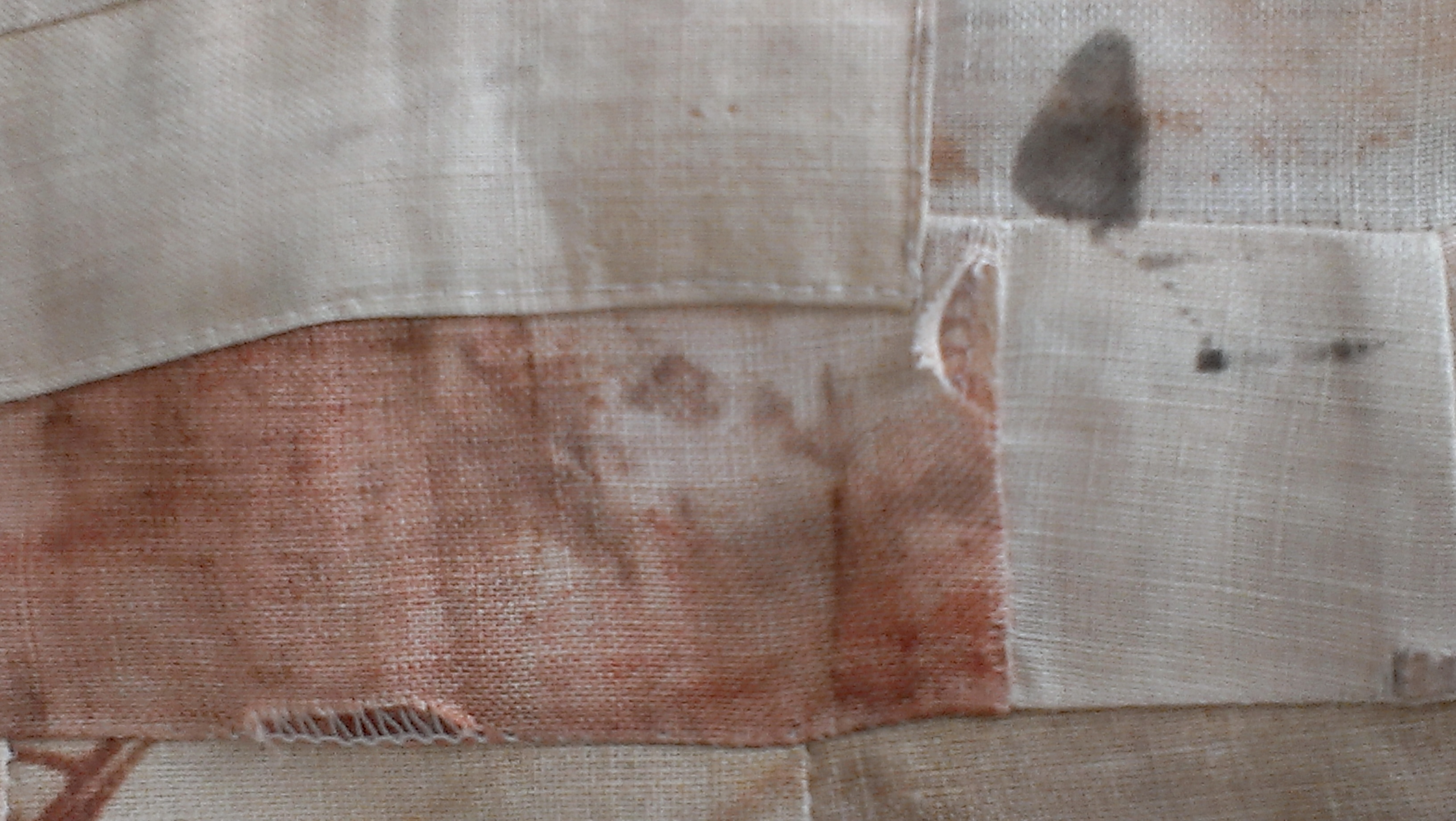
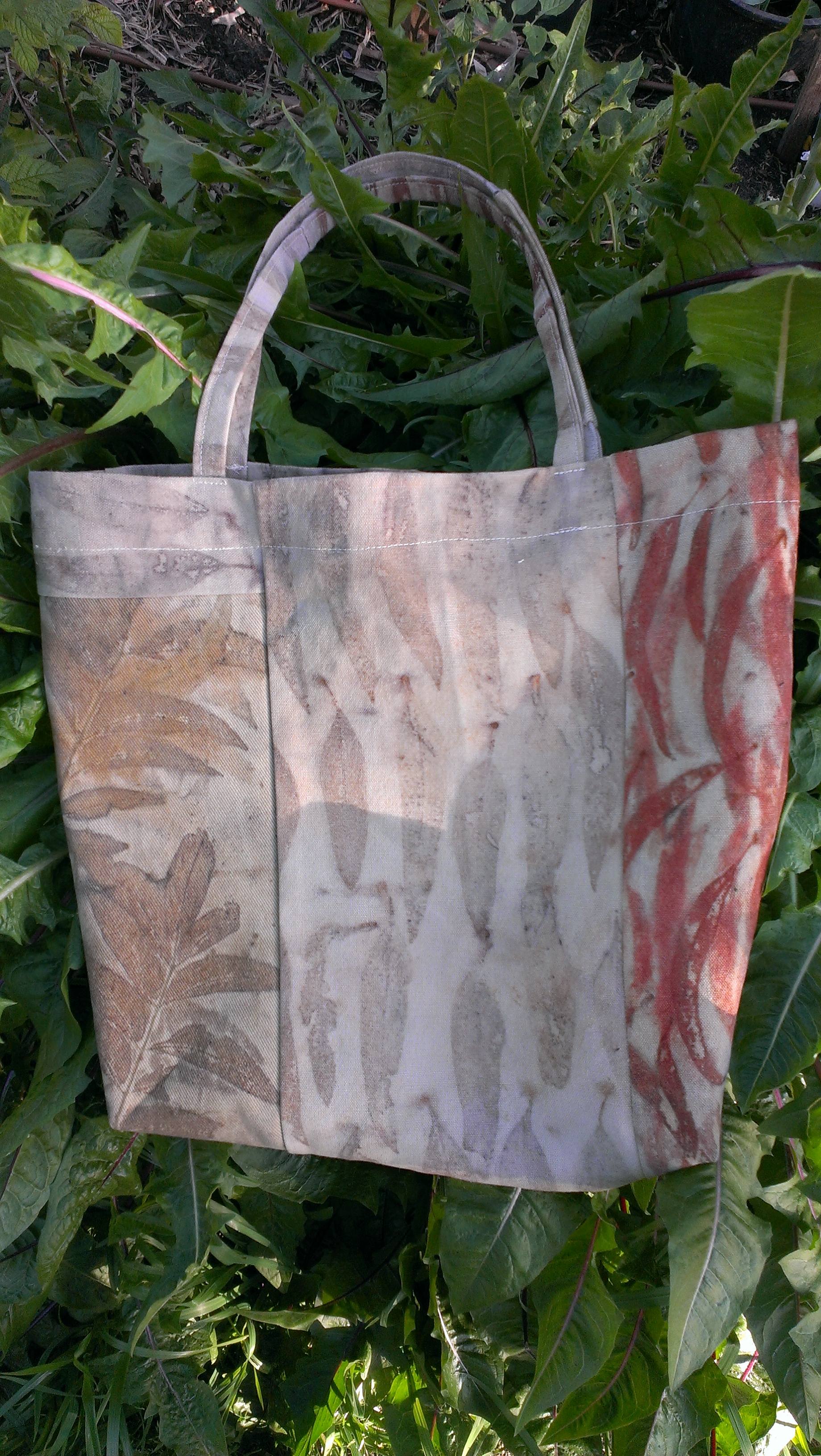
My favourite bag has already been mended rather extensively, as some may remember. But it was not to be expected that would be the last time. Not only that, but it had an encounter with a Moreton Bay Fig tree which dripped sap–or perhaps some other sticky substance–on it (the black splodge you can see below).  It was very hard to get that sap out of my hair, too, and let us not speak of my shorts… But sap was only a side detail in a glorious solstice celebration my friends organised, complete with one in a series of phenomenal home made papier mache pinatas.
IMAG3212

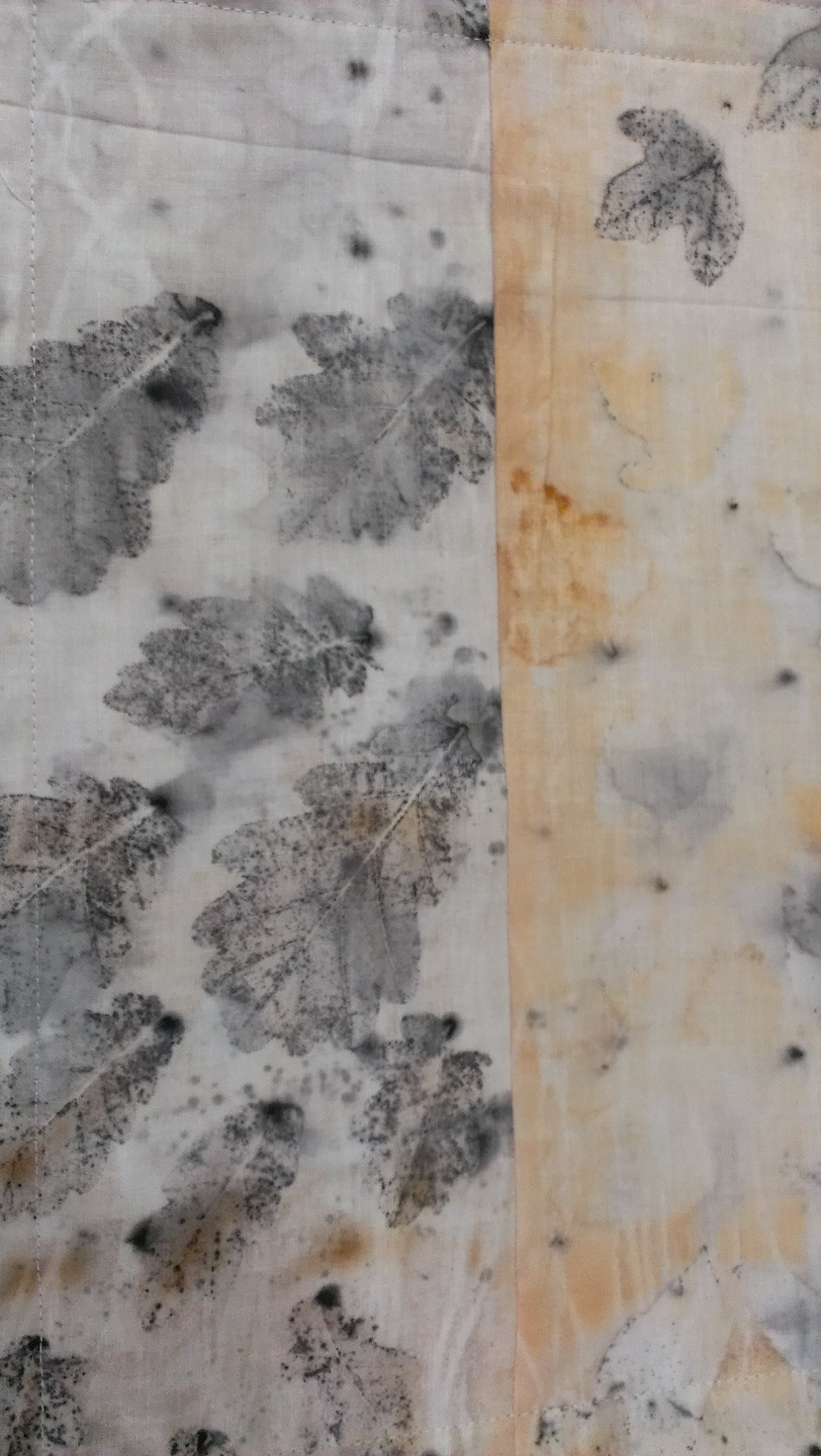
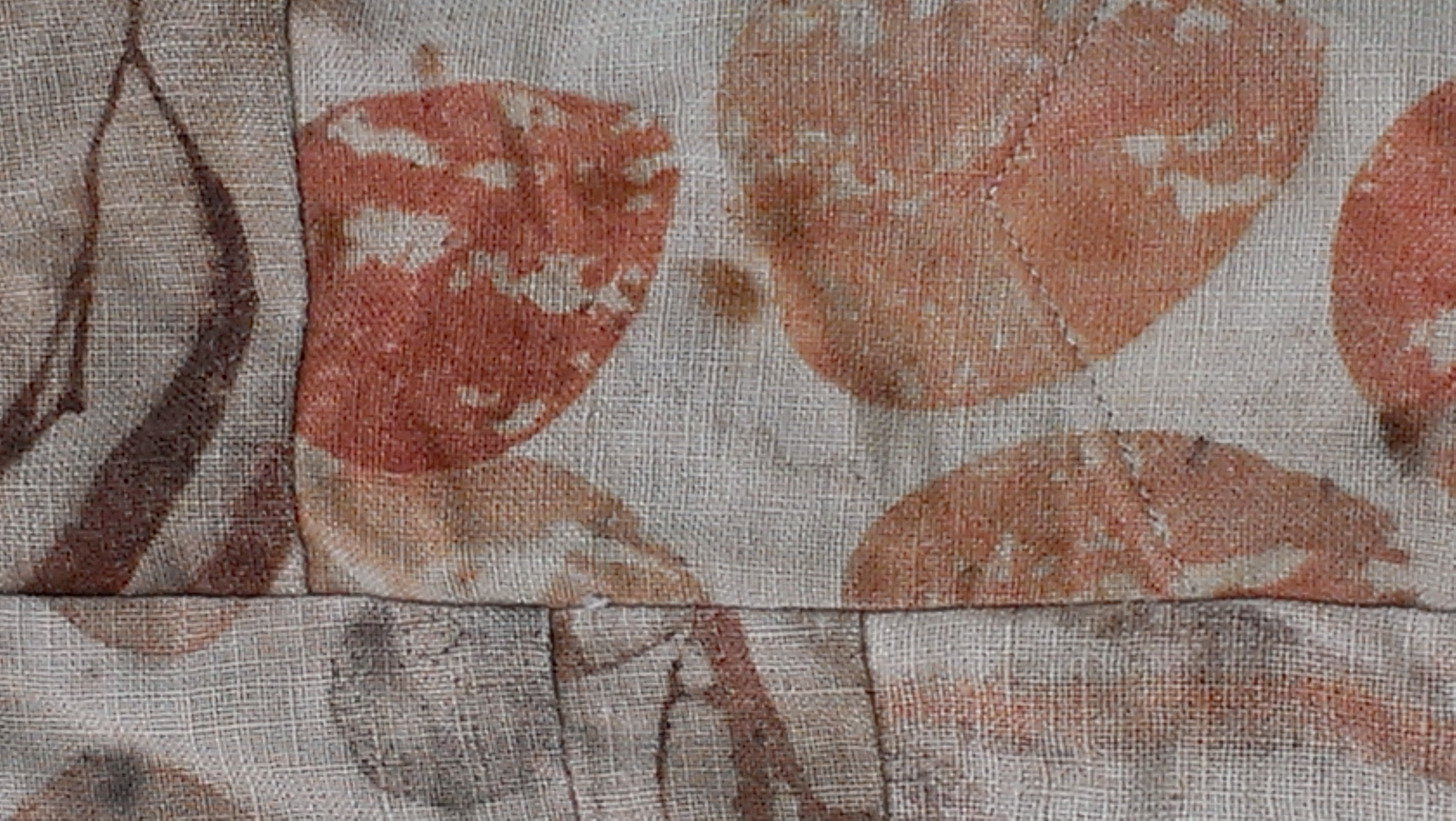
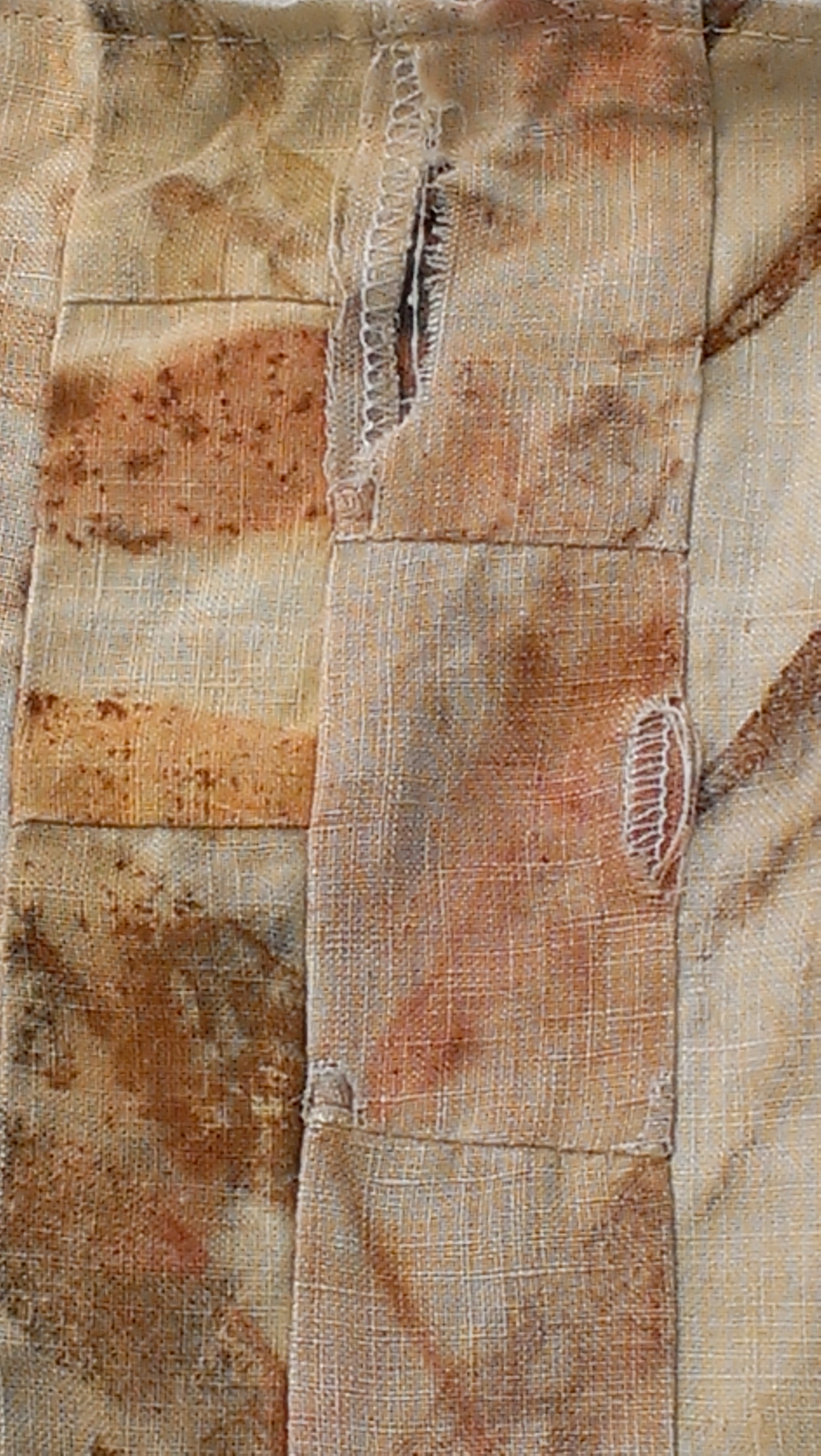
I had a few cuffs and collars from recent dye pots. They are much redder and blacker than the pieces which made the bag up until now.

IMAG3213

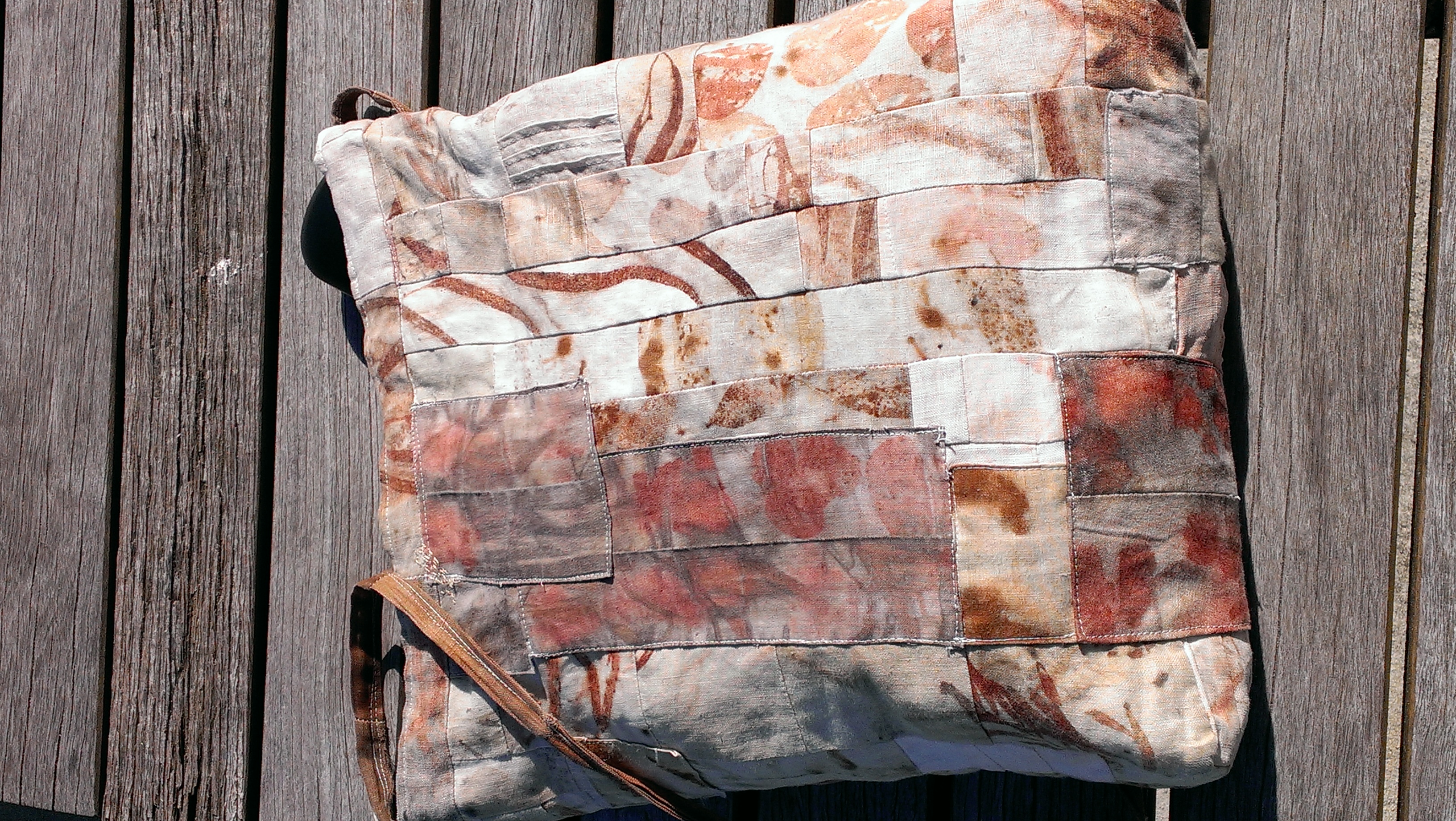
Cuffs and collars often come out best of all.  Proximity to iron? Three layers give better mordant absorption and/or better capacity to get a good contact print?  All that random interfacing? Tick–all of the above? I’m not sure, but it has always been this way for me.  Anyway… it began with a hand sewn patch at the solstice event, just so the bag could travel to Melbourne next day without suffering major trauma.  Then I ripped out the lining and went for it in all the necessary places.
IMAG3308

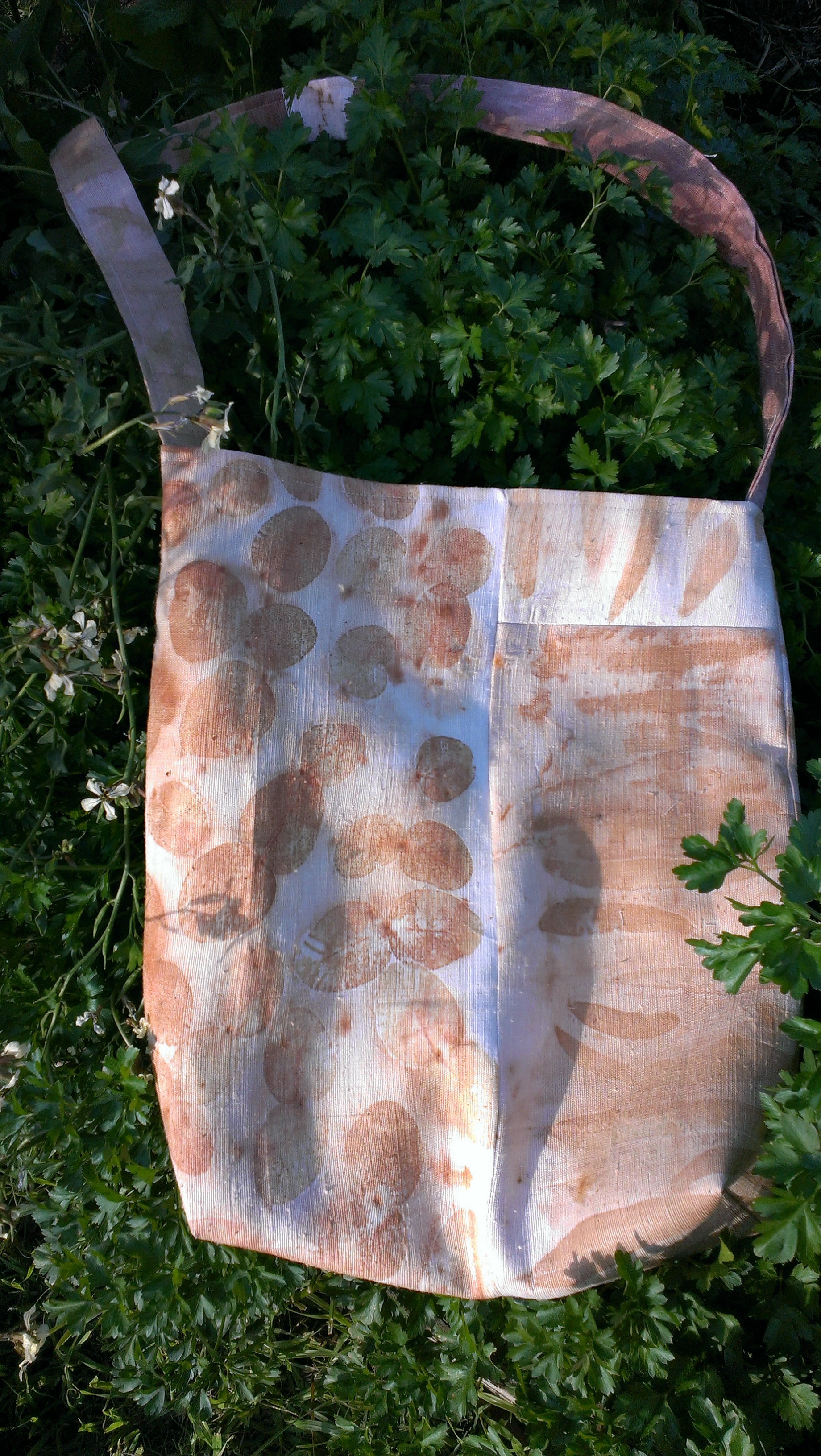
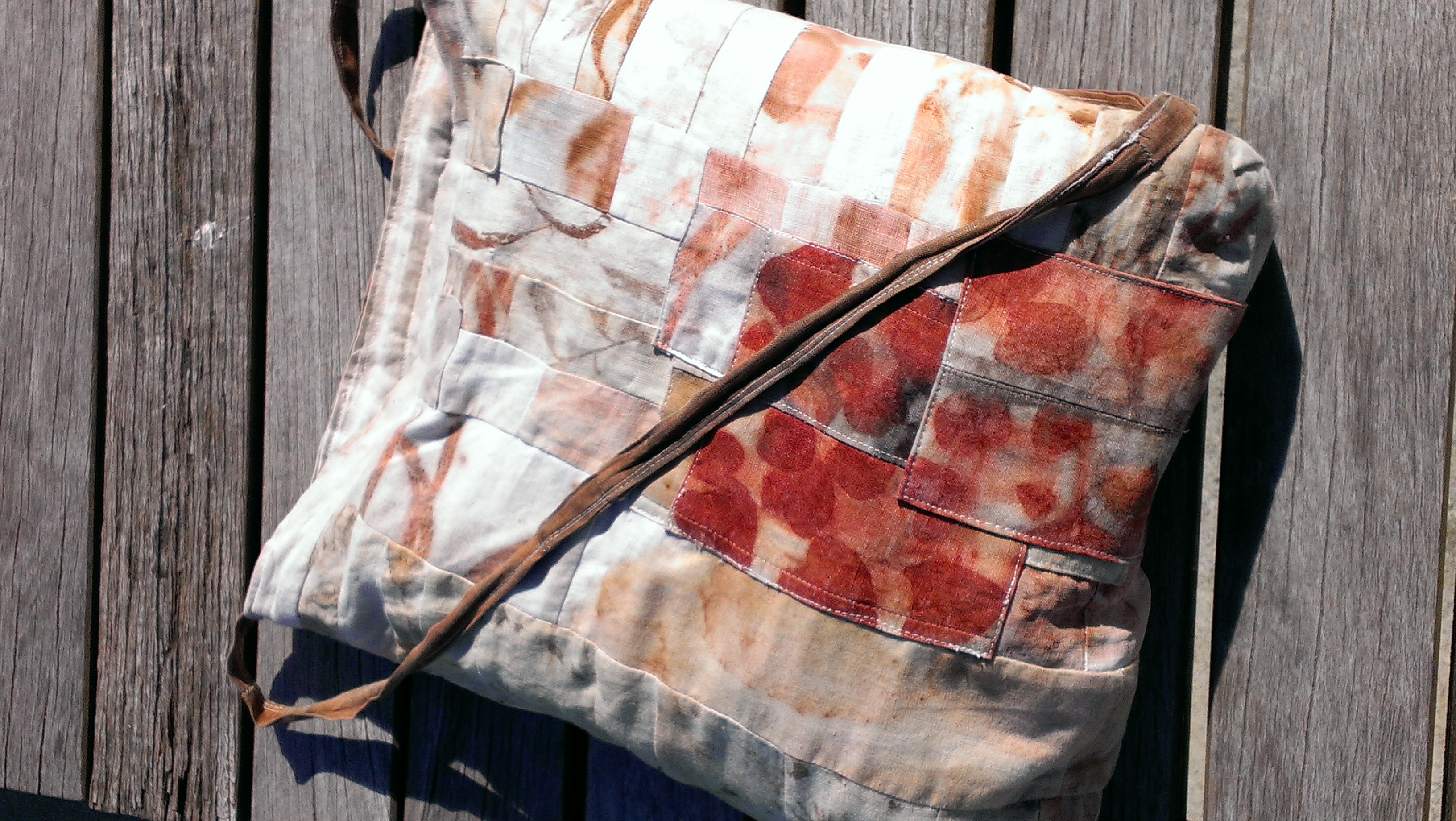
While I was on the job and pondering the unexpected benefits of interfacing, I raided my stash of intefacing of yesteryear–who knows where I inherited this pre-iron-on interfacing from? I have beena  receiving point for other people’s haberdashery for years now!  I interfaced the opening, which has worked out well in spite of my general suspicion of interfacing and the synthetics out of which most of it is made. And here is the resulting bag on a beachside bench.
IMAG3307

I know I’ve heard the philosophical debate over whether a boat whose every plank has been replaced is still the same boat. If I’d been the philosopher in question I would have had to ask about a patched pair of jeans–the place my love of mending really took root and my skills with a sewing machine seriously began to develop–or perhaps, a bag of patches.
2 Comments

Filed under Leaf prints, Sewing

More tree loving craftivism

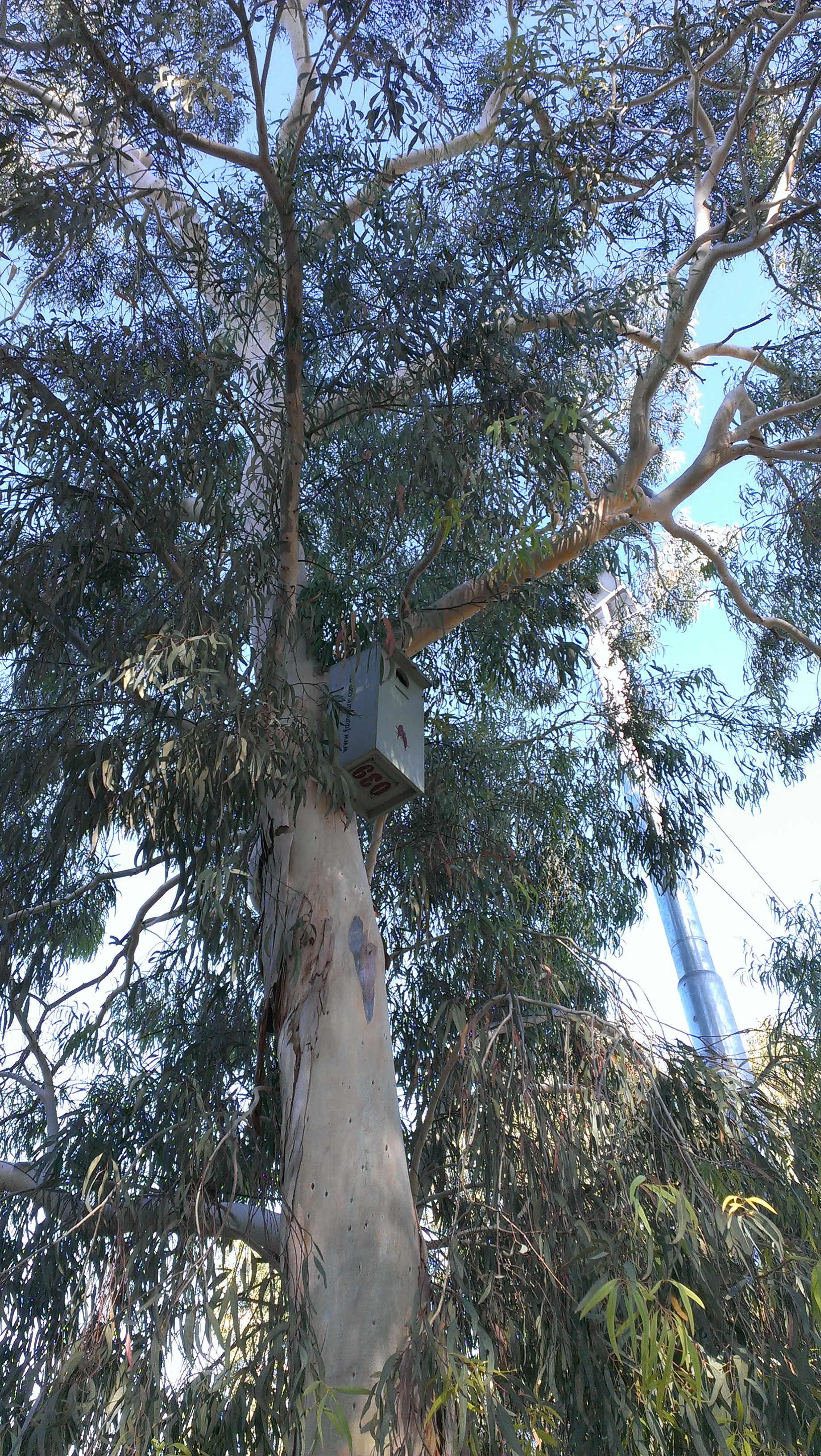
My second ‘banner’ has gone up another neighbourhood tree.  This one is my favourite E Scoparia. It was the first really promising dye eucalypt I discovered.  It used to be home to a pair of piping shrikes, who nested there in their little mud cup for many seasons.  In the last year it has acquired a nesting box and we’ve seen rosellas coming in and out of it.

IMAG3385

This is the tree my friends and I have been mulching and weeding and we have planted in an understory of native ground covers, mostly forms of saltbush, which are now doing really well.  If you have been reading a while you will have seen this tree protected from passing Royal Show foot traffic in earlier posts here and here.  Those images show how much the groundcover project has progressed in the last 18 months or so.  In the beginning, people would remove plant guards, pull out small plants soon after we put them in or just trample young plants by accident.  Not any more.  I think the evidence of care and the success of the surviving understorey plants generates more thoughtful treatment from passersby, and it’s clear that lots of local people now understand that their neighbours are making efforts that are transforming an almost bare patch of hard earth scattered with weeds and rubbish, into something lovely.  I collected the rubbish that had landed under it this morning and maybe that is ebbing a little too.

IMAG3388

So, four of us stood and admired this tree, delectable breakfast smoothies in hand, and tied on this little banner of admiration and appreciation.

IMAG3387

And here’s the full length picture…

IMAG3391

Leave a comment

Filed under Craftivism, Dye Plants, Eucalypts, Leaf prints, Neighbourhood pleasures, Sewing

Tree loving craftivism

While I was in Melbourne, I found Sarah Corbett’s A Little Book of Craftivism.  Yes, it is literally small, but inspiring out of proportion to its size.  It is about the work of the craftivist collective, together with proposals about how the reader might engage in their own craftivism.

IMAG3245

For those who might be wondering… one definition of craftivism: ‘Craftivism is a way of looking at life where voicing opinions through creativity makes your voice stronger, your compassion deeper & your quest for justice more infinite.’ More at the link.

I loved this little book from the beginning. This is activism of a gentle, slow kind.  It isn’t the only kind of activism the world needs.  But every social movement needs a variety of approaches–I’ve participated in many–and gentle is one of them.  This book is packed with organising wisdom, clear instruction, pictures that inspire and make you wish you had been there and examples of projects from the small to the enormous that offer plenty of scope for DIY.

IMAG3361

For a view of the book and its content, click here.  For a brief review with links to multiple other reviews and ways to purchase online other than through amazon, click here.  To purchase from the craftvist collective itself, click here and check the sidebar.

Did I mention finding this book inspiring?  I think it’s one of the highest compliments that you could pay to a book of its kind to say that I immediately wanted to go out and make some of the projects in this book and could immediately see places that could happen to good effect. Not only that, I tried my ideas out on my nearest and dearest and then created them.  My ‘mini protest banner’ is a little different to the cross stitched versions in the book–but nevertheless the same concept.

IMAG3241

I took:

  • a calico sack from a local business for my banner background (I offered to take the offcast bags from a shop and they accepted)
  • some not-so-glorious leaf print experiments for backing
  • some leaf-printed collars and cuffs for my frame
  • some eucalyptus dyed silk thead and
  • some secondhand bias binding… and…

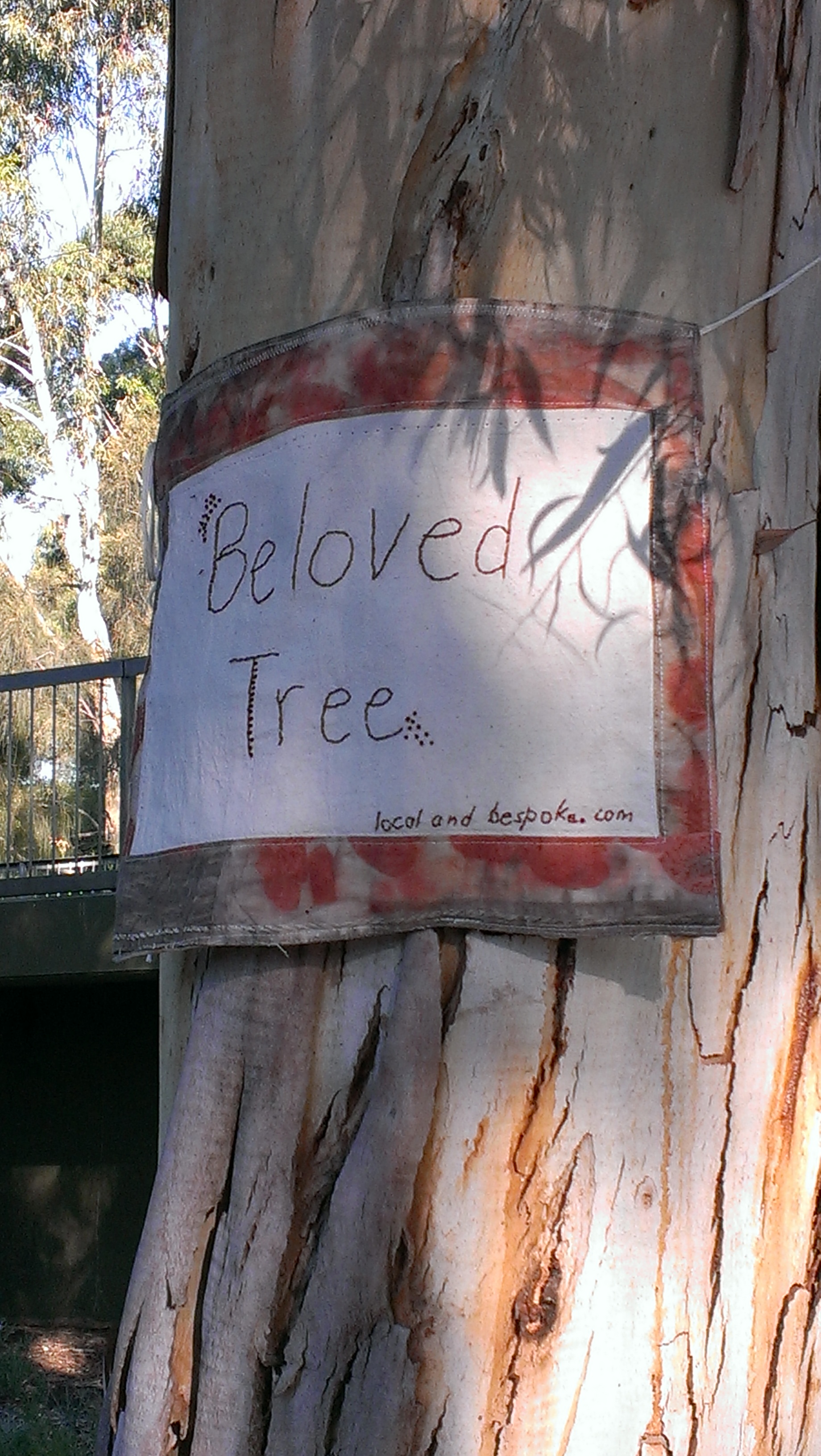
Before long I had made two banners.  We hung the first one today. One of my friends offered the view that every day was a good day for this kind of event (I guess we’re friends in part because we agree on things like that!) so we had cool drinks of water and cherries and chat and then went out to admire the tree and tie on.  The 6 year old present wants to make more banners, which is additionally promising.

IMAG3366_1

This banner celebrates a river red gum (E Camaldulensis) that we managed to save from being cut down last year, with help from other local people and our local MP, Steph Key.  It has a legally mandated 3 m exclusion zone around it to protect the root zone, but this is not being observed very well lately and I want the people responsible to know that we care.  I had to measure the tree to be sure I had stitched on enough tape:  3.6 m (11′ 9”) around the trunk, well above the ground.  To give you a sense of its size… and the relative size of the banner (which is in the picture), I give you the full view.

IMAG3373

4 Comments

Filed under Book Review, Craftivism, Eucalypts, Leaf prints, Neighbourhood pleasures, Sewing

How to make your own pattern envelope–and any other envelope you fancy!

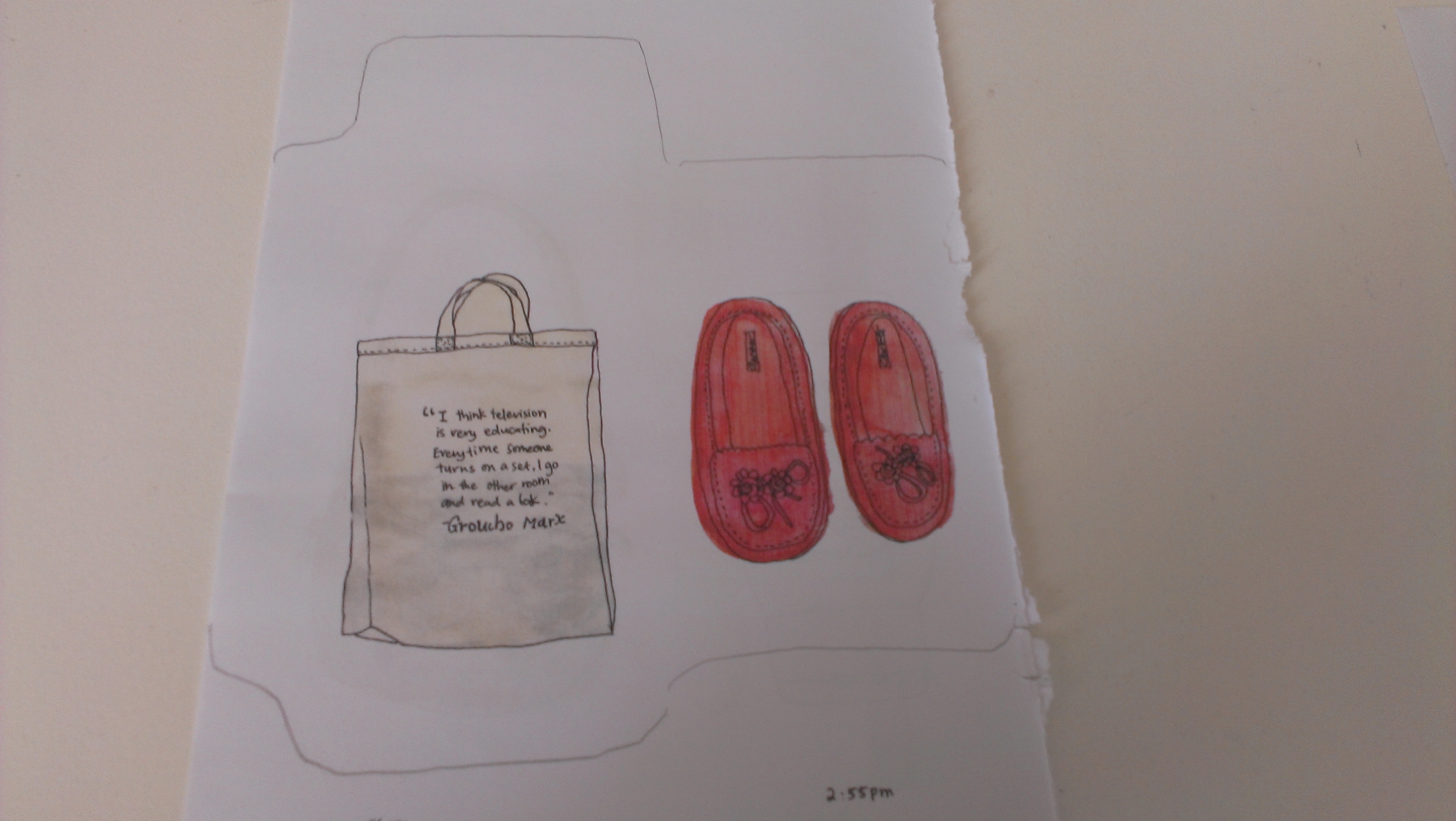
Perhaps you don’t need your own pattern envelopes.  But since I started drafting my own patterns–often from clothes I own and enjoy–and sometimes because I have created something from scratch and want to be able to duplicate it–I do need pattern envelopes.  There is a simple solution: re-use.  I often do this, since my workplace generates envelopes in a  suitably generous size.
IMAG2897

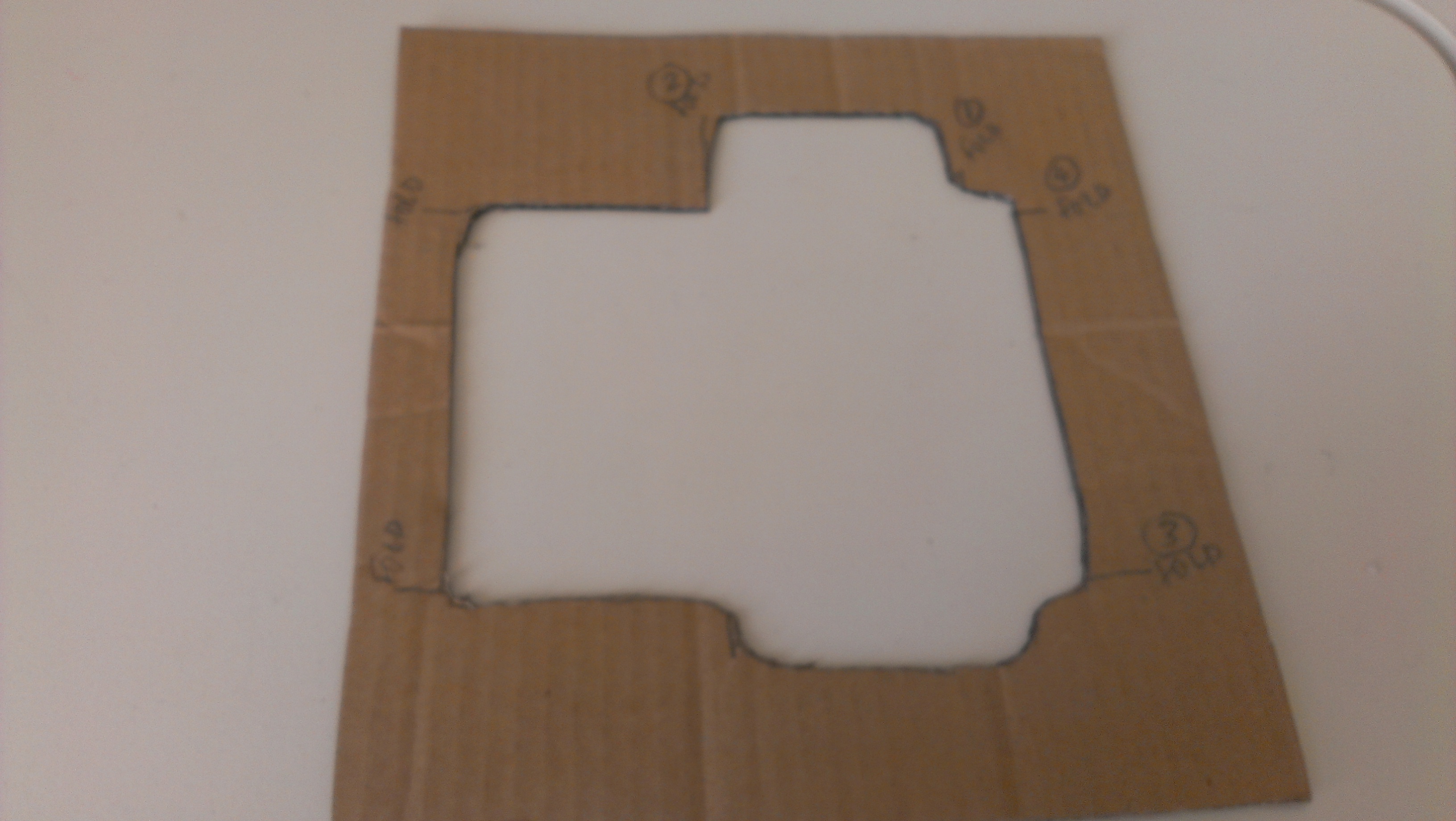
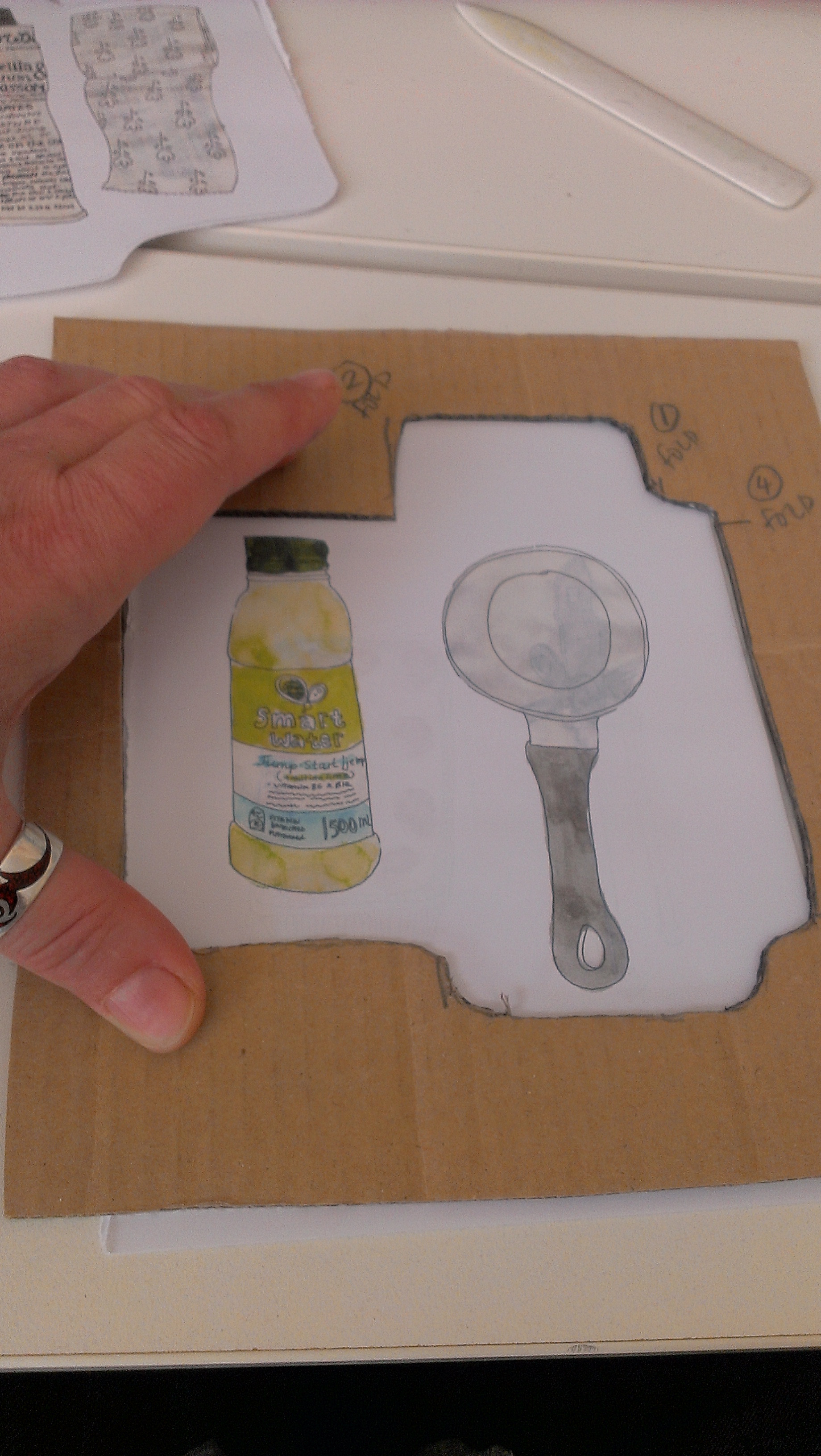
But when that fails–or I feel like it–or I have paper too lovely to throw away but not capable of re-use as it is–like calendar images–I make envelopes.  Card sized, seed-saving sized, or pattern sized. DIY is splendidly simple.  You start with an envelope that works for you and either pull it apart or draw it to scale and then cut your own template from cardboard.  You can make one with the envelope shape cut out of it:

IMAG2882

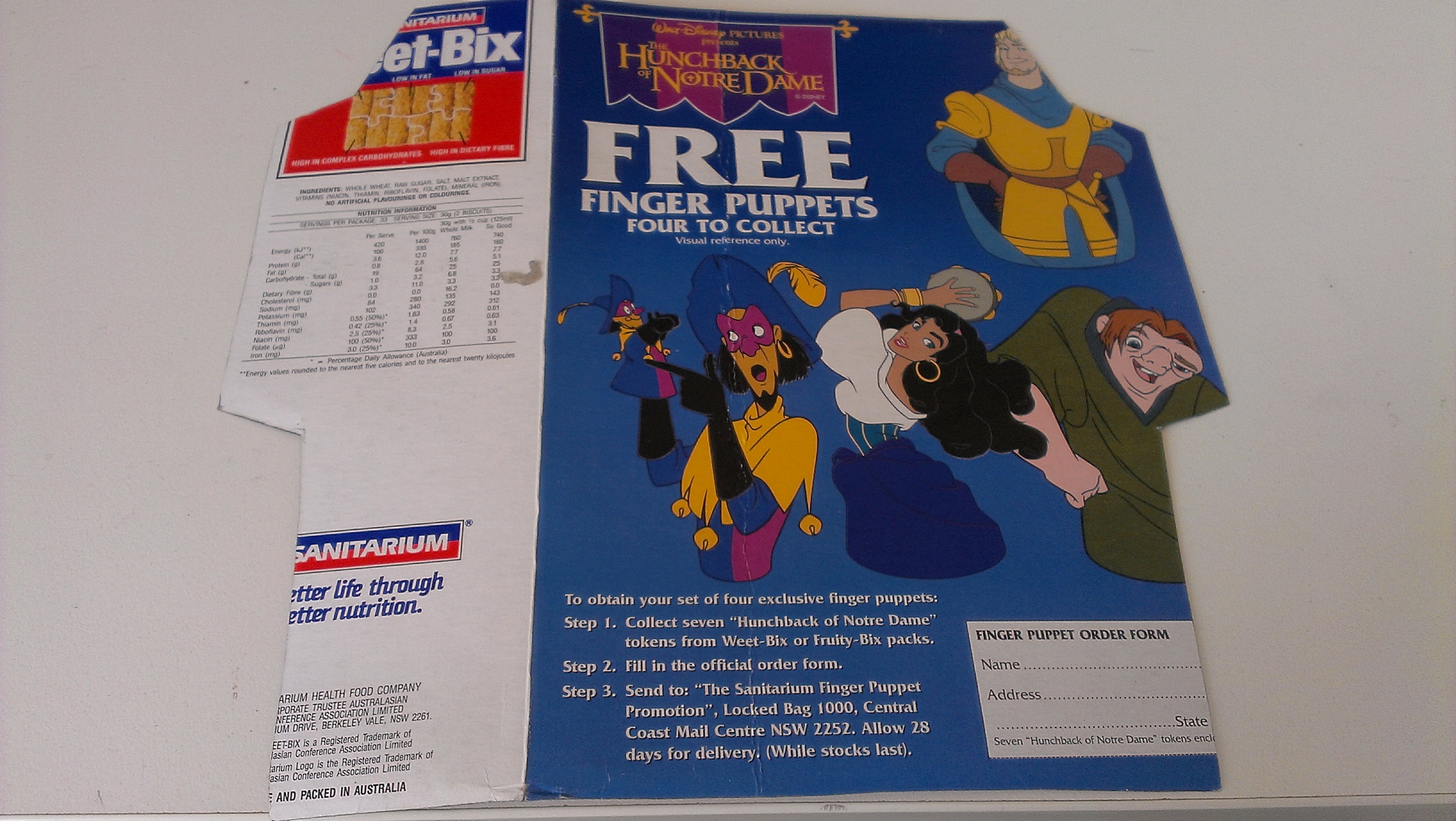
You can make one that you trace around–cereal boxes are perfect for this:

IMAG2883

Then, the world is your envelope-making oyster.  This old William Morris calendar just became pattern envelopes, and an extremely cute zine just became seed saving/sharing envelopes, as you can see in the images further below.

IMAG2880

Here are the steps…

Trace your shape in pencil, being sure to hold the template firmly against the paper or card:

IMAG2889

After tracing:

IMAG2891

Cut out:

IMAG2892

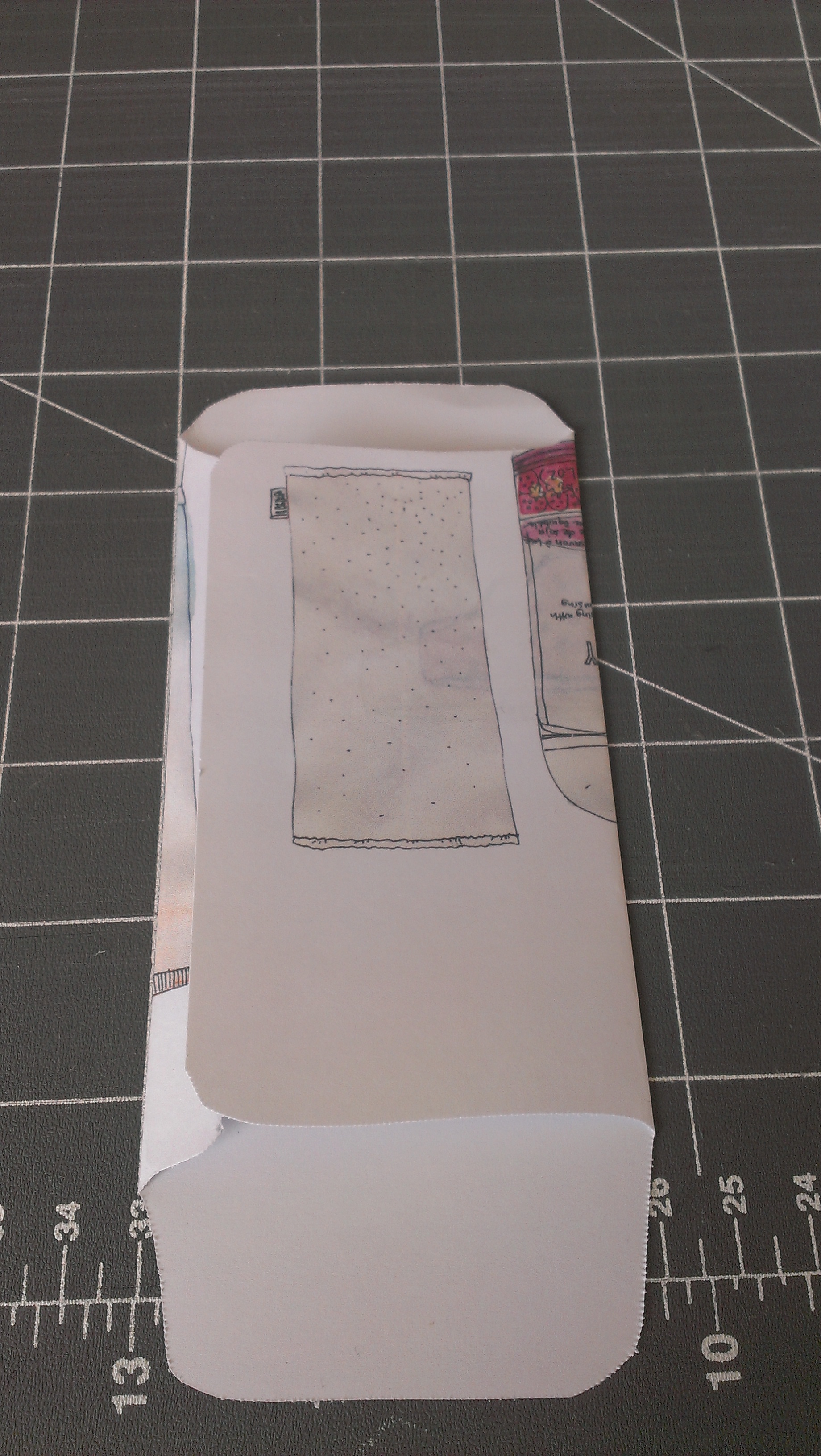
Fold (I use my rotary cutting mat to help keep folds square-ish).  Use a bone folder if you have one, or rub your folds with the bowl of a spoon to create nice crisp folds:

IMAG2894

Tip for seed savers: ensure that when you fold up the bottom seam of a seed saving envelope, you fold up a generous overlap, leaving no gaps that might allow tiny seeds to escape. Same again with the top flap.

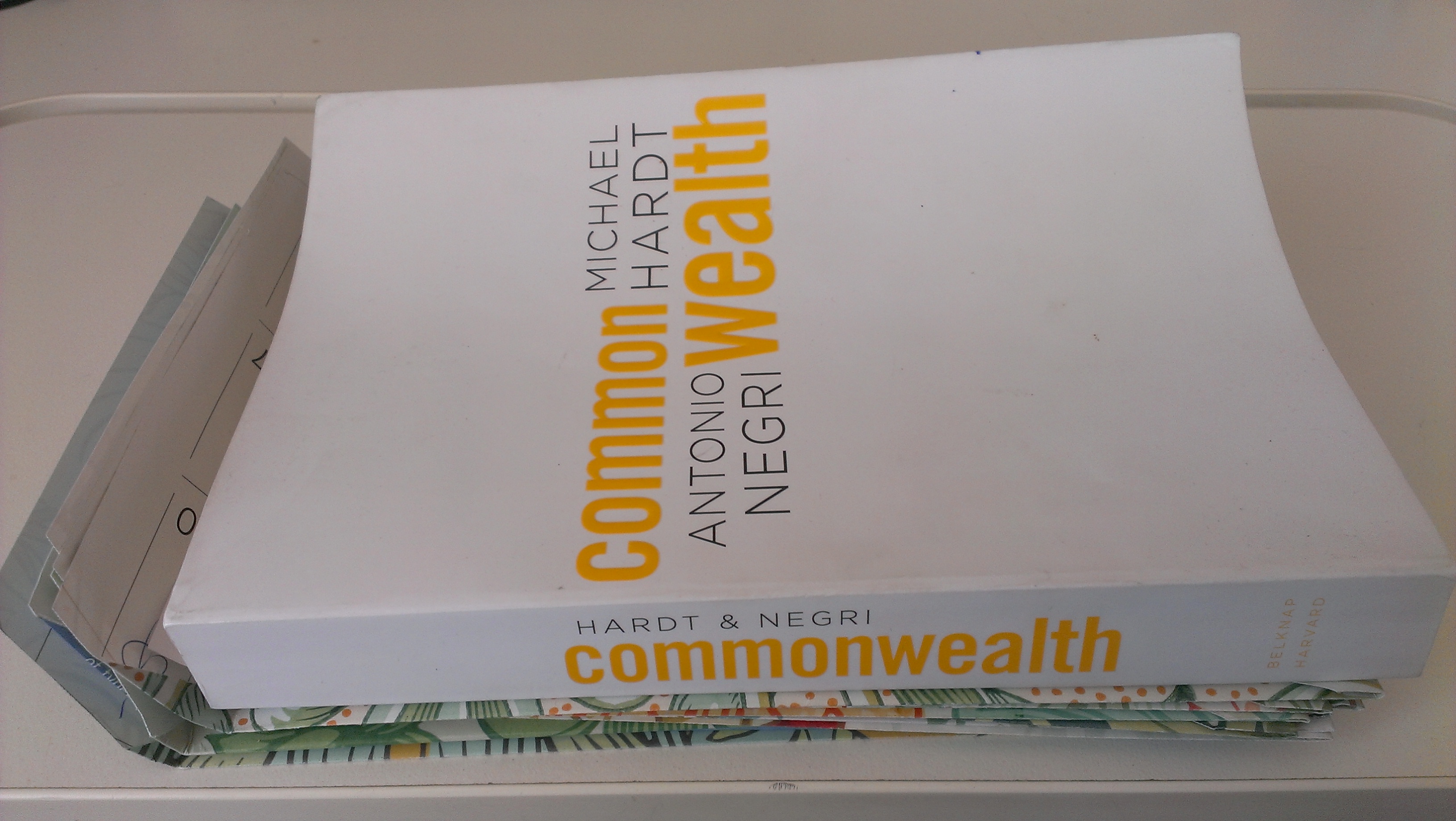
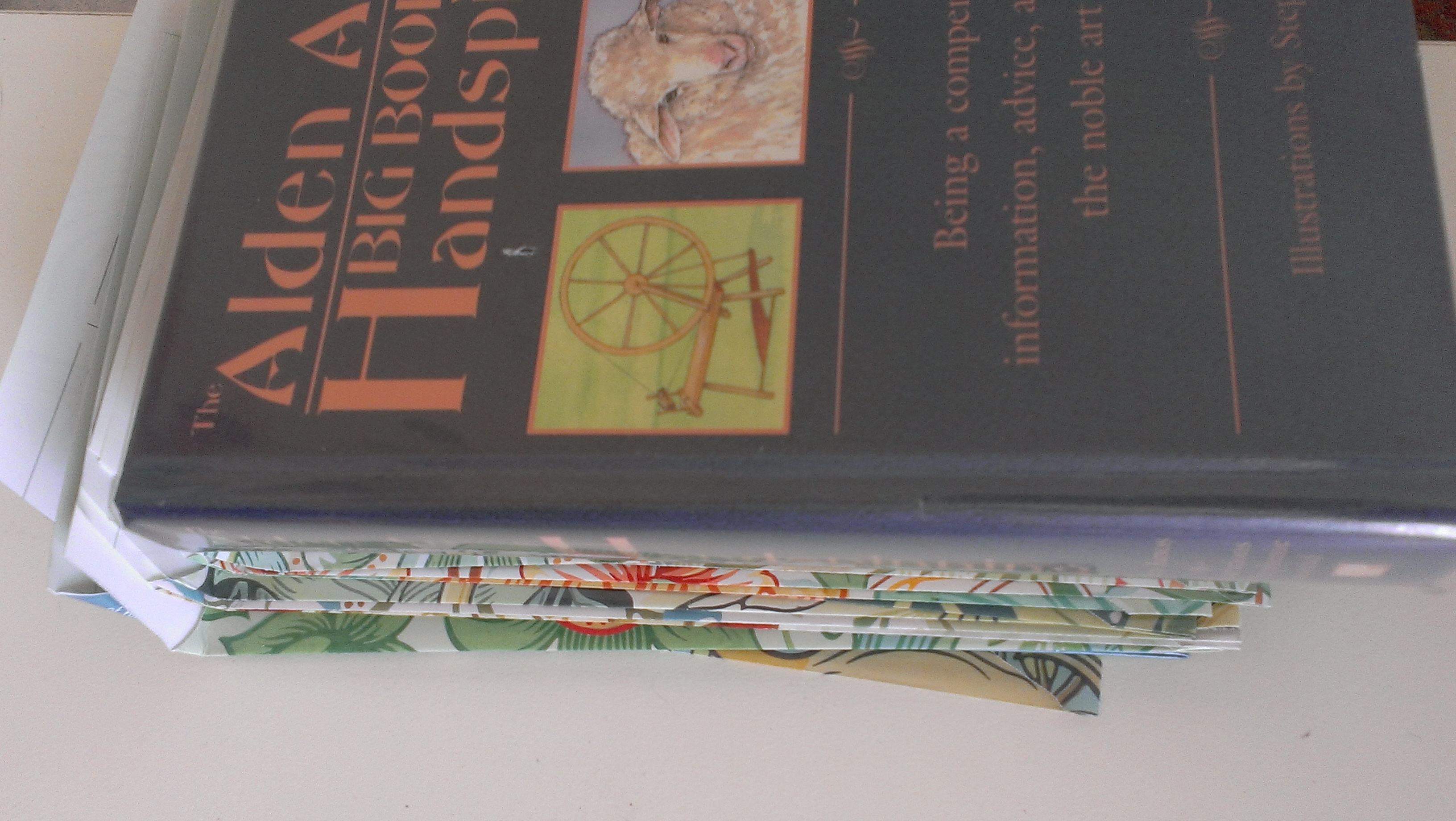
Finally, glue seams, being sure not to apply glue in places where it can escape and stick the inside of your envelope together, and apply a weighty book so your envelopes dry nice and flat:

IMAG2888

Enjoy!

2 Comments

Filed under Sewing

Handwoven cotton shirt

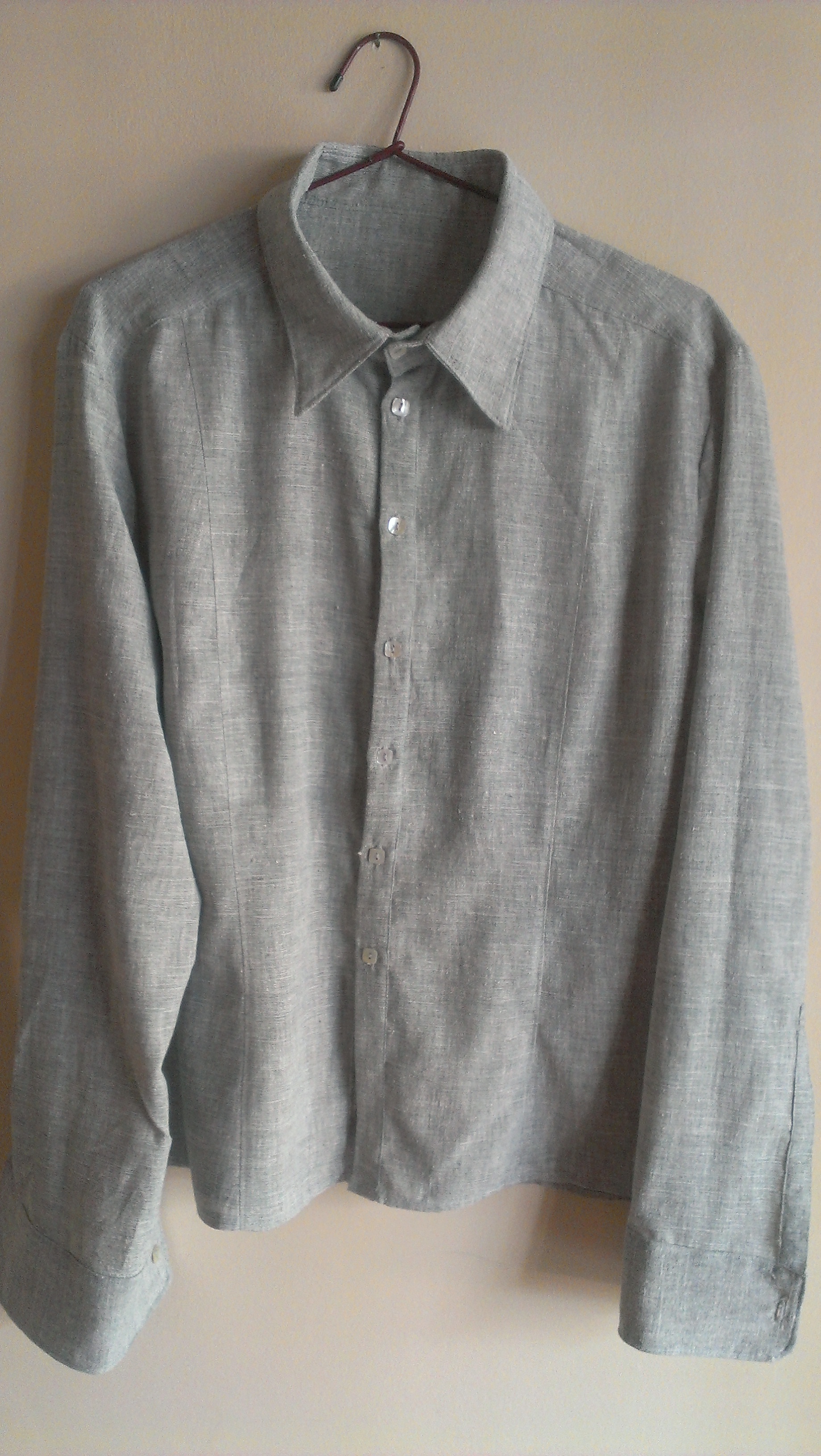
I have had a shirt in progress for a few weeks, and recently it reached completion.

IMAG2878

I bought this handwoven cotton at Beautiful Silks in Melbourne some time ago.  It takes quite some skill to go into that treasure trove of beauty and colour and come out with something so plain (and not made of silk), but apparently that is one of my superpowers.  I didn’t have quite enough for all the pattern pieces, so used some scraps from my skirt for the inside cuffs.  I have made this shirt in order to have more than one top that works with the skirt, so I think this is a great feature, rather than a flaw.

The pattern is Vogue 2592, purchased many years ago. I worked back through my records, such as they are, and found I first made it in red linen (it turned out to be stretch linen–which I did not appreciate in the shop at the time)–in 2004.  I am still wearing that shirt with just one hand mend where the lower edge of the button band had come adrift.  Turns out I am still wearing shirts I made as far back as 2002, though some have worn through or gone to other owners in that period .

The buttons came into my stash from the op shop.

IMAG2803

Not only had they been saved from a shirt that has presumably gone to become rag, but they had been lovingly stitched onto recycled card.  I think the women who tend the Save the Children op shop on Goodwood Road must have been responsible for this thorough act of rescue.  The craft supplies section of their shop is organised and priced by people who know what they are dealing with and who value recycling.

IMAG2804

I appreciate their efforts.  I didn’t have enough of these buttons for the cuffs, but it’s likely no one will ever notice that the cuffs have round buttons unless one of us tells them…

I ran out of thread just about buttonholing time and so had an unexpected trip for more thread.  In case anyone from southern Adelaide is reading (I know there are a few!)… only blocks from Spotlight Melrose Park (near Castle Plaza) and just off South Road is the independently owned Tricia’s Discount Fabrics.

IMAG2826

In case you don’t know it and want to–Tricia has been running this shop a very long time.  It no longer focuses on dancewear and knits (though there are neon and metallic look knits and chiffon to be had).  Instead she caters to quilters as a priority, though there are plenty of other fabrics too.  She has a gigantic range, far bigger than Spotlight or Lincraft (these are our ‘big box’ stores, if you’re reading in North America).  She’s in an old industrial building, one of several she has occupied over the years, with a suitably glamourous entry:

IMAG2827

She also has a huge range of notions and quilting gear, quilting books and thread.  She rivals any quilting shop I’ve been into in our city for range but without associated glamour.  And she gave no glimmer of a frown when I just purchased my reel of thread.  She is knowledgeable and I live in hope her conditions of work and pay are a whole lot better than those notorious at Spotlight.  I guarantee the queue is a lot shorter!

Leave a comment

Filed under Sewing

Drawstring bags

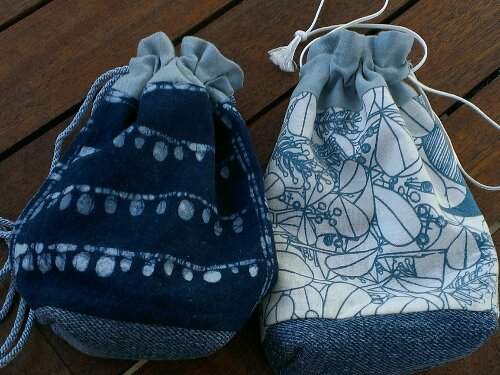
I have been using up smaller scraps of indigo dyed fabric. I decided on lined drawstring bags. The kind I like to use when carrying small knitting projects around. The linings allow the use of all kinds of little scraps.

wpid-IMAG2294.jpg

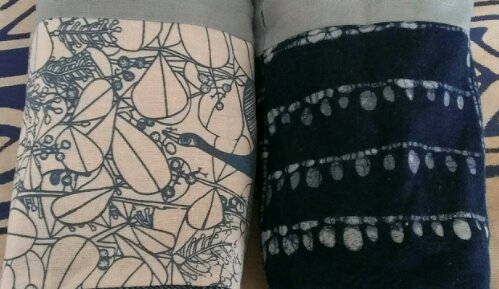
These outers use some of the hemp I dyed with indigofera australis as well as the last of my wax resist indigo dyed fabric, and some with a delectable Australian designed print.

wpid-IMAG2298_1.jpg

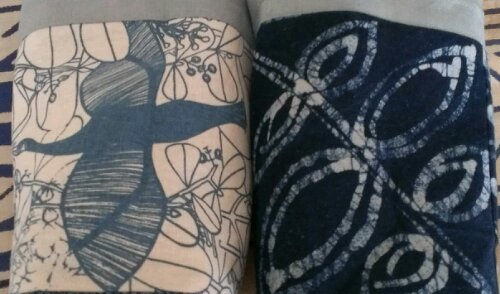
Here is the other side:

wpid-IMAG2299_1.jpg

And here they are with cords drawn through their casings:

wpid-IMAG2366_1.jpg

I also made some larger bags with small pieces of leaf printed recycled linen and another Australian print.

wpid-IMAG2362_1.jpg

Surely this is the last of the famous brown ramie shirt and those hemp jeans! And I have found use for some pre-loved cord as well.

6 Comments

Filed under Eucalypts, Leaf prints, Sewing

Downsides of upcycling

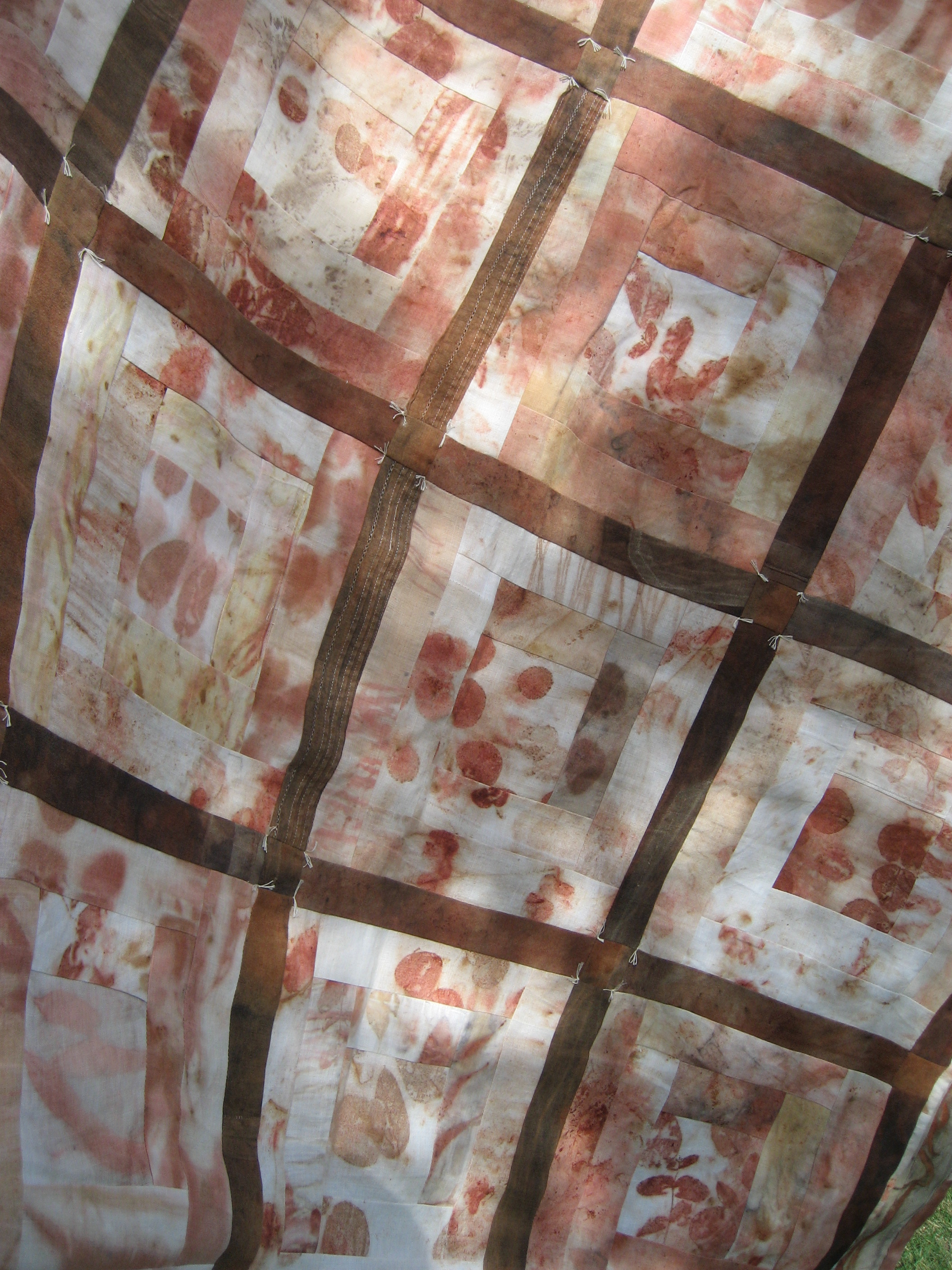
Quite some time ago, I made a quilt.  It was a project I decided on when I began to experiment with India Flint’s eco-printing technique on cotton and linen.  Her book Eco-Colour (see the left hand sidebar of her blog if you’re following the link–her books are there) mostly focused on wool and silk, but offered some guidance about cotton and linen.  I followed that guidance as best I could and at first I could achieve only pinkish smudges.  I had become pretty decent at dyeing wool by this stage, but only some of these skills proved transferable.

IMG_5240

Leaf printing or eco-printing was clearly a whole other skill. I teach for a living and observe the process of learning almost daily both in those I teach and in myself.  It is very rarely possible to read instructions and then successfully and immediately carry out a process someone else (that would be India Flint) has spent years figuring out and becoming exquisitely good at.  Nor can the outcomes of a process with so many variables always be confidently predicted by a novice (that would be me). Indeed, just plain carrying out instructions accurately is not always possible on the first attempt.

The amount of fabric wastage that might be involved in learning and practising made me think I would have to give up and just admire the work of others.  India Flint, for instance. This was the point at which I thought of the quilt.  If I made a log cabin style quilt, I could frame whatever leaf-ish smudges were my then best efforts, and the smudgy parts could simply be borders.  Standards are not always high round here.

IMG_6440

By the time I came to halfway through the back of the quilt, I had been experimenting for about a year and I had some breakthroughs–in understanding the process, in refining my skills at using it, in mordanting, in identifying eucalypts, even growing a few.

IMG_6446

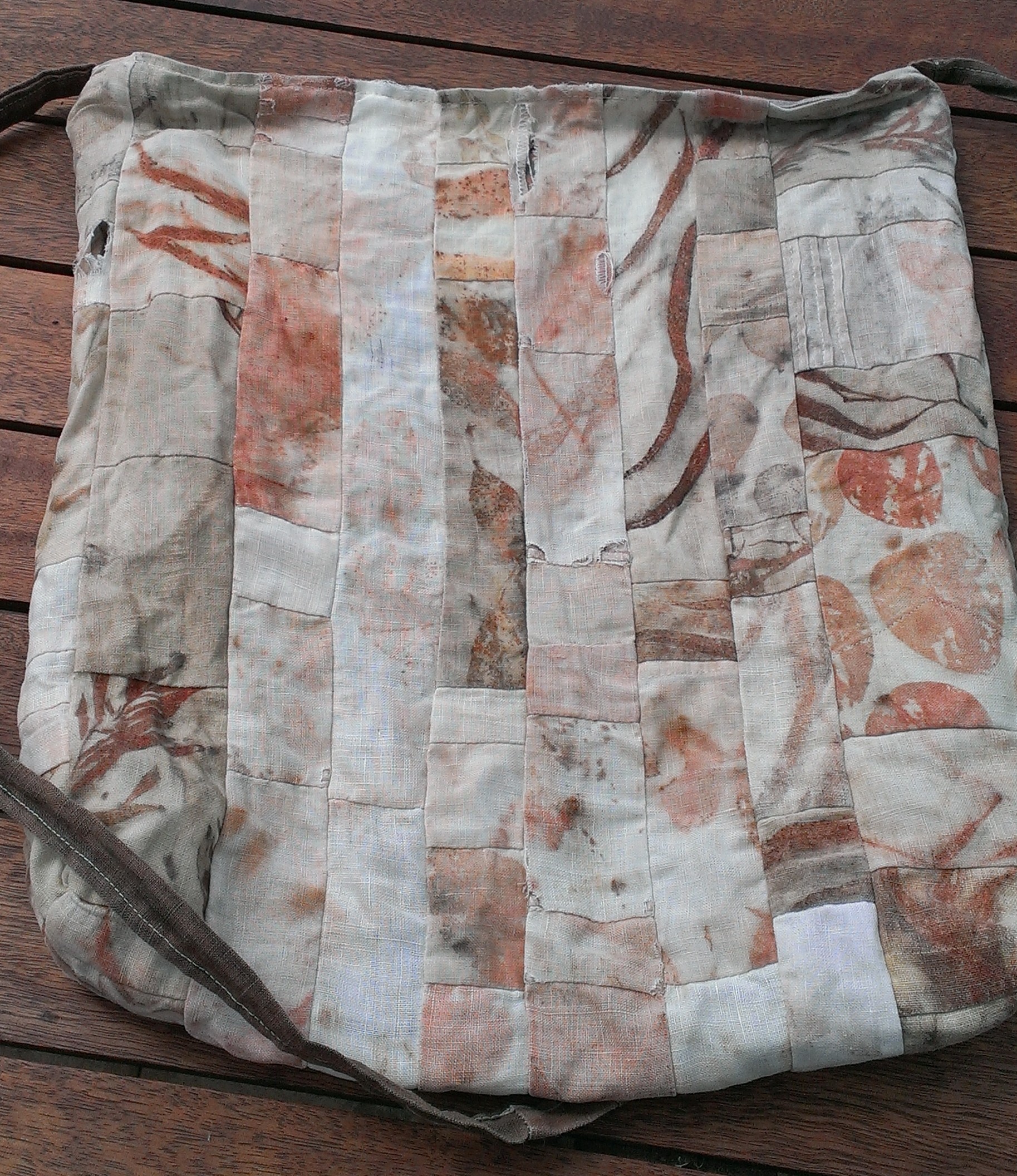
I made this entire quilt from recyled/upcycled linen garments from op shops and garage sales, most of them having gone there because they were stained beyond rescue.  Needless to say, I couldn’t bear to waste a scrap.  So even the tiny leftovers of the log cabin quilt were turned into other things.  Including bags–which won’t surprise regular readers!

IMAG2740

This bag has had a lot of use, because I like it so much.  Which is to say it has been treated roughly, stuffed full, rammed into other bags and rubbed against all manner of things.  And although parts of it are still glorious… including what must have been virtually my first really exciting E Cinerea, E Scoparia and E Nicholii prints:

IMAG2754 IMAG2753

There are also some points of real wear.

IMAG2752

I often think that a well made, long lasting garment or bag is highly desirable. But a thing that will stand the test of time is only a good thing when the item remains one you (or someone else) want to keep using.   I own things that I wish would reach the end of their useful lives because I’m tired of them even though they don’t need replacement, or because a better version exists 20 years later.  I have things I wish I had never acquired or that don’t have the capacity to biodegrade.  I now think about the benefits of things that can break down and won’t last forever to burden coming generations.

This bag, though, has had a short life as a bag because of the hard life some parts of it had as clothing, and it certainly will biodegrade.  I polled some of my near and dear and they thought the bag should continue even if it required lots and lots of mends… So here it is, reworked considerably.

IMG_0215

And the other side…

IMG_0212

Ready for more years of hard use, I hope! For those who are wondering, the quilt is doing fine so far and I remain happy to use it.

18 Comments

Filed under Leaf prints, Natural dyeing, Sewing

Leaf print bags

IMAG2211

The bag making has been continuing.  This is a simple, unlined bag made from recycled heavyweight garment fabrics–parts of an old pair of hemp shorts and some recycled men’s cotton twill trousers.  Last year I went to a huge Red Cross sale where entire secondhand garments were $1 or $2.  I acquired all kinds of stained and/or worn pale coloured garments which I have been transforming.

IMAG2202

This, on the other hand, is a lined bag made of silk.  When I first bought and read India Flint’s Eco-Colour, I was immediately inspired and keen to try out her ideas and techniques, but finding silk and wool fabrics was quite a challenge.  I had been dyeing sheep fleece and woolen yarns.  I started out eco-printing with some fine gauzy silk and that was exciting enough to keep me going, though I was less than clear about how I could use it.  Then I found a length of Thai silk clearly purchased in Thailand and brought home to Australia which had somehow found its way to an op shop I like to comb through.  Many experiments followed, and they have been sitting rolled up in the sewing room for years now.

IMAG2201

The darker colour on some sections is red wine.  The splotchy random pattern–clearly not a leaf–on one piece really had me puzzled until I ironed it.  The smell was a giveaway.  Ah!  Onion skins!  That is what you can see on the top right of this bag.

IMAG2199

And the other side (with red wine on the strap)…

IMAG2198

I have constructed the linings from samples and less successful printing efforts on cottons…

IMAG2204

It’s very satisfying finally to put these samples to use.

4 Comments

Filed under Eucalypts, Leaf prints, Sewing

Guerilla Gardeners and Yarn Bombers Strike the Neighbourhood!

Yarn bombers have been out and about in our neighbourhood!  They have improved a neglected spot a short distance from our place, cheering up people who’ve had a year of more construction noise, dust and reverse beeping than most of us can readily stand.  Bless them!

IMAG2226

Not content with tree decorating, they bombed the odd pole as well…

IMAG2228

Plus a raised herb garden for the locals to enjoy…

IMAG2229

They even left a potted lime tree and a bougainvillea.  I took a down-at-mouth neighbour along to see and she was quite cheered up by the constructive neighbourhood reclamation and whimsy of it all.  So was I.

IMAG2231

They go by the name of ‘Viva La Broad Bean’ and I can only congratulate and cheer them on.  I met one of them when I went to take these pictures and congratulated her in person.  I was able to share our neighbourhood revegetation projects with her, too.

IMAG2230

Meanwhile, the streets nearby are full of bottlebrush (callistemon) trees in flower.  Thousands of blooms, each the size of an old fashioned bottlebrush–but splendidly red.  It occurred to me that this is a form of wonder and beauty that non-Australians mostly don’t experience.

IMAG2220

The abundance of flowers has brought lorikeets into the neighbourhood to feed on the nectar and hold high pitched, apparently gleeful conversation.  They don’t hang about to be photographed, but I managed to take a picture of this rainbow lorikeet before it flew off like a green comet.

IMAG2232

10 Comments

Filed under Knitting, Neighbourhood pleasures, Sewing

Pecan leaf print bag

Pecans do grown in this part of the world, even if they are not terribly common.  A long while back I wrote about leaf printing with pecan leaves from our friends’ tree.  I have had it in mind all the while to make them something from those leaf prints.  Finally I have made good on this idea.  In fact, my beloved saw one of our pecan-growing friends yesterday and told her I’d made them a gift… so this bag is destined for the post sooner rather than later.

I started out with this sun-faded linen frock–the shades of colour you see are not effects of the sun falling on the fabric but the impact of fading.  I think I paid $2 for the frock at a red cross op shop.

IMAG2191

The lining has a pocket from a recycled ramie shirt, and a patchworked panel of leaf printed silk offcuts from another recycled frock.  Here are the inside panels ready to be stitched to the rest of the lining.

IMAG2189

The remainder of the lining is yellow.  A  long time ago there was shop in our neighbourhood that just sold offcuts from a sheet manufacturer, and having made entire quilts, bunting and bags from those offcuts I still have some left!  Here is the finished item on top of my madder patch.  The madder is appreciating the warmer weather–at least until it gets too hot for it to enjoy, and I am hoping my friends will like their present.

IMAG2214 (1)

6 Comments

Filed under Leaf prints, Sewing, Uncategorized