For the love of mending

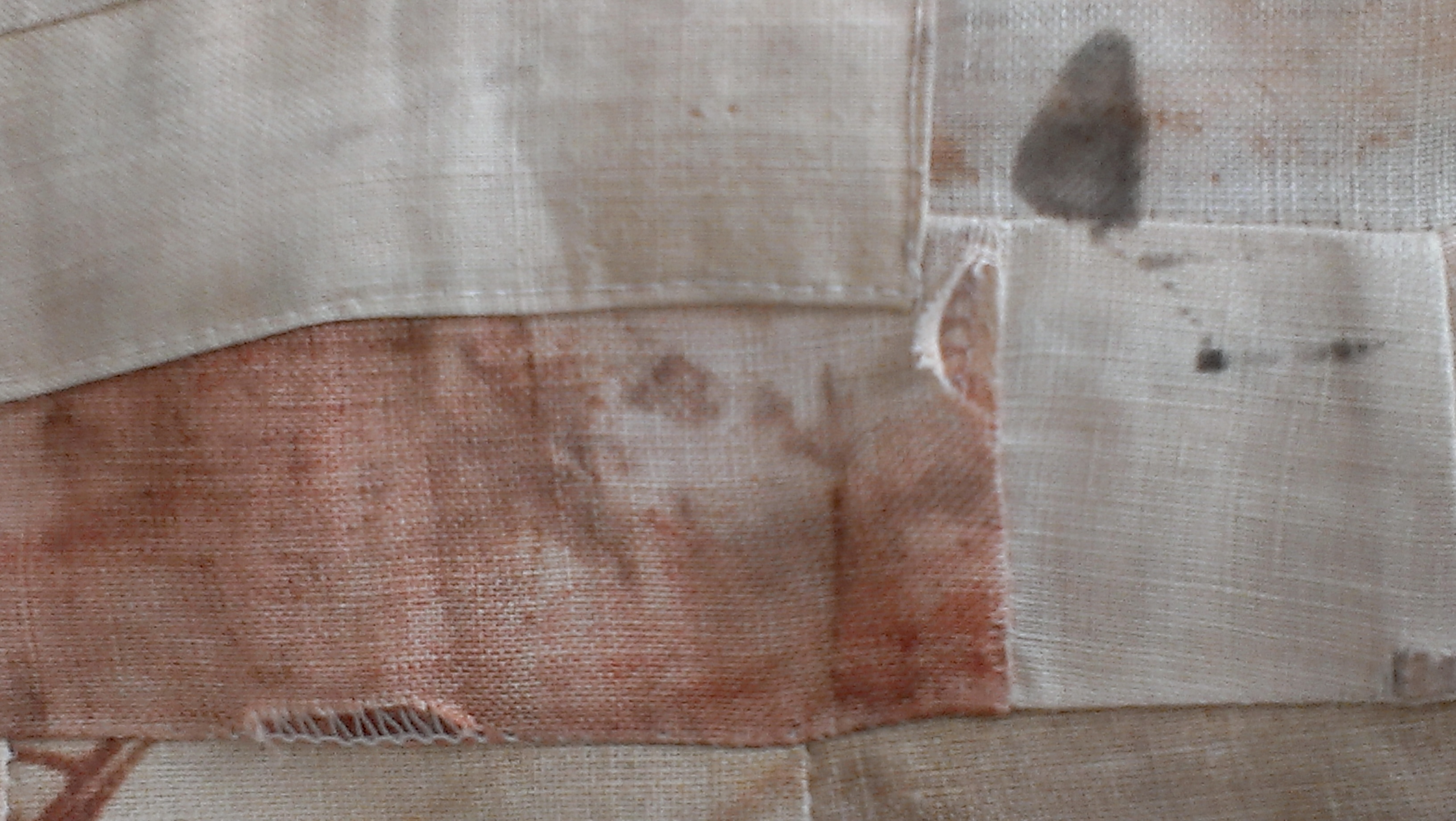
My favourite bag has already been mended rather extensively, as some may remember. But it was not to be expected that would be the last time. Not only that, but it had an encounter with a Moreton Bay Fig tree which dripped sap–or perhaps some other sticky substance–on it (the black splodge you can see below).  It was very hard to get that sap out of my hair, too, and let us not speak of my shorts… But sap was only a side detail in a glorious solstice celebration my friends organised, complete with one in a series of phenomenal home made papier mache pinatas.
IMAG3212

I had a few cuffs and collars from recent dye pots. They are much redder and blacker than the pieces which made the bag up until now.

IMAG3213

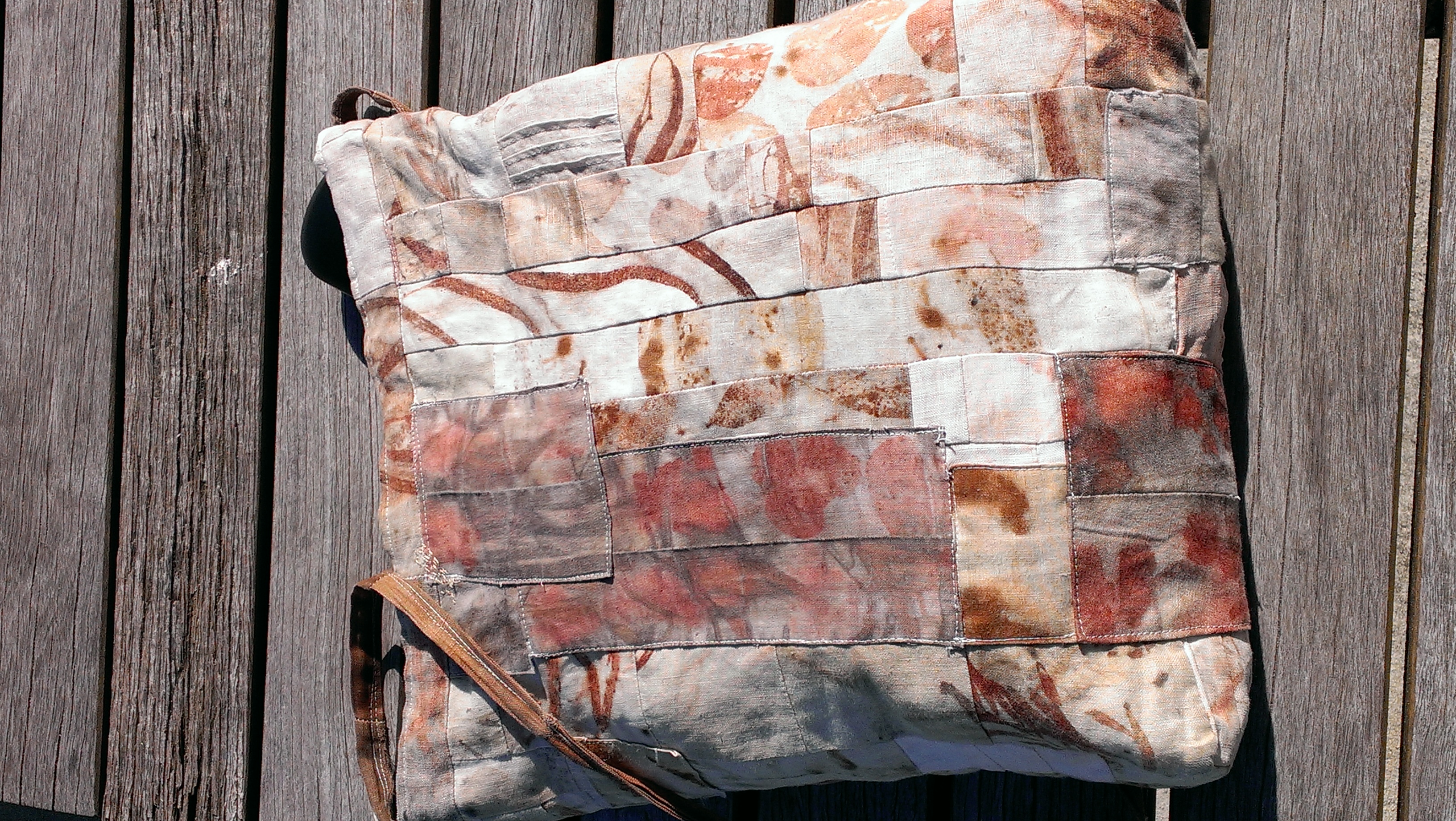
Cuffs and collars often come out best of all.  Proximity to iron? Three layers give better mordant absorption and/or better capacity to get a good contact print?  All that random interfacing? Tick–all of the above? I’m not sure, but it has always been this way for me.  Anyway… it began with a hand sewn patch at the solstice event, just so the bag could travel to Melbourne next day without suffering major trauma.  Then I ripped out the lining and went for it in all the necessary places.
IMAG3308

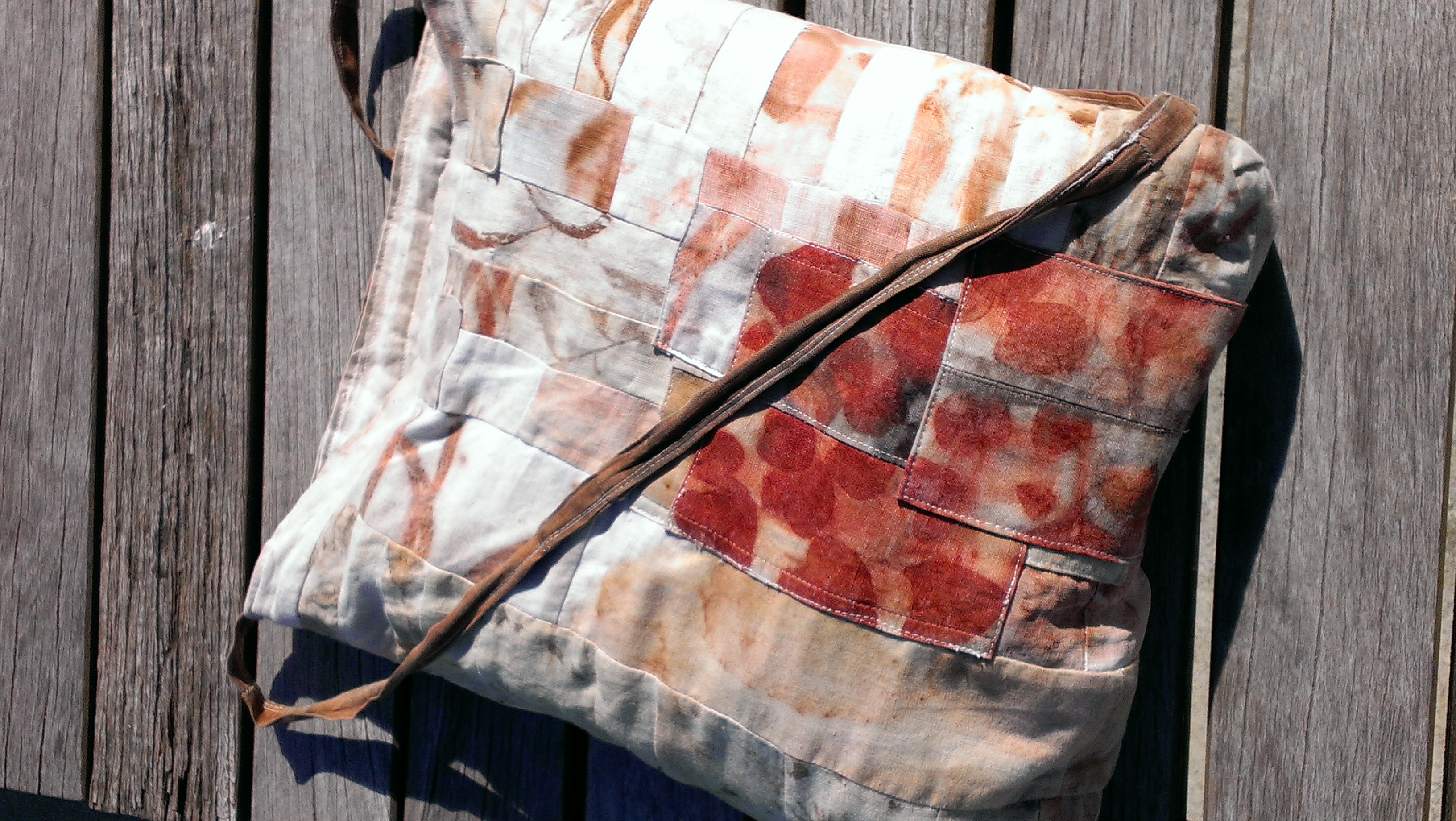
While I was on the job and pondering the unexpected benefits of interfacing, I raided my stash of intefacing of yesteryear–who knows where I inherited this pre-iron-on interfacing from? I have beena  receiving point for other people’s haberdashery for years now!  I interfaced the opening, which has worked out well in spite of my general suspicion of interfacing and the synthetics out of which most of it is made. And here is the resulting bag on a beachside bench.
IMAG3307

I know I’ve heard the philosophical debate over whether a boat whose every plank has been replaced is still the same boat. If I’d been the philosopher in question I would have had to ask about a patched pair of jeans–the place my love of mending really took root and my skills with a sewing machine seriously began to develop–or perhaps, a bag of patches.
2 Comments

Filed under Leaf prints, Sewing

A squeak of glee and a visit to the beach

I was in Melbourne when I saw that India Flint had put out a new book: Stuff, Steep and Store.  Yesterday (well, the day before I wrote this post–) it arrived in the mail and I gave out a squeak of glee.  It is short but lovely, so there was one reading before bed and another over breakfast.  I happened to be heading out to an early appointment at a suburb near the beach.  Inspired as I was, and consequently full of exciting plans, I decided to go to the beach to dip some fabric (the last of a roll of cotton sheeting from a church fete) in the sea and  collect seawater for later use.  And, of course, for a walk.

IMAG3291

I am my father’s daughter, so my walk was accompanied by the collection of glass shards from the sand.  There was also the greeting of a lot of dogs and a smaller number of humans.

IMAG3302

A great start to the day, and multiple dyeings to come.

IMAG3300

10 Comments

Filed under Fibre preparation, Natural dyeing

More tree loving craftivism

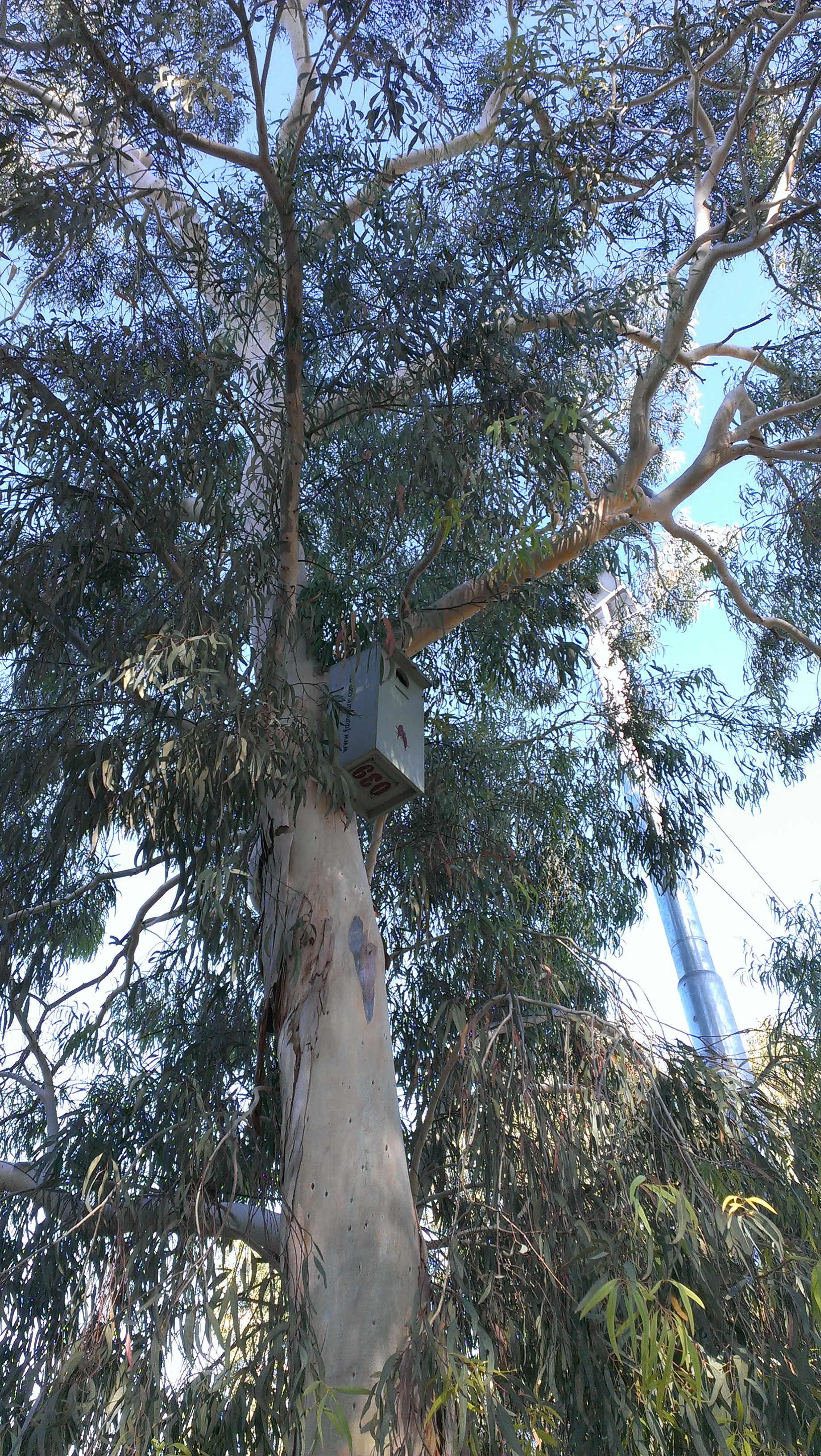
My second ‘banner’ has gone up another neighbourhood tree.  This one is my favourite E Scoparia. It was the first really promising dye eucalypt I discovered.  It used to be home to a pair of piping shrikes, who nested there in their little mud cup for many seasons.  In the last year it has acquired a nesting box and we’ve seen rosellas coming in and out of it.

IMAG3385

This is the tree my friends and I have been mulching and weeding and we have planted in an understory of native ground covers, mostly forms of saltbush, which are now doing really well.  If you have been reading a while you will have seen this tree protected from passing Royal Show foot traffic in earlier posts here and here.  Those images show how much the groundcover project has progressed in the last 18 months or so.  In the beginning, people would remove plant guards, pull out small plants soon after we put them in or just trample young plants by accident.  Not any more.  I think the evidence of care and the success of the surviving understorey plants generates more thoughtful treatment from passersby, and it’s clear that lots of local people now understand that their neighbours are making efforts that are transforming an almost bare patch of hard earth scattered with weeds and rubbish, into something lovely.  I collected the rubbish that had landed under it this morning and maybe that is ebbing a little too.

IMAG3388

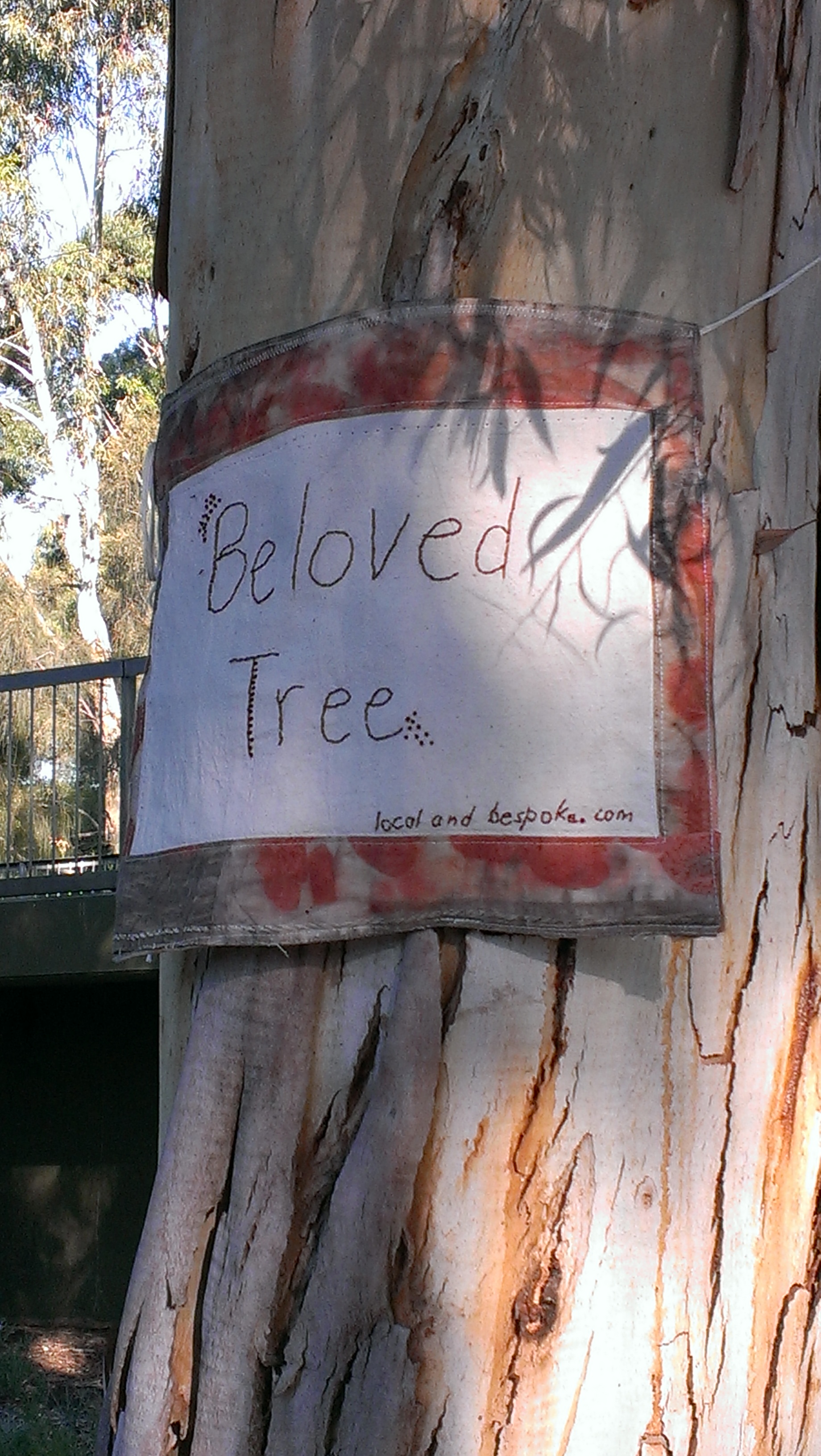
So, four of us stood and admired this tree, delectable breakfast smoothies in hand, and tied on this little banner of admiration and appreciation.

IMAG3387

And here’s the full length picture…

IMAG3391

Leave a comment

Filed under Craftivism, Dye Plants, Eucalypts, Leaf prints, Neighbourhood pleasures, Sewing

Tree loving craftivism

While I was in Melbourne, I found Sarah Corbett’s A Little Book of Craftivism.  Yes, it is literally small, but inspiring out of proportion to its size.  It is about the work of the craftivist collective, together with proposals about how the reader might engage in their own craftivism.

IMAG3245

For those who might be wondering… one definition of craftivism: ‘Craftivism is a way of looking at life where voicing opinions through creativity makes your voice stronger, your compassion deeper & your quest for justice more infinite.’ More at the link.

I loved this little book from the beginning. This is activism of a gentle, slow kind.  It isn’t the only kind of activism the world needs.  But every social movement needs a variety of approaches–I’ve participated in many–and gentle is one of them.  This book is packed with organising wisdom, clear instruction, pictures that inspire and make you wish you had been there and examples of projects from the small to the enormous that offer plenty of scope for DIY.

IMAG3361

For a view of the book and its content, click here.  For a brief review with links to multiple other reviews and ways to purchase online other than through amazon, click here.  To purchase from the craftvist collective itself, click here and check the sidebar.

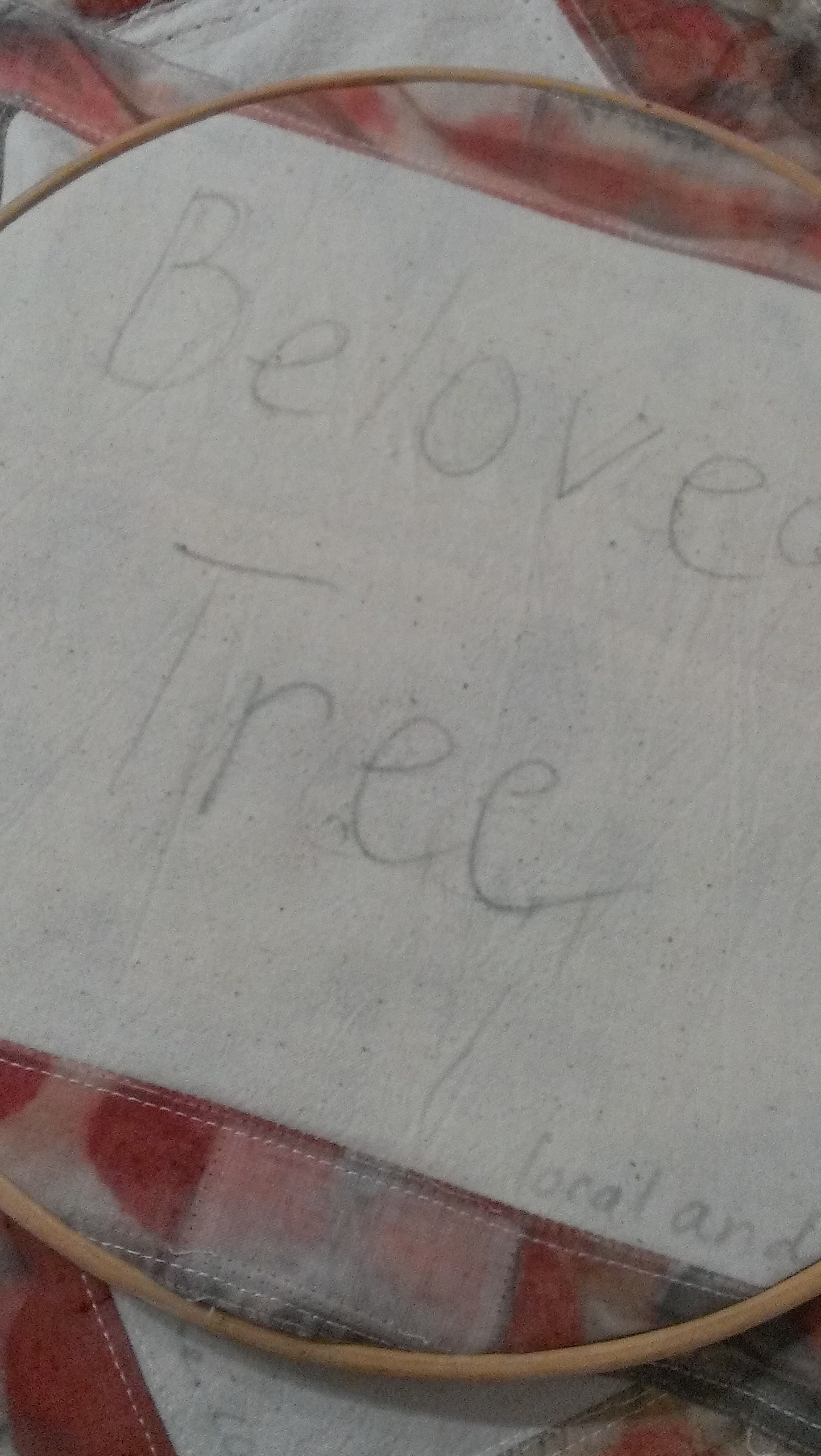
Did I mention finding this book inspiring?  I think it’s one of the highest compliments that you could pay to a book of its kind to say that I immediately wanted to go out and make some of the projects in this book and could immediately see places that could happen to good effect. Not only that, I tried my ideas out on my nearest and dearest and then created them.  My ‘mini protest banner’ is a little different to the cross stitched versions in the book–but nevertheless the same concept.

IMAG3241

I took:

  • a calico sack from a local business for my banner background (I offered to take the offcast bags from a shop and they accepted)
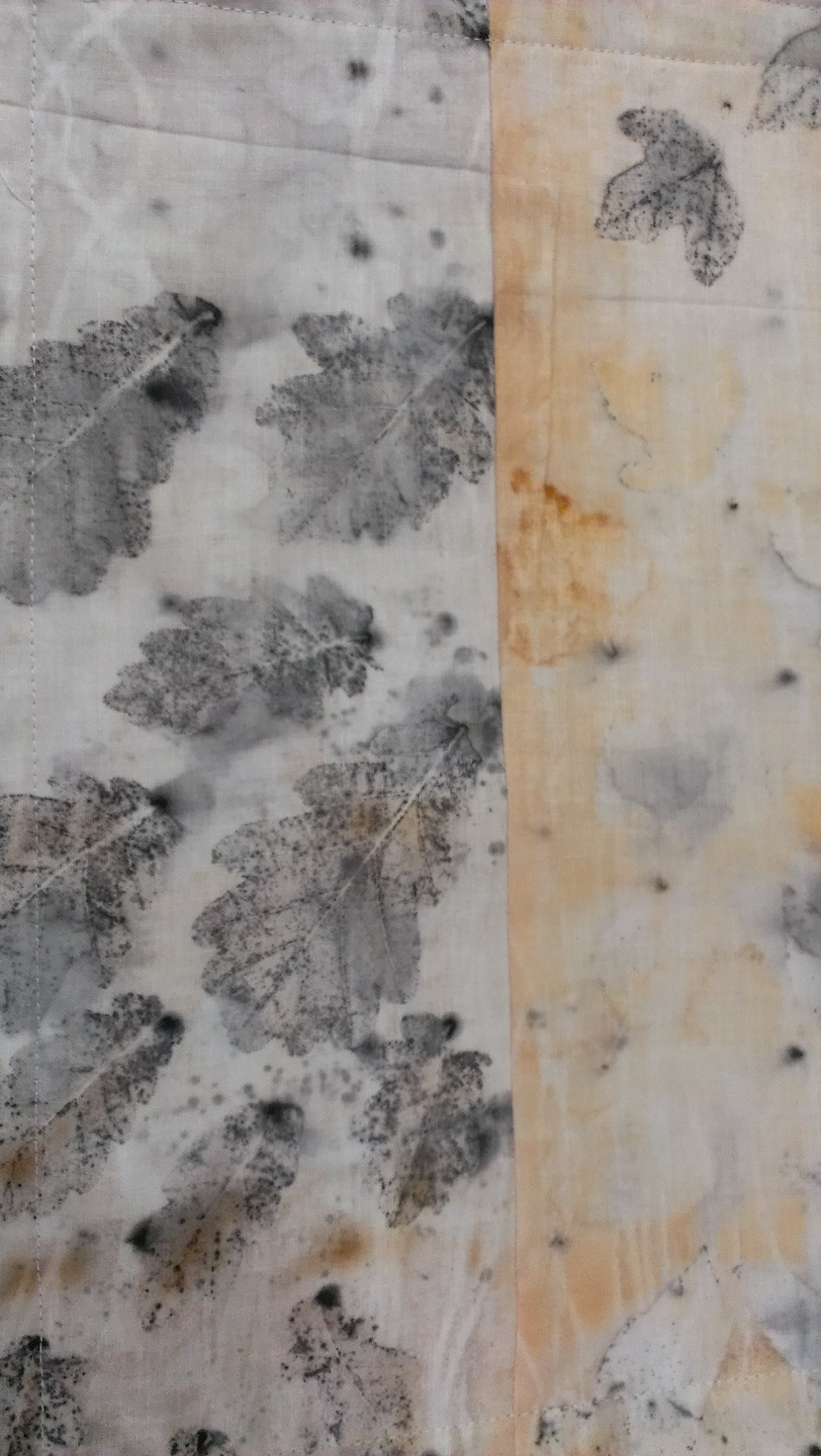
  • some not-so-glorious leaf print experiments for backing
  • some leaf-printed collars and cuffs for my frame
  • some eucalyptus dyed silk thead and
  • some secondhand bias binding… and…

Before long I had made two banners.  We hung the first one today. One of my friends offered the view that every day was a good day for this kind of event (I guess we’re friends in part because we agree on things like that!) so we had cool drinks of water and cherries and chat and then went out to admire the tree and tie on.  The 6 year old present wants to make more banners, which is additionally promising.

IMAG3366_1

This banner celebrates a river red gum (E Camaldulensis) that we managed to save from being cut down last year, with help from other local people and our local MP, Steph Key.  It has a legally mandated 3 m exclusion zone around it to protect the root zone, but this is not being observed very well lately and I want the people responsible to know that we care.  I had to measure the tree to be sure I had stitched on enough tape:  3.6 m (11′ 9”) around the trunk, well above the ground.  To give you a sense of its size… and the relative size of the banner (which is in the picture), I give you the full view.

IMAG3373

4 Comments

Filed under Book Review, Craftivism, Eucalypts, Leaf prints, Neighbourhood pleasures, Sewing

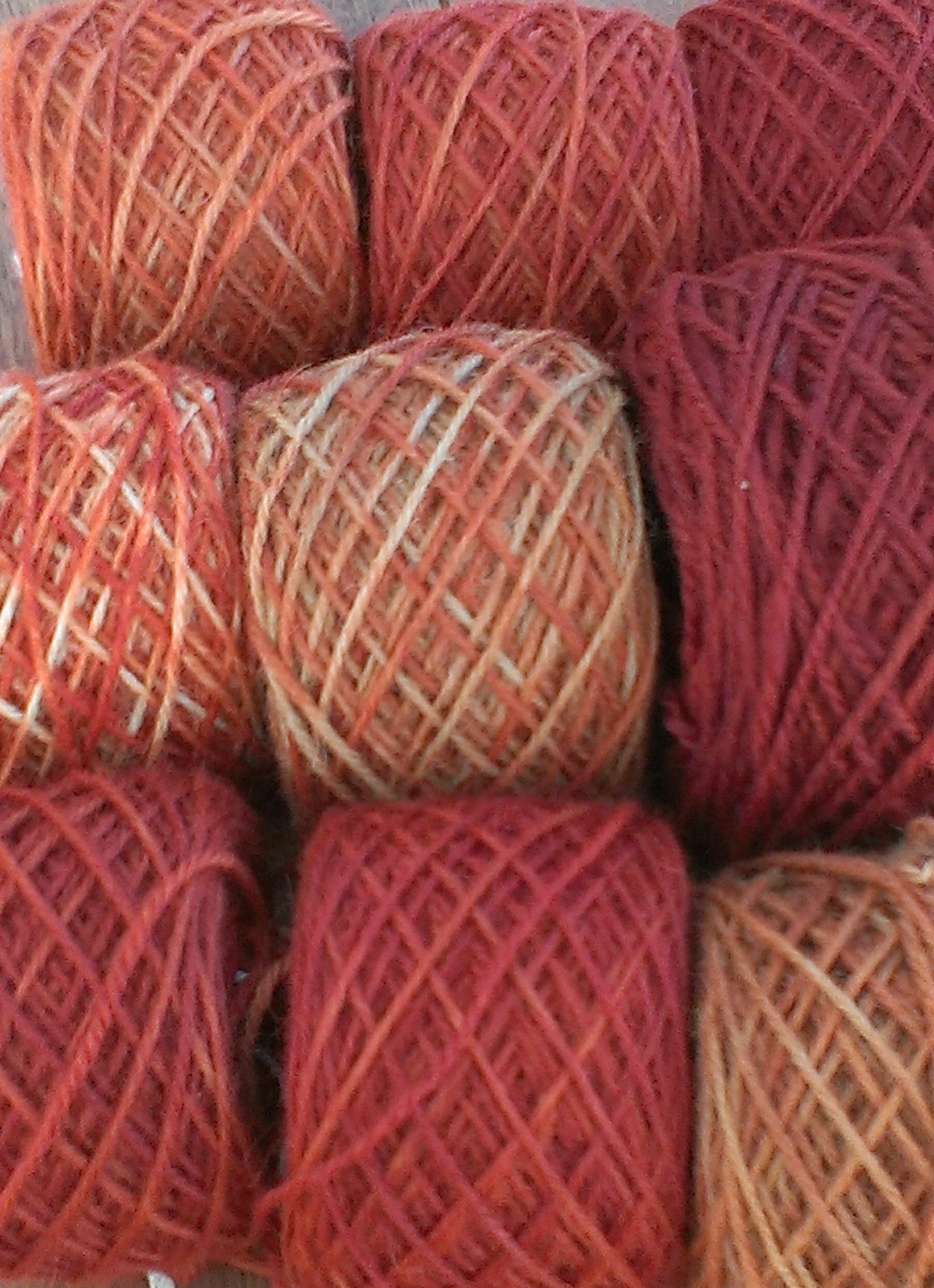
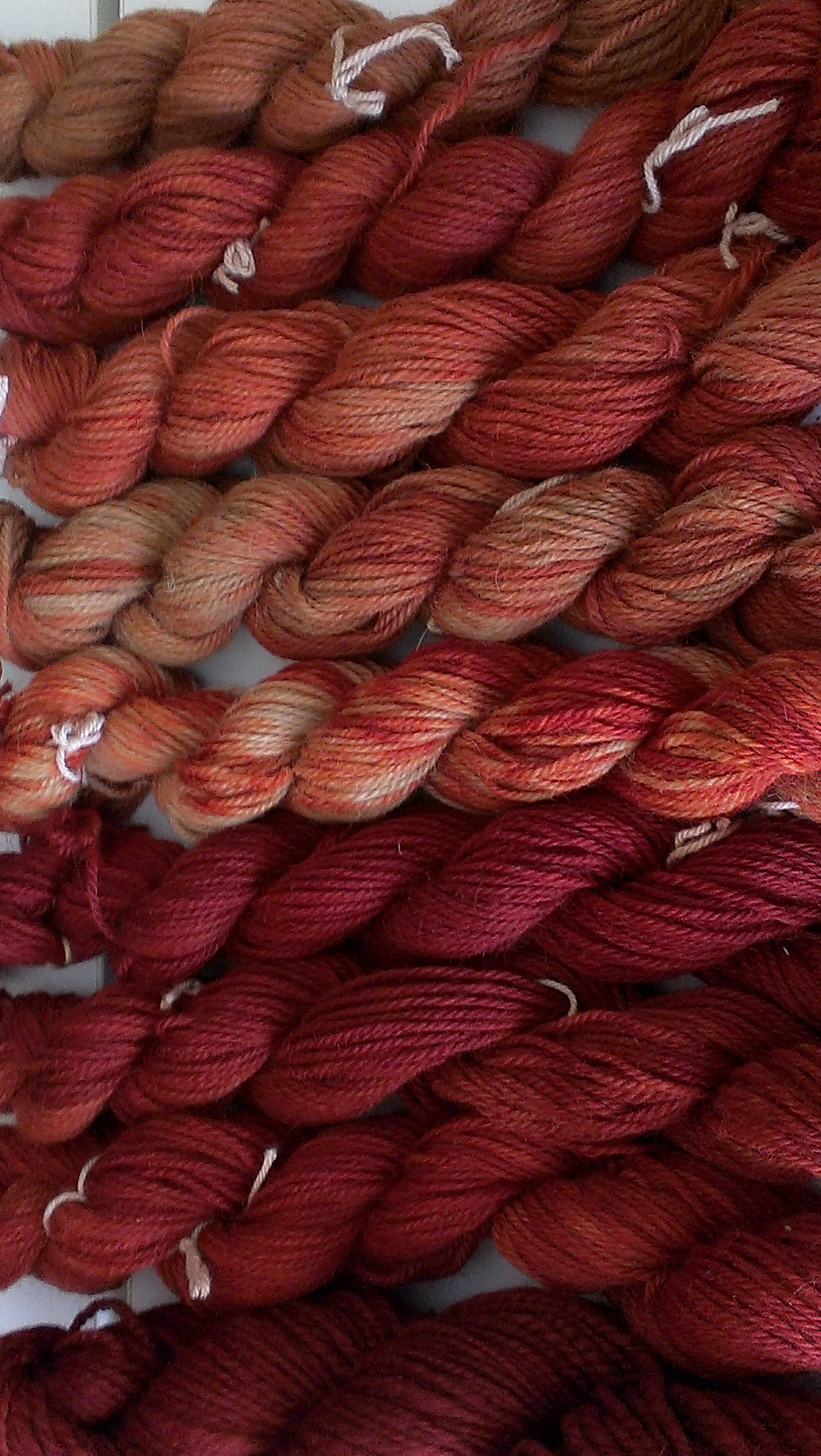
Bark dyes on alpaca and wool yarn

Here it is… some of my holiday knitting, ready to go!

IMAG3146_1

Last year I ran some workshops at the Guild, and I ended up with quite a quantity of Bendigo Woollen Mills Alpaca Rich in a shade of white called ‘rich magnolia’… which I was never going to use in this colourway.

IMAG3039

So… I have been skeining and dyeing it. Unevenly…

IMAG3135

More evenly…

IMAG3134

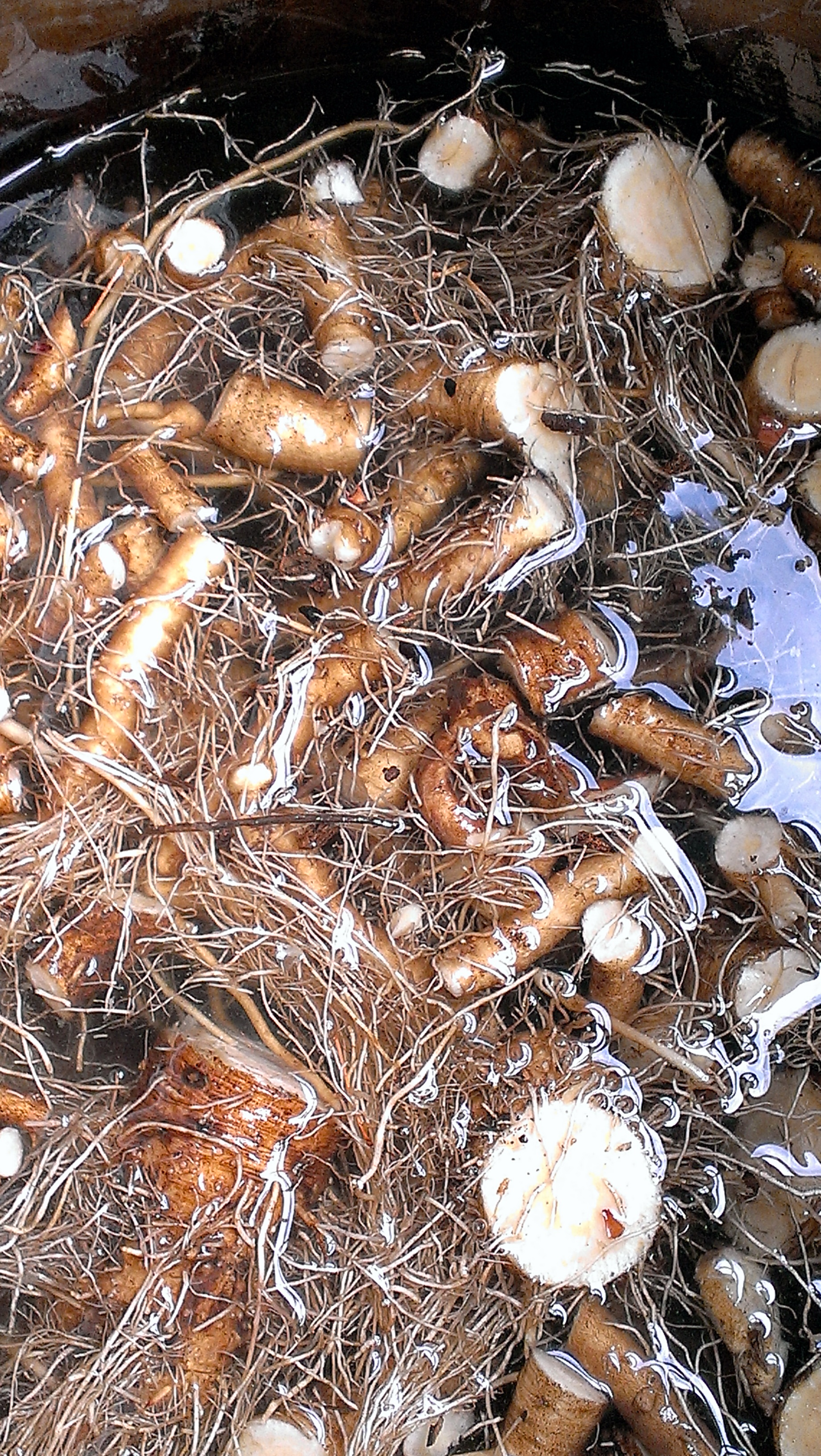
And in quite a range of shades.  The one right at the bottom in the picture below is handspun that had been mordanted with alum, dyed in logwood exhaust, suffered some kind of surprise bleaching episode in our laundry and then gone through two eucalyptus baths.  It looks great now, but what a soap opera of a story!
IMAG3136

And now… turned into balls and ready to be holiday knitting! Would you believe… slippers?

IMAG3141

9 Comments

Filed under Eucalypts, Natural dyeing

Leaf printed t shirts

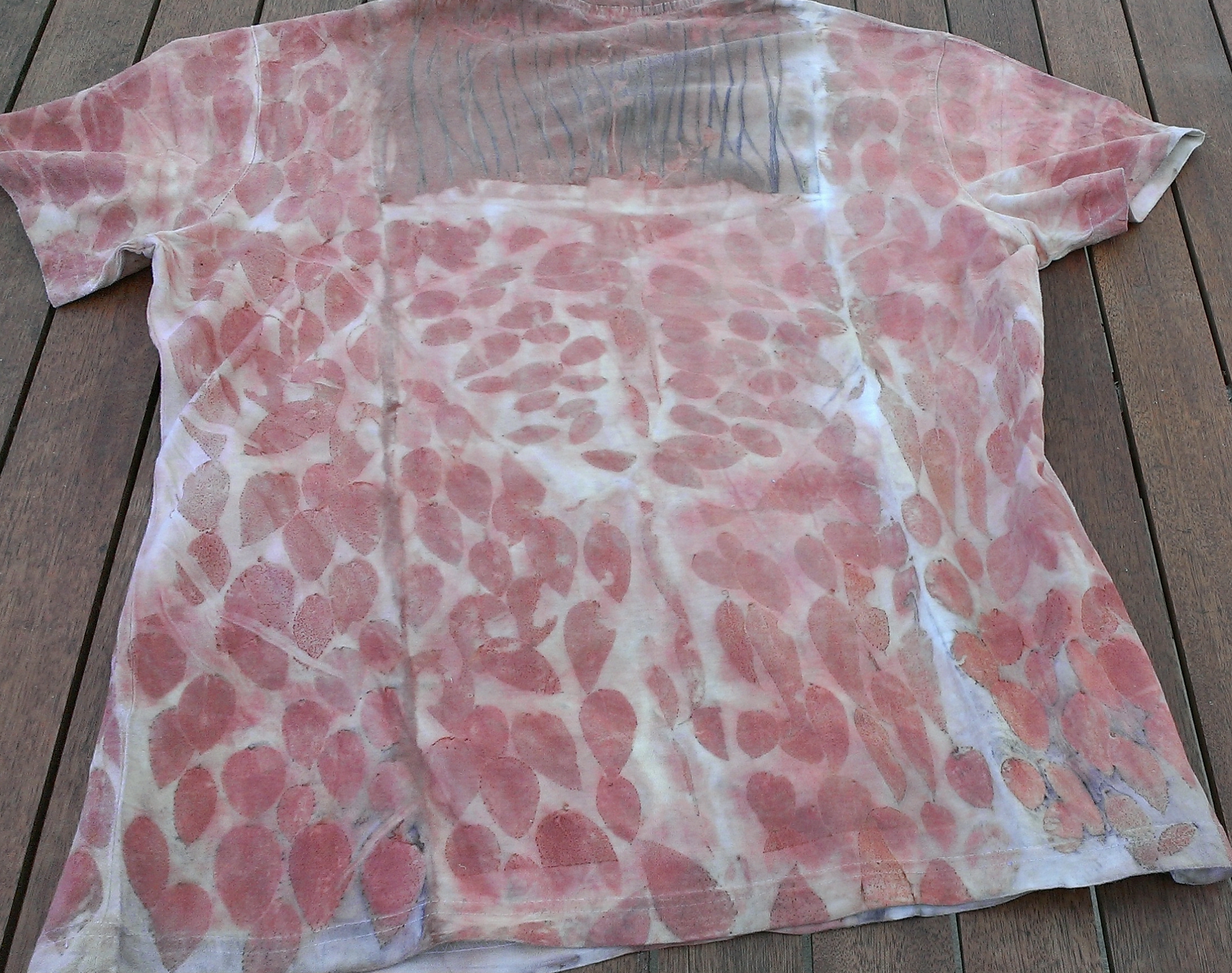
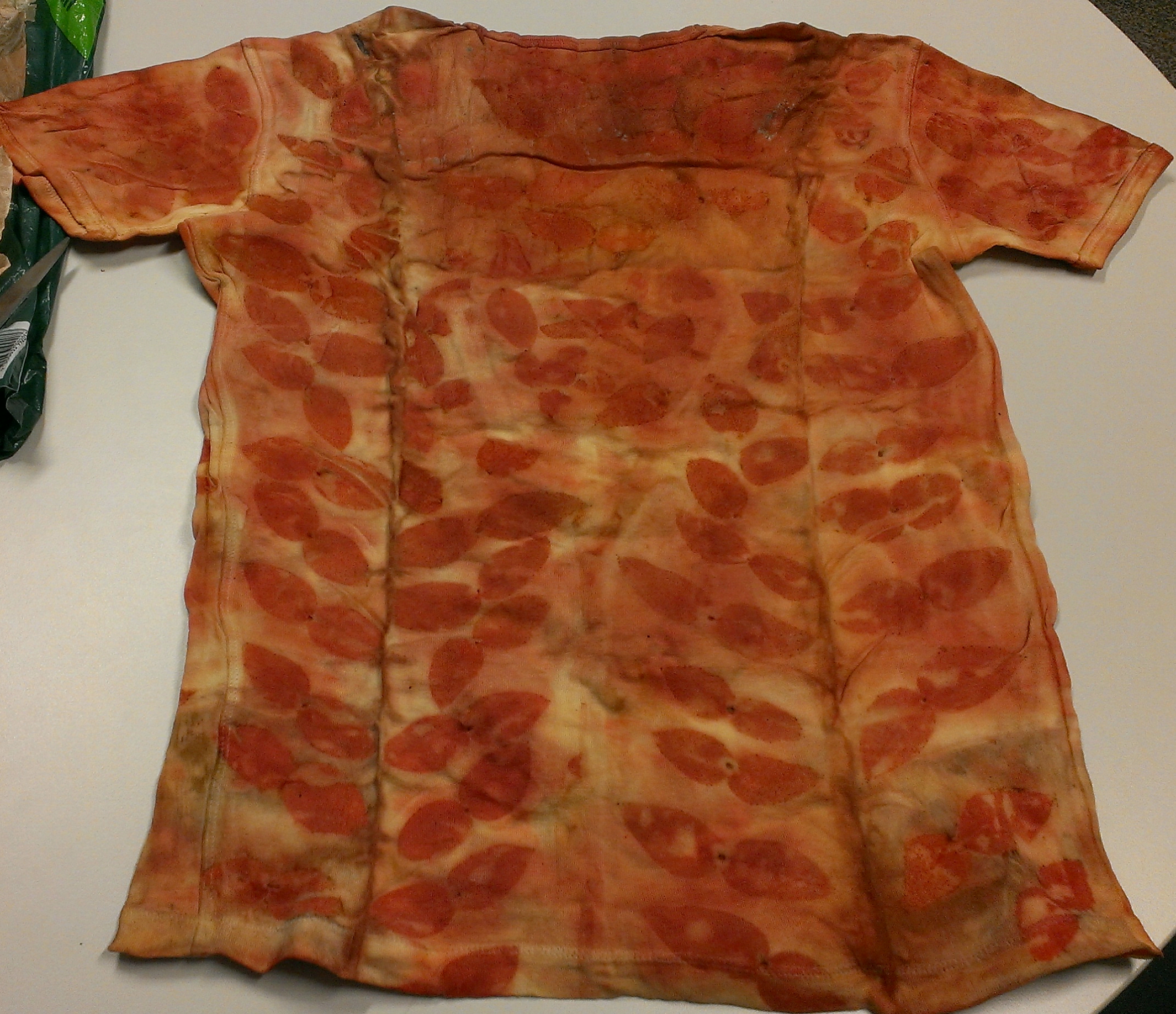
Last year, three t shirts from the op shop (thrift store) found their way into my soymilk bucket.  They have been sitting in a little pile since then, but recently they made their way into the dye pot. This one is for a treasured friend who has been waiting a while since I checked size with him.  The first picture (of the front) gets the colour about right and the second one (further below) is inexplicably different though taken within minutes!
IMAG3257

The leaves are from another friend’s Eucalyptus Cinerea.  It needs trimming to keep it out of the hair and eyes of passersby and I have generously offered to help!

IMAG3259_1

Yet another friend (perhaps I should ask my dear friends if they are happy to be named online!) visited on dyeing day so I gave her this next one and she designed its new leafy incarnation.  On the day I am writing I brought it in to work still bundled and tied with string, and she opened it on her office desk over lunch.  We experimented with putting these garments in a dyebath, rather than just into a simmering pot of water, and that is the reason for the overall orange that is strongest up near the neckline on the back where the fabric absorbed the dyebath most strongly.

IMAG3284_1

I think her design is lovely…

IMAG3281_1

The third t-shirt was a pale grey one.  I bundled it up in the morning and gifted it, cooked, but still rolled and tied, to a friend who is completely enchanted by the eco-print process and who has been facing tough times lately.  I’m hoping unwrapping that bundle gladdened her heart in these challenging times. It sure gladdened my heart to have her visiting us.

While we’re talking t-shirts… I couldn’t help noticing that two of the three were made in Bangladesh, a mighty long way from Adelaide.  For anyone interested in viewing the global garment trade from the perspective of a single t-shirt (though not one of these leafy t-shirts!) Planet Money from US National Public Radio has made a series on the subject you might like to check out.

Hopefully that’s three op shop t-shirts that will now have much more exciting second lives, with much less travel involved!

11 Comments

Filed under Eucalypts, Leaf prints

Knitting for the beloved

My mother-out-law is a charming and delightful woman who is a fabulous seamstress.   (I say out-law because her daughter and I are not married, and not likely to be… and there is no option for our marriage in this country for us even if we were marrying types).  She clearly sewed wonderful garments her whole life and keeps telling me this latest frock will be her last and that she is giving up sewing, now, in her mid eighties.  Knitting she likes less, and has less confidence about.

So it was with some surprise that I saw her decide to knit a sleeveless vest for my father-out-law, who in the usual way of such things is a whole lot bigger than her.  All the more surprisingly, she chose 5 ply (fingering) 100% alpaca for the job, ensuring that there would be many thousands of stitches involved.  I happily cast on for her and knit the ribbing, wondering why she was doing it, especially as they live in tropical Brisbane.

I think the answer is all about love.  The love of her husband of over 50 years, and the love of the friend who can no longer knit who gave her this delectable yarn.

Over the last 3 or 4 years I have had progress updates.  At one point I turned a pesky purl that had slipped into the stocking stitch of the garment–fifty rows back–into the knit it was always destined to be.   The friend who taught me that trick has earned my undying gratitude!  At some stage I cast on the front and knit the ribbing for that.  When they visited recently it was clear that the enormity of the task was grinding her down,  with the back finished and about 1/3 of the the front done.  So I offered to finish it, with some trepidation about whether my skills would be up for the job at the level required.

IMAG2872

I chose needles a size bigger that she had been using, because she is a loose knitter and I am a tight knitter, and hoped for the best.  I knit away for some while before I realised there was an added stitch with a companion decorative hole, beginning an additional column of stitches well below the marked line where her knitting ended and mine began.  I ripped back and started from that new point.  After a while I saw that I had made a hole and a new column of stitches exactly the same way, ripped back again and continued up.  I got to the neck with some excitement and then realised it looked wrong.  On closer inspection, and with new respect for the improvements in pattern drafting I have enjoyed having taken up knitting long after this one was printed, I realised I was trying to knit a v neck using the instructions for the crew neck.  I ripped out that side of the neck and then a good 20 cm or so to get to the point where a v neck should begin… and then went again.  I cast off the upper edges too tightly for them to match the back and had to rip that out and re-knit.  Then I soaked it overnight and set it out to dry.

IMAG2875

After all that had gone wrong so far, I was immensely relieved to see all the puckering and the line where the baton passed from one knitter to another had vanished and the fabric looked great! Next, for the finishing parts… seaming, neckline and arm bands.  Instructions that go ‘pick up and knit 186 stitches evenly…’ always freak me out a bit!

Toward the end I was being cheer squad at the Moana Beach Triathlon and could not resist a Yarn Harlot shot of the vest at the beach.

IMAG3094

By the time you read this, the vest will have been reunited with the first knitter and then with the intended wearer.  I hope they both love it.  I certainly love them profoundly for making me so welcome in their family.

IMAG3167

12 Comments

Filed under Knitting

How to make your own pattern envelope–and any other envelope you fancy!

Perhaps you don’t need your own pattern envelopes.  But since I started drafting my own patterns–often from clothes I own and enjoy–and sometimes because I have created something from scratch and want to be able to duplicate it–I do need pattern envelopes.  There is a simple solution: re-use.  I often do this, since my workplace generates envelopes in a  suitably generous size.

IMAG2897

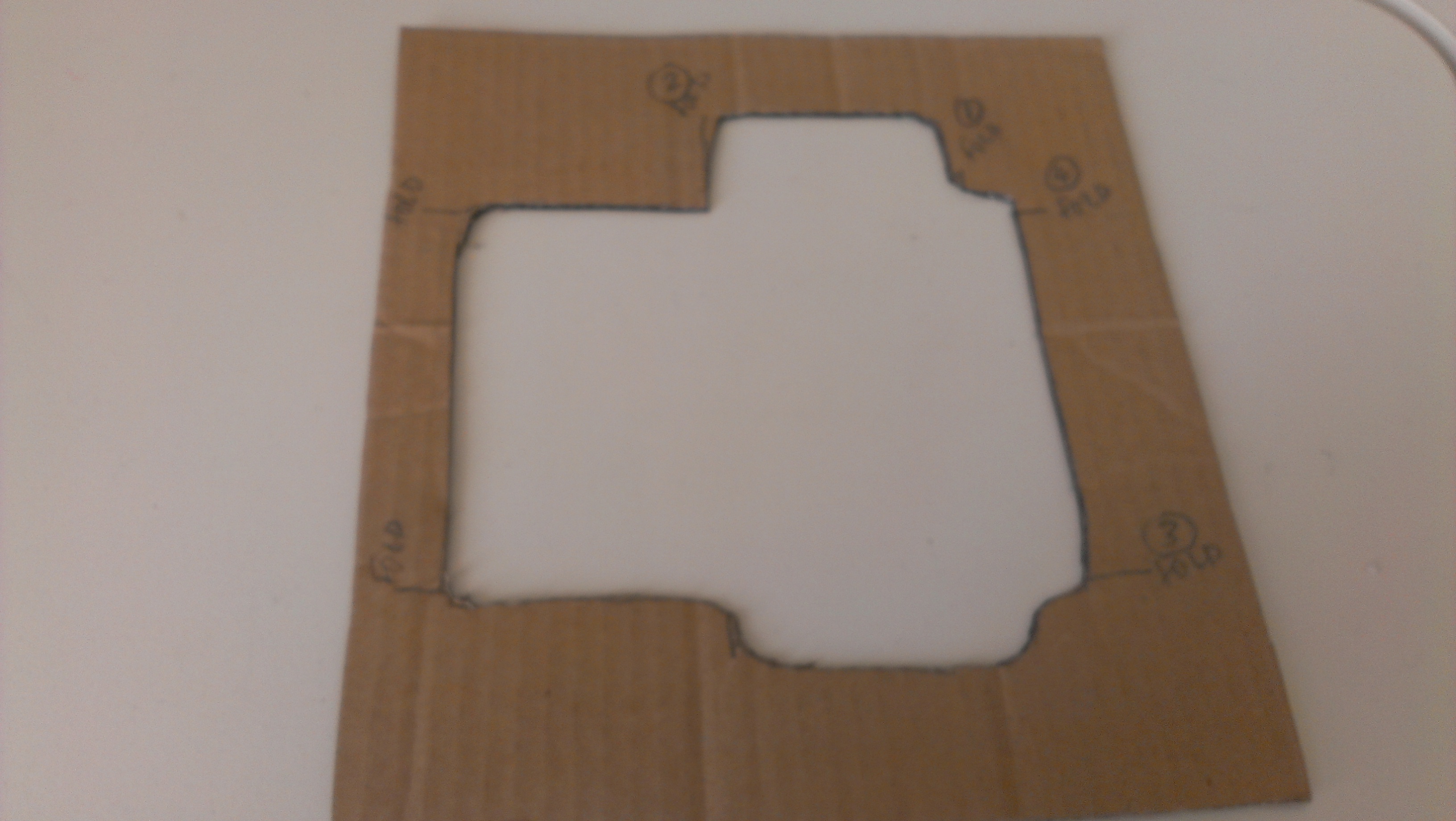
But when that fails–or I feel like it–or I have paper too lovely to throw away but not capable of re-use as it is–like calendar images–I make envelopes.  Card sized, seed-saving sized, or pattern sized. DIY is splendidly simple.  You start with an envelope that works for you and either pull it apart or draw it to scale and then cut your own template from cardboard.  You can make one with the envelope shape cut out of it:

IMAG2882

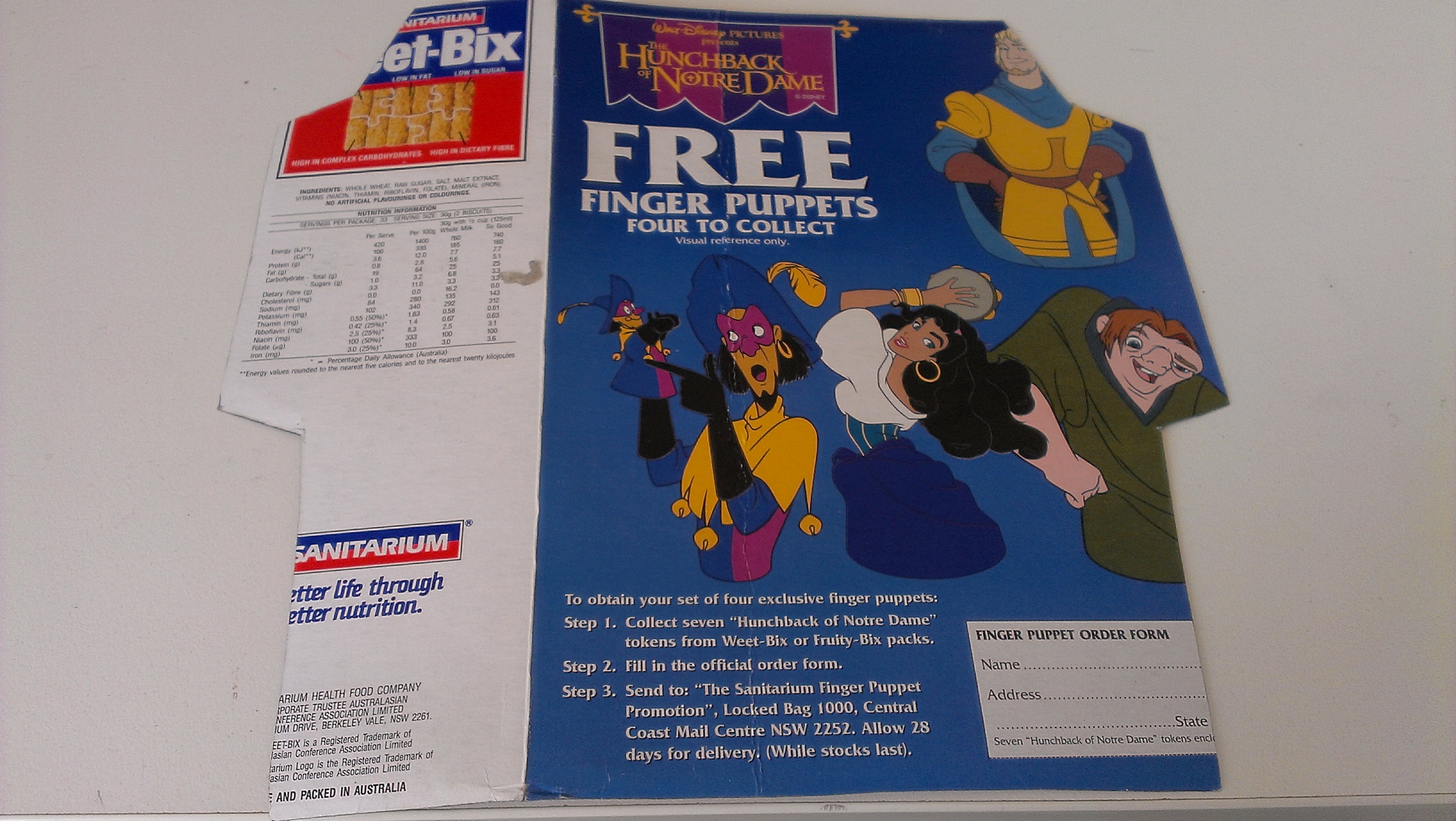
You can make one that you trace around–cereal boxes are perfect for this:

IMAG2883

Then, the world is your envelope-making oyster.  This old William Morris calendar just became pattern envelopes, and an extremely cute zine just became seed saving/sharing envelopes, as you can see in the images further below.

IMAG2880

Here are the steps…

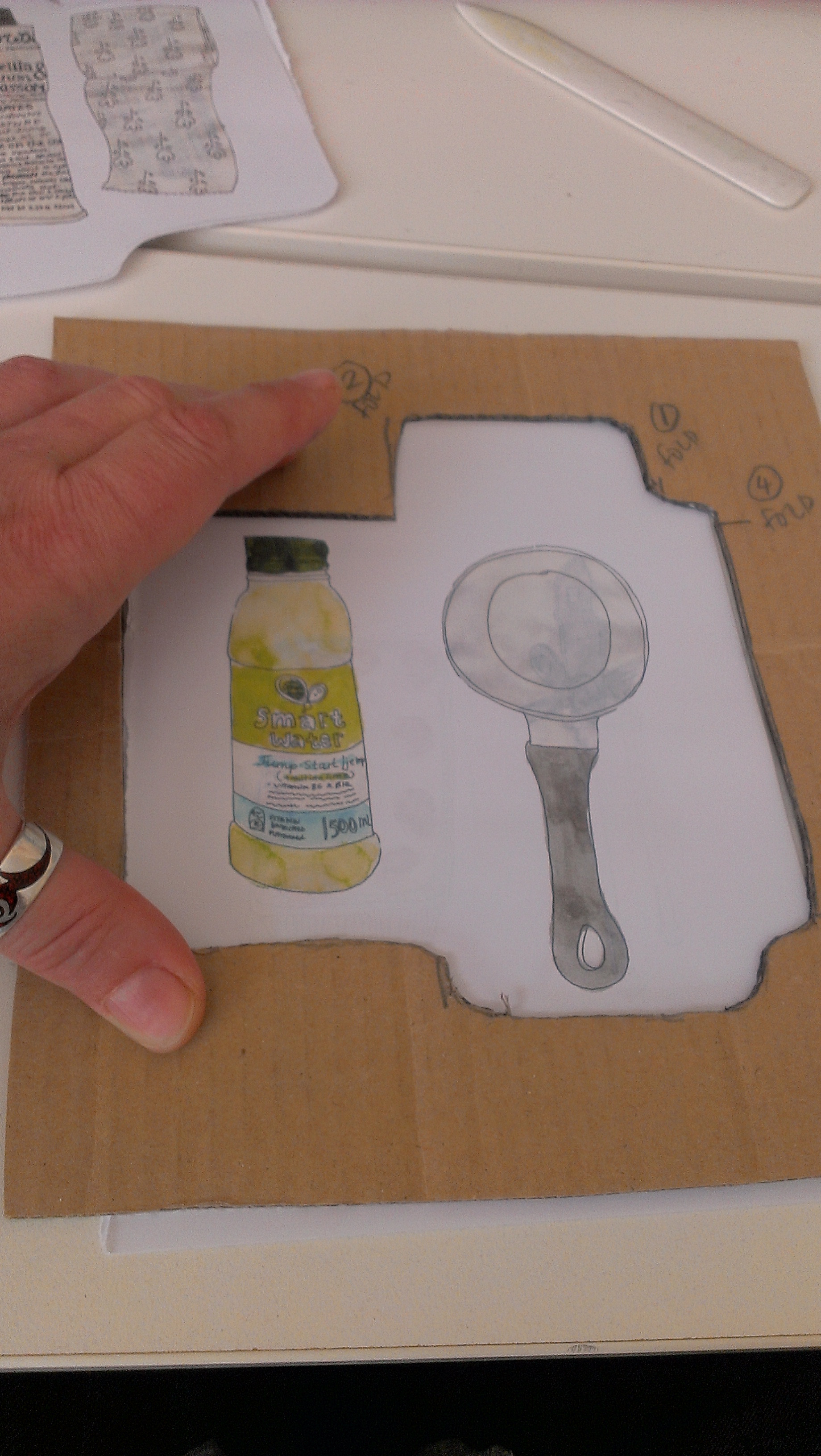
Trace your shape in pencil, being sure to hold the template firmly against the paper or card:

IMAG2889

After tracing:

IMAG2891

Cut out:

IMAG2892

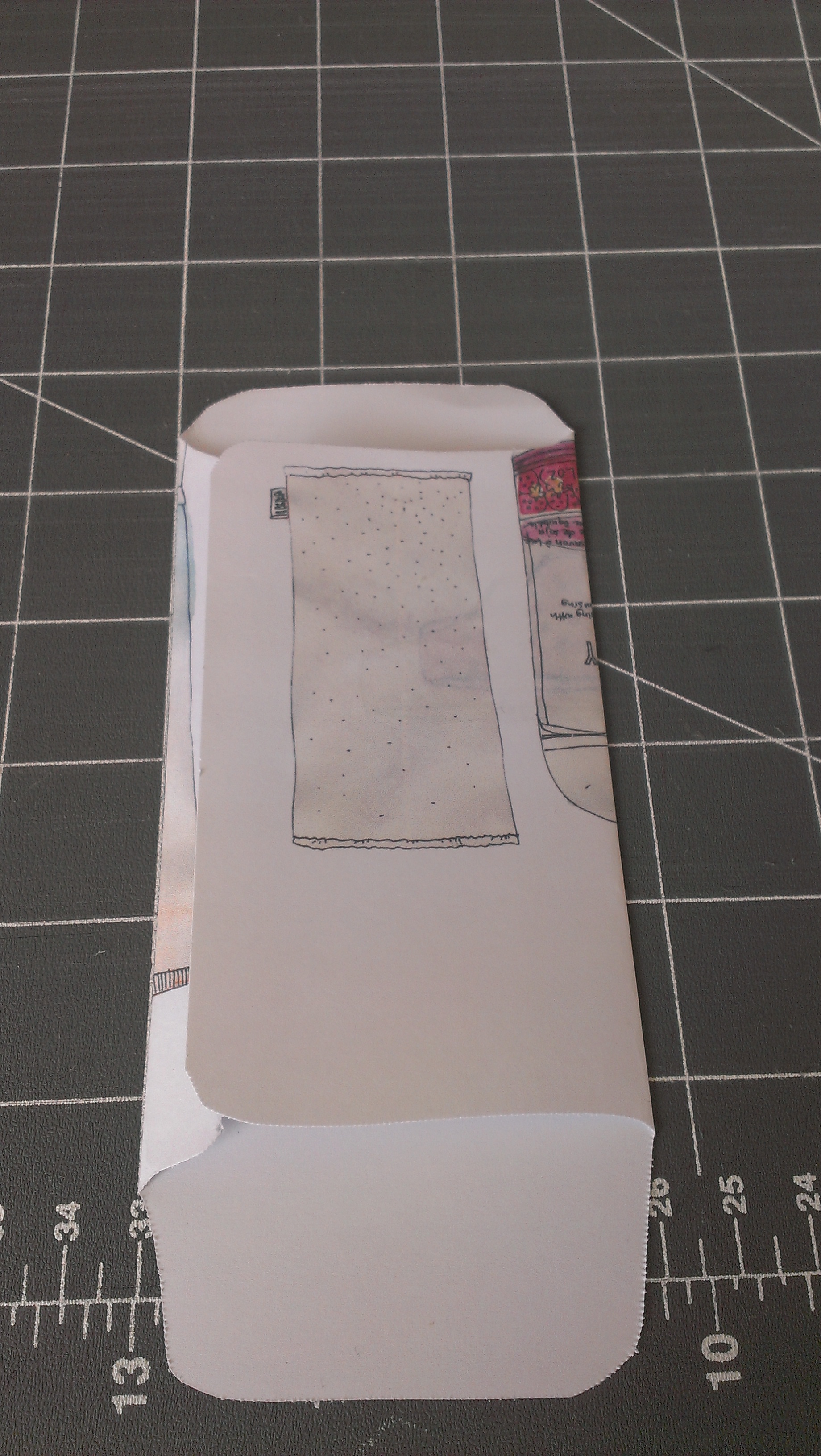
Fold (I use my rotary cutting mat to help keep folds square-ish).  Use a bone folder if you have one, or rub your folds with the bowl of a spoon to create nice crisp folds:

IMAG2894

Tip for seed savers: ensure that when you fold up the bottom seam of a seed saving envelope, you fold up a generous overlap, leaving no gaps that might allow tiny seeds to escape. Same again with the top flap.

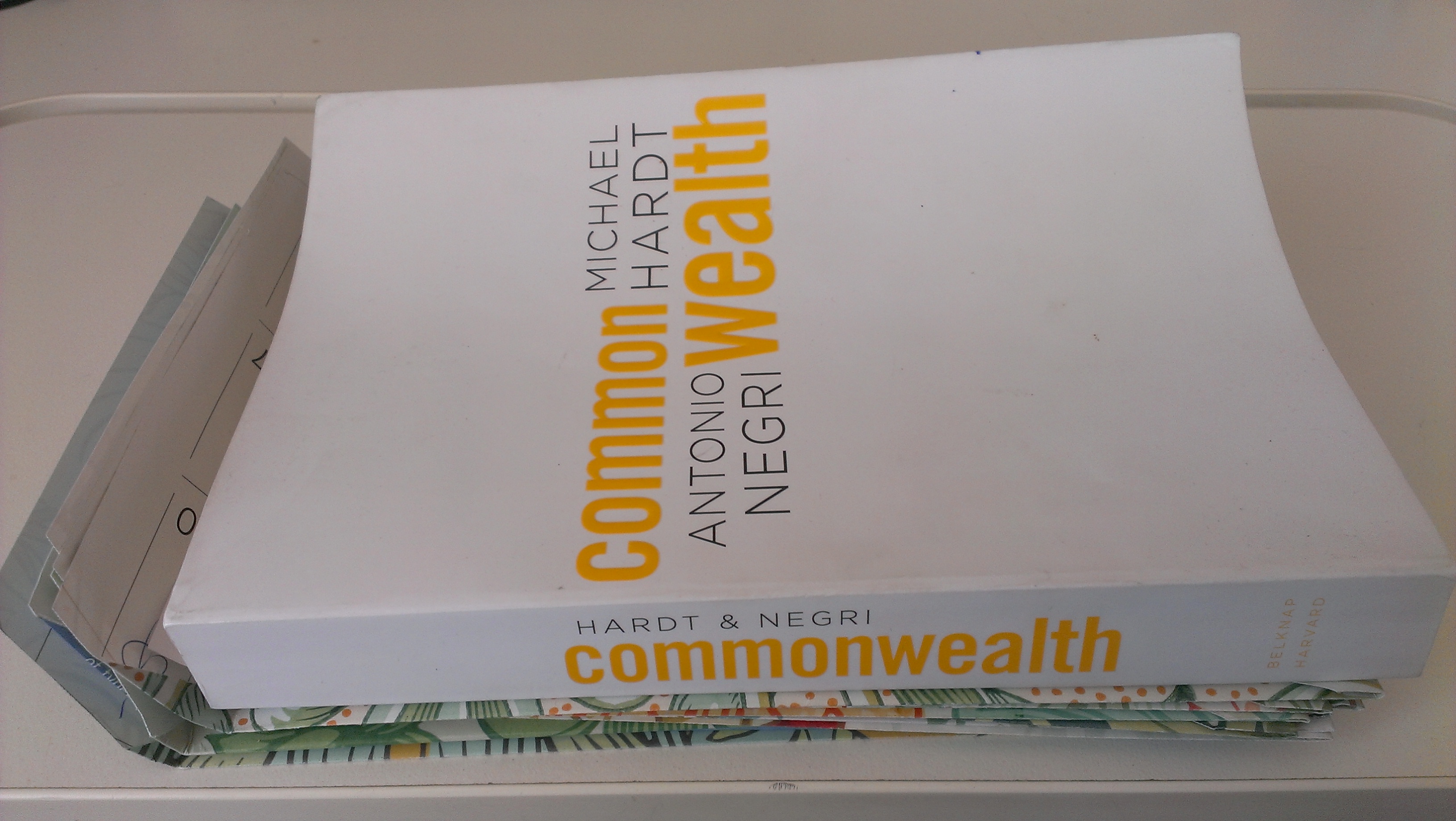
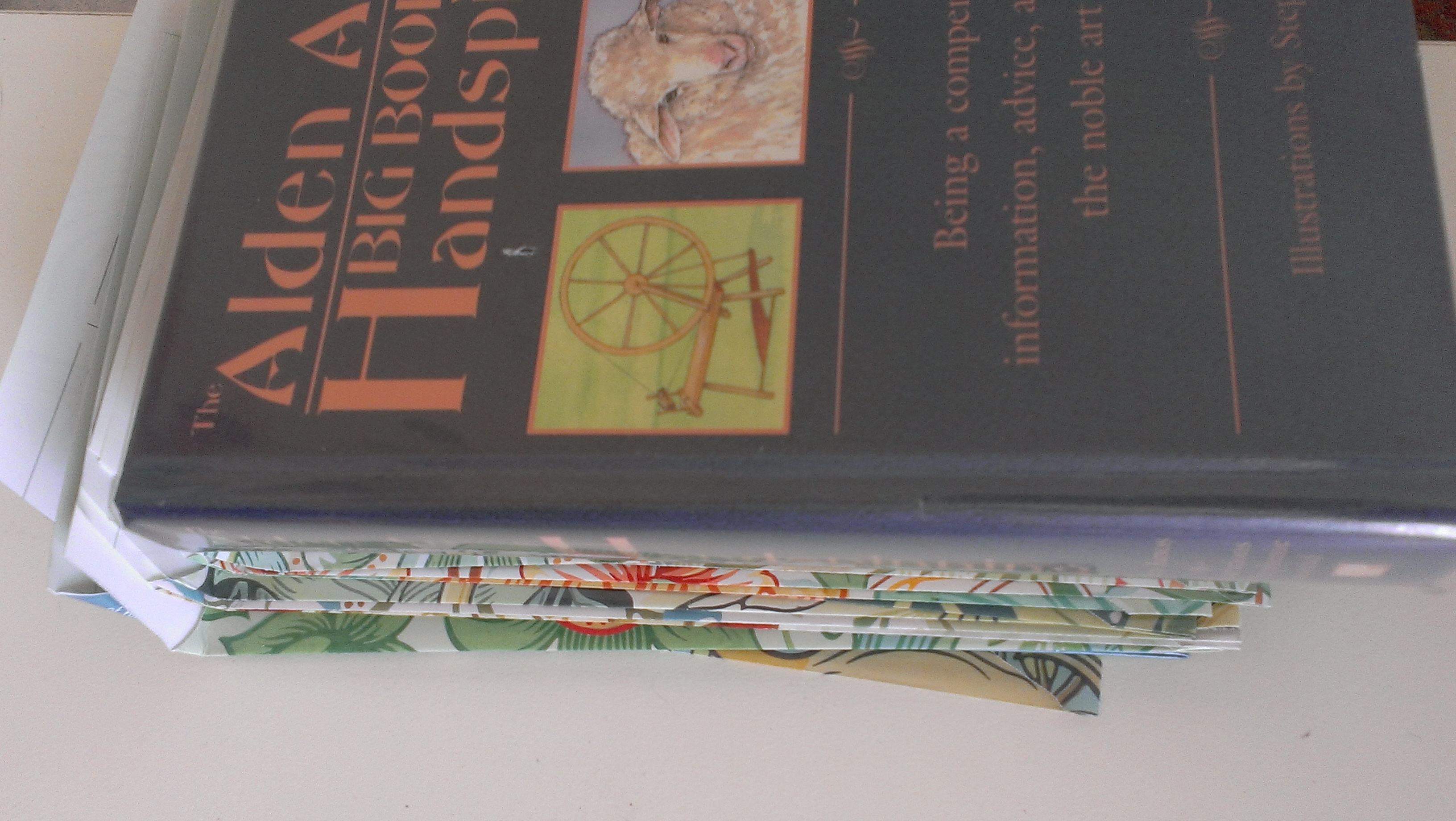
Finally, glue seams, being sure not to apply glue in places where it can escape and stick the inside of your envelope together, and apply a weighty book so your envelopes dry nice and flat:

IMAG2888

Enjoy!

2 Comments

Filed under Sewing

Dyeing experiment: Chicory ‘Red Dandelion’ root

I have seen quite a few claims that it is possible to get red dye from dandelion root in print.  But not usually with any detailed instructions.  In Craft of the Dyer Karen Casselman said she had tried numerous times without success to get red from dandelion root.  She invited readers to write in if they knew how it could be done. I don’t know how it can be done.  But when I started growing Chicory ‘Red Dandelion’ the stems and leaf ribs were such a vibrant deep red I promised myself I would try it out just in case.

IMAG2062

Many a happy dinner has come from this plant! When I harvested the root the plants were huge, and full of blue flowers, and falling all over other vegetables, at more promising stages in their life cycles.  Out came the chicory, destined to become chicken happiness.  Here are the roots, just as unpromising looking as dandelion roots (in the matter of red dye at any rate).

IMAG3048

Chopped and soaking:

IMAG3051

After an hour of cooking:

IMG_0007

Those roots had not released any colour at all.  So–one more dead end in the mystery of red dye from dandelion roots… There is a dyer on Ravelry who says she has achieved red from a specific dandelion by a cold ammonia process… but her description is not like any dandelion I have seen here so far…

5 Comments

Filed under Dye Plants, Natural dyeing

Fractal spinning

IMAG2820

One of my lovely friends was travelling through country Australia whe she saw this braid and thought its colours were gorgeous–and then had the insight that I would know what to do with it!  I would tell you the dyer’s name or the fibre content (merino, at a guess) but it didn’t come with a label.  Around the time it arrived I read the second issue of Ply!  Magazine and the article on fractal spinning had me thinking of this braid.

IMAG3128

I decided to try–as I have never tried fractal spinning before. And this is the result… which might make a good hat for the friend who liked its colours so much…

IMAG3131

6 Comments

Filed under Spinning