Tag Archives: think globally

Trying out Stuff, Steep and Store

I mentioned a while back that I let out a squeak of glee when I got my copy of India Flint’s new book Stuff, Steep and Store… and it was only a matter of time before I’d try it out.
IMAG3530

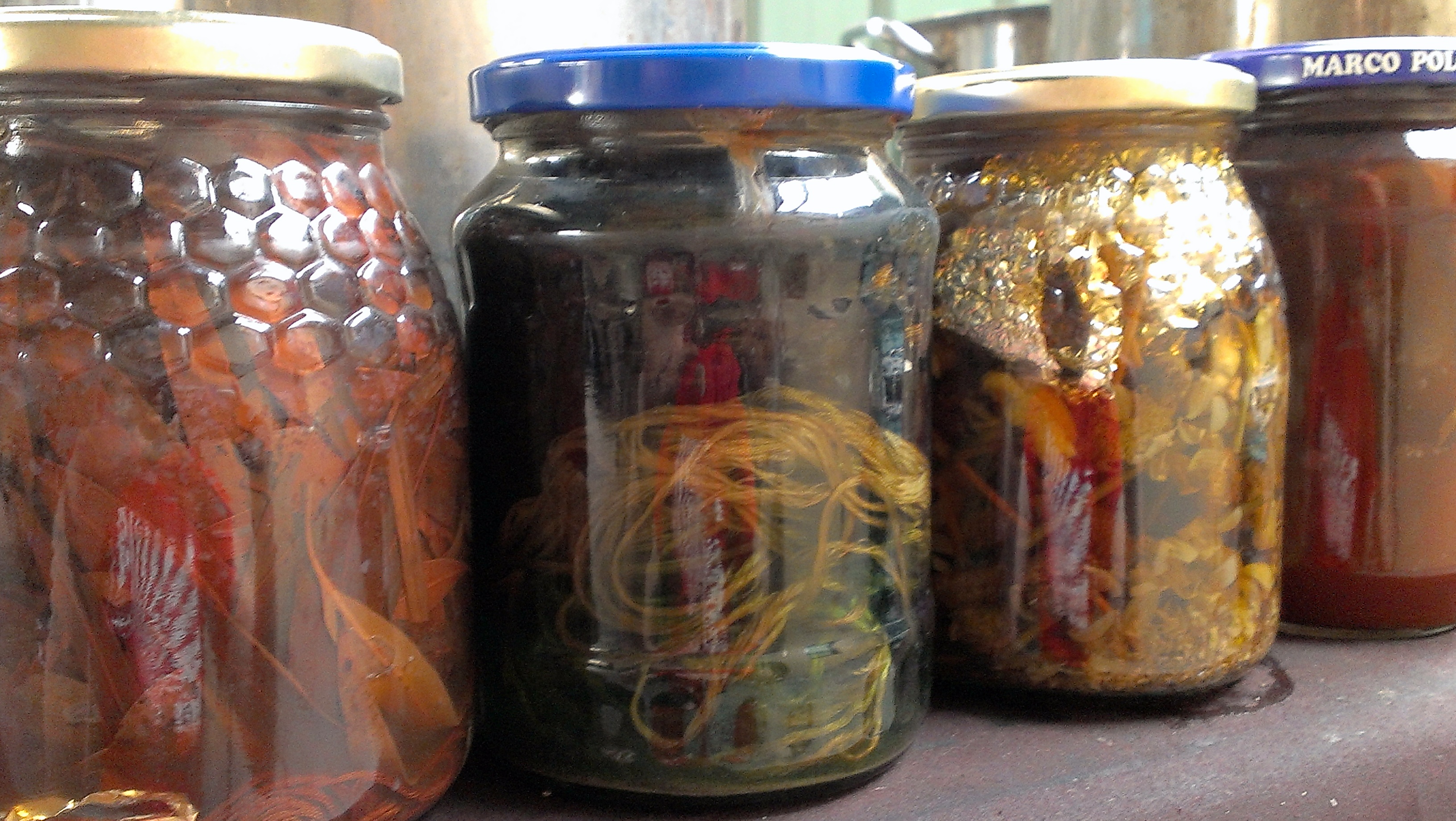
I’m trying out the following.  I can’t pretend to think they are especially well suited to this method but there it is… time will tell, as it always does!

  • Brown onion skins, aluminium foil, E Scoparia dyebath with vinegar (I hope I wrote some fibre or other on the label!!)
  • E Scoparia leaves, bark and dye, aluminium foil, silk thread, vinegar
  • Dyers’ chamomile flowers, aluminium foil, silk thread, water and seawater and finally
  • Red onion skins, silk thread, copper and vinegar water, seawater.

Entertainingly enough, while India Flint says she has been inspired in this dyeing process by years of food preserving (and that’s evident from the book)… After my first batch of dye jars I was inspired to pitch a round of food preserving to my beloved.  We put up a dozen or so jars of white peaches and yellow plums for later enjoyment.  I am not sure why this is called ‘canning’ in the US, but in Australia it’s usually called ‘bottling’ because it is done in glass jars.  I have a massive collection. I have been the receiving point for others’ Fowlers Vacola preserving kits for so long I now gift or share them with friends who are not so well endowed.  Perfect, really!

Since filling these jars I’ve been on a seaside holiday.  I set the blog to load scheduled posts while I was gone… and being lazy at the beach is the reason for slow responses to comments lately.  WordPress and my phone have an on-again-off-again relationship, which doesn’t help.  Since I was by the sea and pedalling around the neighbourhood, I collected seeds of hardy native plants for later propagation and planting in the abandoned waste parts of my own neighbourhood. Plantings on public land just call out for seed collection, don’t you think?
IMAG3651

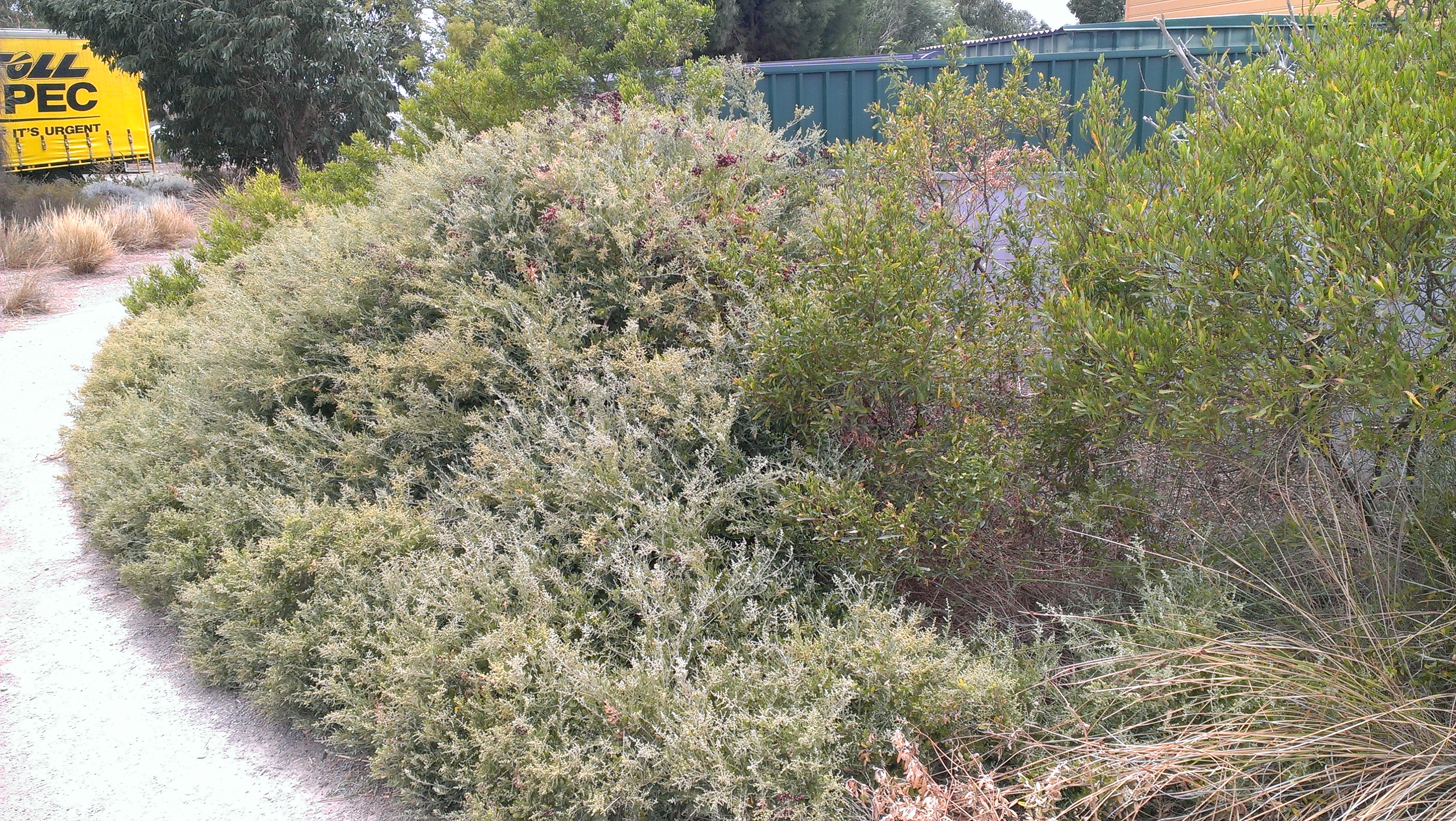
One plant, the seaberry saltbush (rhagodia spp, probably rhagodia candolleana), was in such profuse fruit that I collected enough to fill a small jar we had finished using.

IMAG3657

I can confirm that rhagodia fruit ferments quickly in heat like we’ve had lately (41C today)… and began to do so before I managed to get it home and process my jar properly.  Ooops!  That really should not have been a surprise.  The fruits are smaller than a currant but very pretty…

IMAG3670

Another experiment, since if anyone else has tried dyeing with this plant I don’t know about it and have only a foggy memory of the Victorian Handspinners reporting they got some colour from saltbush fruit (saltbush is a big family).  I happened to have embroidery thread with me… and into the jar it went with chocolate-bar-foil.  And now we wait.

IMAG3687

To see how others are working with this process, visit the delectable ‘pantry’ India Flint has set up, or if you’re so inclined, have a look on facebook.

8 Comments

Filed under Dye Plants, Eucalypts, Natural dyeing

There are never too many socks or too many friends to knit socks for…

Another pair of socks reached completion on the weekend.  Their final moments happened at a long lunch, on a farm, where–I admit–my knitting was much commented on but did not seem to offend.  Two more sets of slippers were negotiated over lunch, and it was a truly lovely afternoon. I took a picture of my sock-in-progress on the table, a la Yarn Harlot

IMAG3115

And the finished socks are ready.  The friend for whom they are intended is a big repairer and recycler.  One of the biggest I know, which is saying quite a lot.  She’s coming around to finish up rehabilitating a table this week, and when I saw her on the weekend she showed off some pretty wonderful jeans mending.  When I told her about my Mum’s favourite way to mend jeans, she knew that method already and had tried it on sheets.  Say no more.  You can’t talk the pros and cons of different mending strategies with just anyone.  She is a sister!  If she can’t already darn, she’ll want to learn, and I am one of the keepers of the skill for future generations–only too happy to teach her.  [I’ve asked now, and can confirm she already knows how to mend]. So, her ball of darning wool is right there ready to add into the small pile of woolly goodness that is soon to be hers.

IMAG3127

The yarn is locally dyed by Kathys Fibres–wool/bamboo/nylon, autumn colourway.

2 Comments

Filed under Knitting, Sewing

A Community Celebration

As I read The Little Book of Craftivism, ideas kept popping into my head.  This one took a little longer to execute than the mini banners. There is a row of immense, sugar gums (Eucalyptus Cladocalyx) over 100 year old in our neighbourhood which were scheduled to be cut down due to changes in the railway corridor.  Many people in our neighbourhood were part of a campaign to save them.

IMAG3510

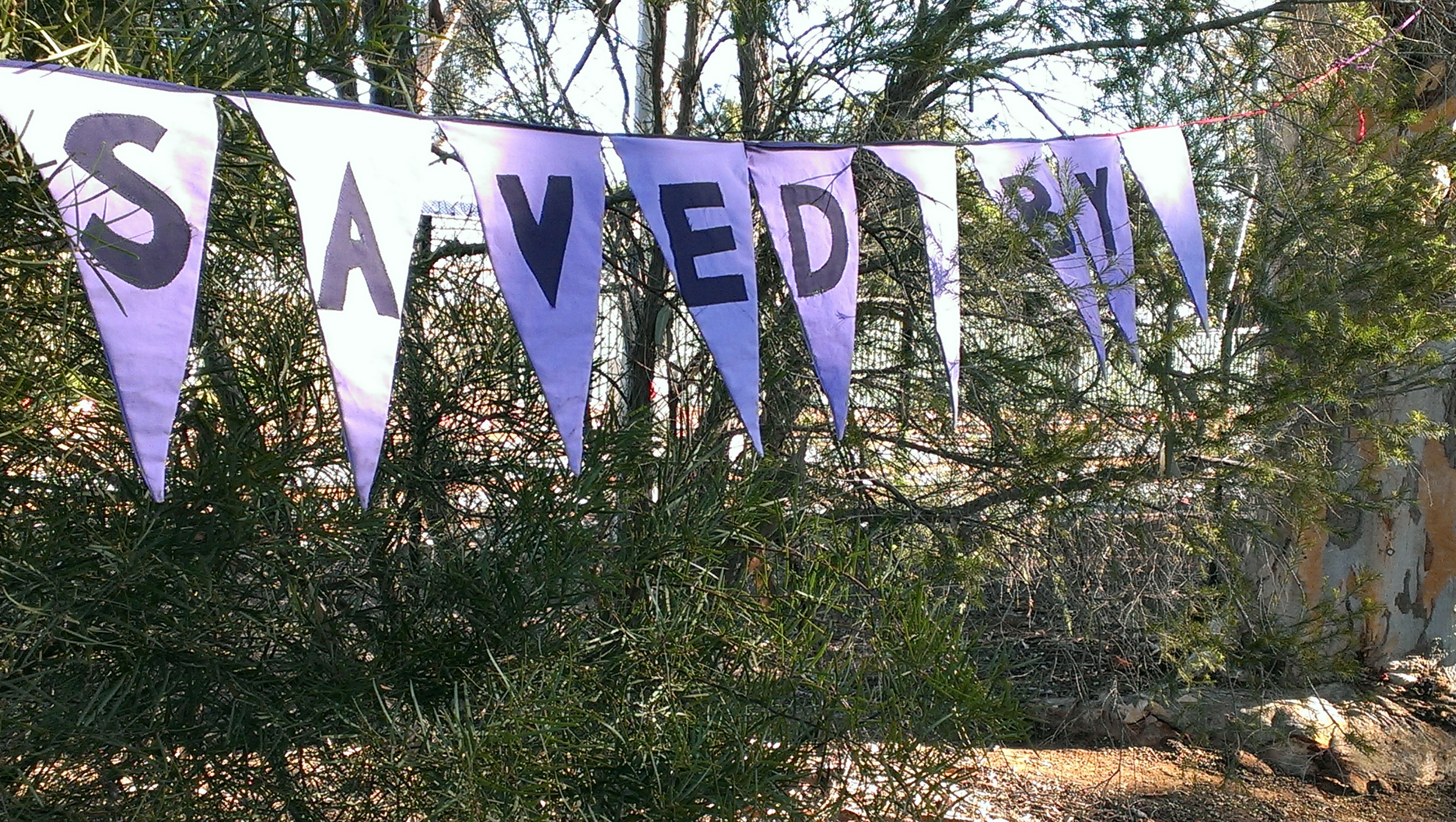
We managed to save these trees (albeit very severely pruned) while dozens of others were cut down.  People have been saying to me when they visit the nearby local neighbourhood centre how awful it looks now that all the trees that used to stand between the neighbourhood centre and the railway have been cut down.  They often say how relieved they are that the ones we saved are still there–but they do not realise what went into saving them.  They don’t even know those trees were threatened.  There are still all night works and daytime works and continuing campaigns and about noise going on and many people in the area feel very discouraged living with the aftermath of all the infrastructure works.  So I imagined bunting that read ‘these trees saved by community action’ and a bit of a celebration of our having actually succeeded in this part of what we have tried to do.

IMAG3512_1

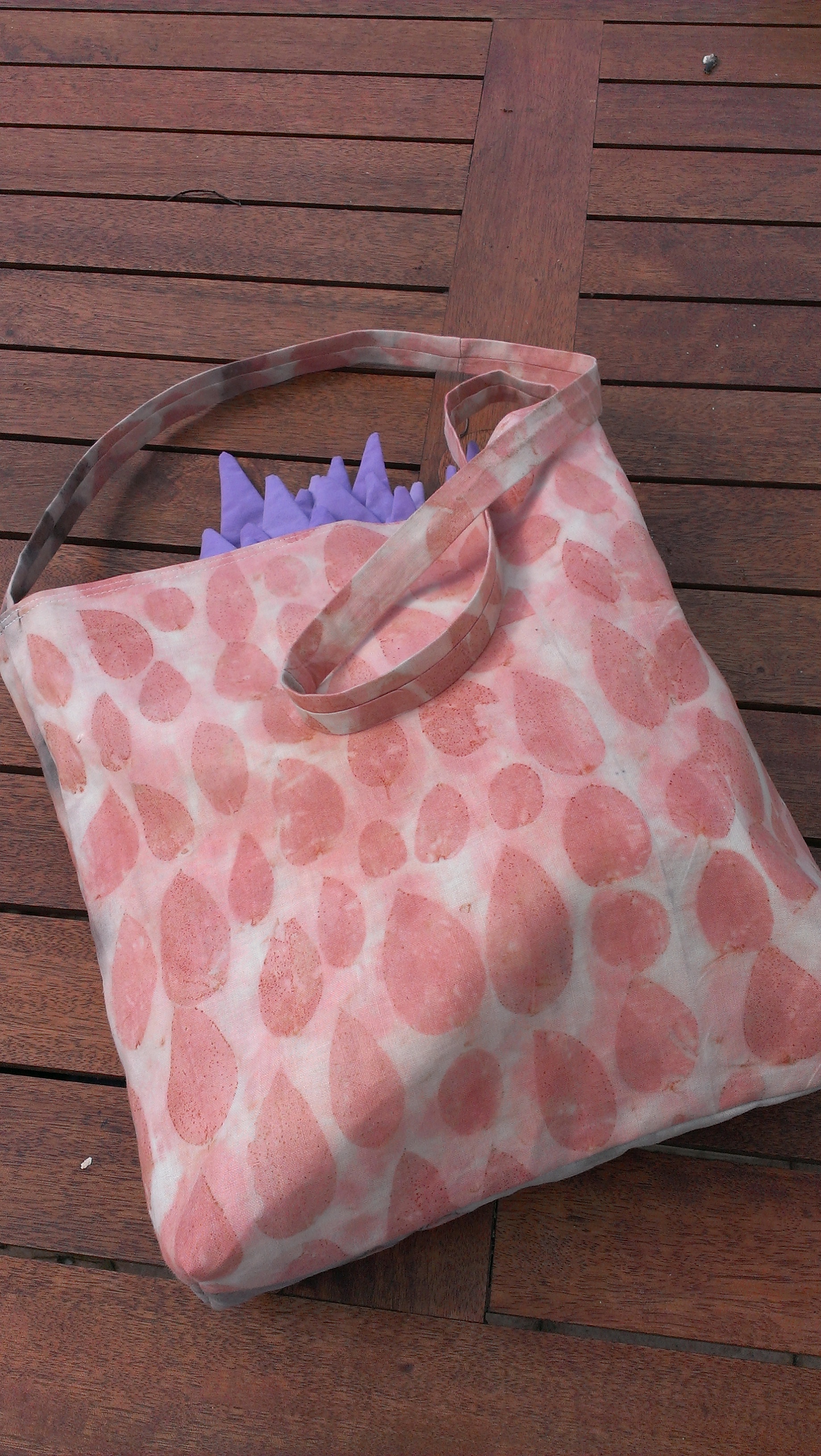
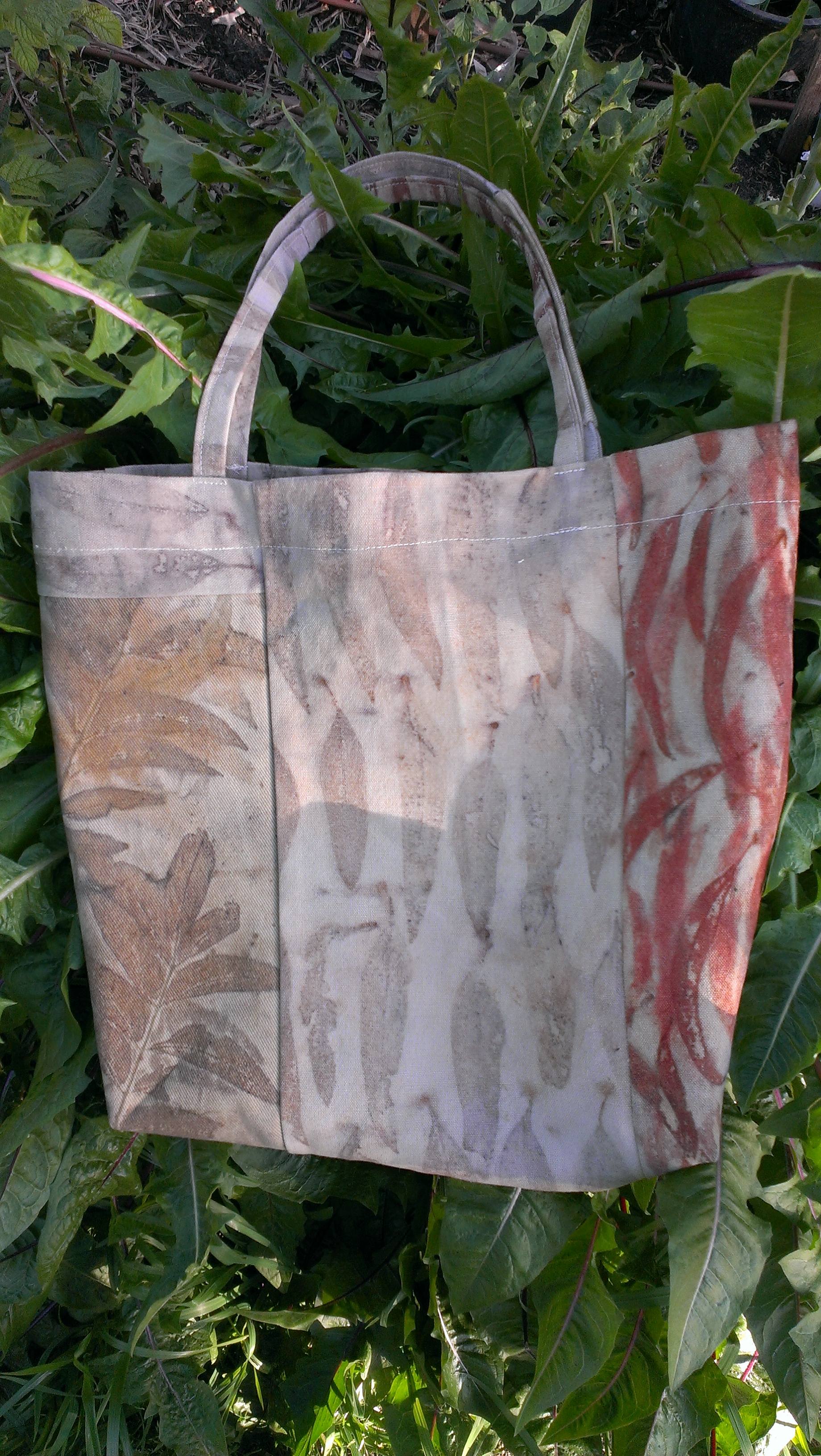
Well, I made the bunting.  And another member of our local group emailed out the most beautiful invitation to come and hang it up and celebrate the continued existence of the sugar gums.  And so a small local celebration, complete with our local MP Steph Key and our local councillor, Jennie Boisvert, who both put considerable effort into supporting our campaign.  I wanted to thank the woman who stared the campaign and was its mainstay, so I made her a little leafy bag.  Here it is filled with rolled up bunting ready to go and celebrate.

IMAG3501

And here we are, after a highly entertaining hanging of the bunting.

IMAG1509

I’ve made a tutorial on how to create this kind of lettered bunting, which you can find in the how-to page (link at the top of the blog) or here, if you’d like to try your own.  I already have another plan, personally….

2 Comments

Filed under Craftivism, Leaf prints, Neighbourhood pleasures, Sewing

For the love of mending

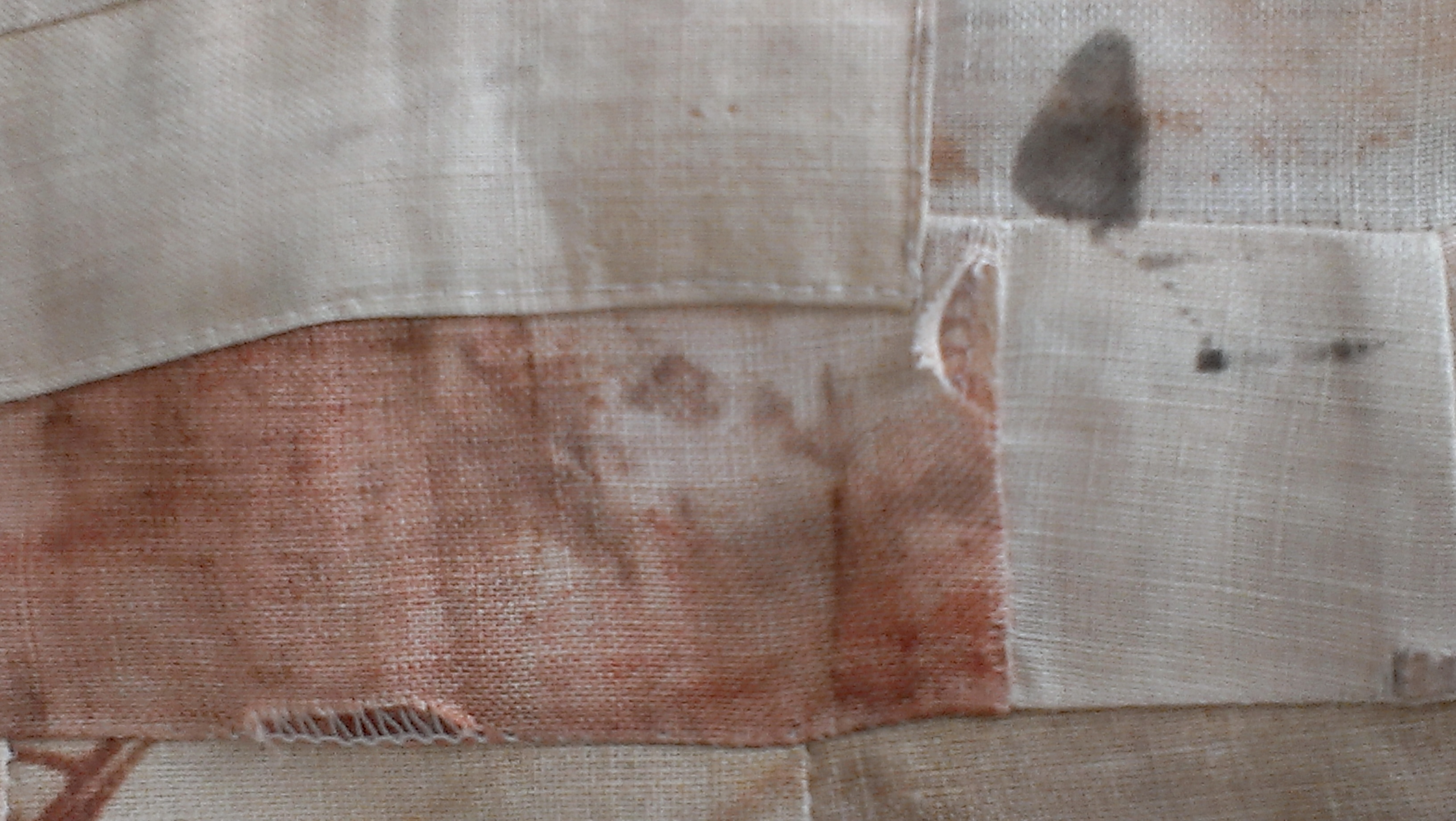
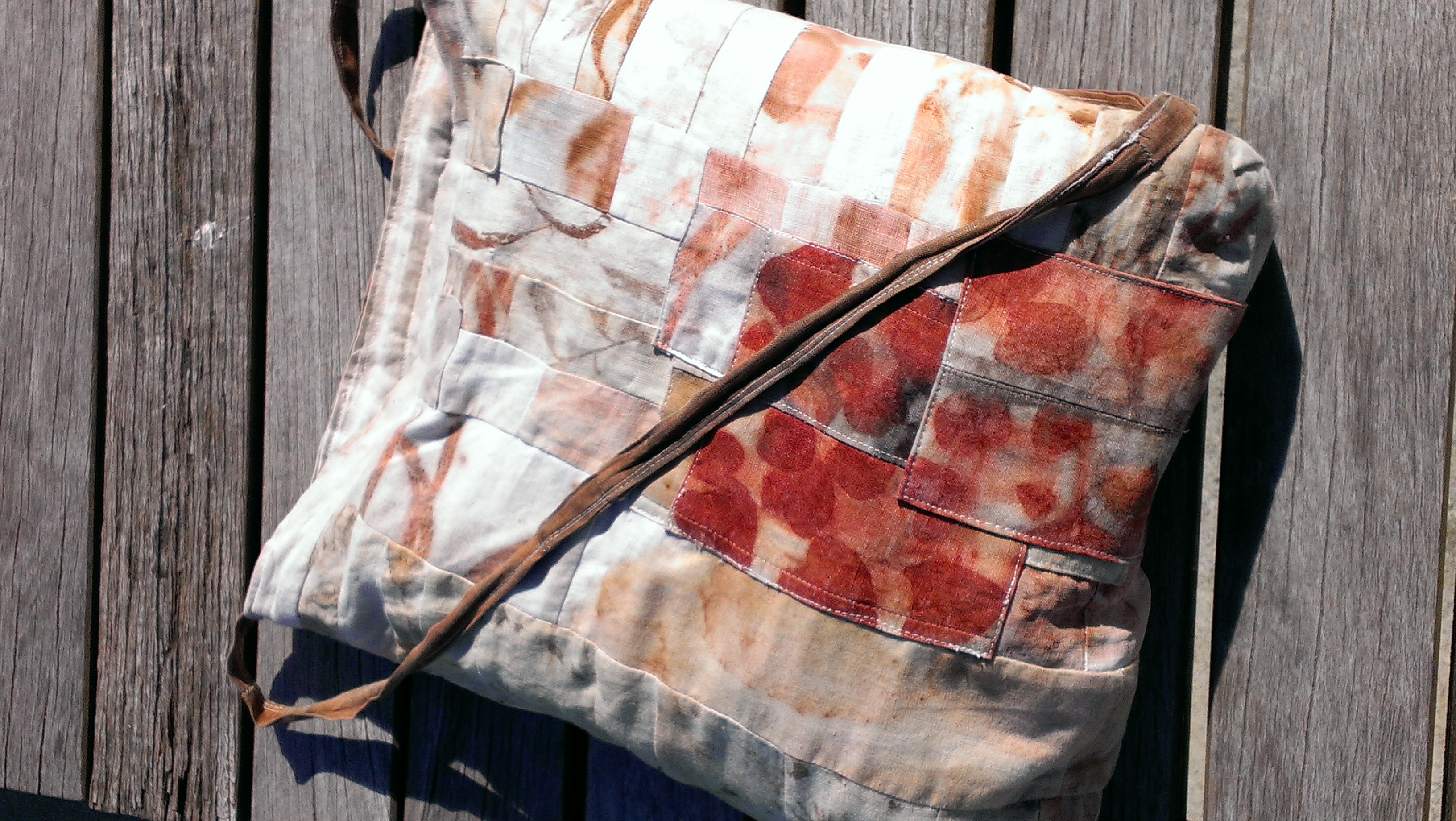
My favourite bag has already been mended rather extensively, as some may remember. But it was not to be expected that would be the last time. Not only that, but it had an encounter with a Moreton Bay Fig tree which dripped sap–or perhaps some other sticky substance–on it (the black splodge you can see below).  It was very hard to get that sap out of my hair, too, and let us not speak of my shorts… But sap was only a side detail in a glorious solstice celebration my friends organised, complete with one in a series of phenomenal home made papier mache pinatas.

IMAG3212

I had a few cuffs and collars from recent dye pots. They are much redder and blacker than the pieces which made the bag up until now.

IMAG3213

Cuffs and collars often come out best of all.  Proximity to iron? Three layers give better mordant absorption and/or better capacity to get a good contact print?  All that random interfacing? Tick–all of the above? I’m not sure, but it has always been this way for me.  Anyway… it began with a hand sewn patch at the solstice event, just so the bag could travel to Melbourne next day without suffering major trauma.  Then I ripped out the lining and went for it in all the necessary places.

IMAG3308

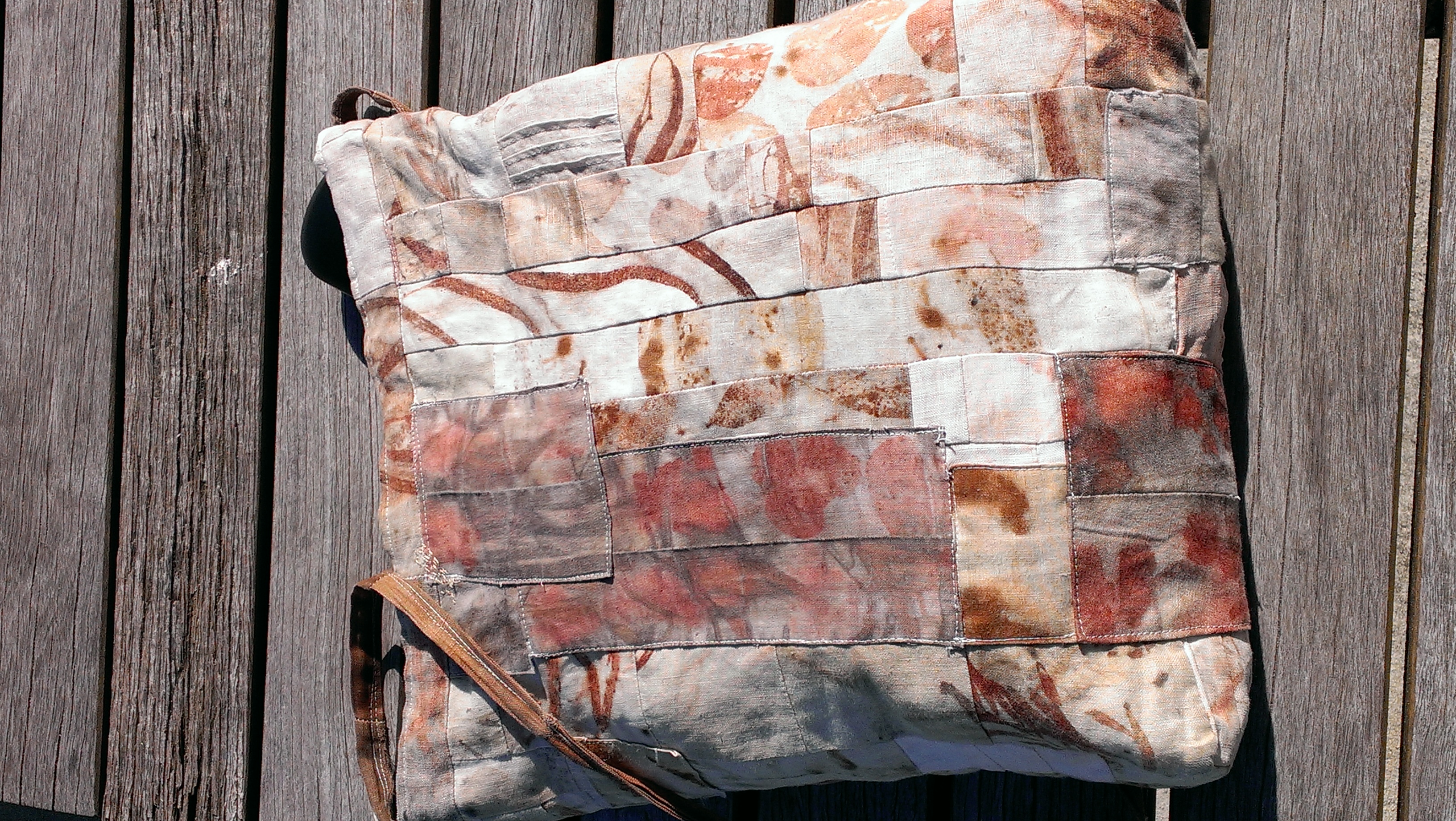
While I was on the job and pondering the unexpected benefits of interfacing, I raided my stash of intefacing of yesteryear–who knows where I inherited this pre-iron-on interfacing from? I have beena  receiving point for other people’s haberdashery for years now!  I interfaced the opening, which has worked out well in spite of my general suspicion of interfacing and the synthetics out of which most of it is made. And here is the resulting bag on a beachside bench.

IMAG3307

I know I’ve heard the philosophical debate over whether a boat whose every plank has been replaced is still the same boat. If I’d been the philosopher in question I would have had to ask about a patched pair of jeans–the place my love of mending really took root and my skills with a sewing machine seriously began to develop–or perhaps, a bag of patches.

2 Comments

Filed under Leaf prints, Sewing

Leaf printed t shirts

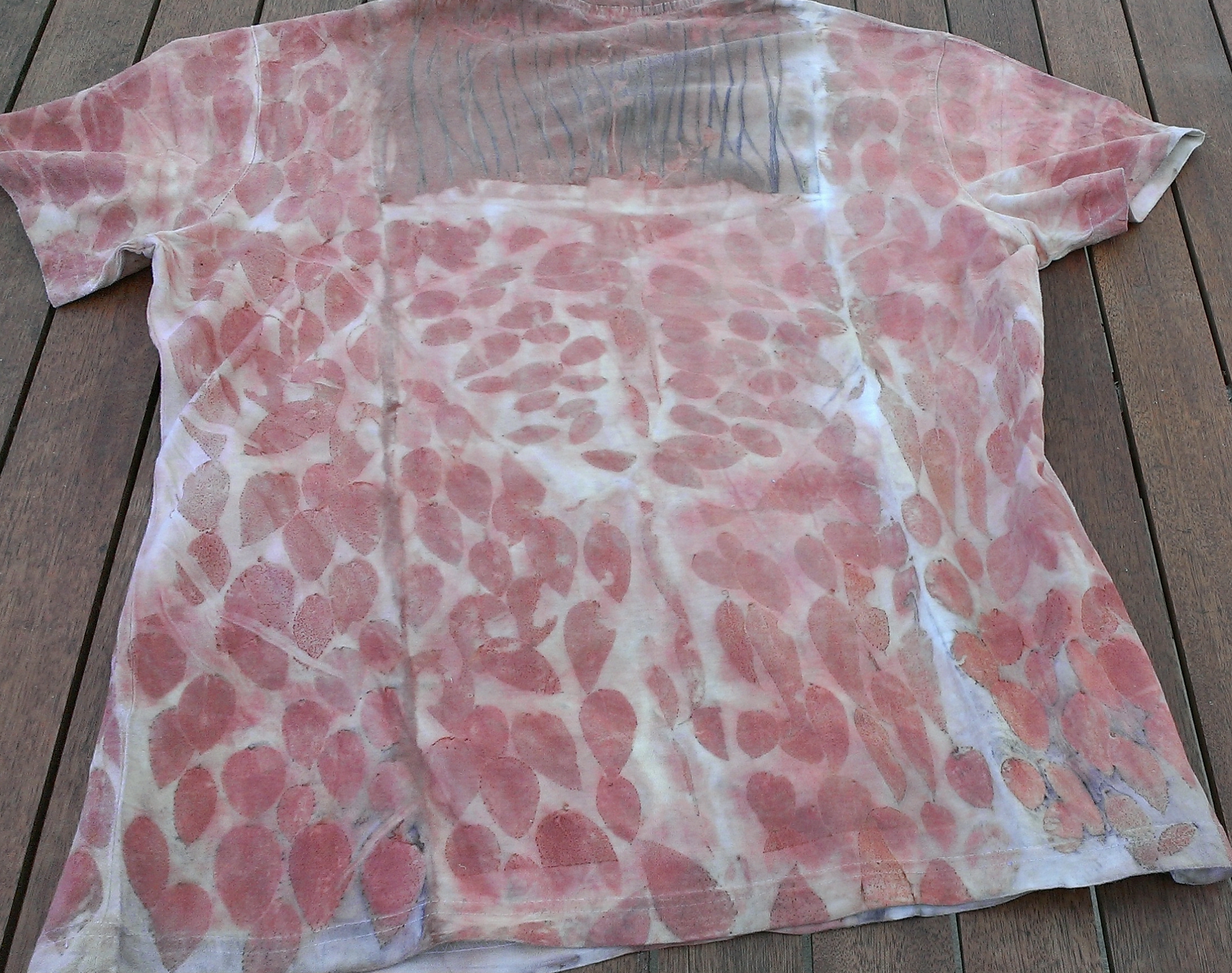
Last year, three t shirts from the op shop (thrift store) found their way into my soymilk bucket.  They have been sitting in a little pile since then, but recently they made their way into the dye pot. This one is for a treasured friend who has been waiting a while since I checked size with him.  The first picture (of the front) gets the colour about right and the second one (further below) is inexplicably different though taken within minutes!

IMAG3257

The leaves are from another friend’s Eucalyptus Cinerea.  It needs trimming to keep it out of the hair and eyes of passersby and I have generously offered to help!

IMAG3259_1

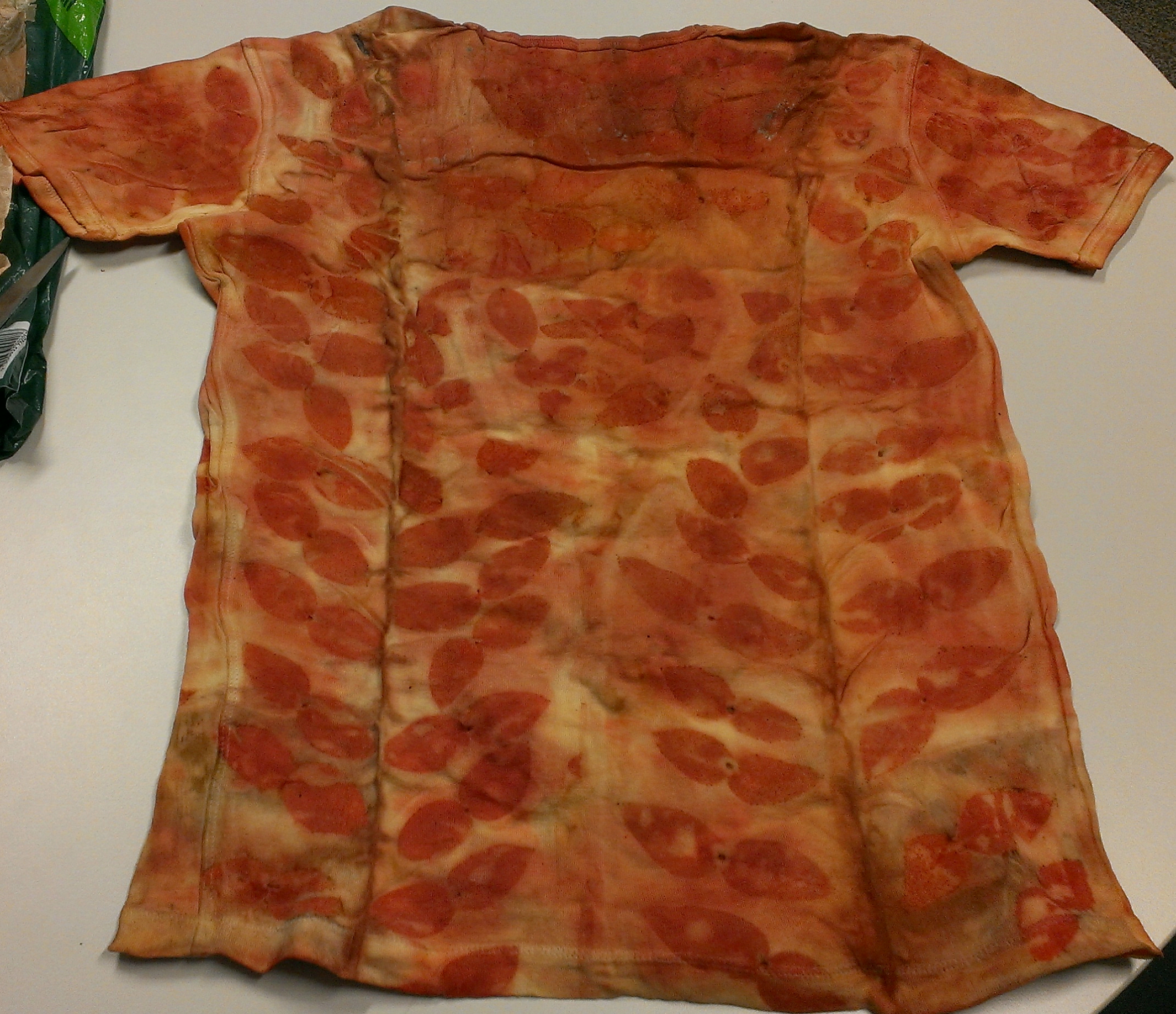
Yet another friend (perhaps I should ask my dear friends if they are happy to be named online!) visited on dyeing day so I gave her this next one and she designed its new leafy incarnation.  On the day I am writing I brought it in to work still bundled and tied with string, and she opened it on her office desk over lunch.  We experimented with putting these garments in a dyebath, rather than just into a simmering pot of water, and that is the reason for the overall orange that is strongest up near the neckline on the back where the fabric absorbed the dyebath most strongly.

IMAG3284_1

I think her design is lovely…

IMAG3281_1

The third t-shirt was a pale grey one.  I bundled it up in the morning and gifted it, cooked, but still rolled and tied, to a friend who is completely enchanted by the eco-print process and who has been facing tough times lately.  I’m hoping unwrapping that bundle gladdened her heart in these challenging times. It sure gladdened my heart to have her visiting us.

While we’re talking t-shirts… I couldn’t help noticing that two of the three were made in Bangladesh, a mighty long way from Adelaide.  For anyone interested in viewing the global garment trade from the perspective of a single t-shirt (though not one of these leafy t-shirts!) Planet Money from US National Public Radio has made a series on the subject you might like to check out.

Hopefully that’s three op shop t-shirts that will now have much more exciting second lives, with much less travel involved!

11 Comments

Filed under Eucalypts, Leaf prints

How to make your own pattern envelope–and any other envelope you fancy!

Perhaps you don’t need your own pattern envelopes.  But since I started drafting my own patterns–often from clothes I own and enjoy–and sometimes because I have created something from scratch and want to be able to duplicate it–I do need pattern envelopes.  There is a simple solution: re-use.  I often do this, since my workplace generates envelopes in a  suitably generous size.

IMAG2897

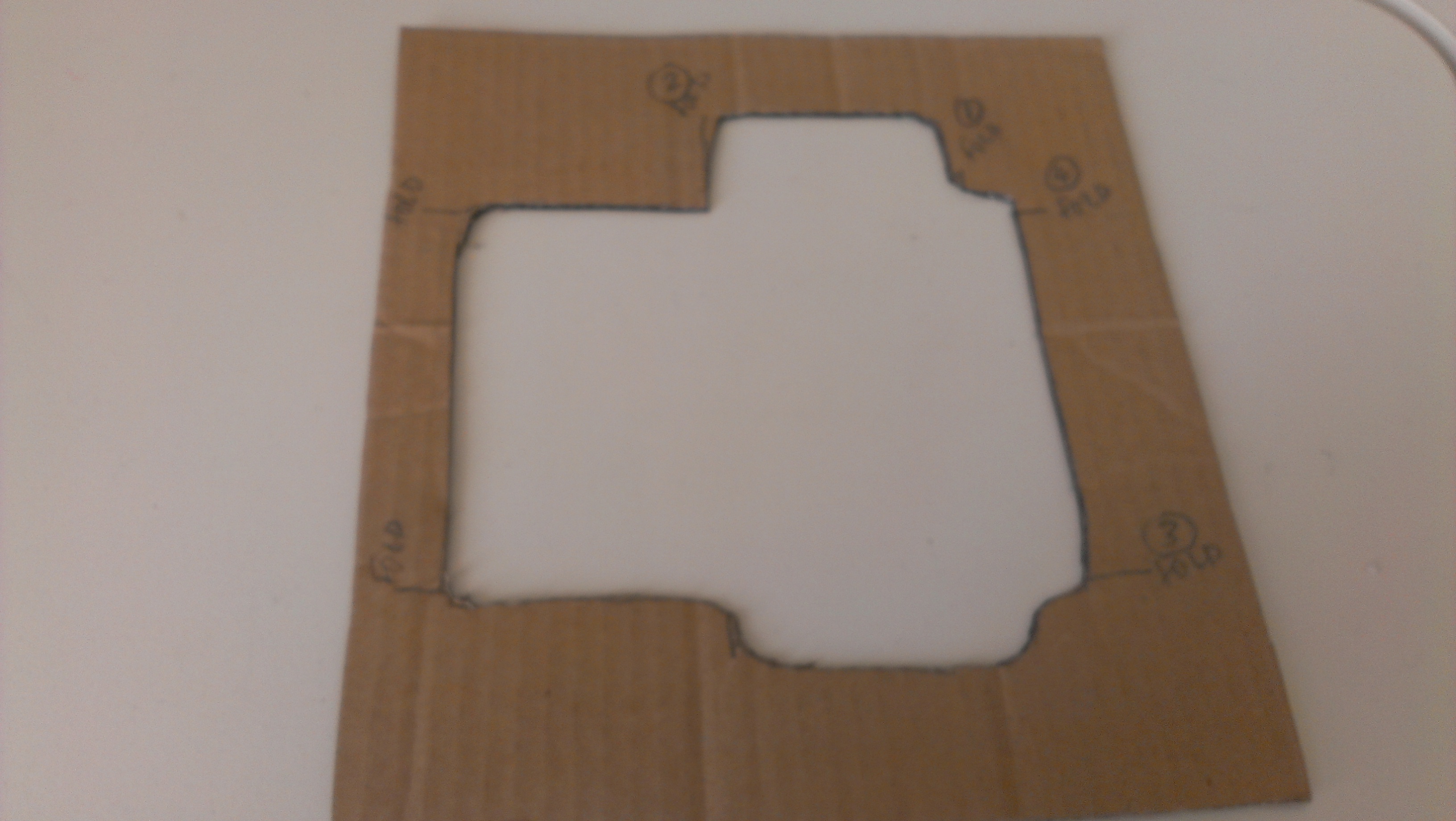
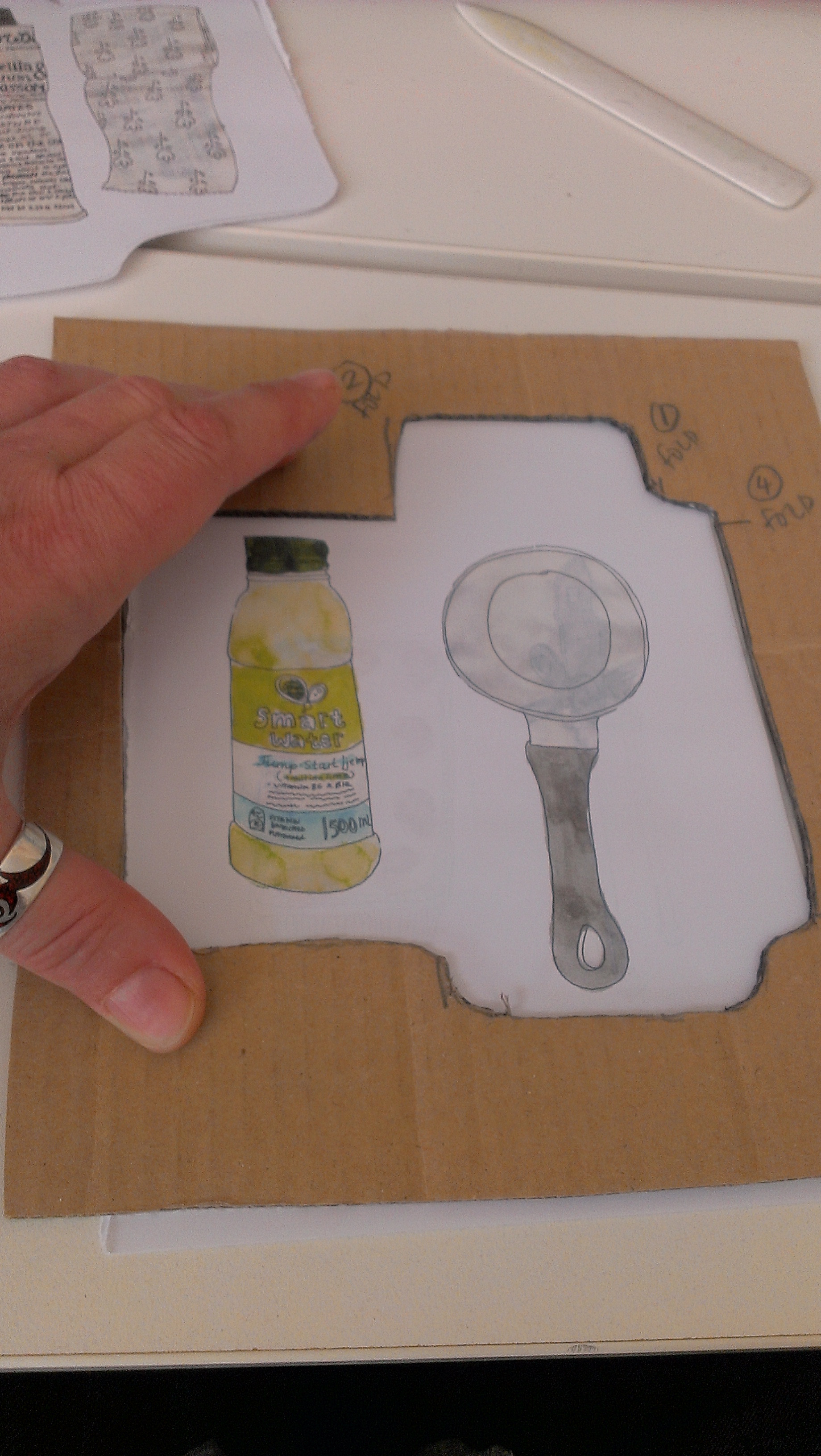
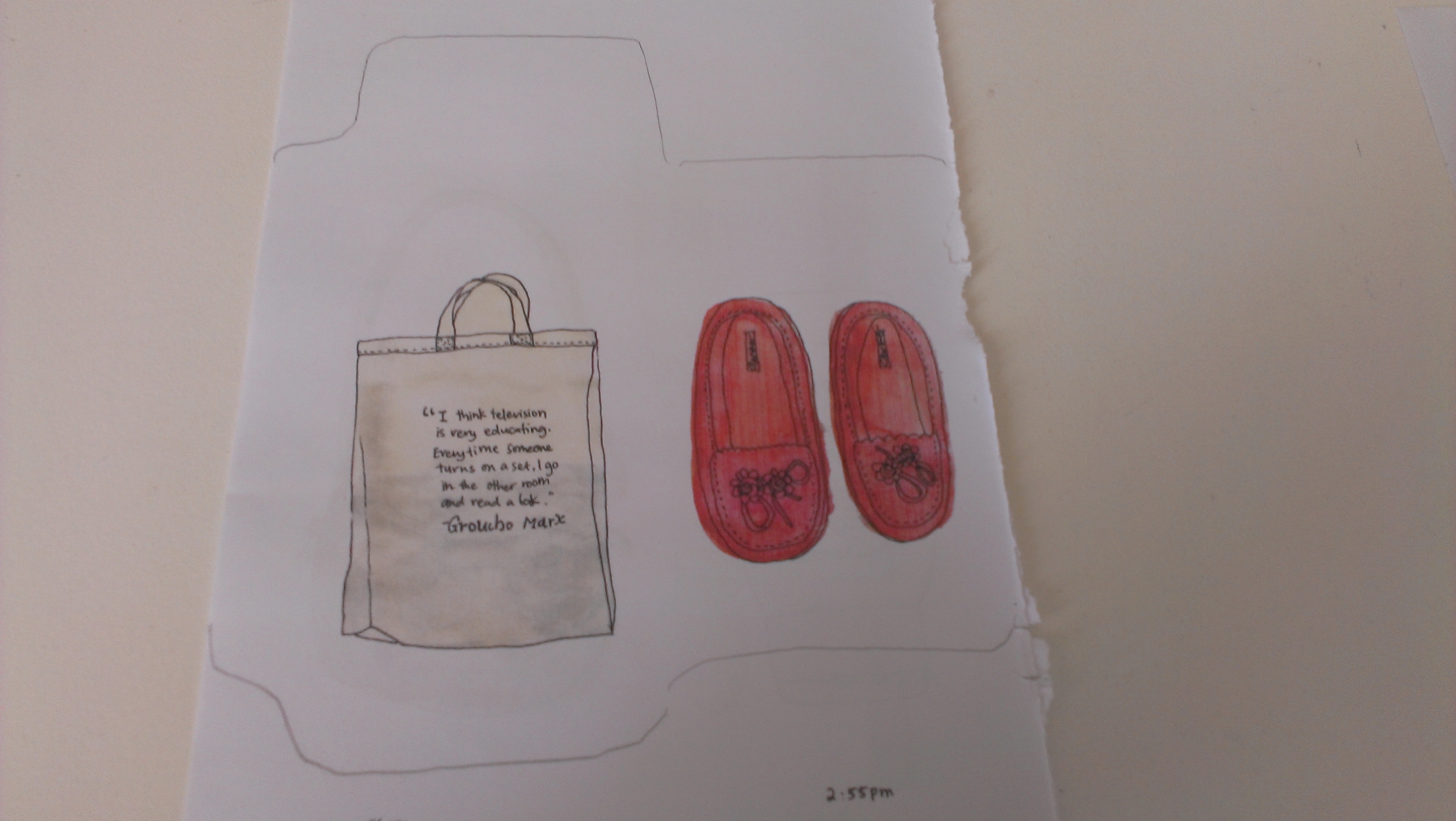
But when that fails–or I feel like it–or I have paper too lovely to throw away but not capable of re-use as it is–like calendar images–I make envelopes.  Card sized, seed-saving sized, or pattern sized. DIY is splendidly simple.  You start with an envelope that works for you and either pull it apart or draw it to scale and then cut your own template from cardboard.  You can make one with the envelope shape cut out of it:

IMAG2882

You can make one that you trace around–cereal boxes are perfect for this:

IMAG2883

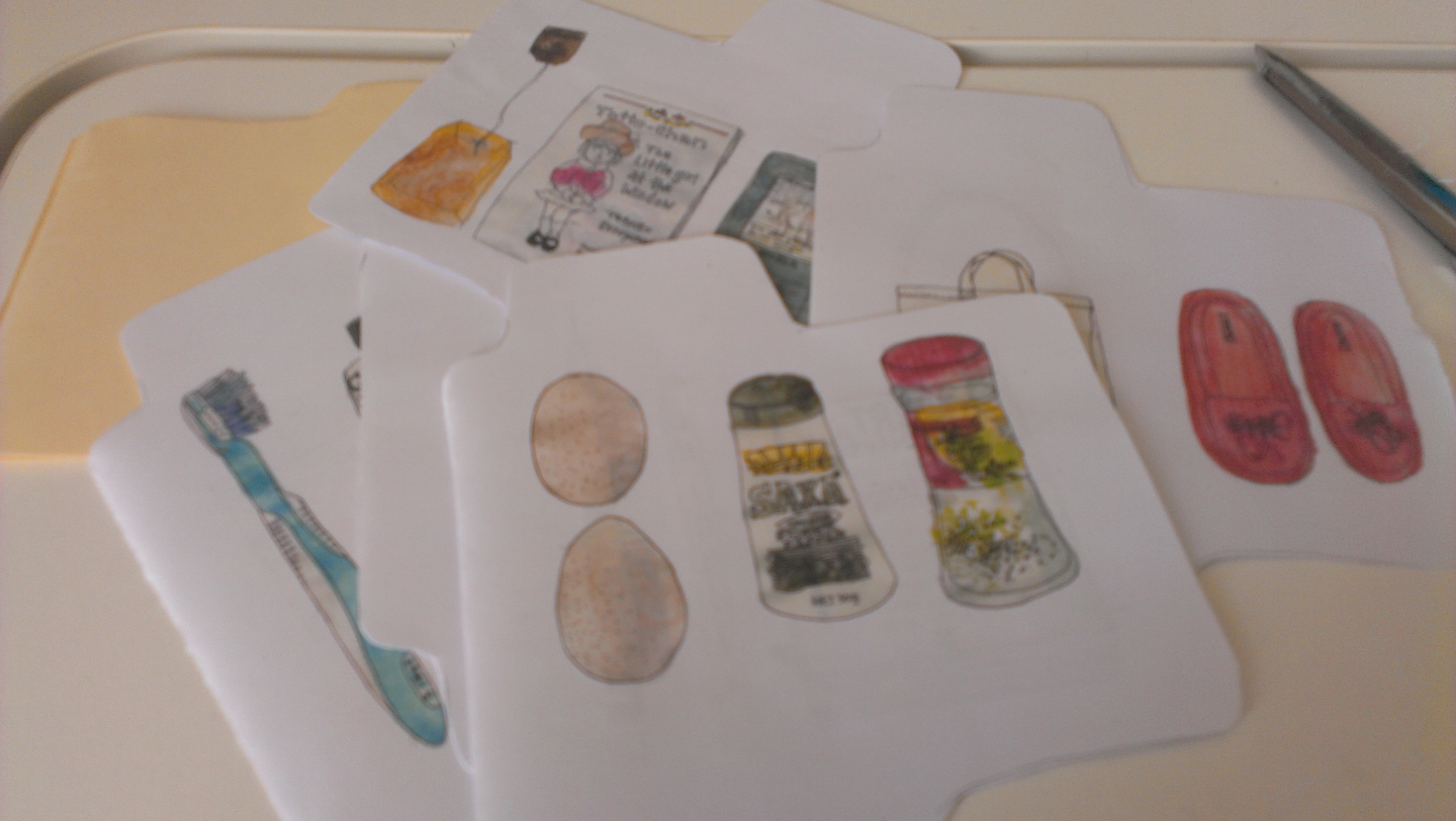
Then, the world is your envelope-making oyster.  This old William Morris calendar just became pattern envelopes, and an extremely cute zine just became seed saving/sharing envelopes, as you can see in the images further below.

IMAG2880

Here are the steps…

Trace your shape in pencil, being sure to hold the template firmly against the paper or card:

IMAG2889

After tracing:

IMAG2891

Cut out:

IMAG2892

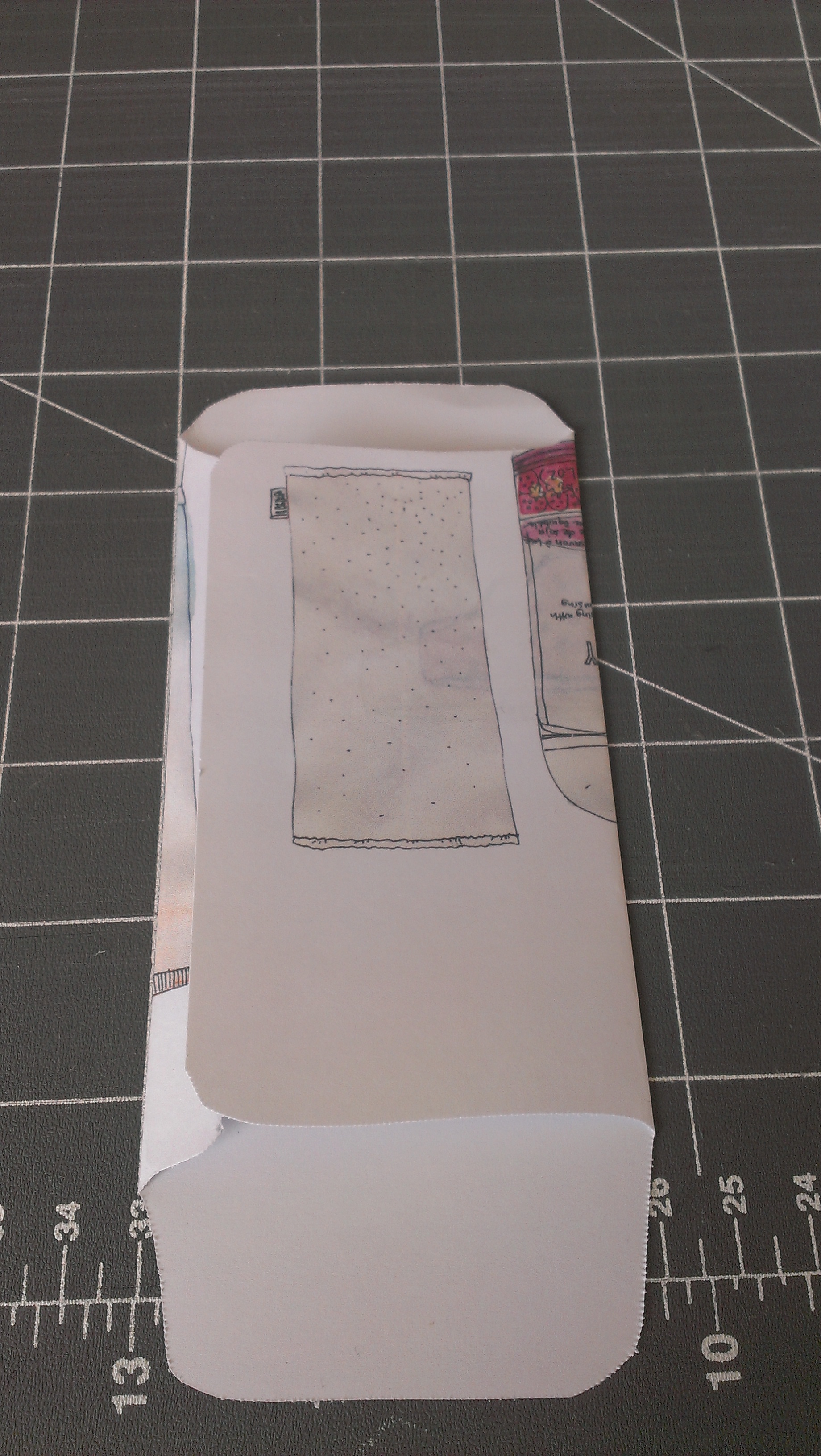
Fold (I use my rotary cutting mat to help keep folds square-ish).  Use a bone folder if you have one, or rub your folds with the bowl of a spoon to create nice crisp folds:

IMAG2894

Tip for seed savers: ensure that when you fold up the bottom seam of a seed saving envelope, you fold up a generous overlap, leaving no gaps that might allow tiny seeds to escape. Same again with the top flap.

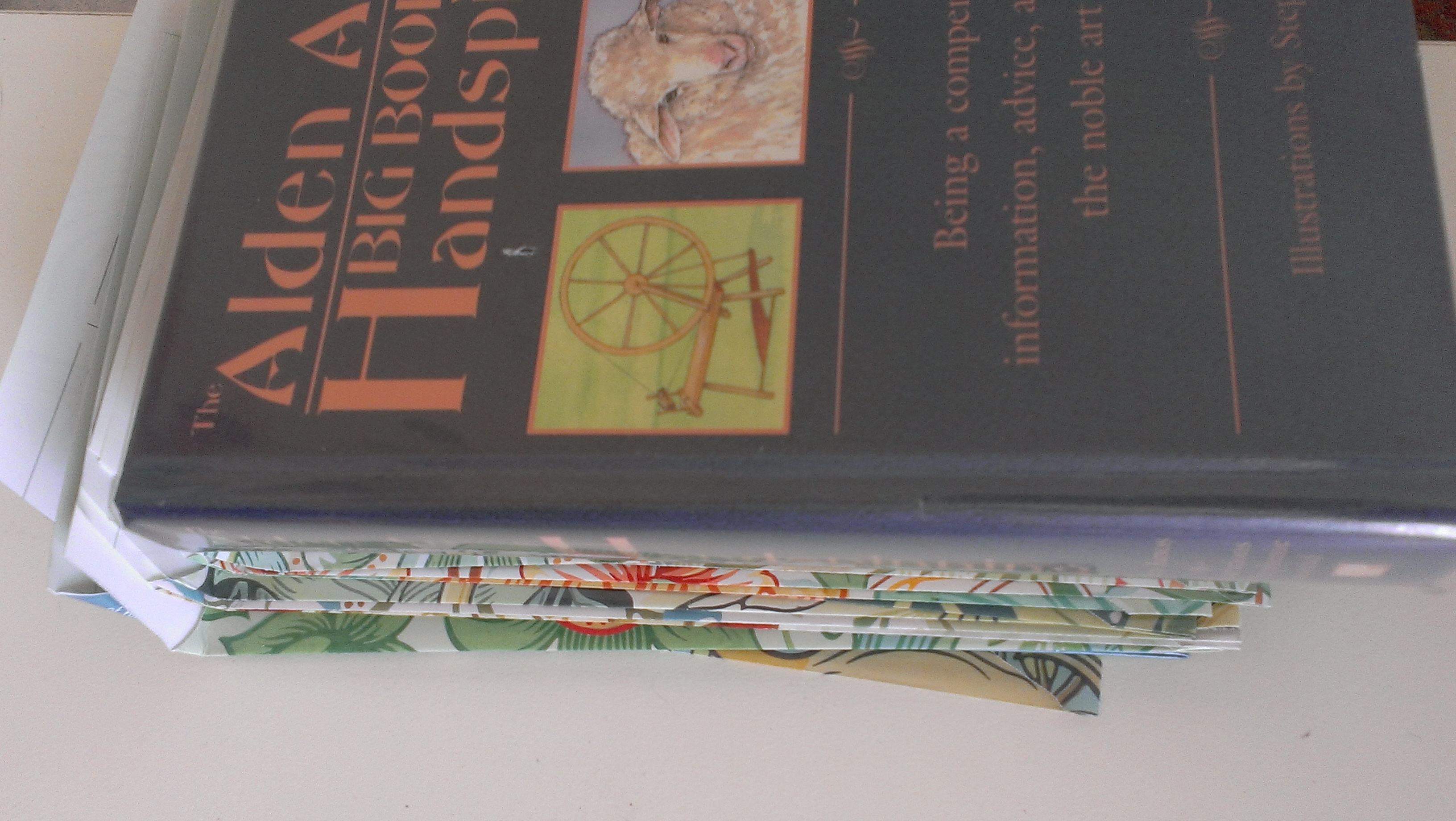
Finally, glue seams, being sure not to apply glue in places where it can escape and stick the inside of your envelope together, and apply a weighty book so your envelopes dry nice and flat:

IMAG2888

Enjoy!

2 Comments

Filed under Sewing

Harvesting the neighbourhood: Dyer’s Chamomile

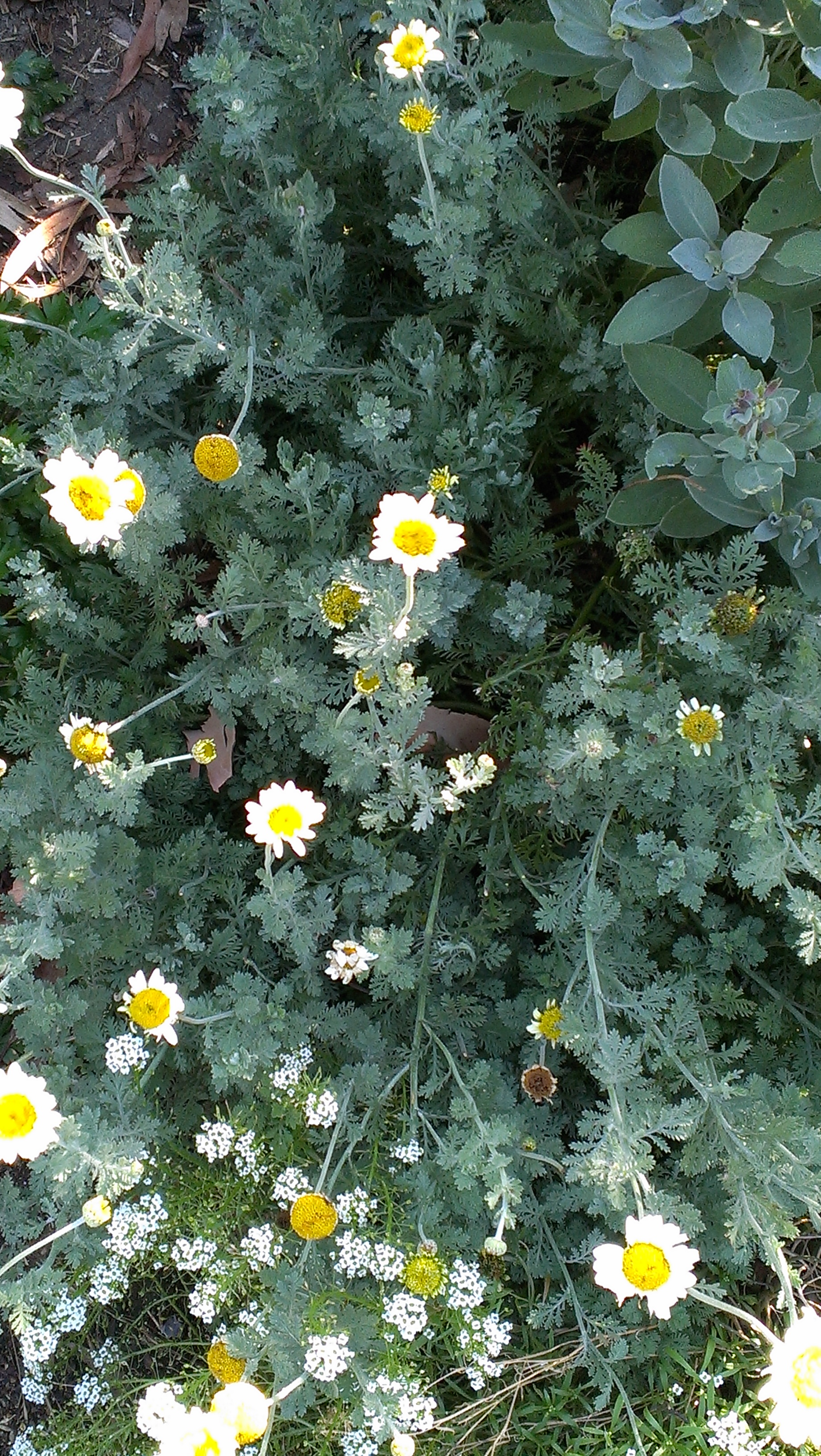
This summer, I have been collecting dyer’s chamomile for the first time.  I have some in the garden, gifted to me by a fellow Guild member who was keen to have some of my madder (this wish granted, needless to say)! It has white petals.

IMAG3008

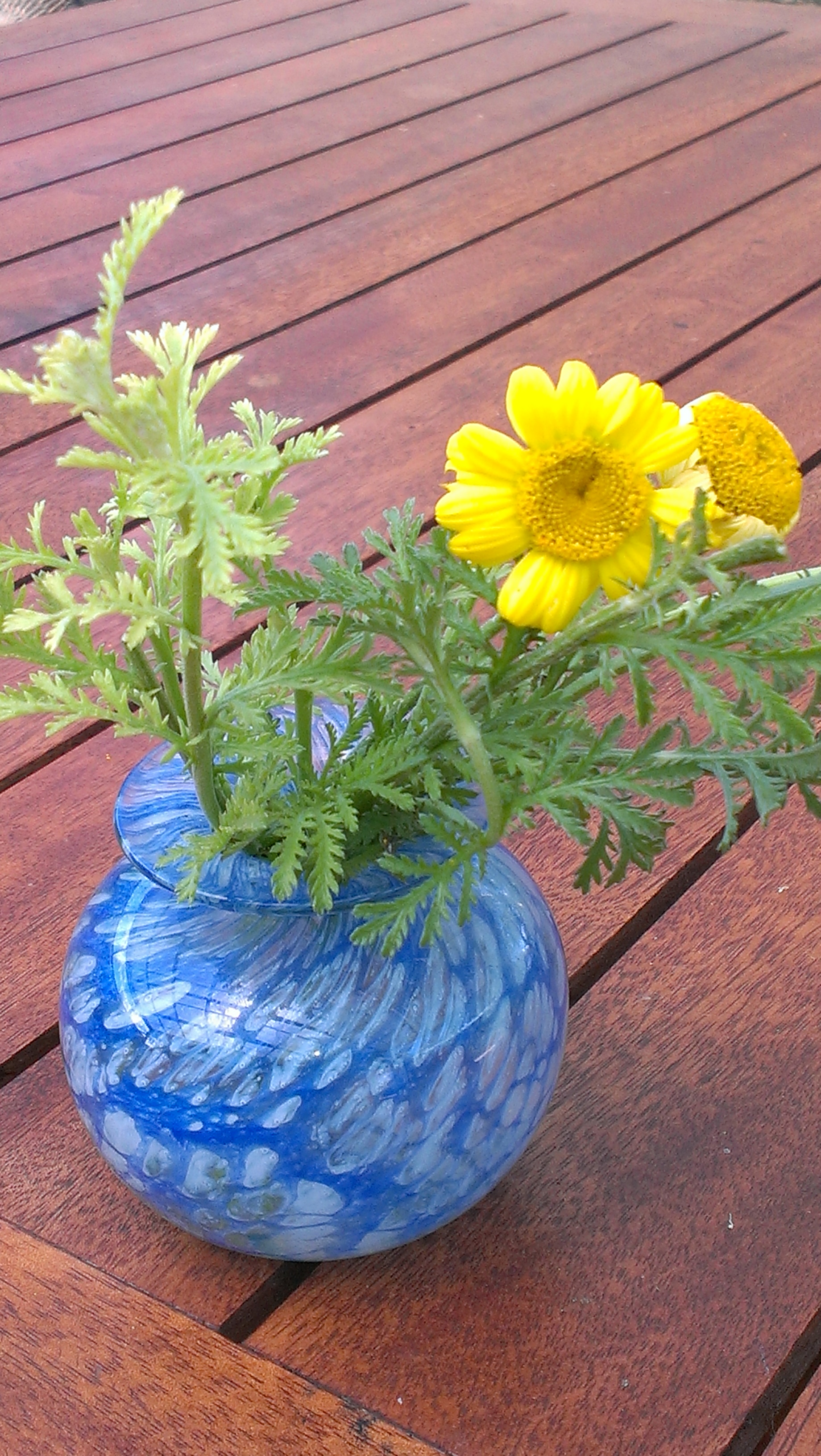
But recently I found some with vivid yellow petals in the parklands beside the river Torrens.

IMAG3026 (2)

Our exercise class were astonished when I said I was planning to harvest while we were out on a DIY exercise session (our instructor was off doing the Busselton Ironman–she is our hero).  They offered to shield me from passersby who might intervene.  I think they underestimated how scared most people seem to be when they see someone doing something so inexplicable (to them)! I let them know I’d only be taking the dead flowers and we all relaxed again.  The patch is so big I really want to go back with more time… and it is flowering so generously, I am sure I have weeks in which to organise a return visit.

IMAG2998

Meanwhile, we’ve been harvesting at home, too.

IMAG3035

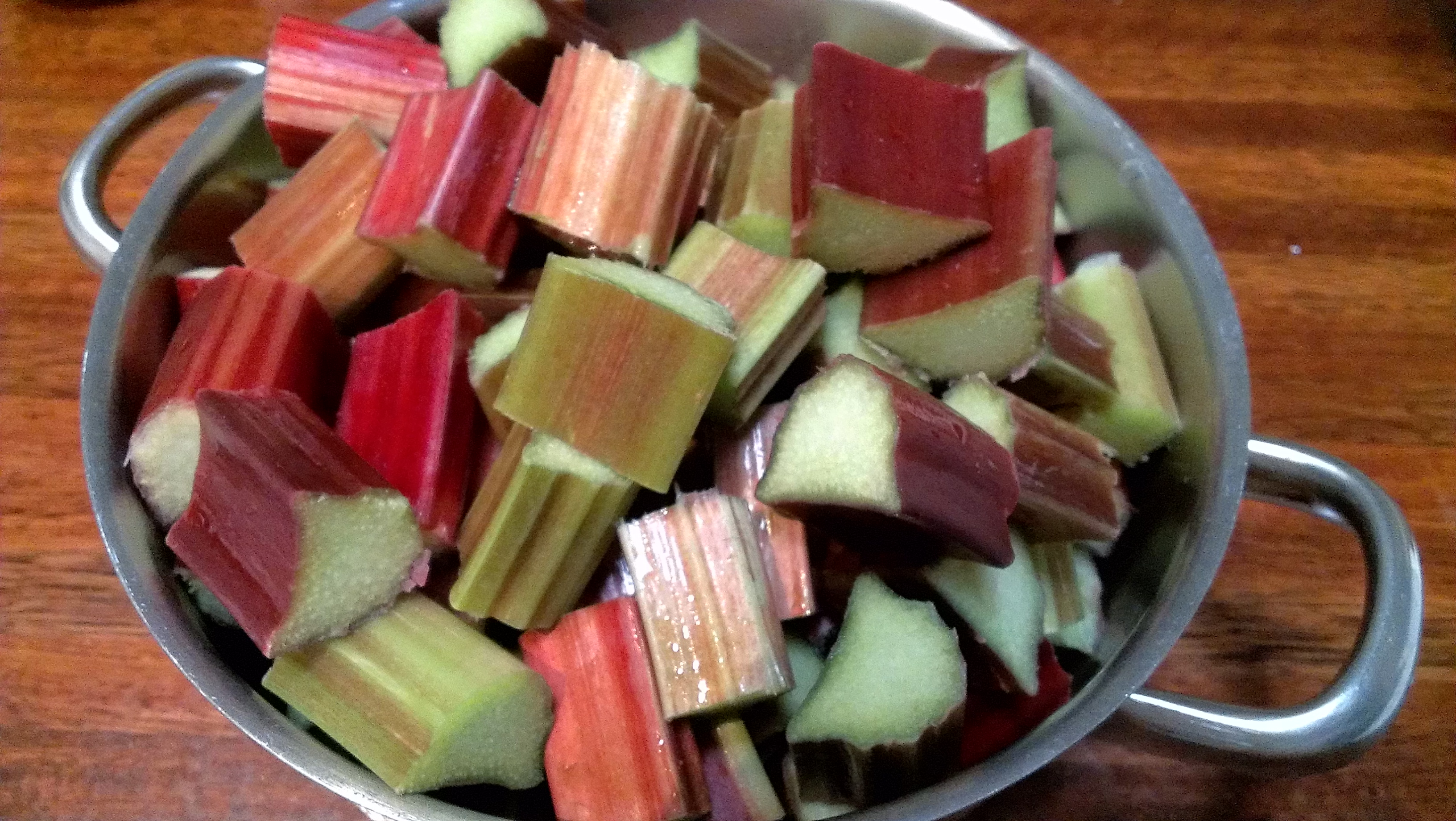
I keep thinking I’ll make rhubarb leaf mordant, and then not getting round to it!

IMAG3021

Leave a comment

Filed under Dye Plants, Eucalypts, Neighbourhood pleasures

An appreciation of Eucalyptus Cladocalyx, the Sugar Gum

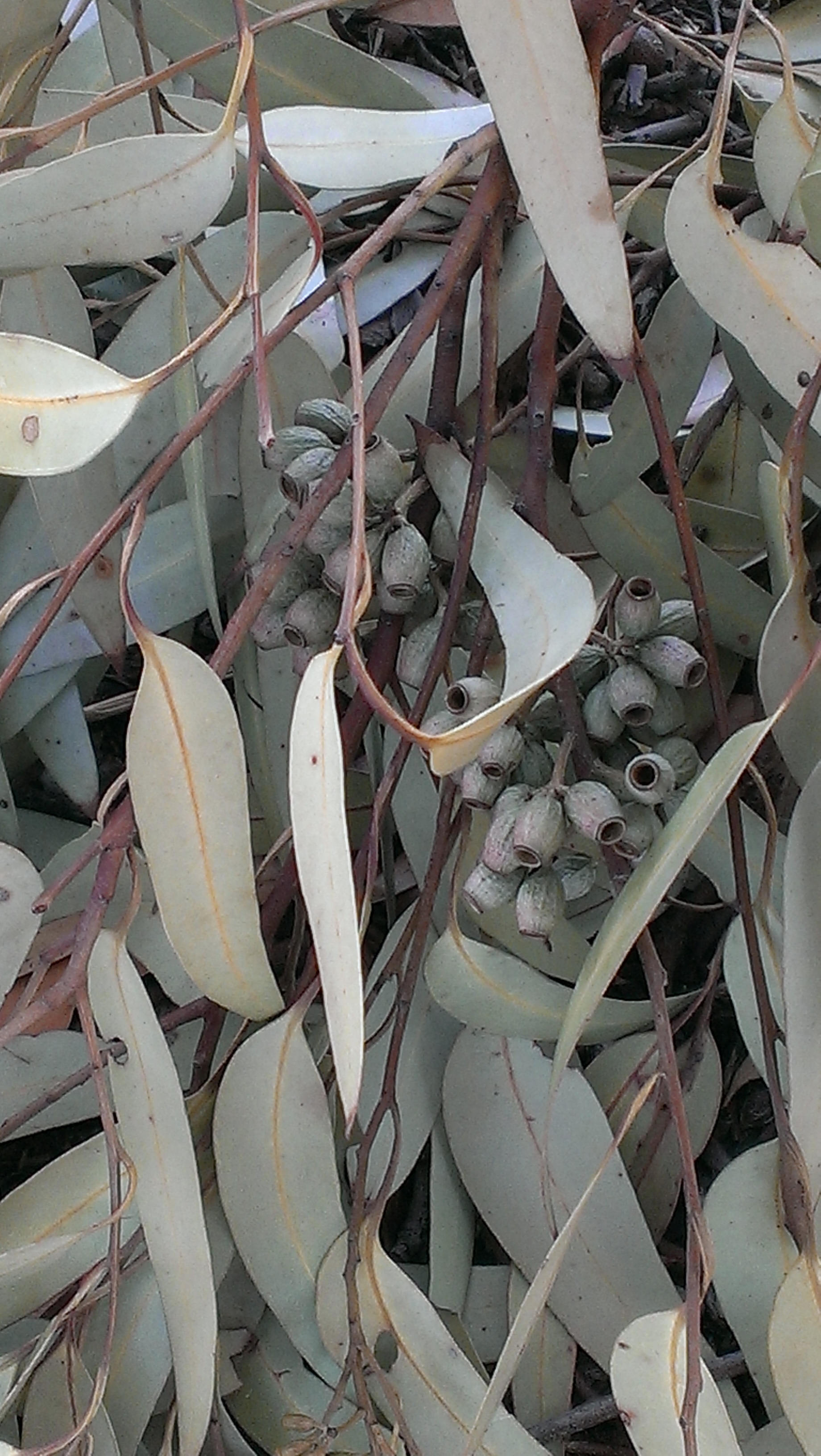
Sometimes I travel in and out of the city through the parklands.  My favourite part of the route (when travelling on bike or on foot)  is this pathway lined with sugar gums.  They are yet to reach their full height but they are still impressive, majestic and beautiful trees.

IMAG2786

The City of Adelaide is famously circled by parks.  In our harsh summers, the parklands become dry and brown well before summer reaches its height. You can see in this image that the crisping of the parklands has begun already. The trees branch too high for me to be able to photograph the canopy, but this branch had fallen and dried.

IMAG2788

Friends have spent months of the last year trying to save an avenue of sugar gums  that are twice this size, at least, and much older.  Our campaign to save them succeeded, but the sugar gums are growing along a railway line that is being electrified and a few days ago they were scheduled to be ‘pruned’ in a way that will render them lopsided amputees.  I am glad the railway is being electrified (it is diesel powered now, polluting and unsustainable).  Its impact on local trees is less welcome.  I haven’t been able to bear to go and look yet.  It was a huge achievement to save those trees and I am hoping the pruning has not been too brutal.  And that this avenue of trees in the parklands will stand tall for decades, or even better, centuries to come.

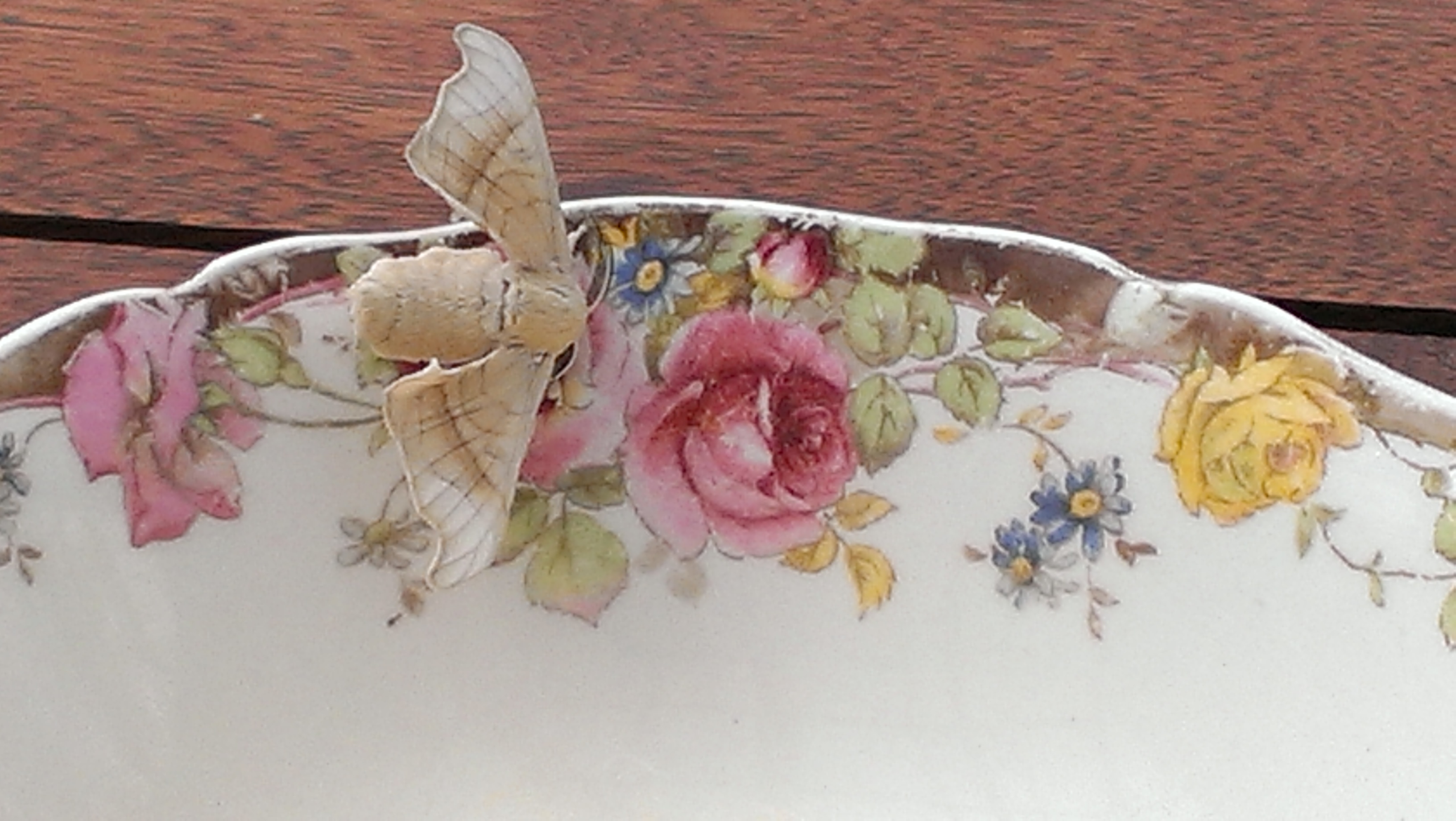
Oh, and have I mentioned the silk moths?

IMAG2758

4 Comments

Filed under Eucalypts, Neighbourhood pleasures

Textured spinning and trash batts

I went on a weekend away with members of my Guild recently and had a fabulous time chatting, spinning and eating way more than made any sense.  I took some little packs I made up beforehand, each designed to create a skein of yarn. This first one began as Finn cross locks I bought pre-dyed and perhaps a little felted, with curly tips.  Perfect for this technique, I thought.

IMAG2260

Here they are as a lockspun yarn, with the teased-out, butt ends of the locks corespun around a crossbred grey wool core that can no longer be seen, and the curly tips on display.

IMAG2427

This batt of unloved green fleece that I was given includes some orange silk noil and some pre-dyed mohair locks.

IMAG2261

Here it is corespun over that same grey crossbred core.  I learned these two techniques from the fine writing and DVDs of Jacey Boggs.

IMAG2557

The trash batt experiments continue!  This is eucalyptus dyed carder waste (and nepps pulled out as I was spinning) carded with white and tan Polwarth locks.

IMAG2389

I used it for my first attempt at a  new textured spinning technique–a friend gave me a copy of The Wheel that contained this technique and you can also see it here.  It originates with Steph Gorin, who demonstrates here.  (The video also includes advertising for Ashford.)

IMAG2546

Here is the outcome of a batt made with the flick carding waste from the blue lockspun yarn above, and a eucalyptus dyed carder waste and polwarth batt.

IMAG2579

Finally, a gratuitous picture of what appears to me to be valerian in flower in my garden.  Which is gorgeous apart from the fact that I bought it because it was soapwort.  It doesn’t look like any soapwort I have ever seen now it is in flower, which makes me glad it wasn’t big enough to harvest until now!

IMAG2584

6 Comments

Filed under Fibre preparation, Natural dyeing, Spinning

Leaf print bags

IMAG2211

The bag making has been continuing.  This is a simple, unlined bag made from recycled heavyweight garment fabrics–parts of an old pair of hemp shorts and some recycled men’s cotton twill trousers.  Last year I went to a huge Red Cross sale where entire secondhand garments were $1 or $2.  I acquired all kinds of stained and/or worn pale coloured garments which I have been transforming.

IMAG2202

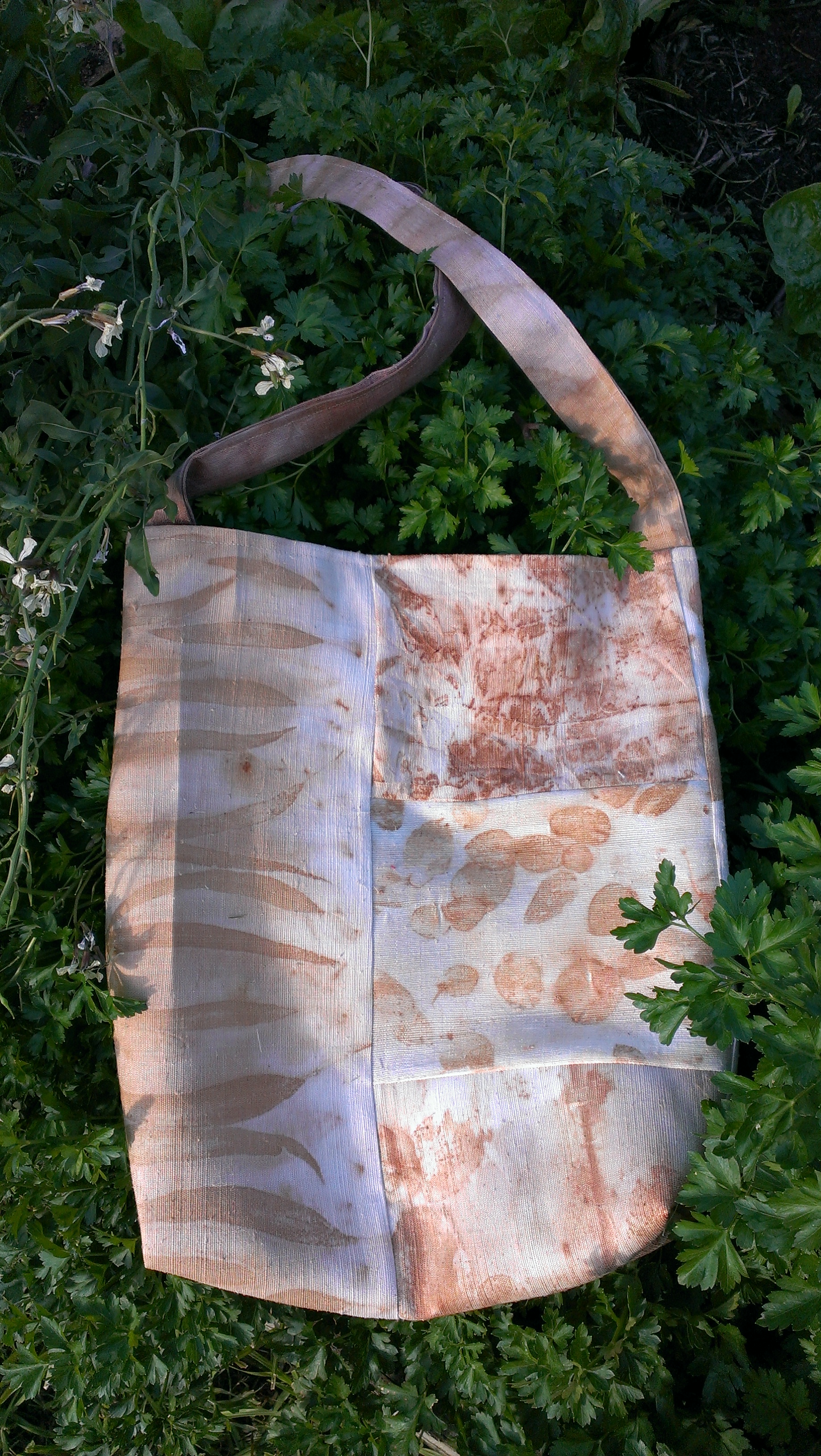
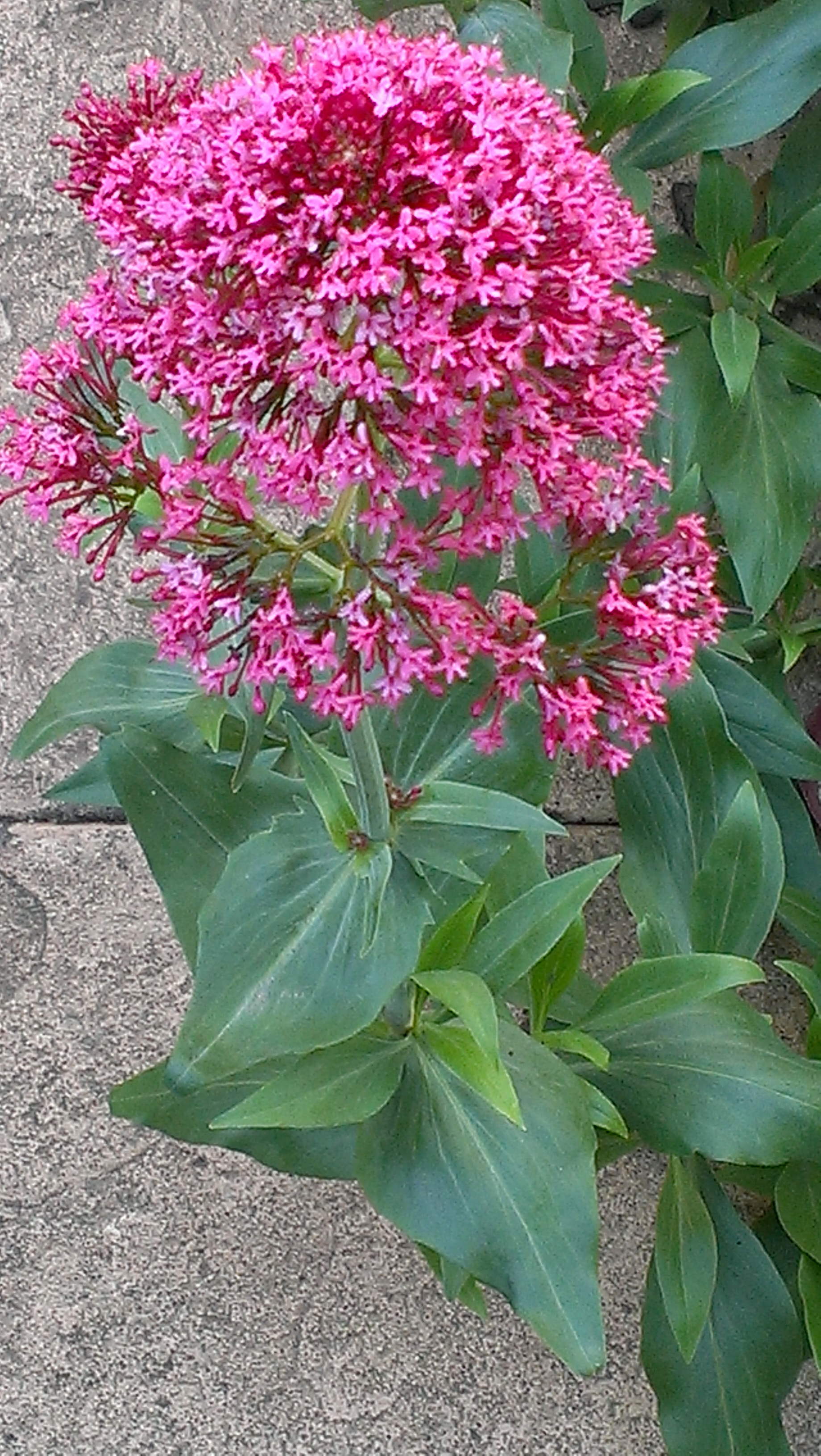
This, on the other hand, is a lined bag made of silk.  When I first bought and read India Flint’s Eco-Colour, I was immediately inspired and keen to try out her ideas and techniques, but finding silk and wool fabrics was quite a challenge.  I had been dyeing sheep fleece and woolen yarns.  I started out eco-printing with some fine gauzy silk and that was exciting enough to keep me going, though I was less than clear about how I could use it.  Then I found a length of Thai silk clearly purchased in Thailand and brought home to Australia which had somehow found its way to an op shop I like to comb through.  Many experiments followed, and they have been sitting rolled up in the sewing room for years now.
IMAG2201

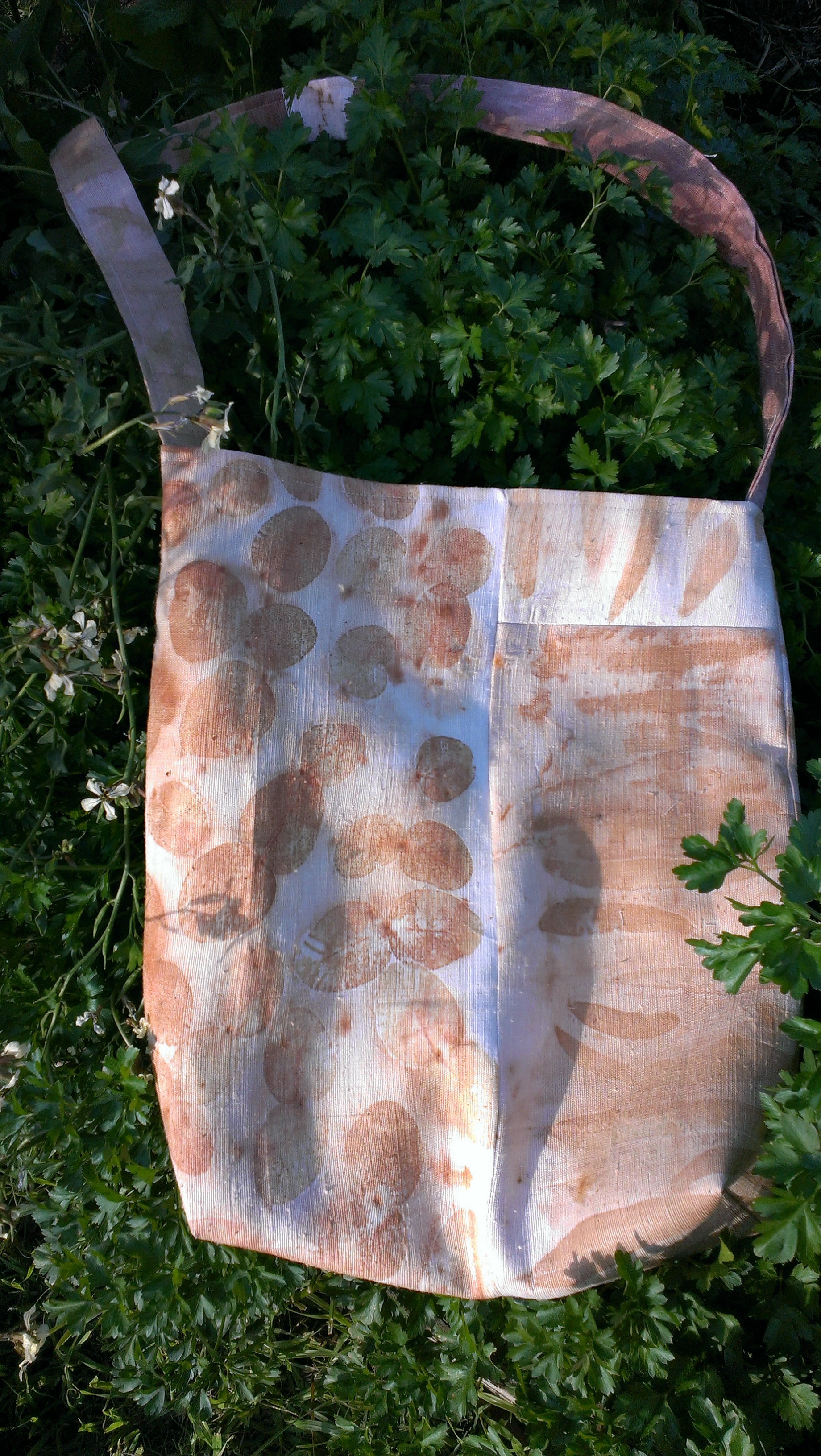
The darker colour on some sections is red wine.  The splotchy random pattern–clearly not a leaf–on one piece really had me puzzled until I ironed it.  The smell was a giveaway.  Ah!  Onion skins!  That is what you can see on the top right of this bag.

IMAG2199

And the other side (with red wine on the strap)…

IMAG2198

I have constructed the linings from samples and less successful printing efforts on cottons…

IMAG2204

It’s very satisfying finally to put these samples to use.

4 Comments

Filed under Eucalypts, Leaf prints, Sewing